Road Trip to Tapalpa: A Tuscan Village in the Mountains of Jalisco
I am not good at sitting still. Never have been. So recently, I made a Google map of road trip destinations within three hours of Lake Chapala. Tapalpa was one of the places I had been interested in visiting for some time.
The timing had been tricky. In February 2026, Tapalpa made international news when the Mexican military conducted an operation there that killed El Mencho — the leader of the Jalisco New Generation Cartel — triggering a wave of cartel retaliation across Jalisco and multiple other states. Roadblocks, vehicle fires, a statewide Code Red. But time passed, things settled, and rainy season arrived. The drive up into those green mountains was finally calling.
The Drive: Unexpected Discoveries
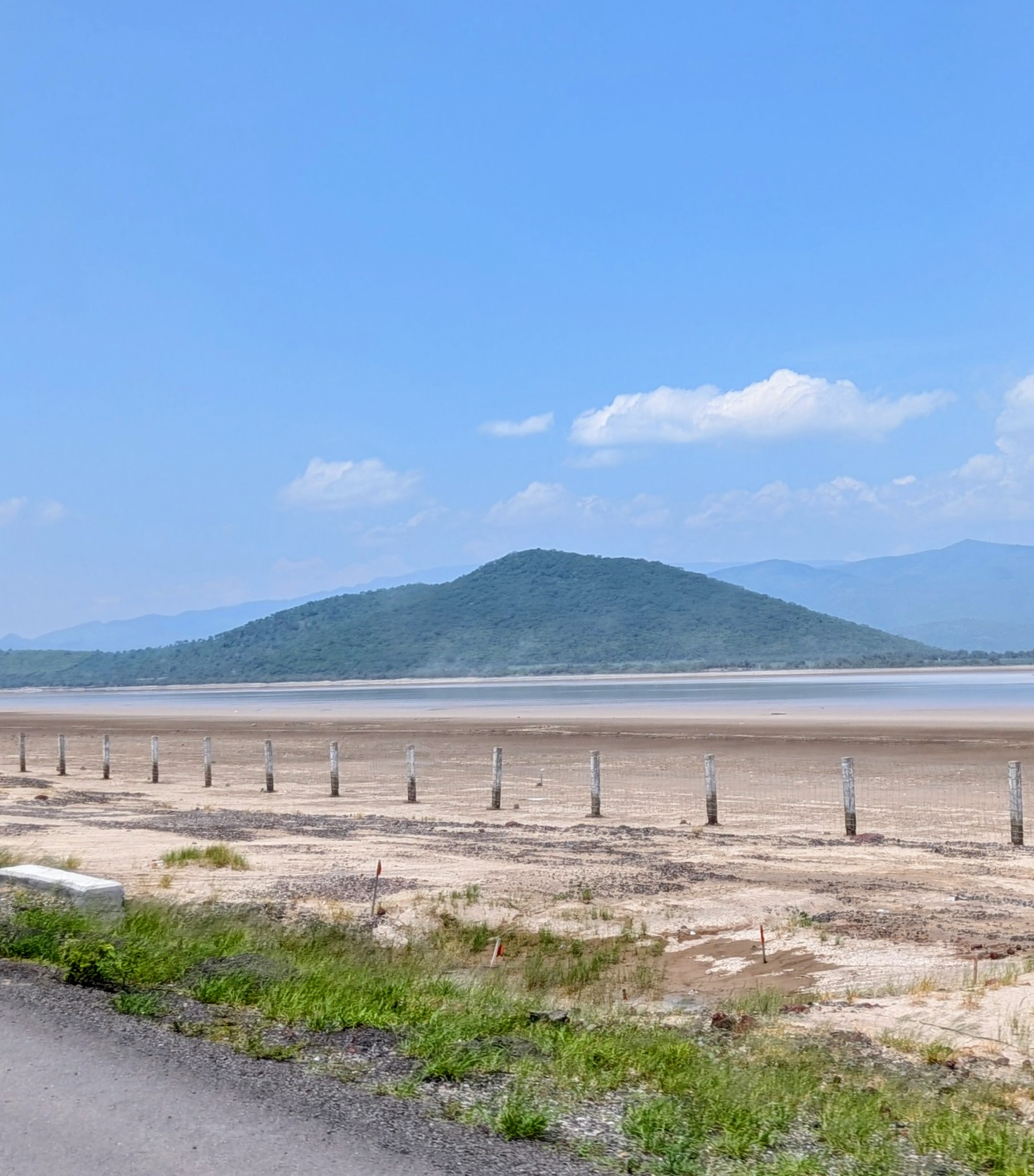
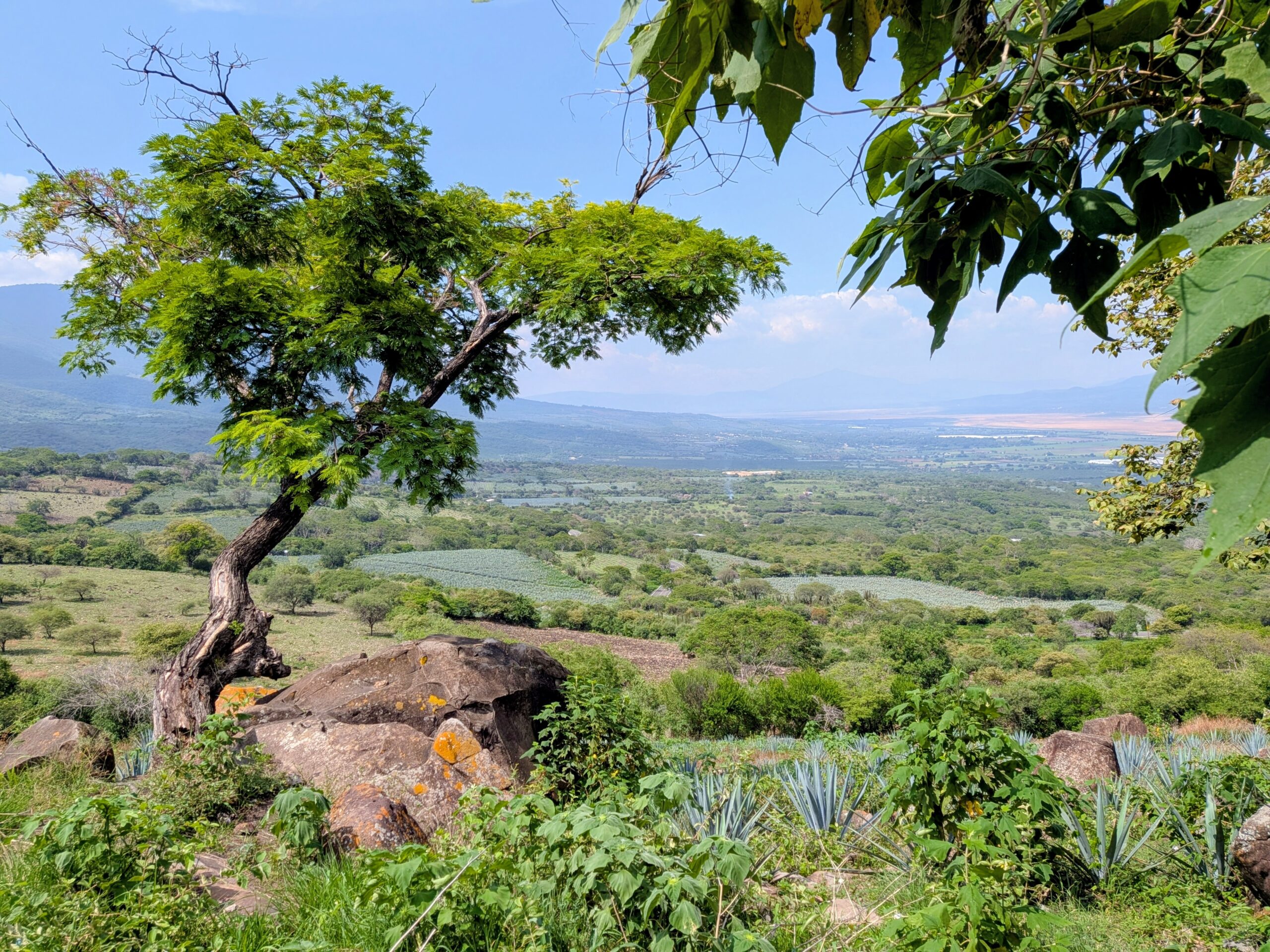
The route from Lake Chapala takes you past the Laguna de Sayula. At this point in the season the lake is still mostly dried out — a vast, flat, almost desert-like expanse that looks nothing like what it becomes. Apparently when it fills with the rains, it transforms into a major haven for migratory birds, the landscape shifting so dramatically it’s almost hard to believe it’s the same place. We drove past agave fields for much of the journey after that — common all over Jalisco and something I never get tired of seeing.
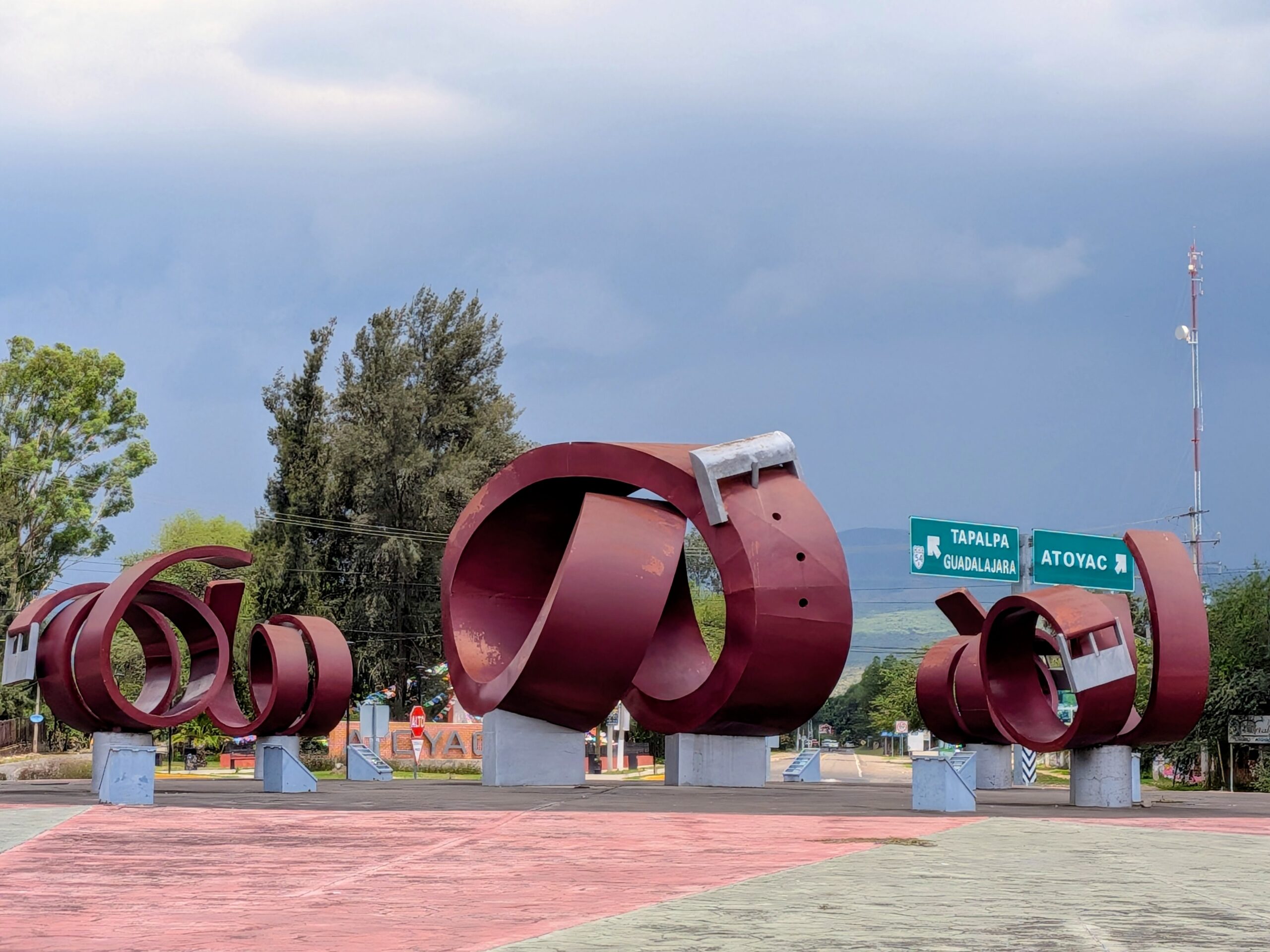
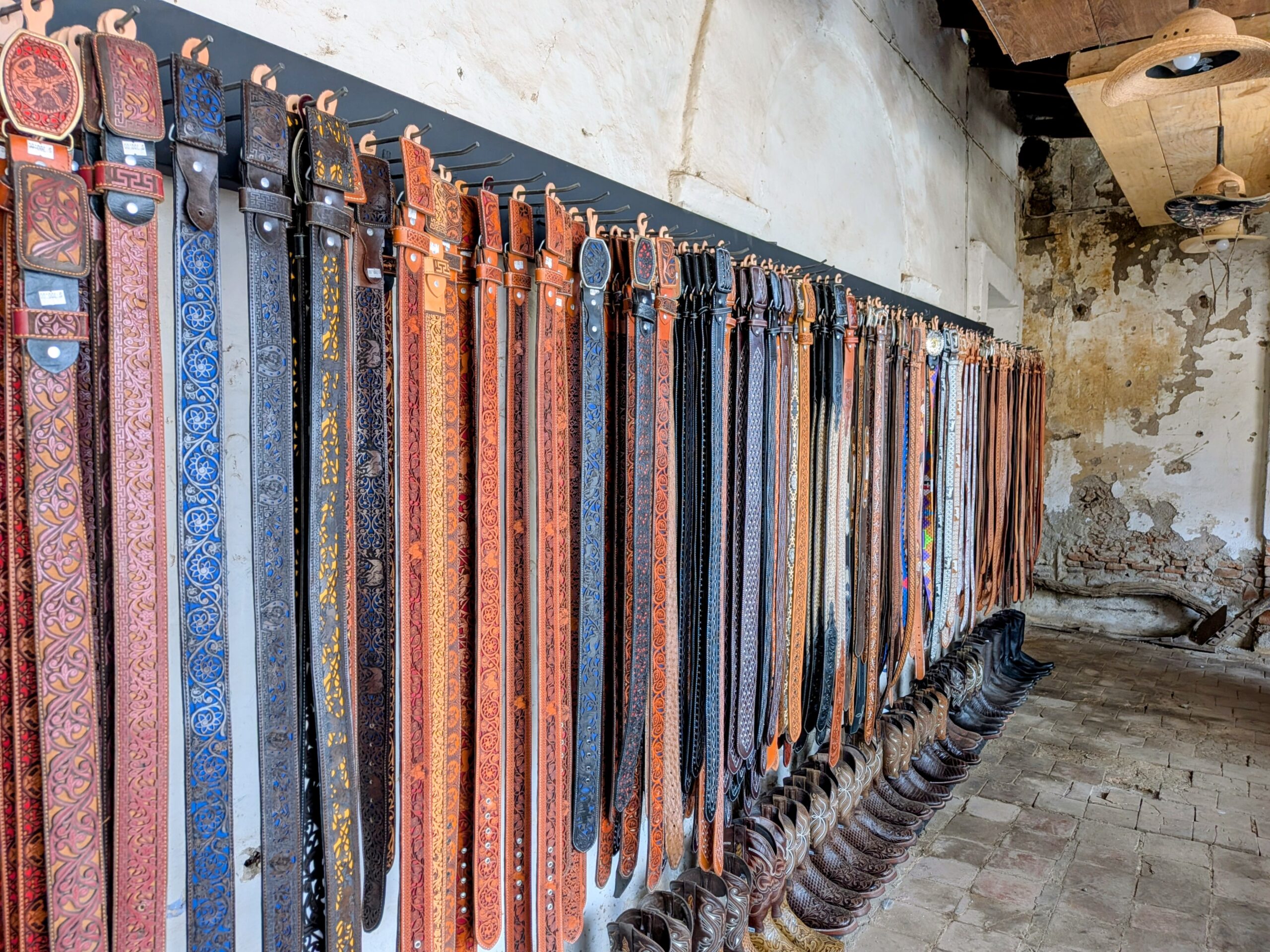
Our first stop was Atoyac, announced by a giant belt sculpture at the roundabout into town. That sculpture tells you everything you need to know — Atoyac is an artisan leather belt town, and the belts are beautiful. After a delicious local lunch we walked the plaza and browsed. Each belt was clearly made with genuine pride and craftsmanship. Joe found his and we moved on.
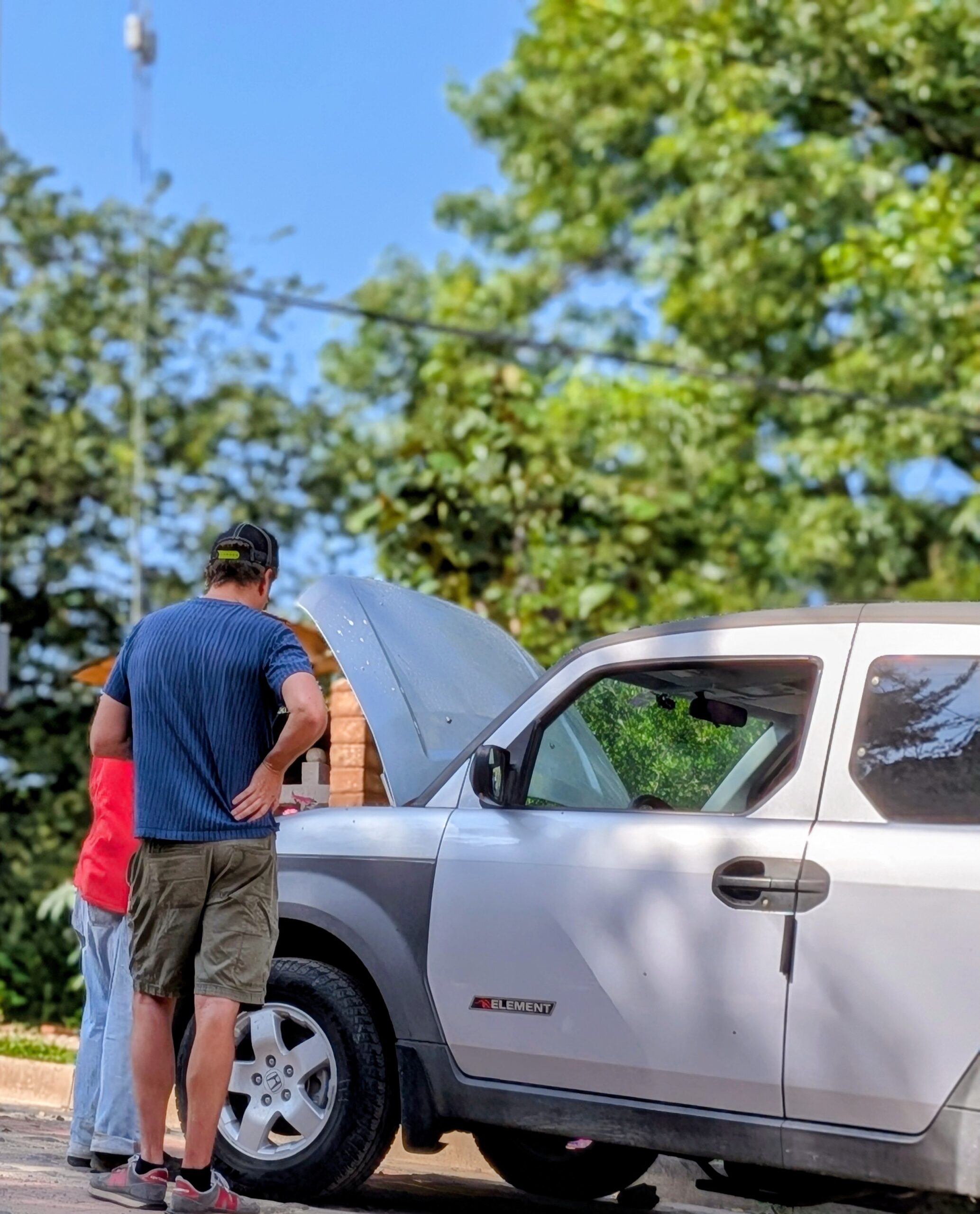
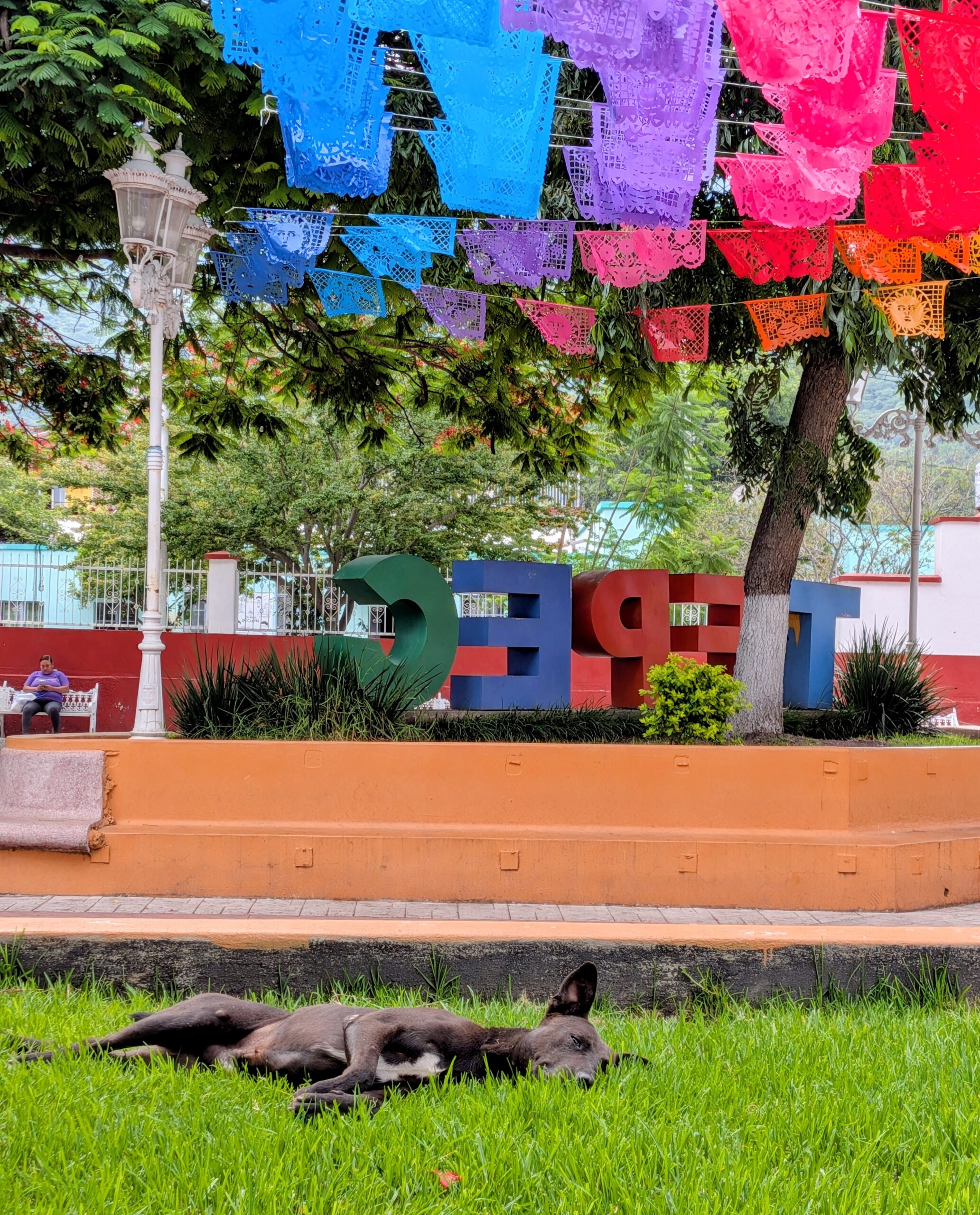
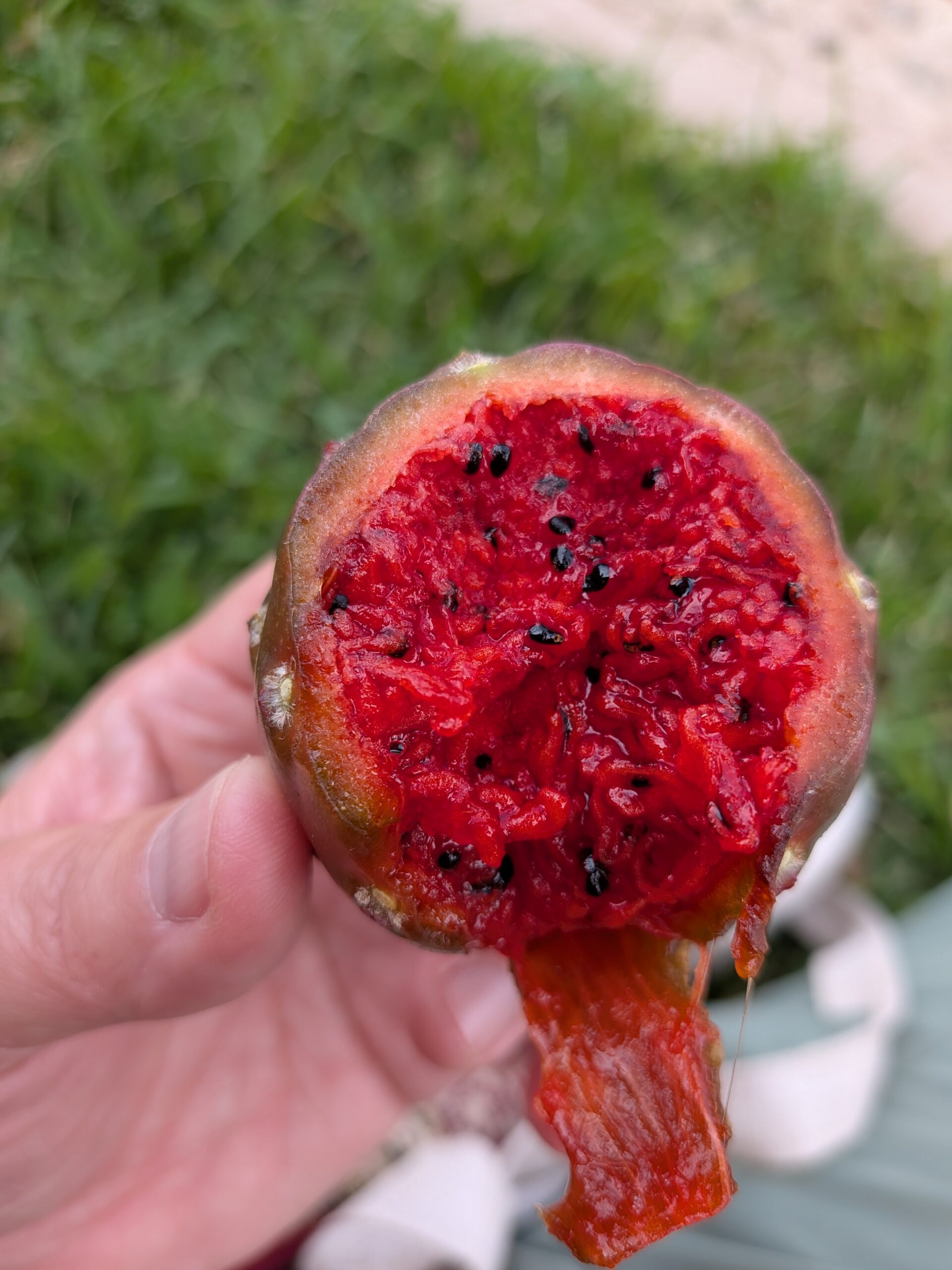
Shortly after leaving Atoyac, Joe noticed smoke under the hood. We were not far from the town of Tepec, and we pulled in and asked for help. Within minutes locals had directed us to a mechanic, who appeared within half an hour, assessed the situation, made some adjustments, assured us we were fine to carry on, and charged us 200 pesos — roughly $12. While we waited, I walked around the town, made friends with a local dog, and was handed cactus fruit by a passing stranger. Mexicans really are something.
Arriving in Tapalpa
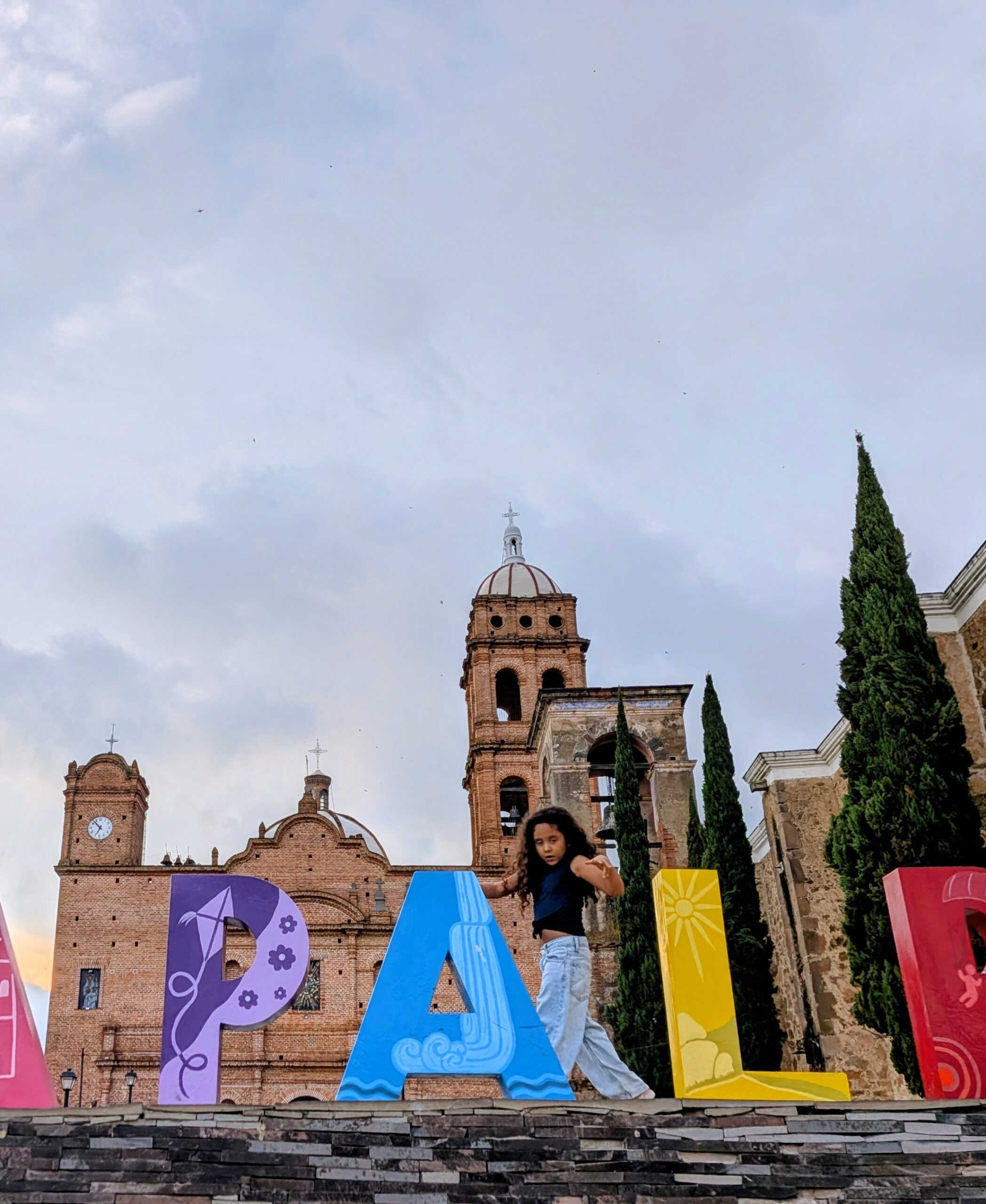
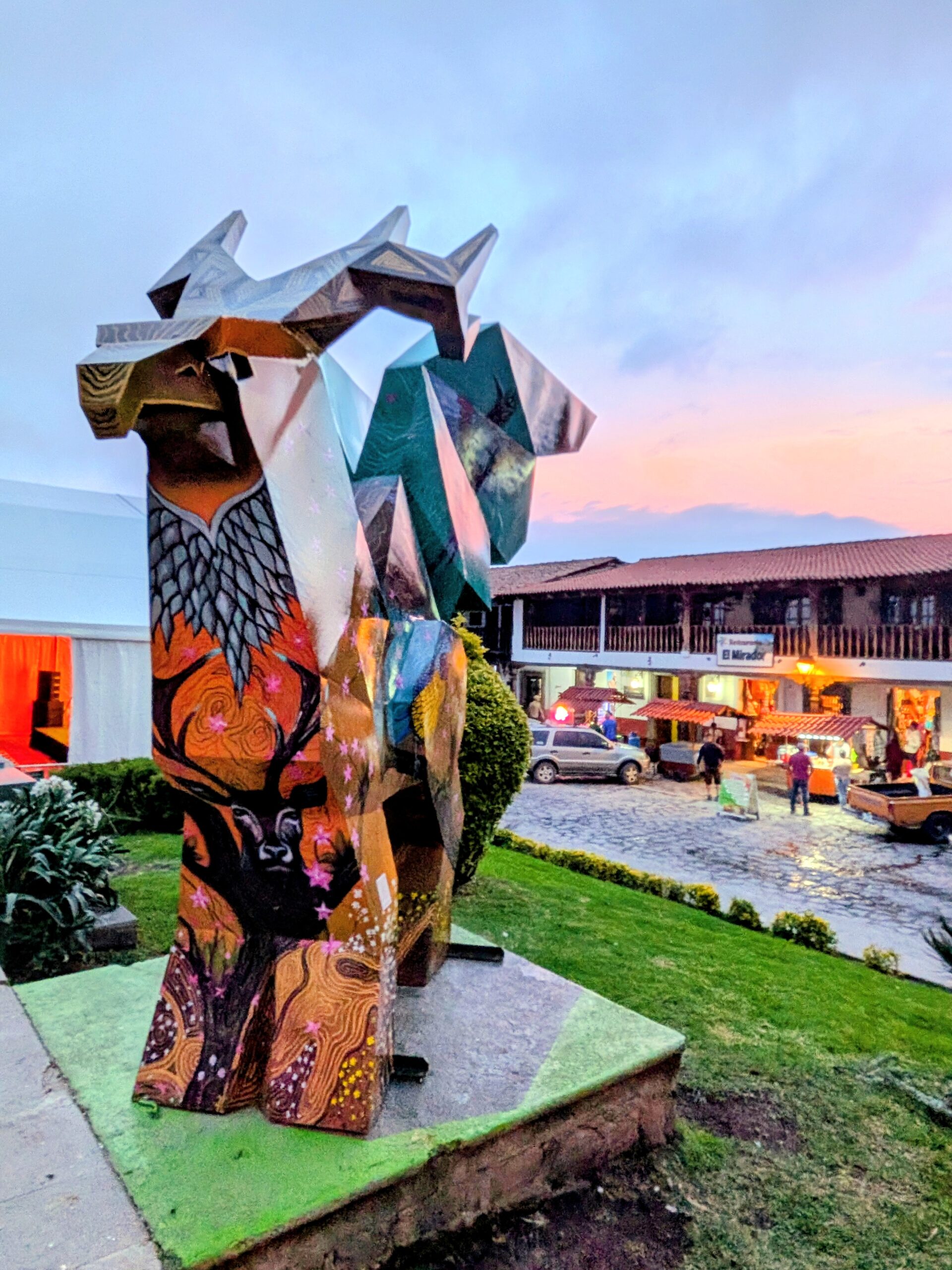
The drive up into the mountains is extraordinary — lush green peaks on all sides, dramatic vistas opening and closing as you climb, the kind of scenery that makes you pull over just to look. Tapalpa was designated a Pueblo Mágico in 2002 — one of the first in Jalisco. It looks like it was lifted directly from the Tuscan countryside — whitewashed walls, terracotta rooflines, cobblestone streets climbing steeply between them. Stunning!
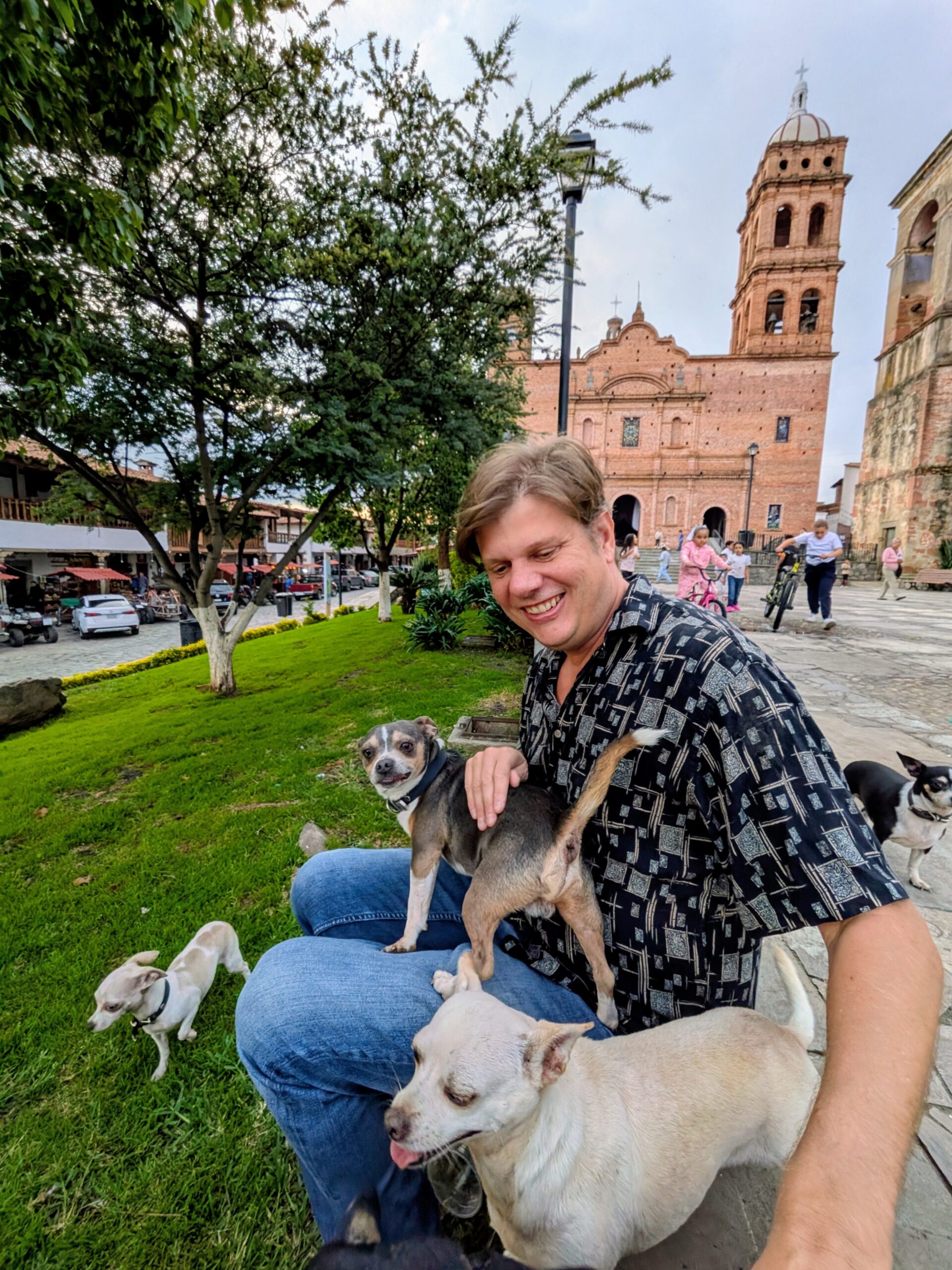
Walking into town our first afternoon, the first thing we saw in the main square was a man surrounded by around twenty Chihuahuas. We sat down and they immediately covered us. Pure joy!
The main square cathedral is particularly lovely — built almost entirely of red brick in a way that is unusual for the region, with a dog sitting at the entrance greeting new guests. Mexico has the best dogs.

The Farm Tour and Swiss Chard Tamales
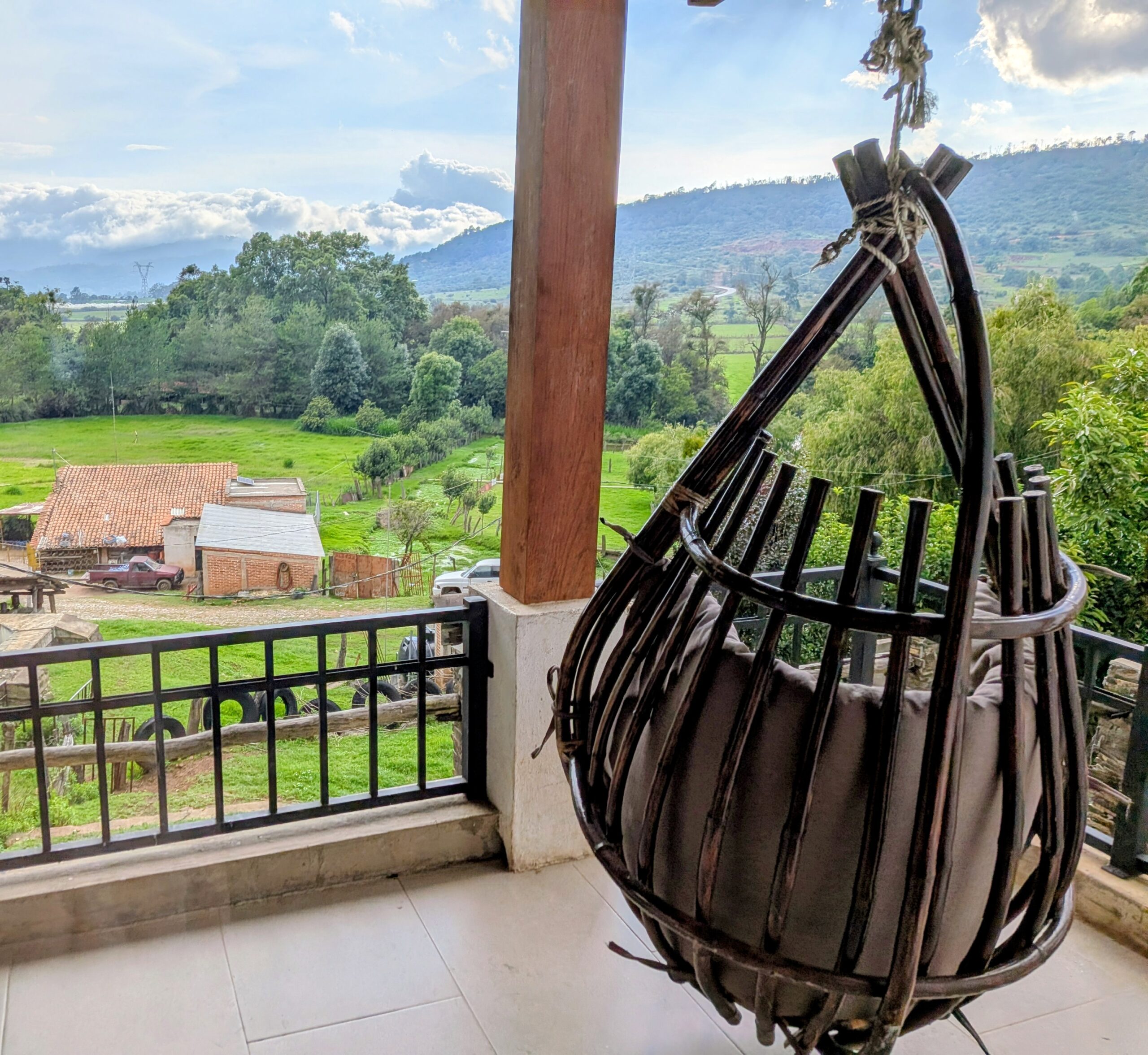
We stayed at La Toscania Agriturismo Hotel, which leaned fully into the Italian aesthetic — our room looked out over the farm with beautiful views, decorated throughout in rich wood pieces from the bed frame to the shower surround, with a fireplace laid with wood and ready to light for the evening. Perfect.
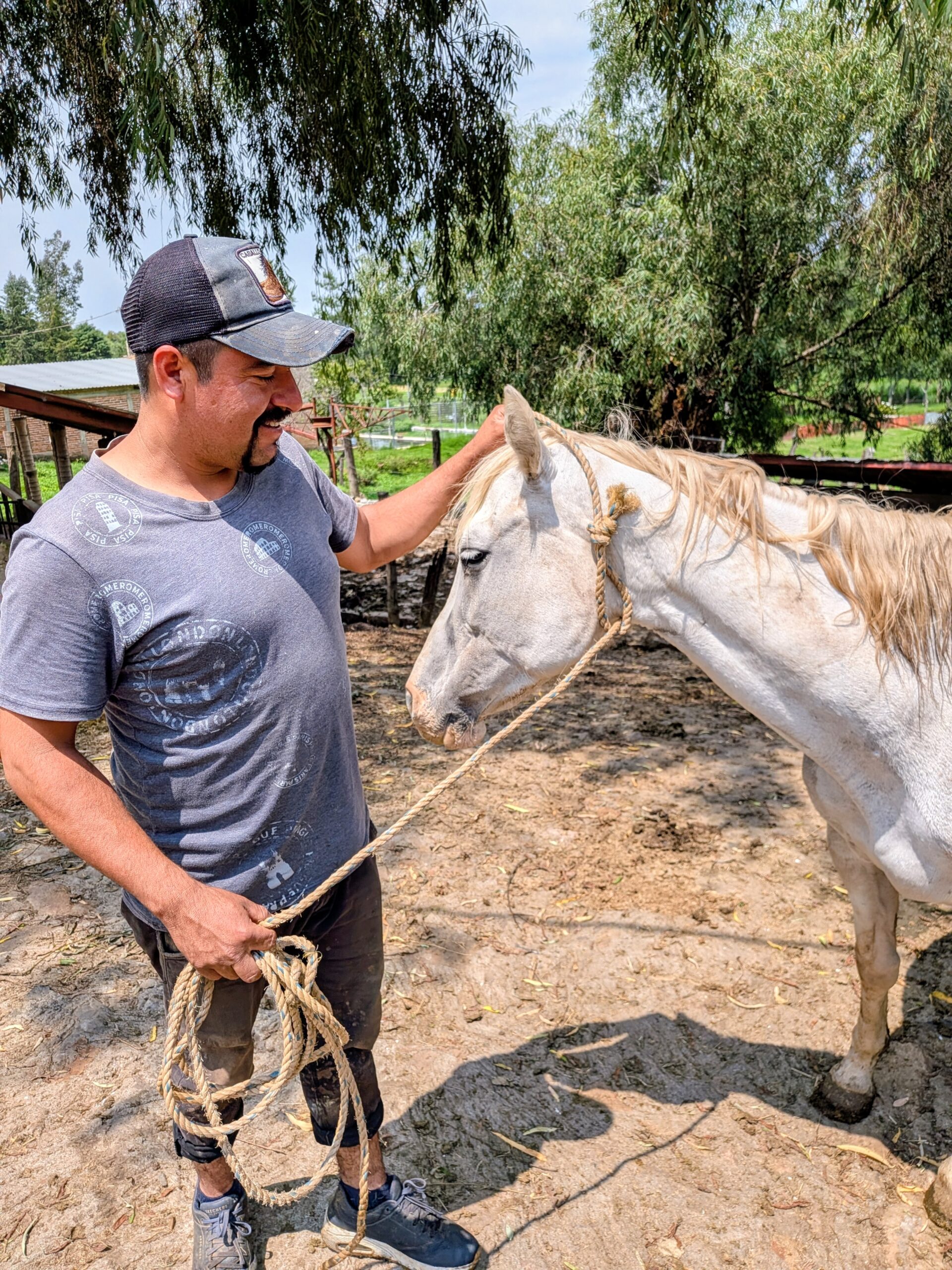
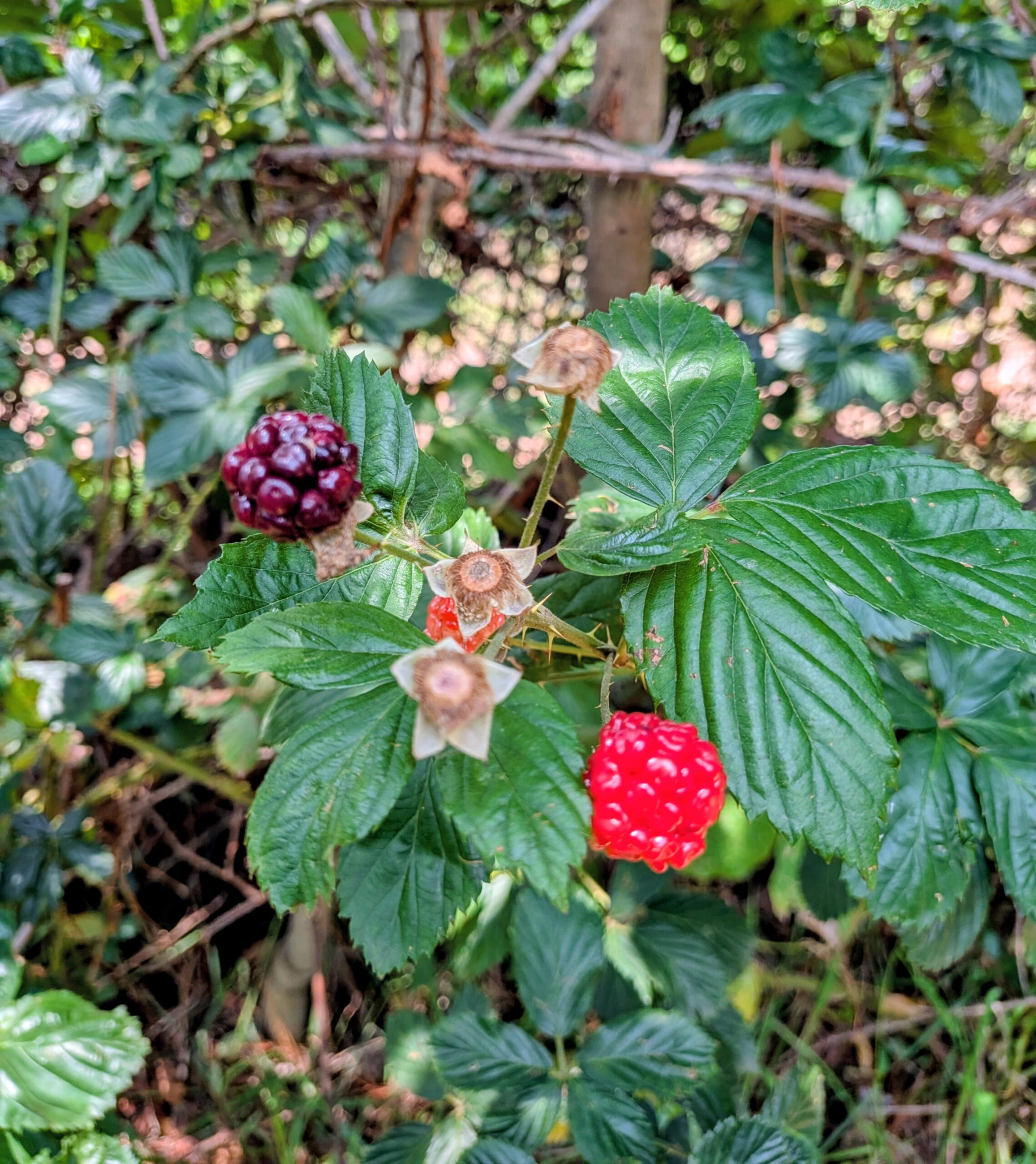
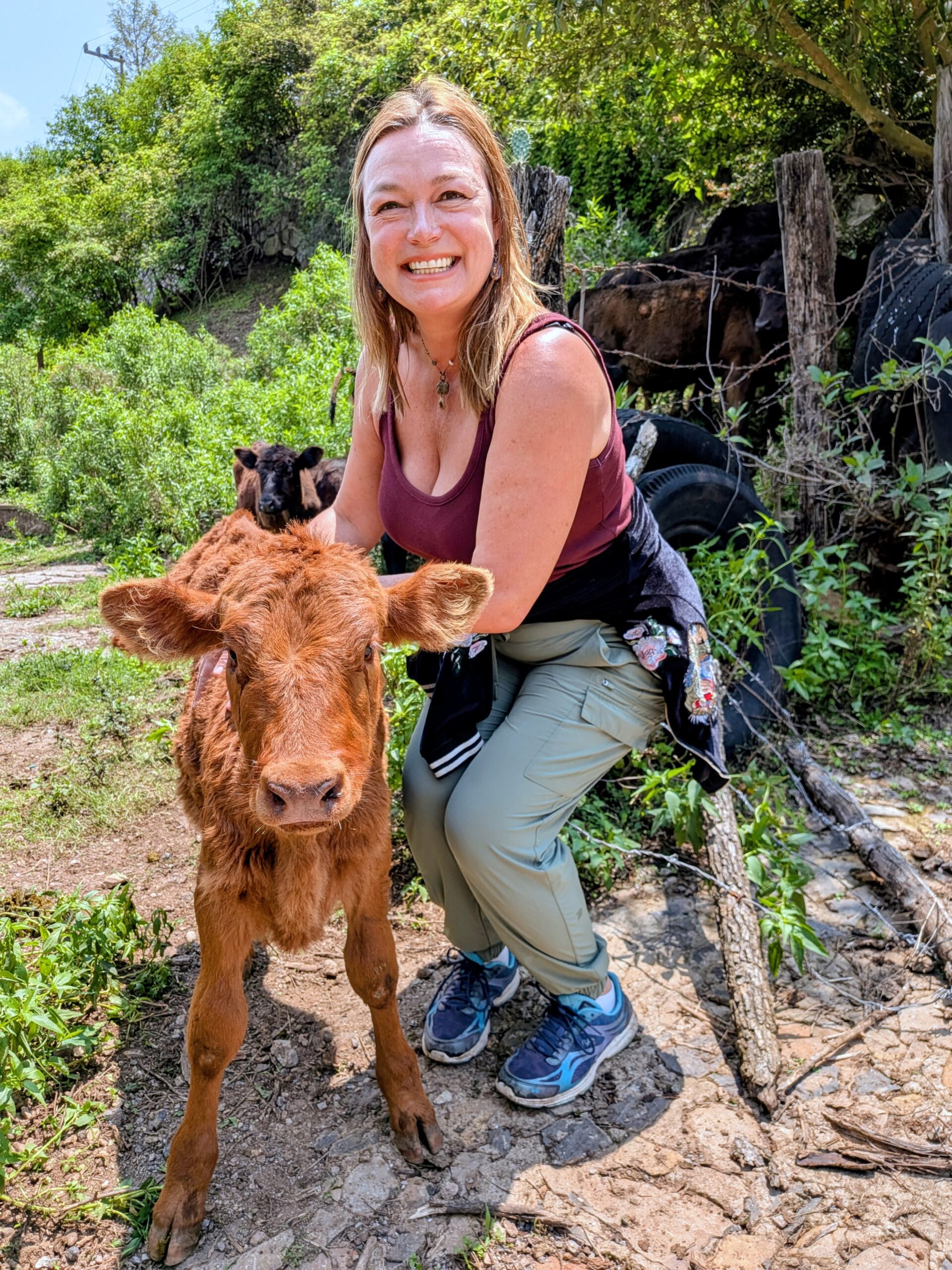
The hotel offered a farm tour the next morning and we, of course, took them up on it. Alejandro walked us along the river, showed us a horse days away from giving birth, introduced us to an extremely sweet and shy calf, and let us meet the five farm dogs who were living exactly the kind of life every dog deserves. Along the way we picked blackberries straight off the bushes.
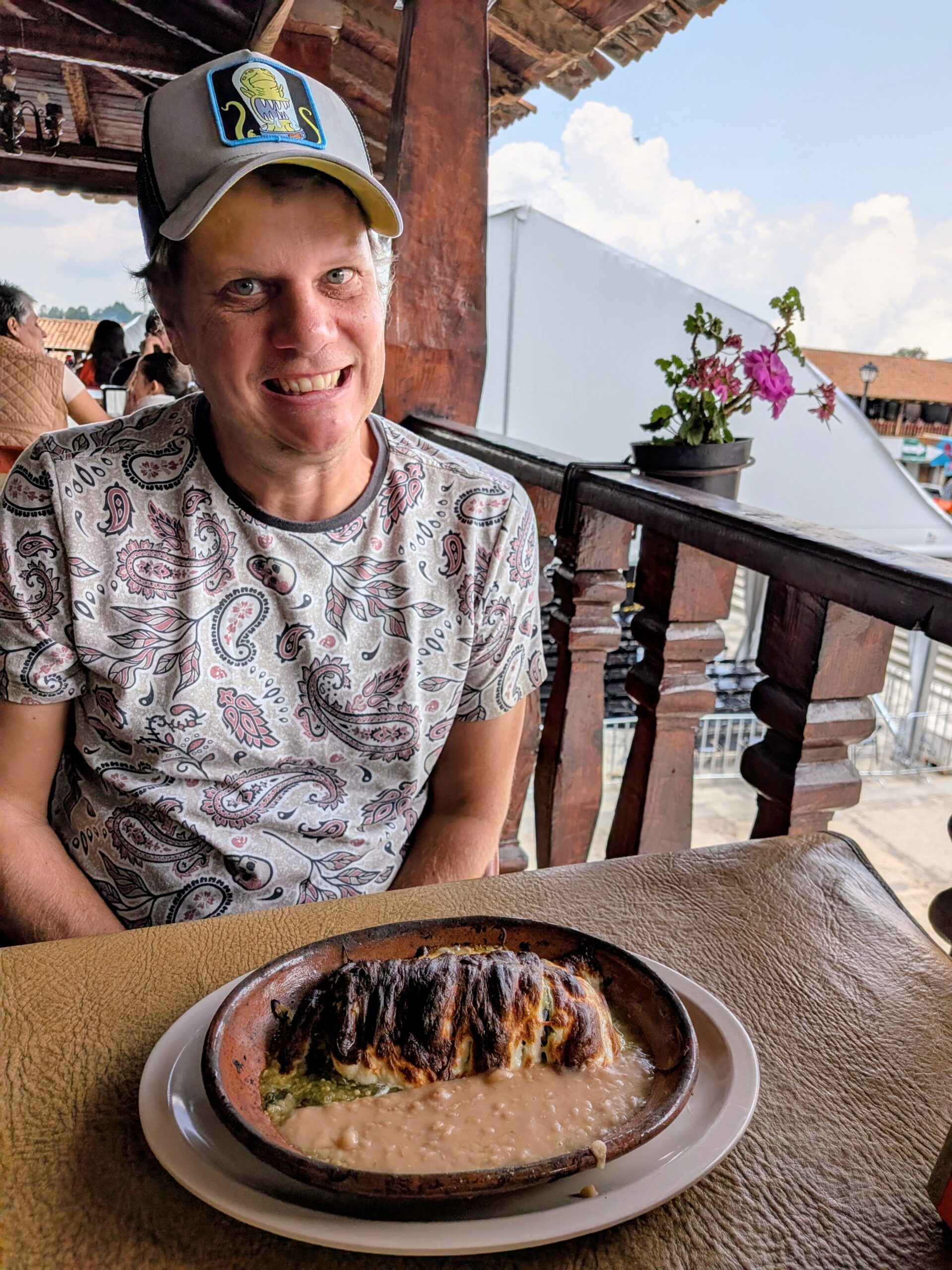
Back in town, we finally got to Paulino’s for the local specialty: swiss chard tamales. They arrived covered in cheese with a perfect crispy char on the outside. We would genuinely go back to Tapalpa just for these.
Las Piedrotas: The Valley of Enigmas
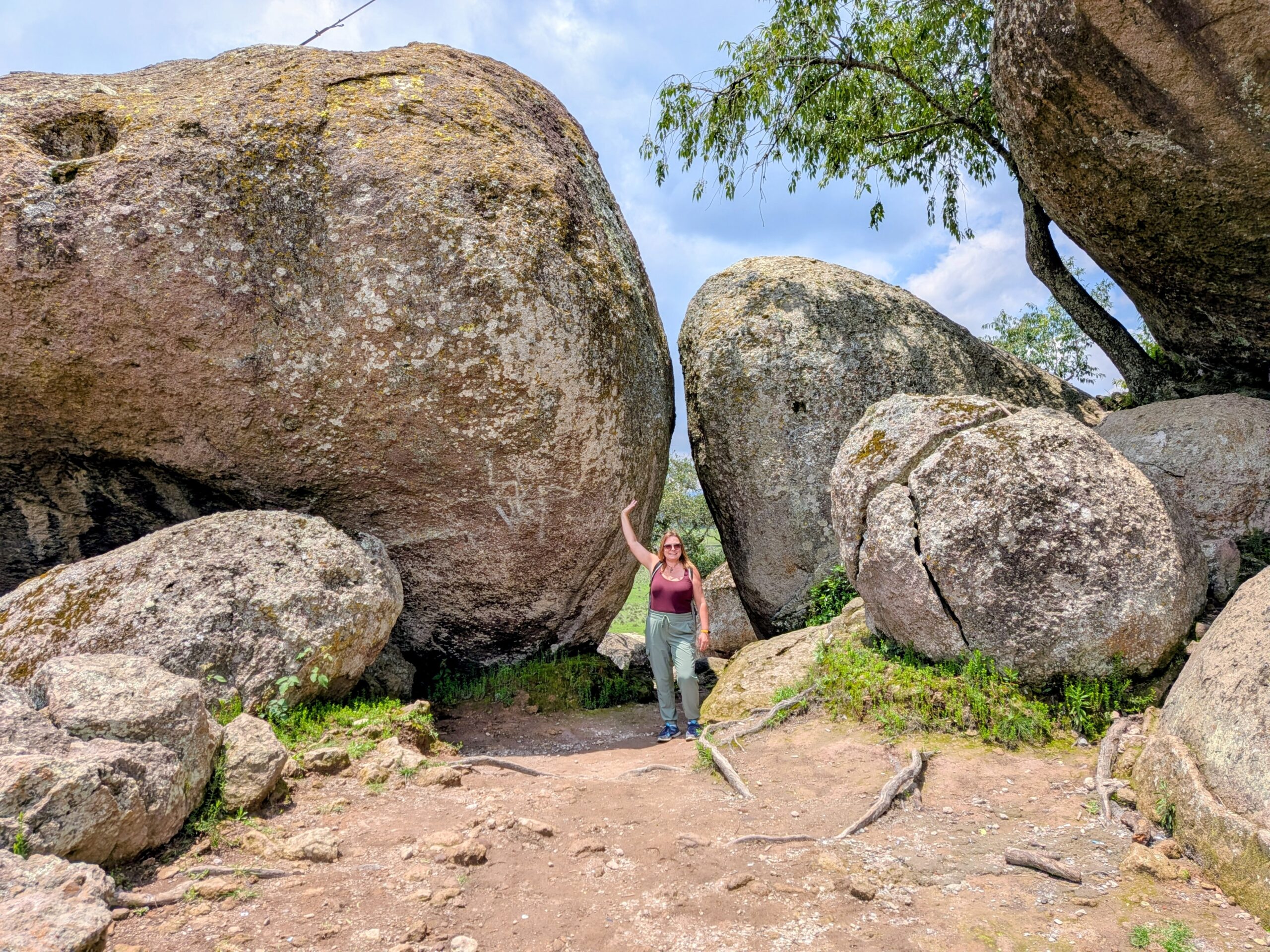
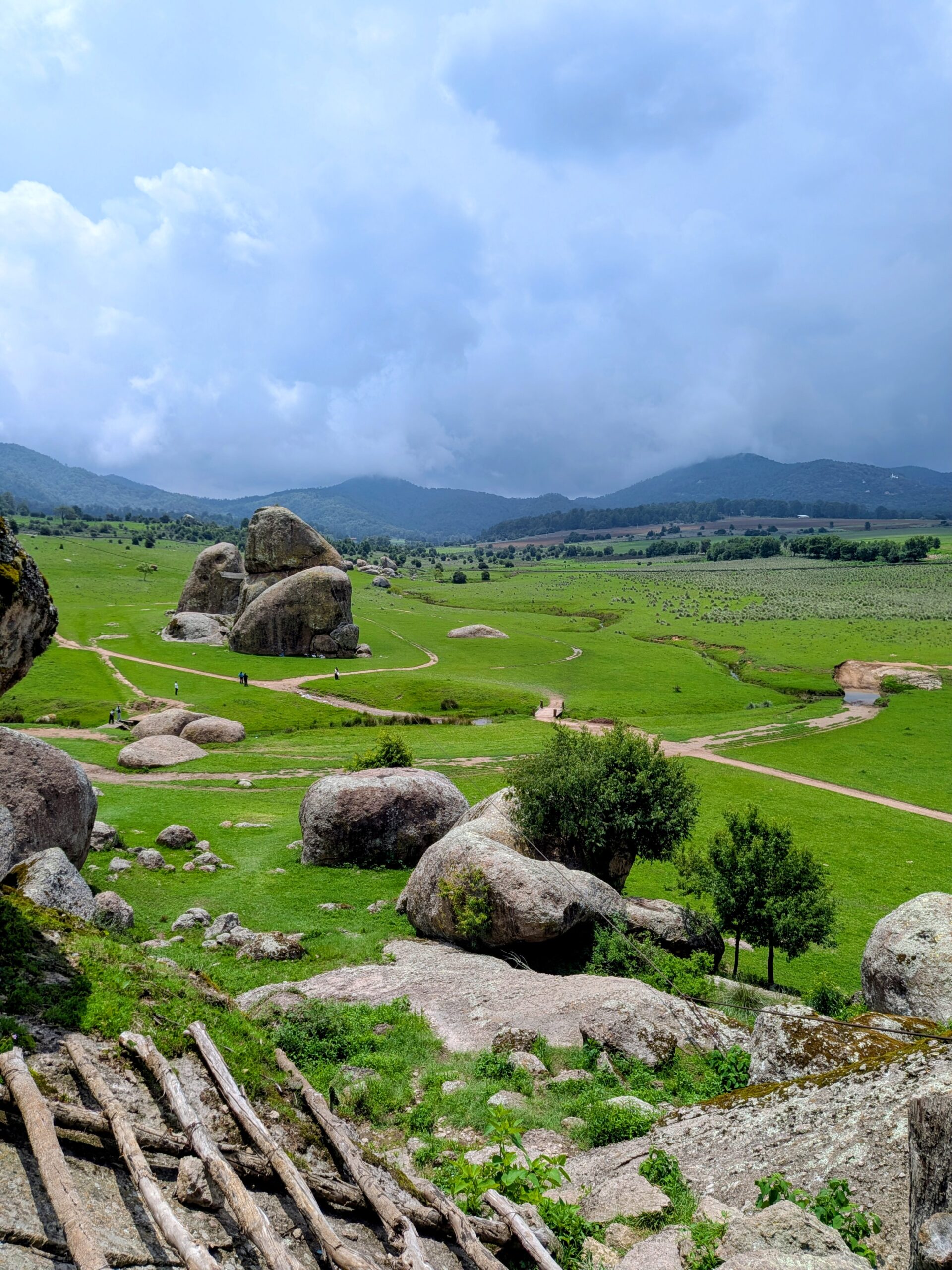
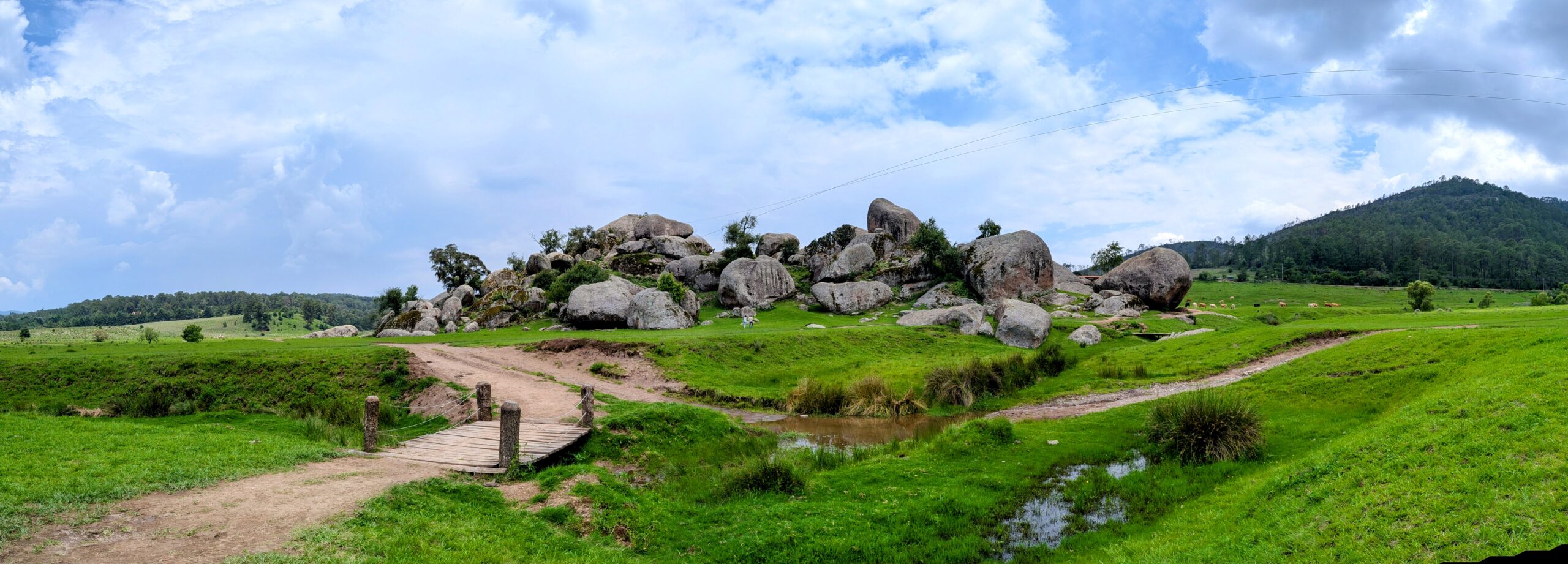
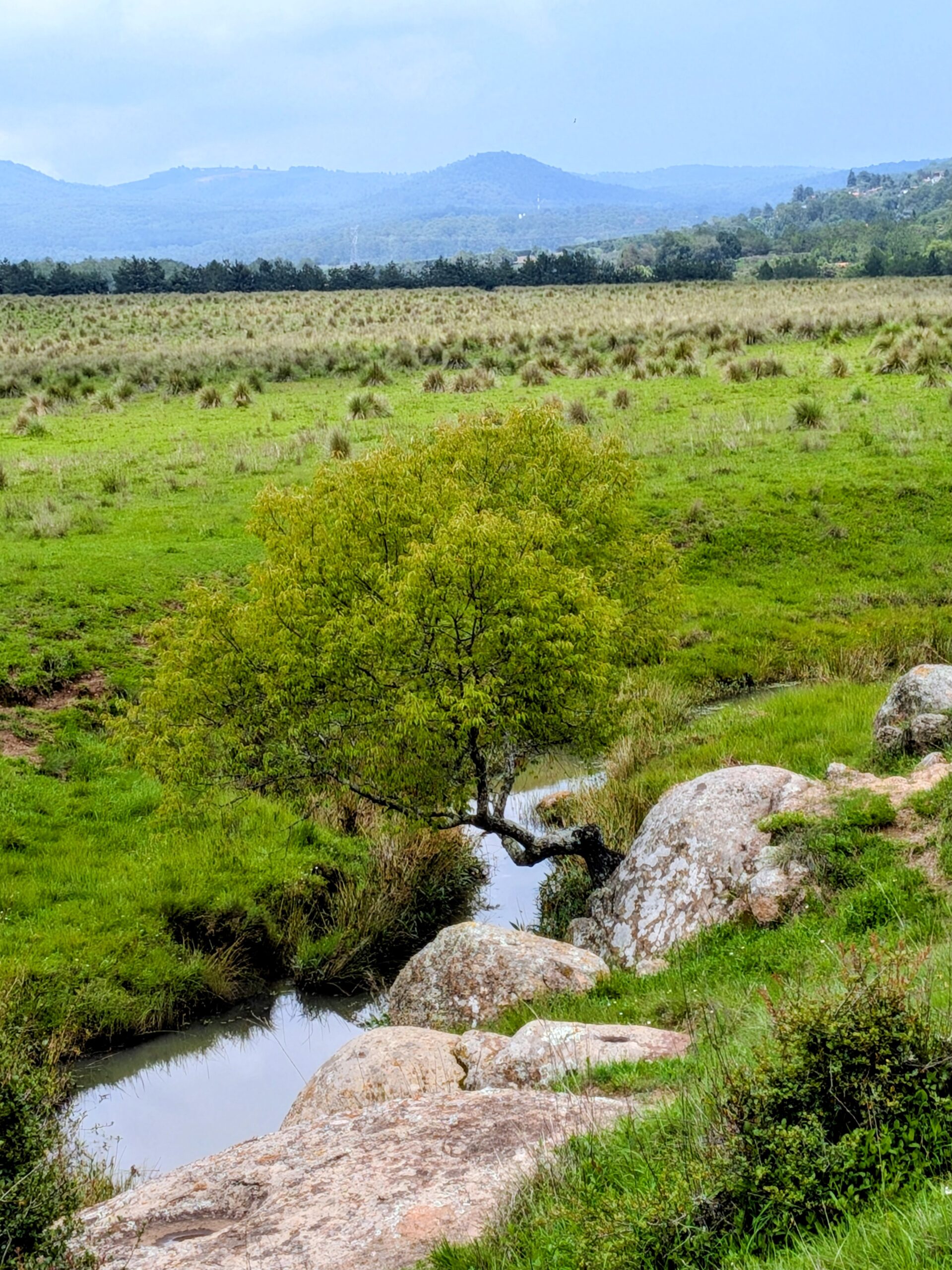
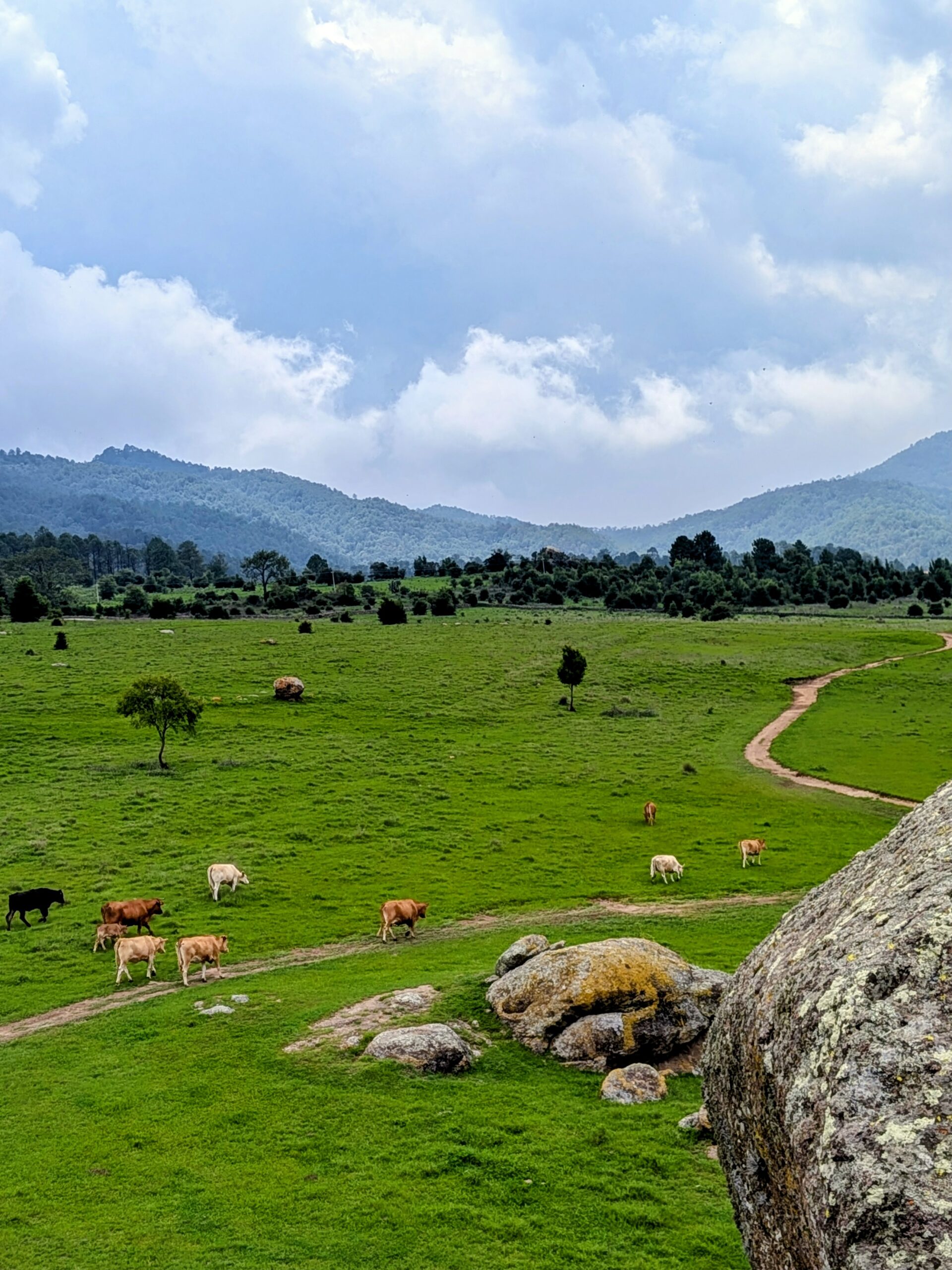
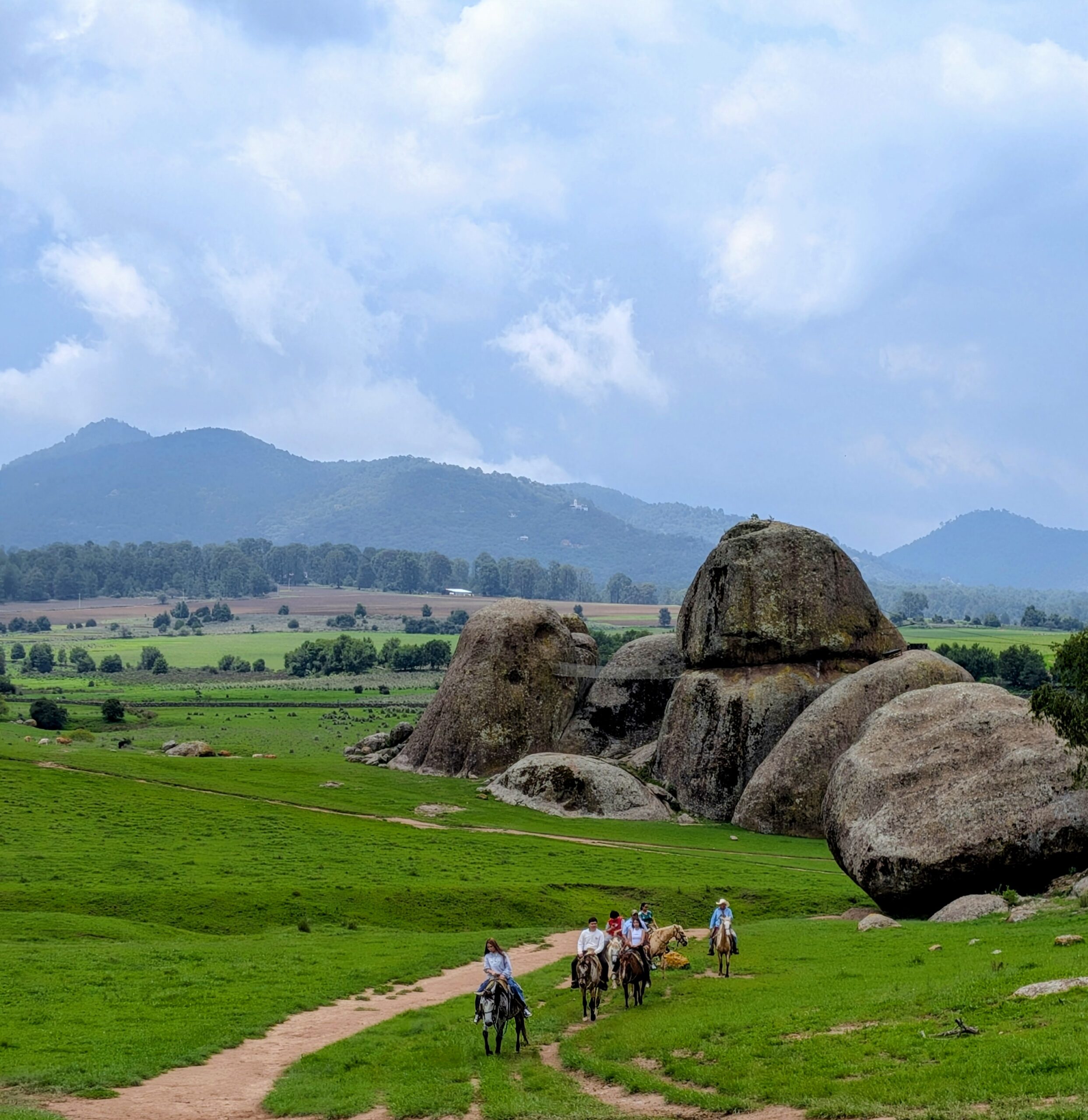
About five minutes from town, in an otherwise peaceful valley of green farmland and roaming cows, sits one of the more genuinely mysterious natural sites in Jalisco — Las Piedrotas, also known as the Valle de los Enigmas, the Valley of Enigmas.
The rocks are enormous monolithic formations scattered across the valley, and their origin remains genuinely contested. The most popular theory is that they are meteorites that fell thousands of years ago. Others argue they are the result of erosion over millions of years, volcanic formations that emerged as surrounding rock wore away, or ancient stones revealed when a river’s current changed dramatically and dropped. Nobody has settled the question definitively, and the mystery is very much part of the appeal.
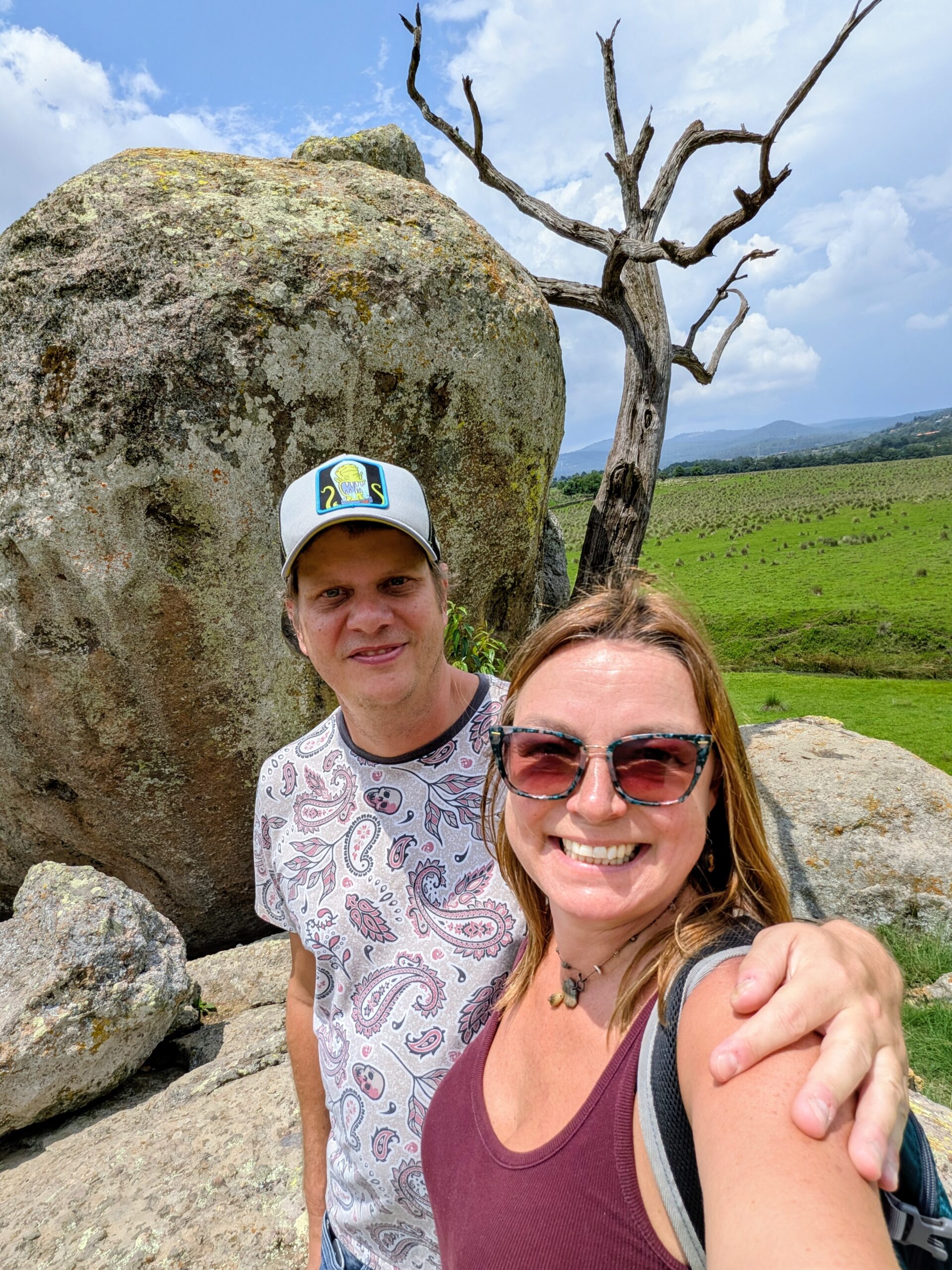
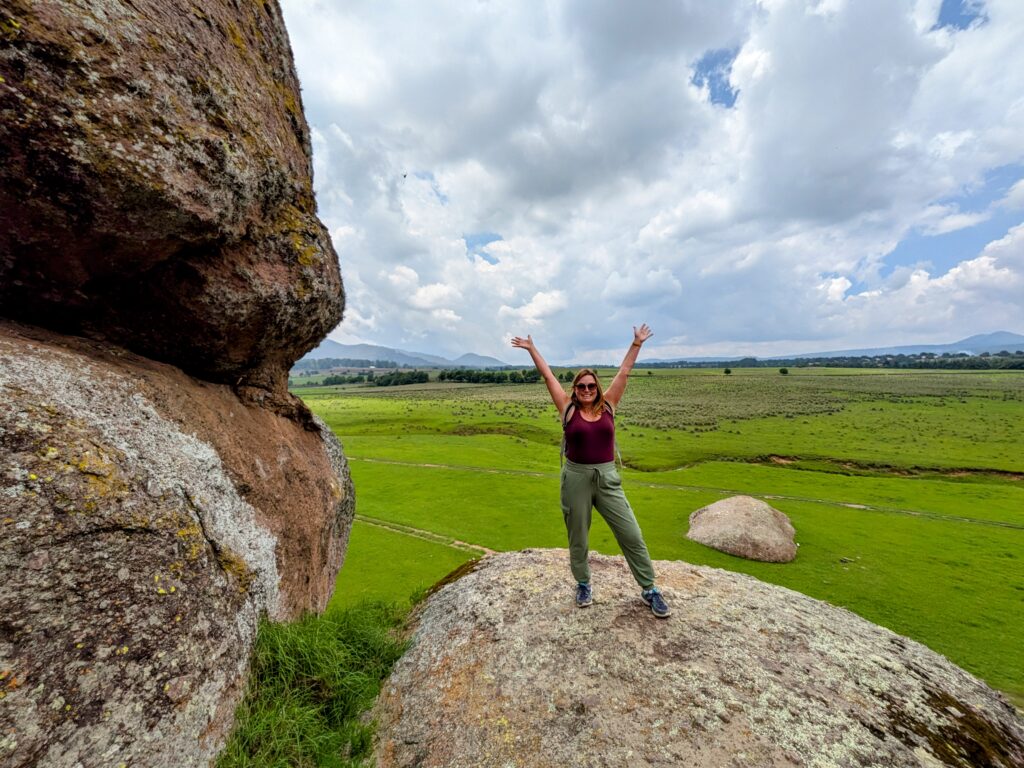
They were much larger than I expected from photographs, and far more numerous. We climbed several of them, taking in the views of the valley and cows below and the mountains beyond.
Tapalpa: Go
Tapalpa is an easy 2.5 hours from the Lake Chapala region, the drive alone worth doing for the mountain scenery. It is peaceful, genuinely beautiful, filled with good food and good dogs, and the kind of place that makes you slow down without trying to. The car situation, the mechanic in Tepec, the man with twenty Chihuahuas, the blackberries still warm from the bush — these are exactly the kinds of things that happen when you get off the main road and go somewhere new.
We will be back. And we will order the tamales again immediately.