Solo in Lyon: Silk Workers, Secret Passageways, and the Best Lunches of My Life
After saying goodbye to Surae in Paris, I turned around and headed south to Lyon for a week alone. Solo travel after an intense shared journey has its own particular pleasure — you set the pace entirely, follow whatever catches your interest, eat when you want and where you want, and discover new things along the way.
Home in Croix-Rousse
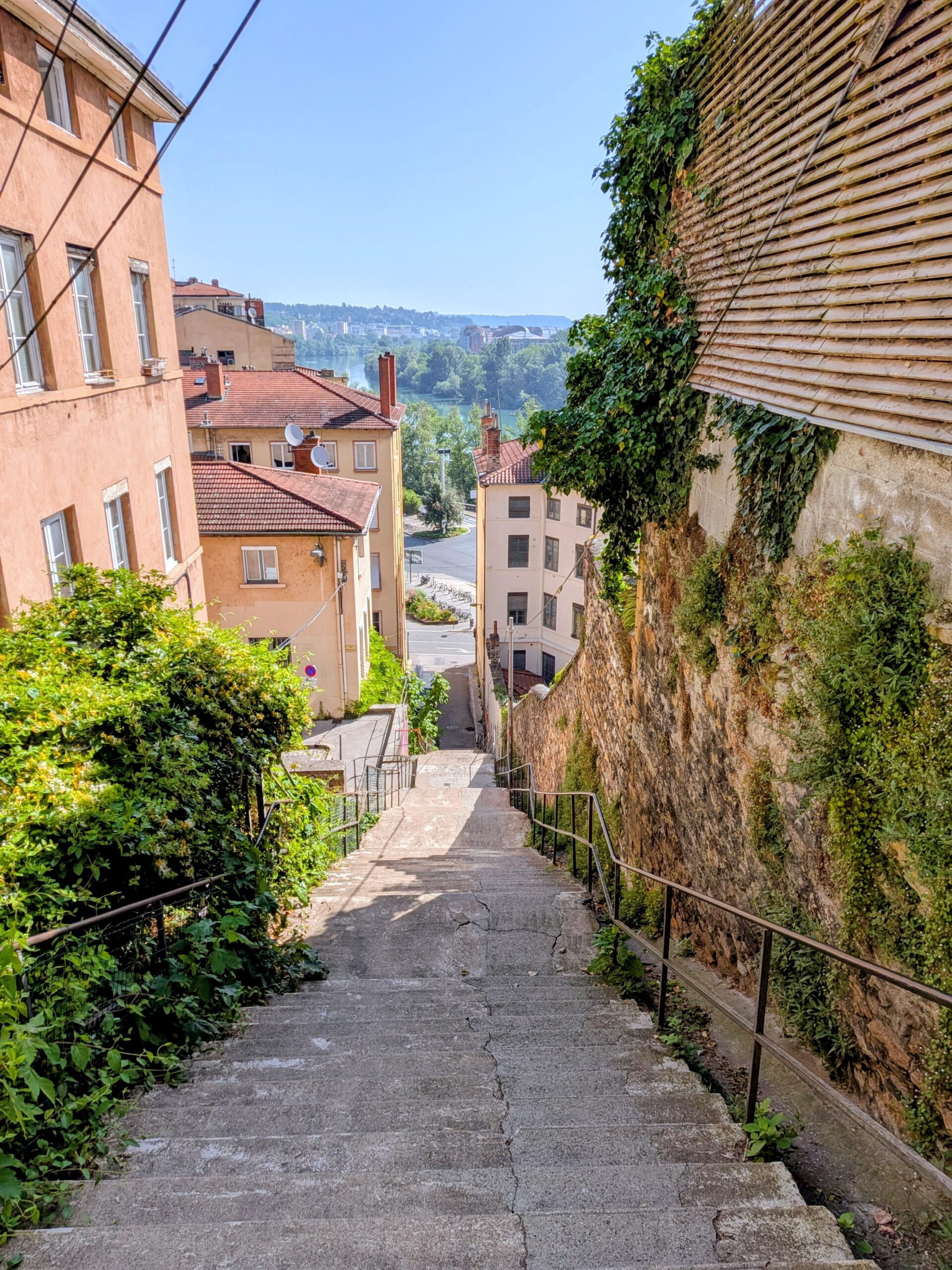
The last French HomeExchange apartment was in Croix-Rousse — the neighborhood that sits on the higher of Lyon’s two famous hills, known historically as la colline qui travaille, the hill that works, as opposed to Fourvière across the way, la colline qui prie, the hill that prays. The distinction goes back centuries. Croix-Rousse was the heart of Lyon’s silk industry, home to as many as 30,000 canuts — silk workers — at its peak in the 19th century.
The apartment had very tall ceilings due to the fact that the ceilings had to accommodate the massive Jacquard looms the silk weavers used. You can still see this throughout the neighborhood — building after building with those generous upper floors, designed not for grandeur but for function.
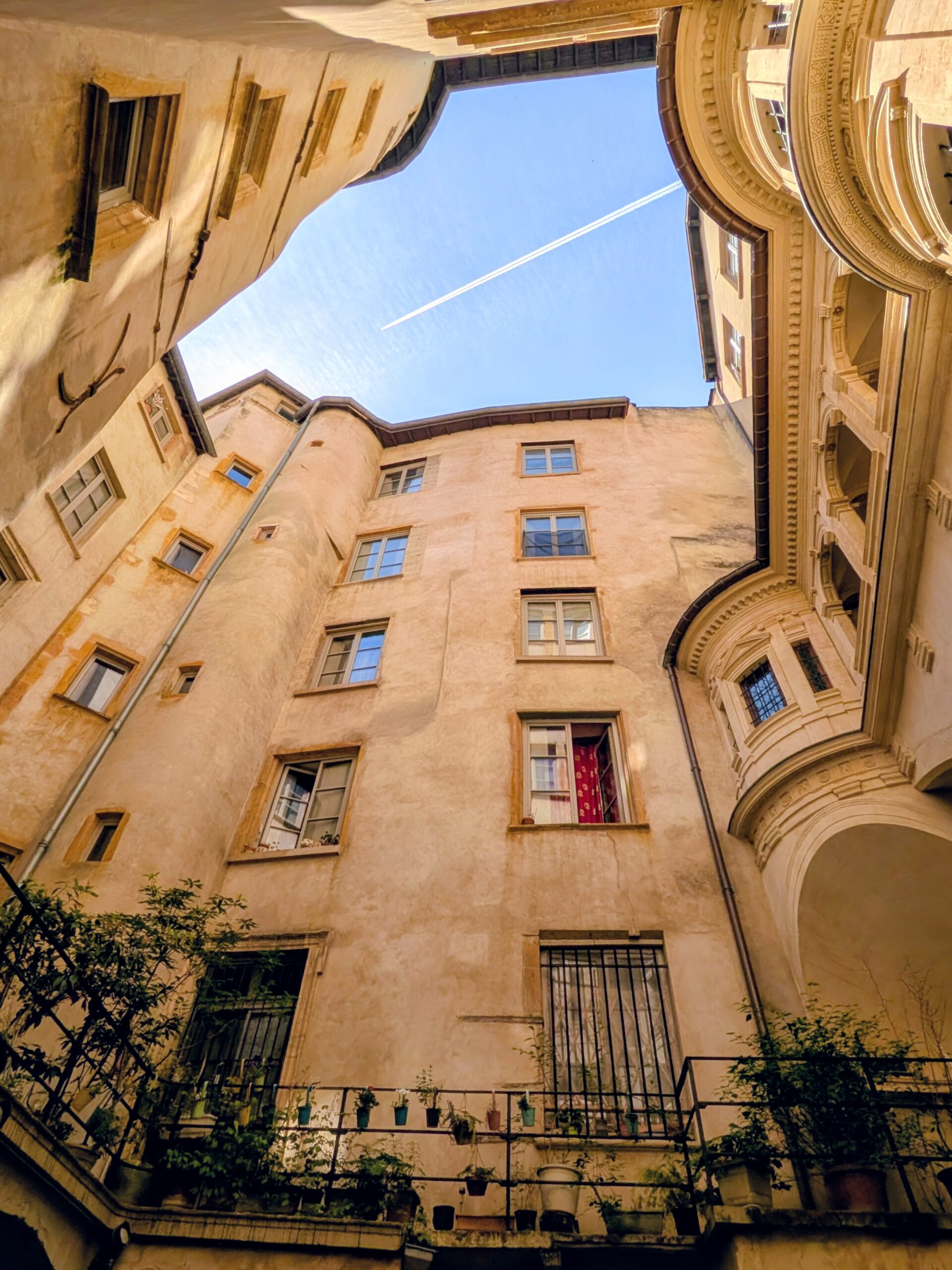
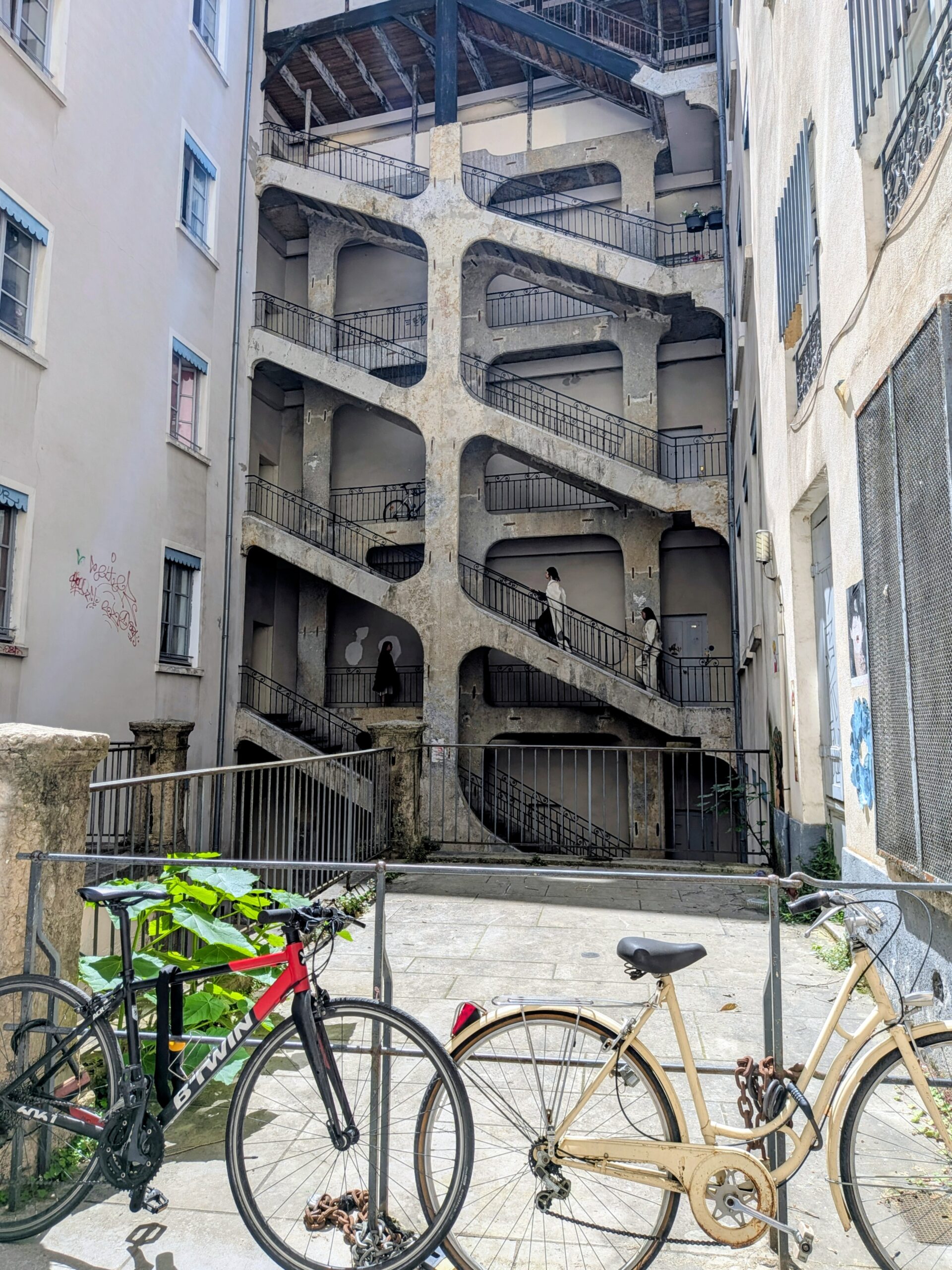
The Traboules: Lyon’s Secret Passageways
Croix-Rousse is also where you find the traboules — and hunting for them became one of the genuine adventures of the week.
Traboules are passageways that cut through buildings, connecting one street to another through courtyards and stairwells and covered alleys. They date back as far as the 4th century, originally built to give residents quick access to the Saône River. Later, the silk workers adopted them entirely — using them to transport delicate bolts of silk safely down the hill to the merchants below, protected from rain and dirt that would ruin the fabric. The canuts also used them during the revolts of the 1830s, one of the first documented uprisings of the Industrial Revolution, slipping through the passageways to evade authorities and organize.
Then came World War II. Lyon became a major center of the French Resistance, and the traboules were repurposed again — this time for survival. Resistance fighters used them to move unseen through the city, deliver messages, and escape Nazi patrols. The complex layouts and gated doors made them nearly impossible to chase someone through.
Today there are around 400 traboules in Lyon, though only about 40 are open to the public. Some are marked with small blue plaques bearing a lion’s head. Others you find by simply pushing a door that looks like it might open onto something — and discovering that it does. That element of treasure hunt is part of what makes exploring them so satisfying. Each one has its own character — spiral staircases, vaulted ceilings, Renaissance arches, glimpses into interior courtyards that the street gives no hint of. Finding them was a fascinating way to spend a few hours!
The Food: This Is Why You Come to Lyon
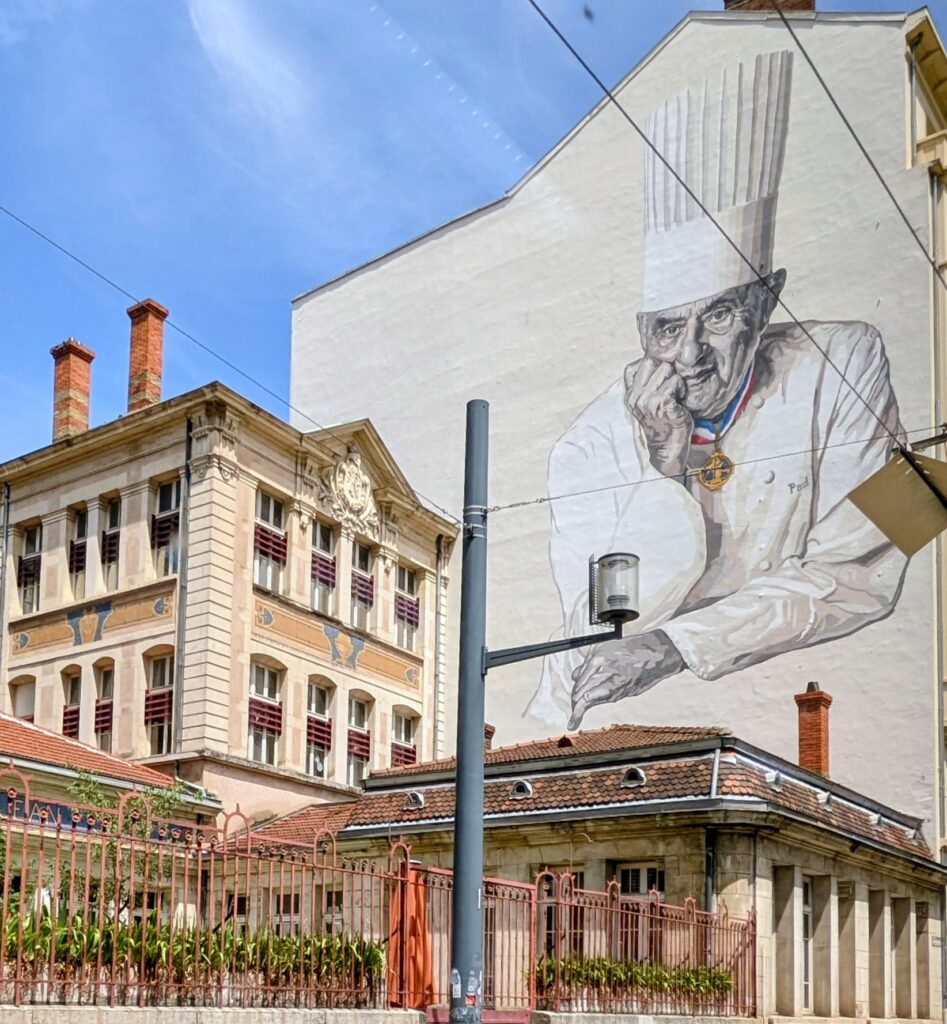
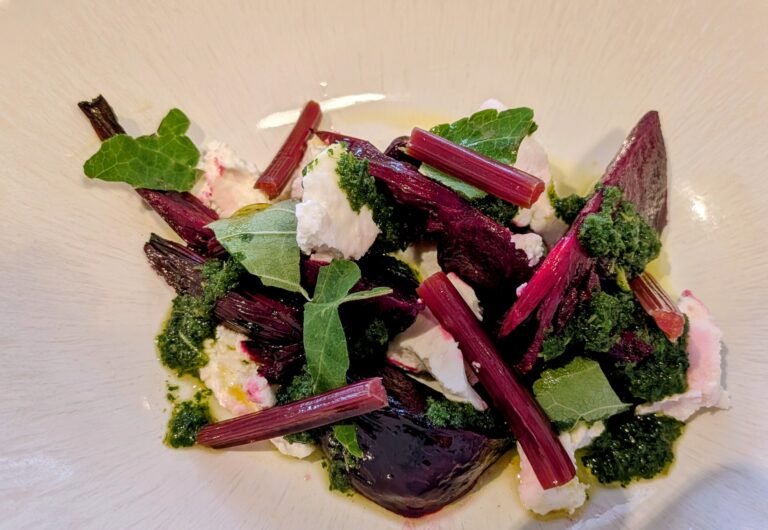
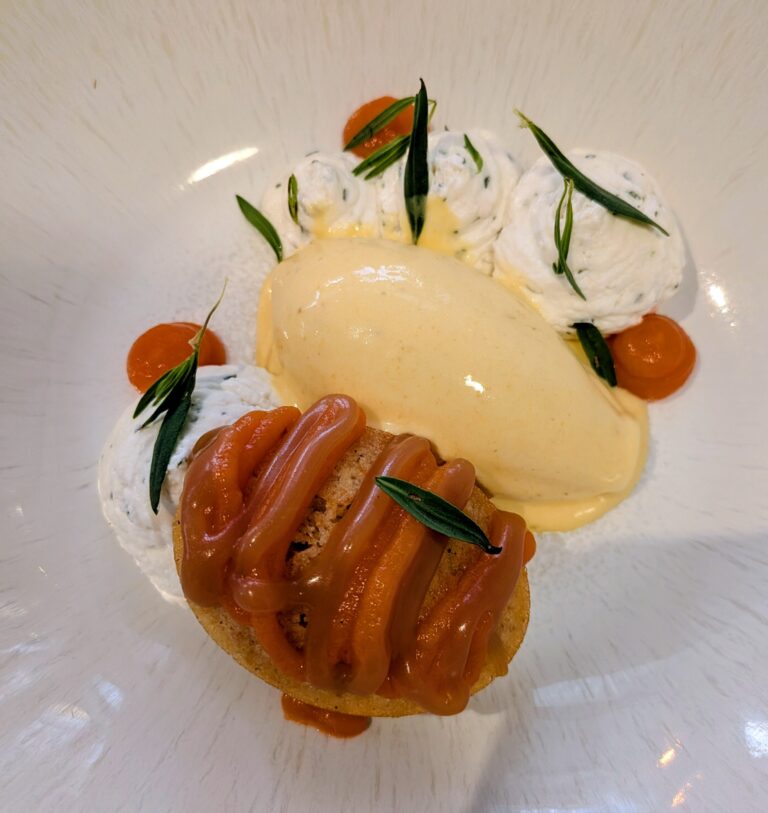
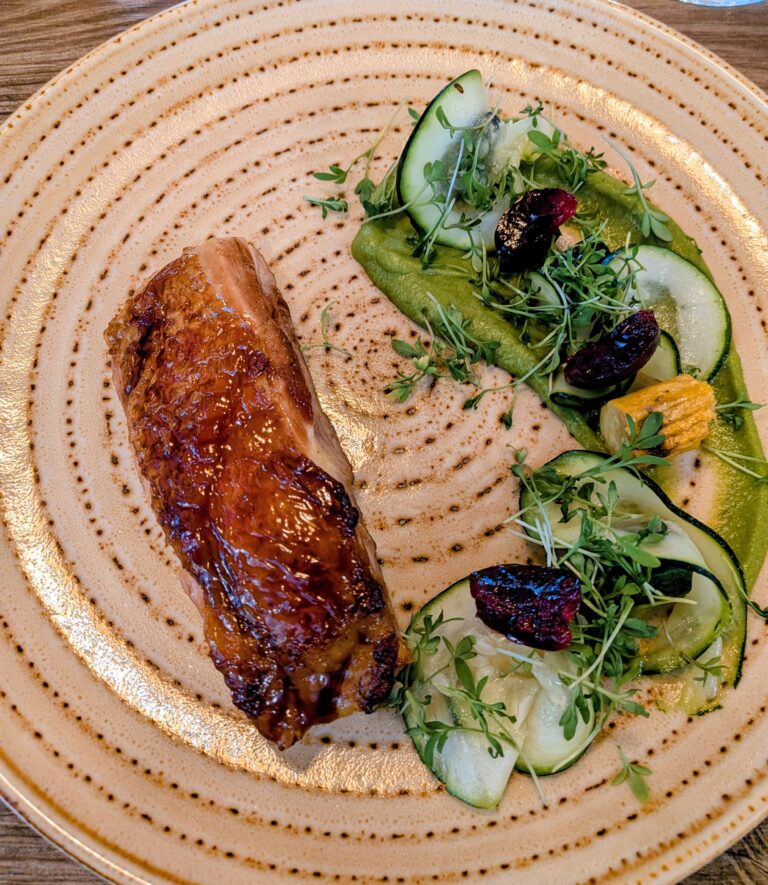
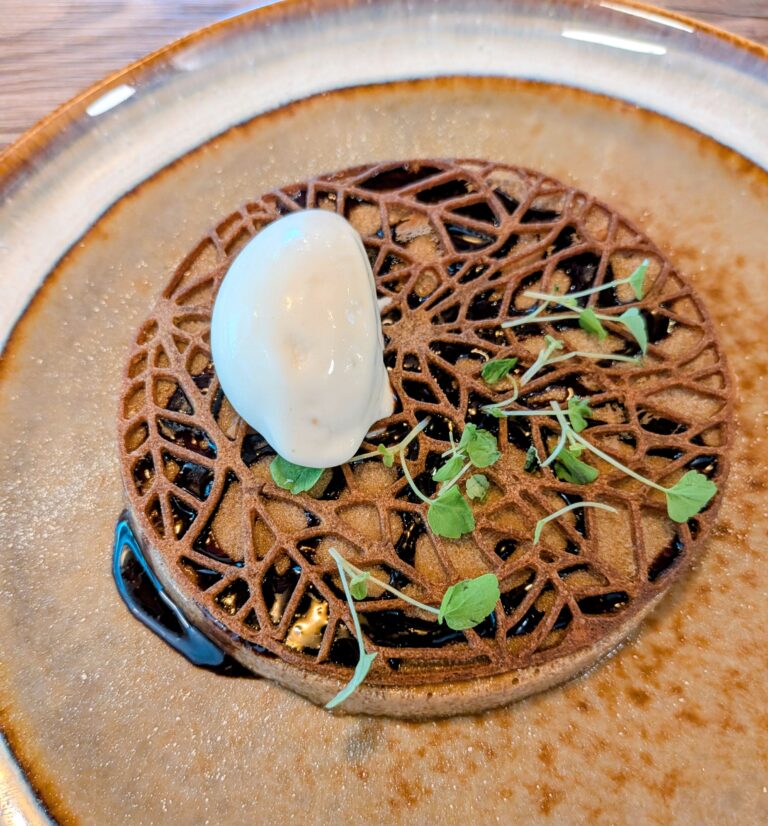
Lyon is, by general consensus, the gastronomic capital of France — which is saying something. This is the region that produced Paul Bocuse, whose influence on French cuisine is so fundamental that it is difficult to overstate. The city is full of Michelin-recognized restaurants serving creative contemporary French cuisine, but equally celebrated are its bouchons — traditional Lyonnaise restaurants serving the hearty, unfussy, deeply satisfying food of the region.
I fell into a rhythm quickly: a long three-course prix fixe lunch with a glass of wine, eaten slowly and with full attention, followed by a light snack in the evening or nothing at all. The French midday meal is a serious institution and I leaned into it completely. Yes, there were afternoon food comas. That is simply the cost of doing things properly.
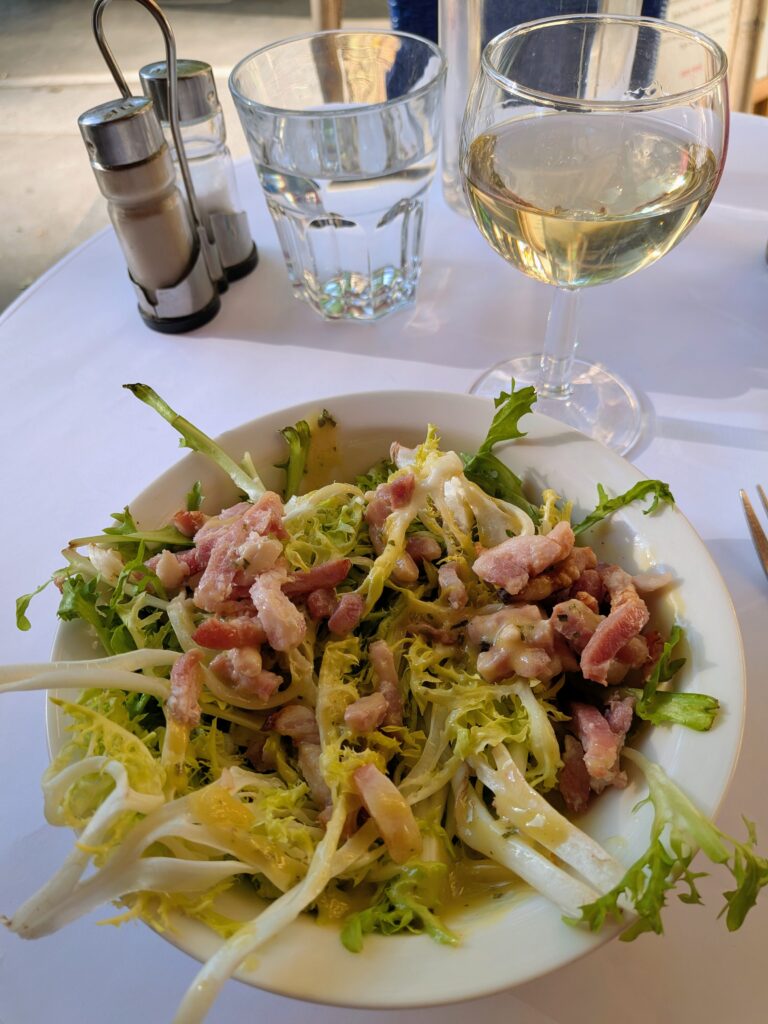
The Lyonnaise salad alone became a revelation — lardons, a poached egg, frisée, sharp vinaigrette, simple and delicious. I had it multiple times.
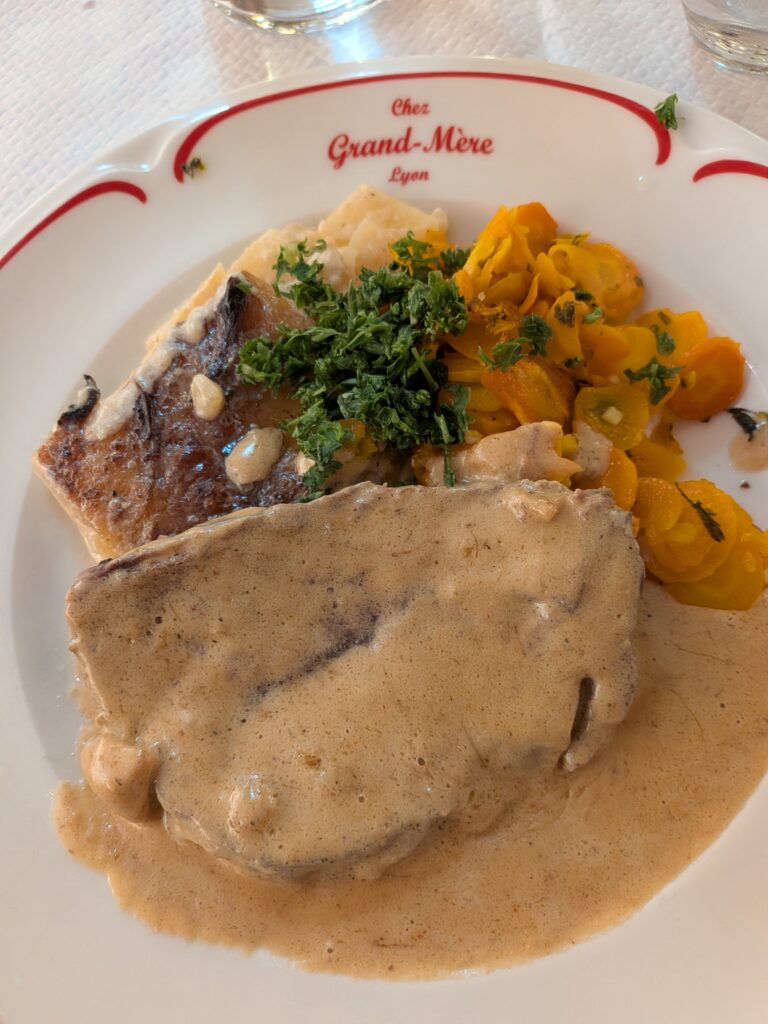
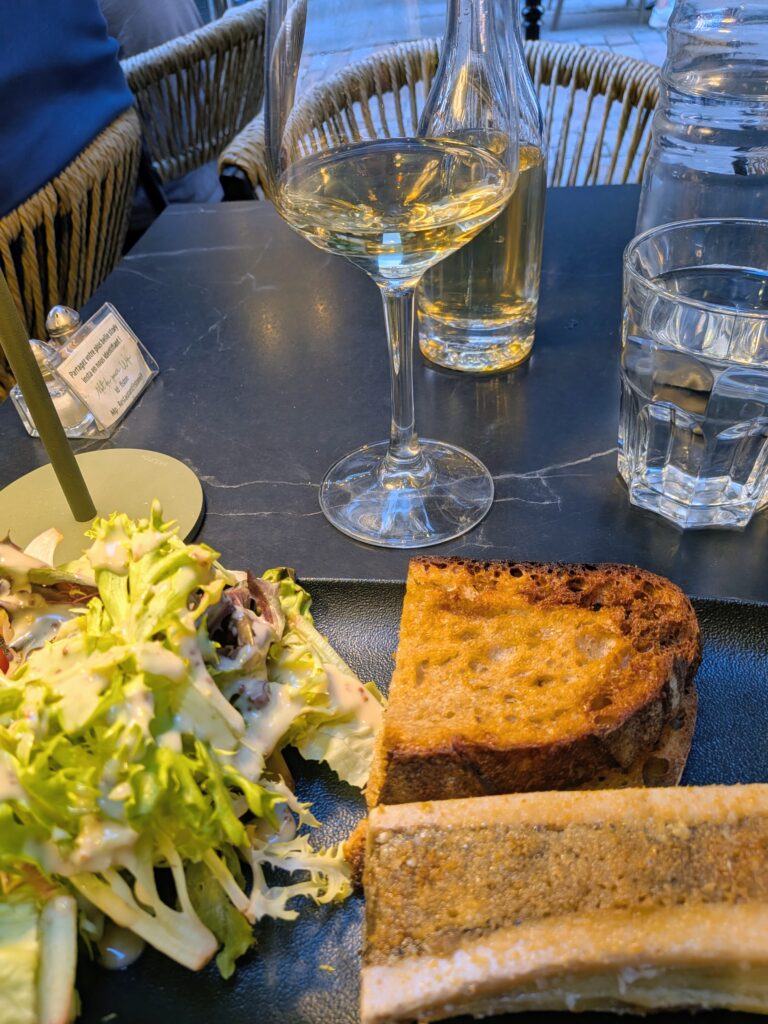
Among the highlights: Chez Grand-Mère for classic bouchon cooking done with genuine warmth. Le Cochon Qui Boit, lively and delicious. Fiston for bone marrow that was everything bone marrow should be. And Agastache, where I had a garlic crème brûlée — savory, silky, unexpected. Most of these prix fixe lunches came in around 25 euros for three courses- an incredible value.
Jazz, Street Art, and a Park with Free Giraffes
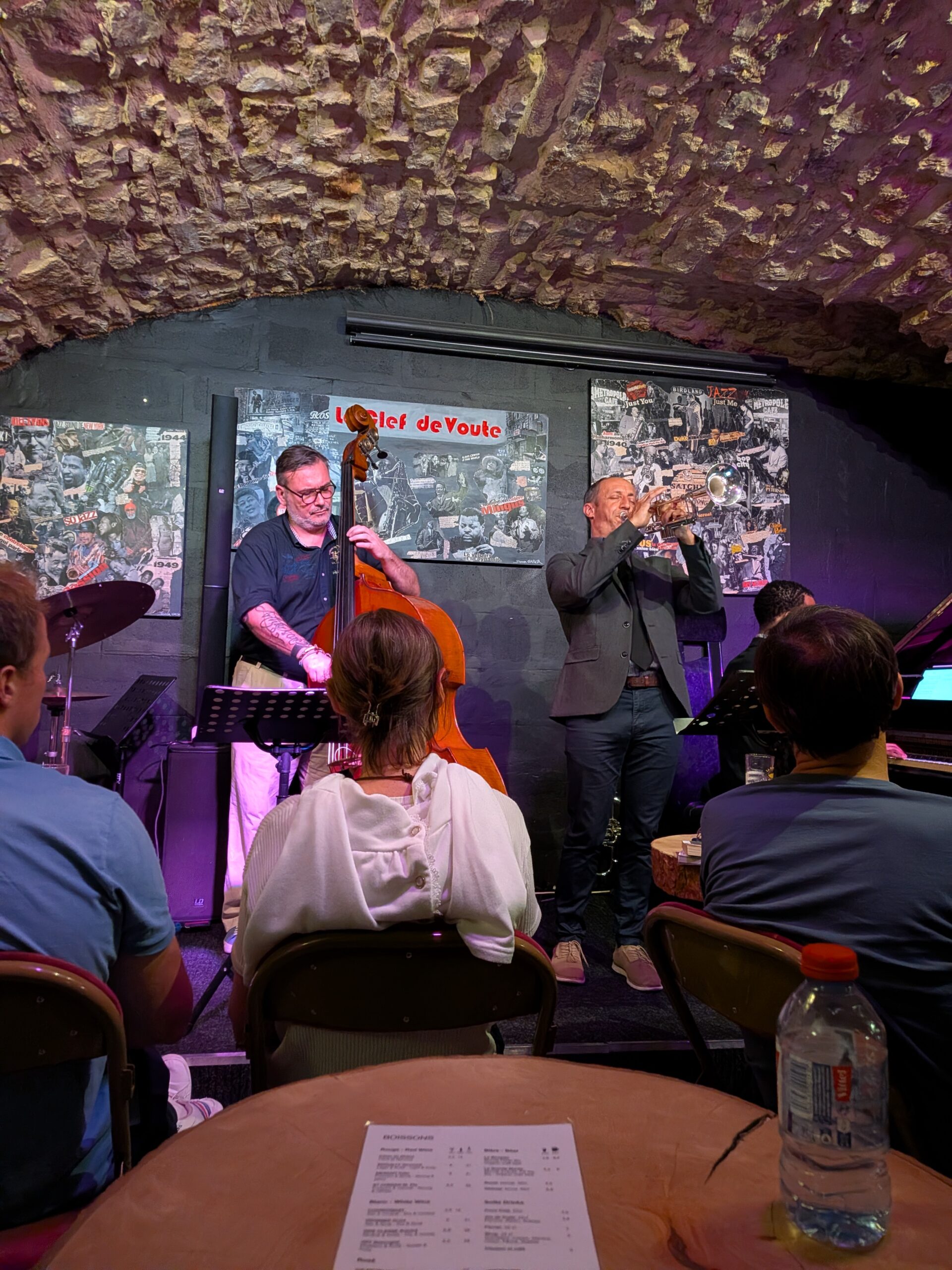
Lyon’s jazz scene was a constant pleasant surprise. La Clef de Voûte and Les Grandes Voûtes both had free performances almost every night.
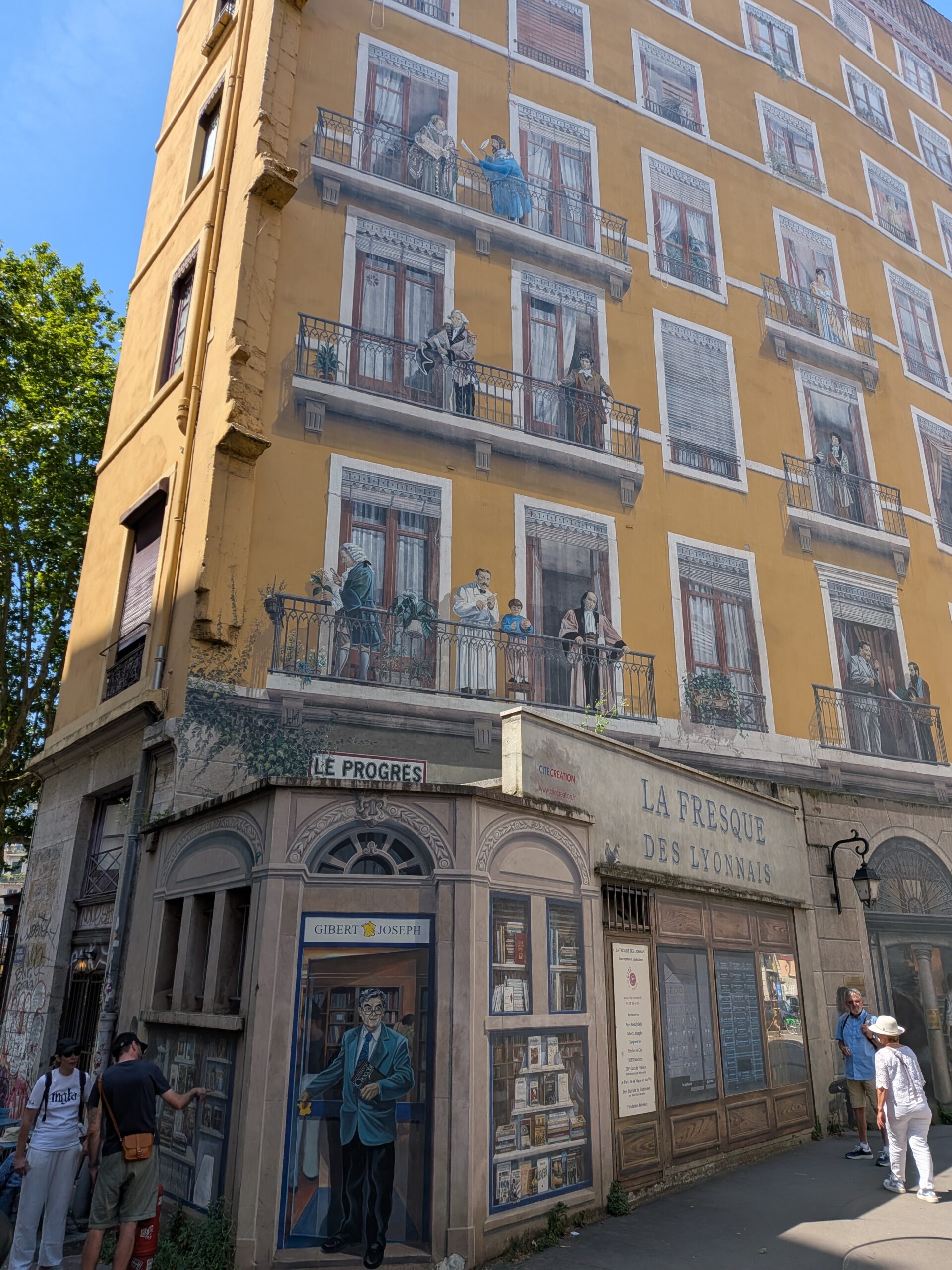
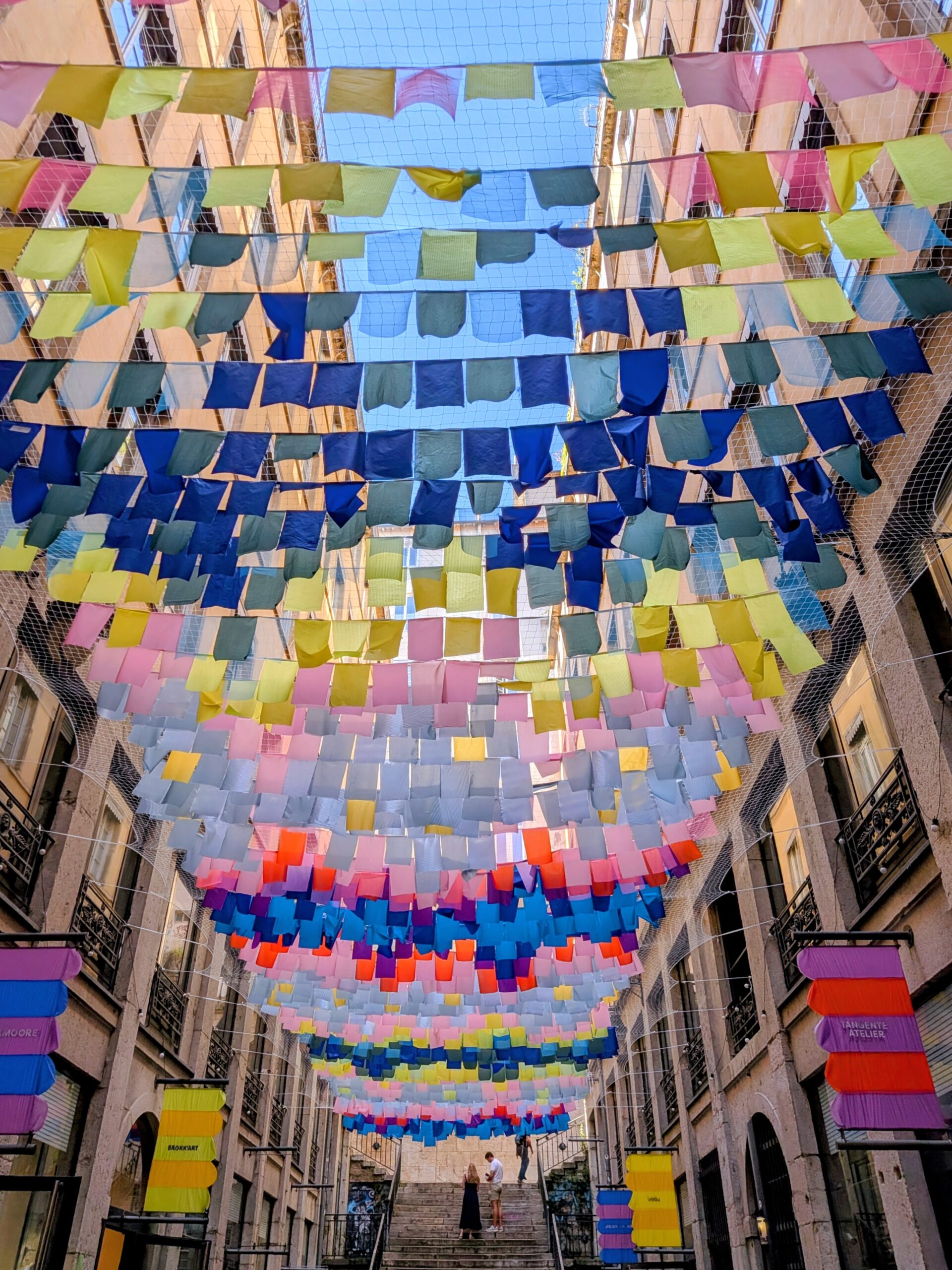
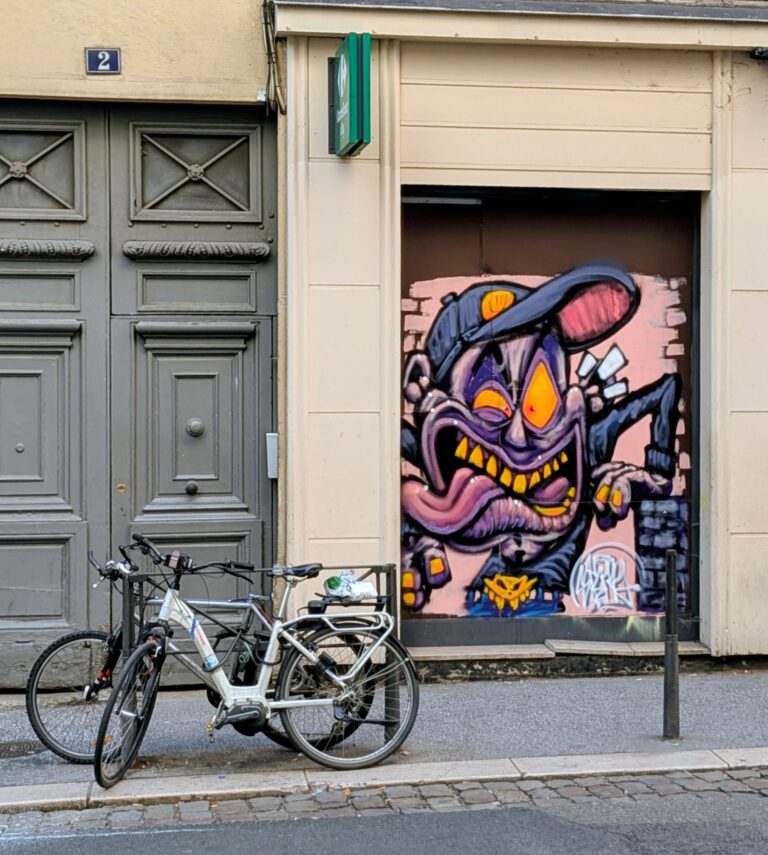
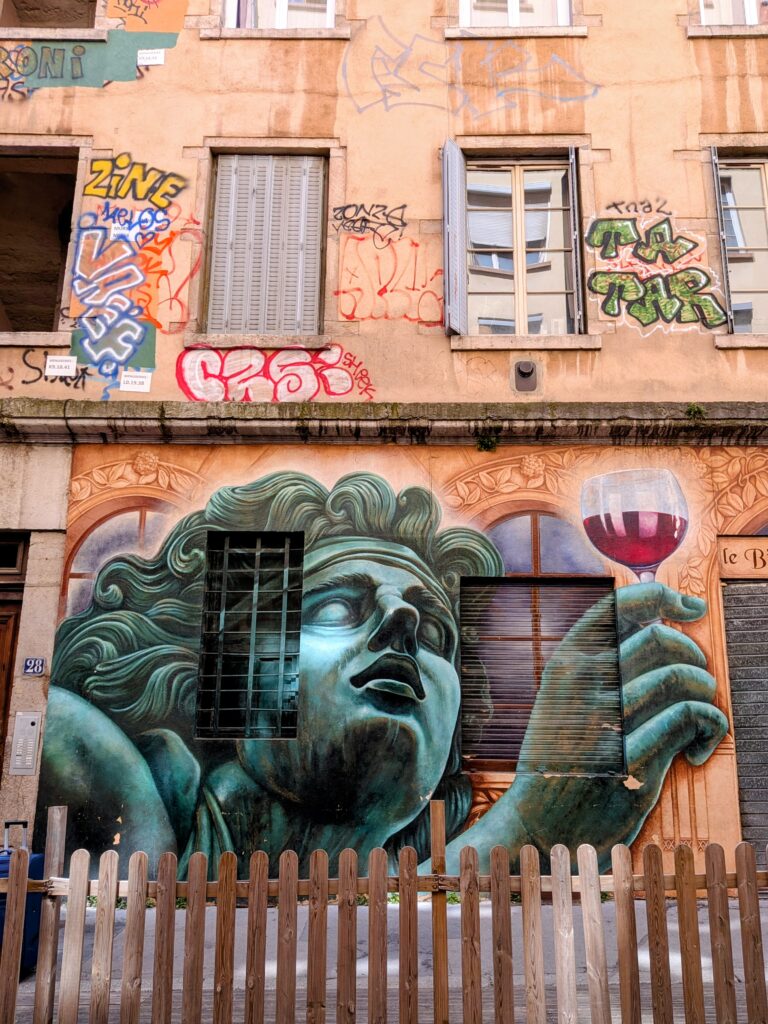
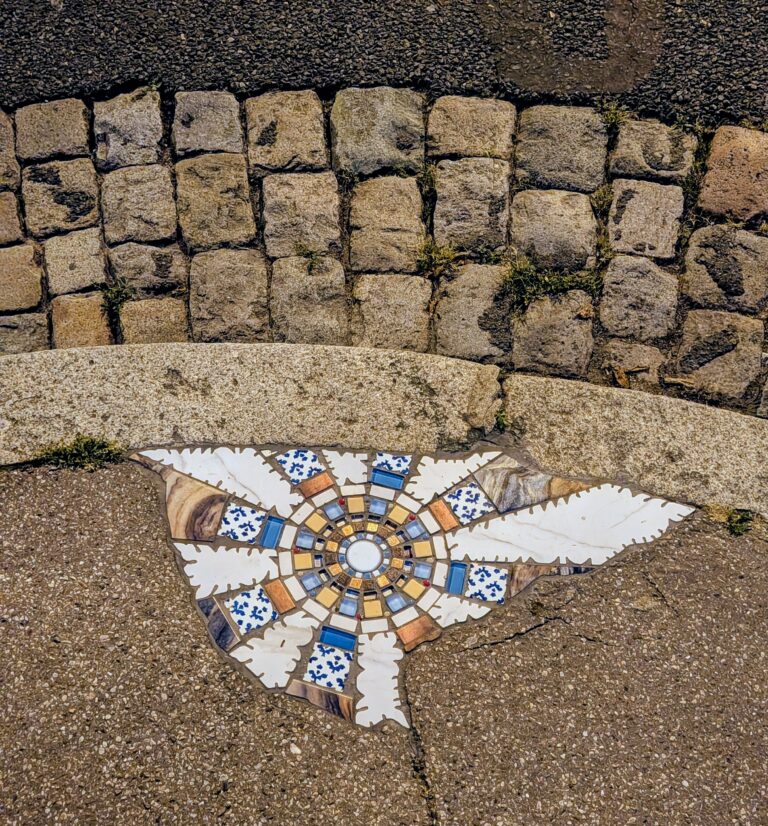
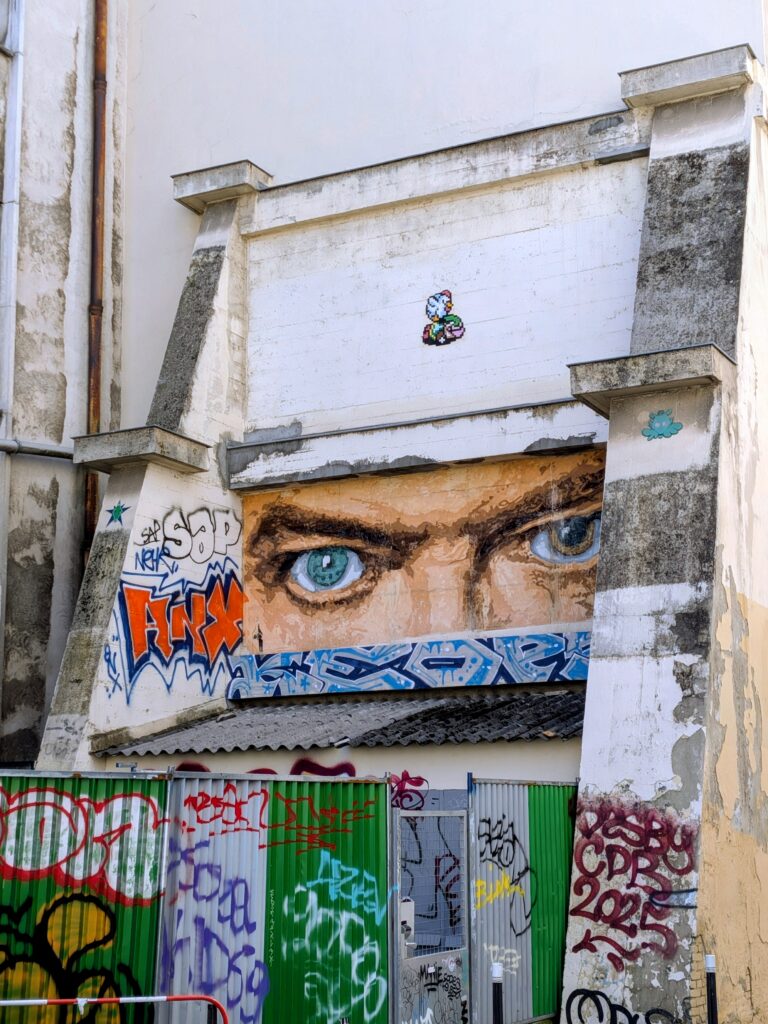
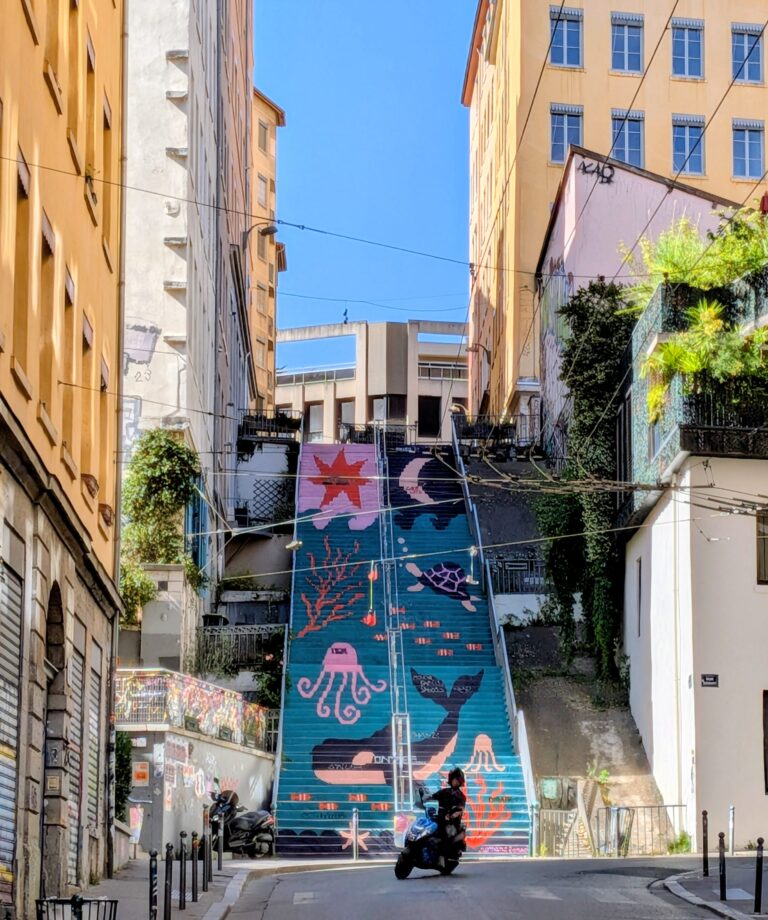
The city is covered in street art, and a free walking tour introduced me to several of the artists behind it. The one that stayed with me was an artist whose medium is cracked sidewalks — finding the breaks in the pavement and filling them with tiny mosaic creations, turning damage into something beautiful.
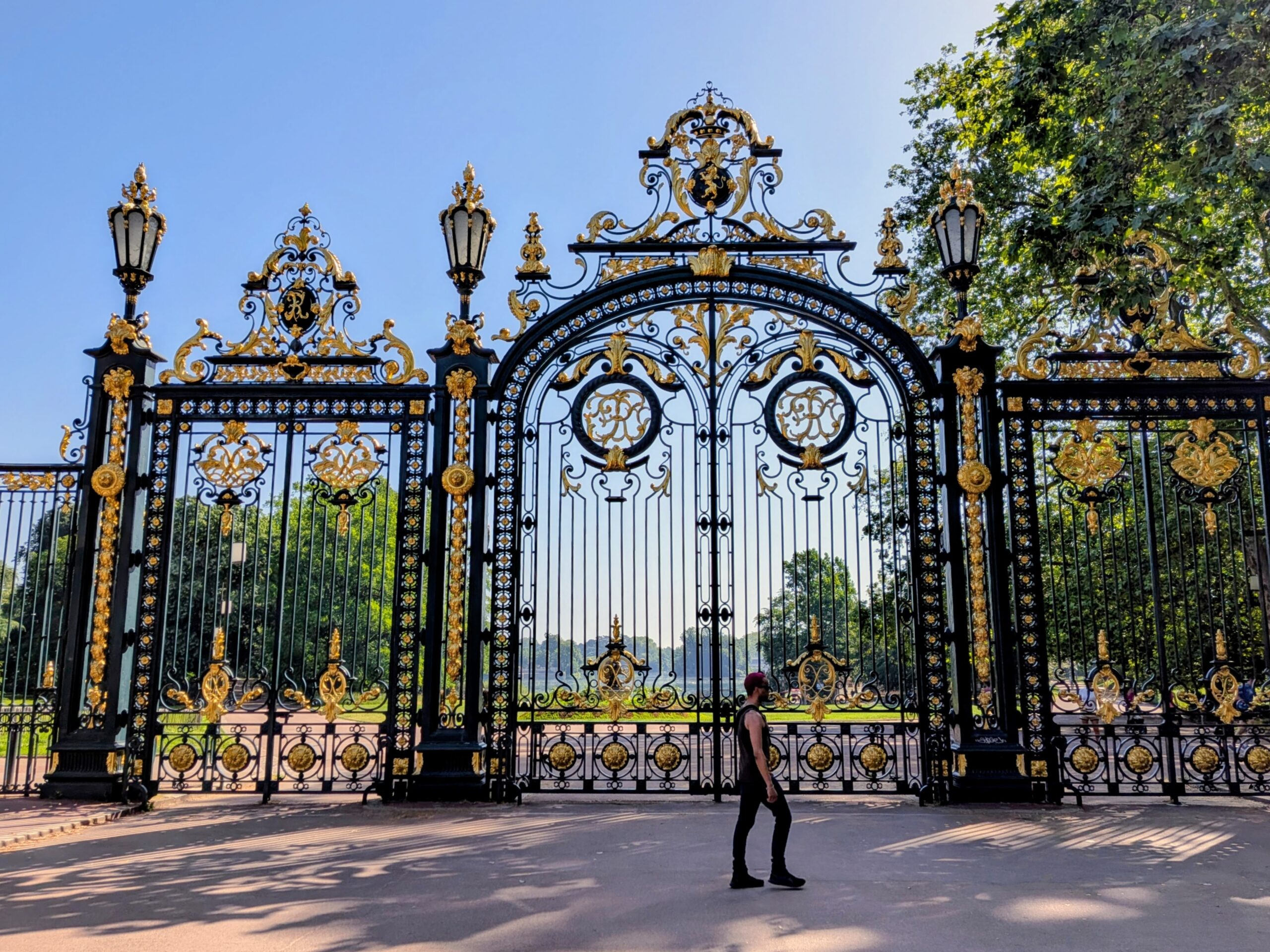
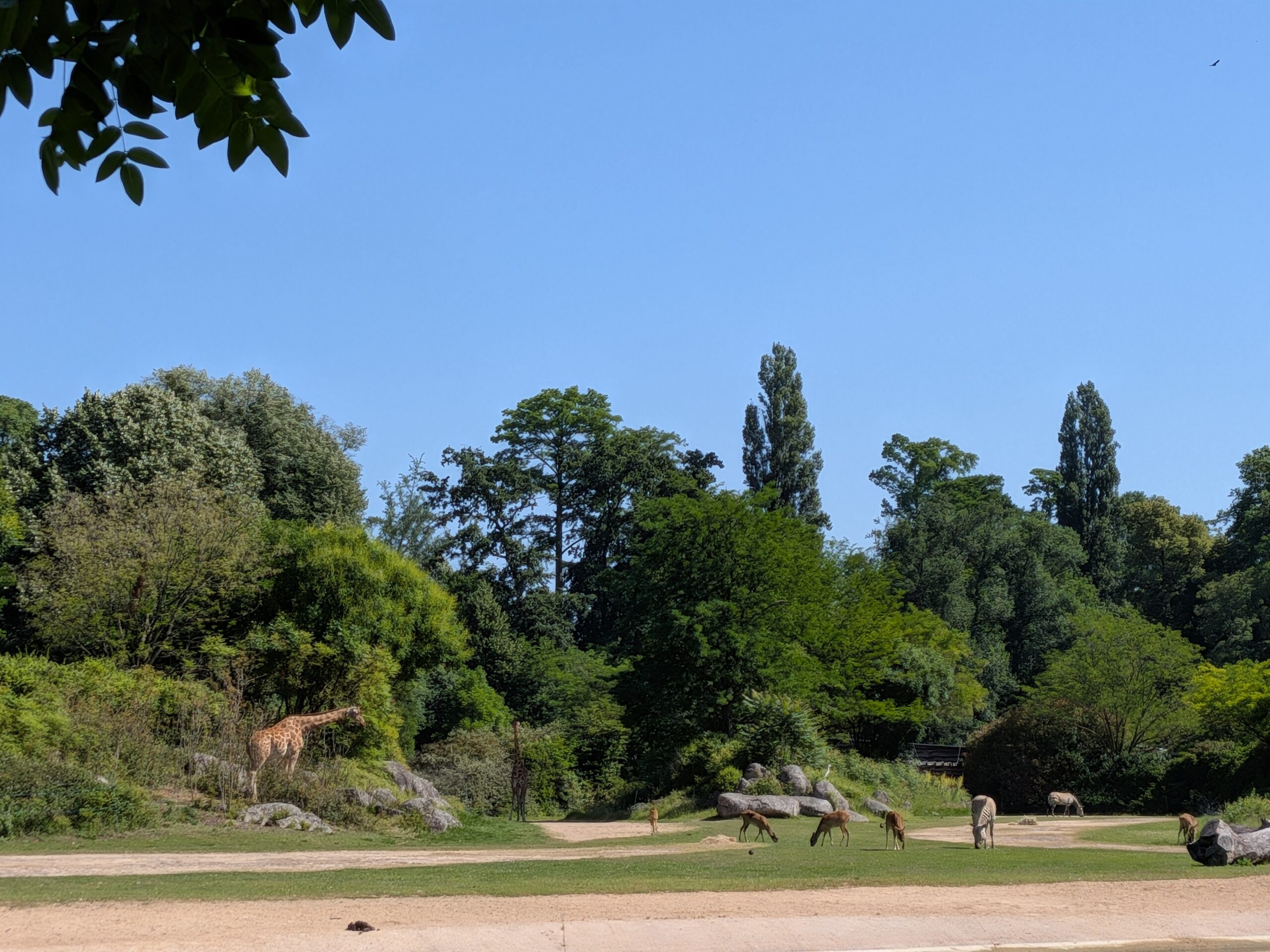
One afternoon I wandered through Parc de la Tête d’Or — a vast, beautiful park with botanical gardens, a lake, and a free zoo that includes giraffes roaming in a genuinely large expanse of land.
The Wine Country Day Tour
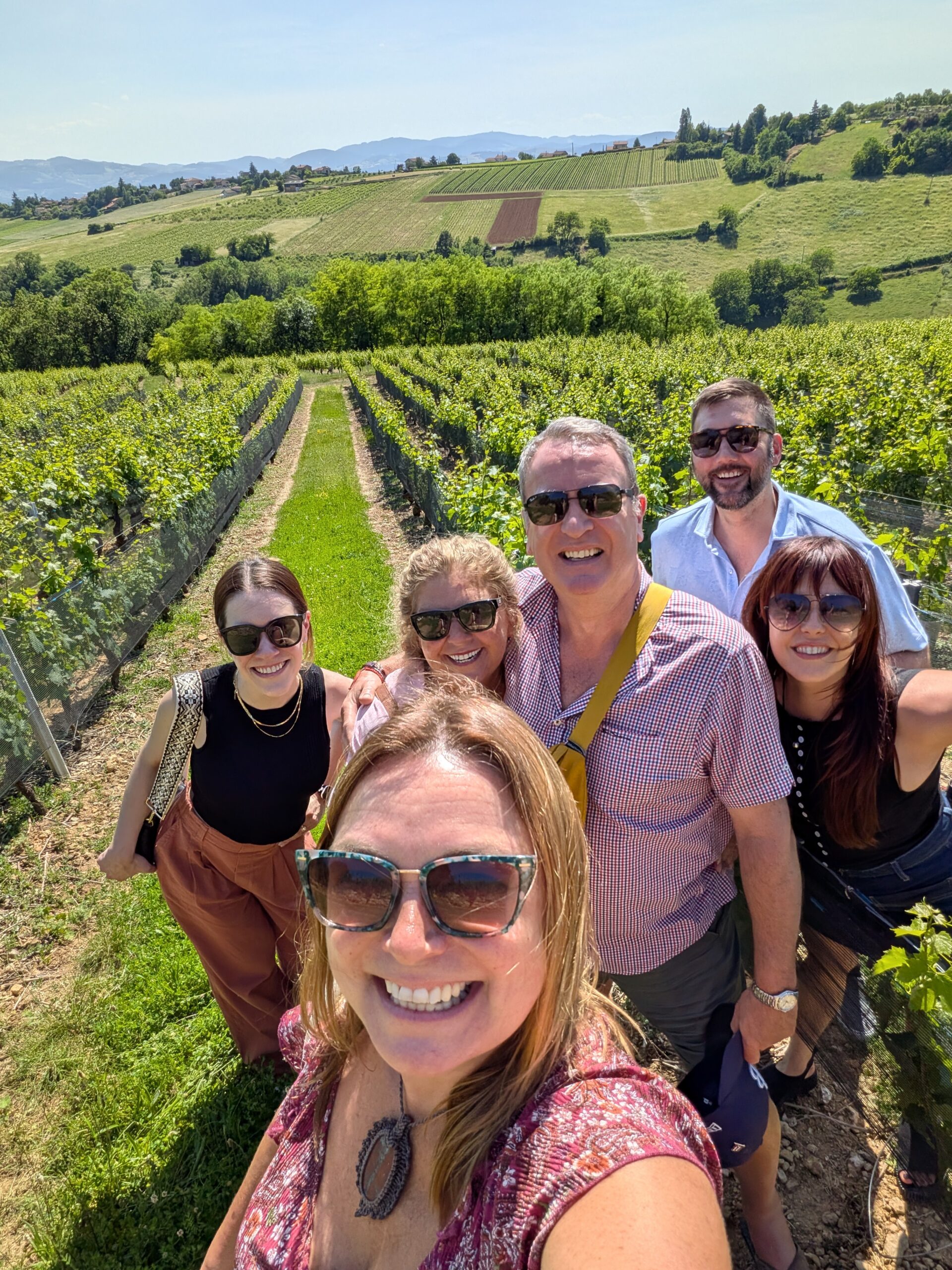
Being in the region that produces Beaujolais, a wine day was non-negotiable. I booked with Kanpai Tours and ended up with a group of six other travelers who were genuinely good company — one of those happy accidents that makes a tour significantly better than it would otherwise be.
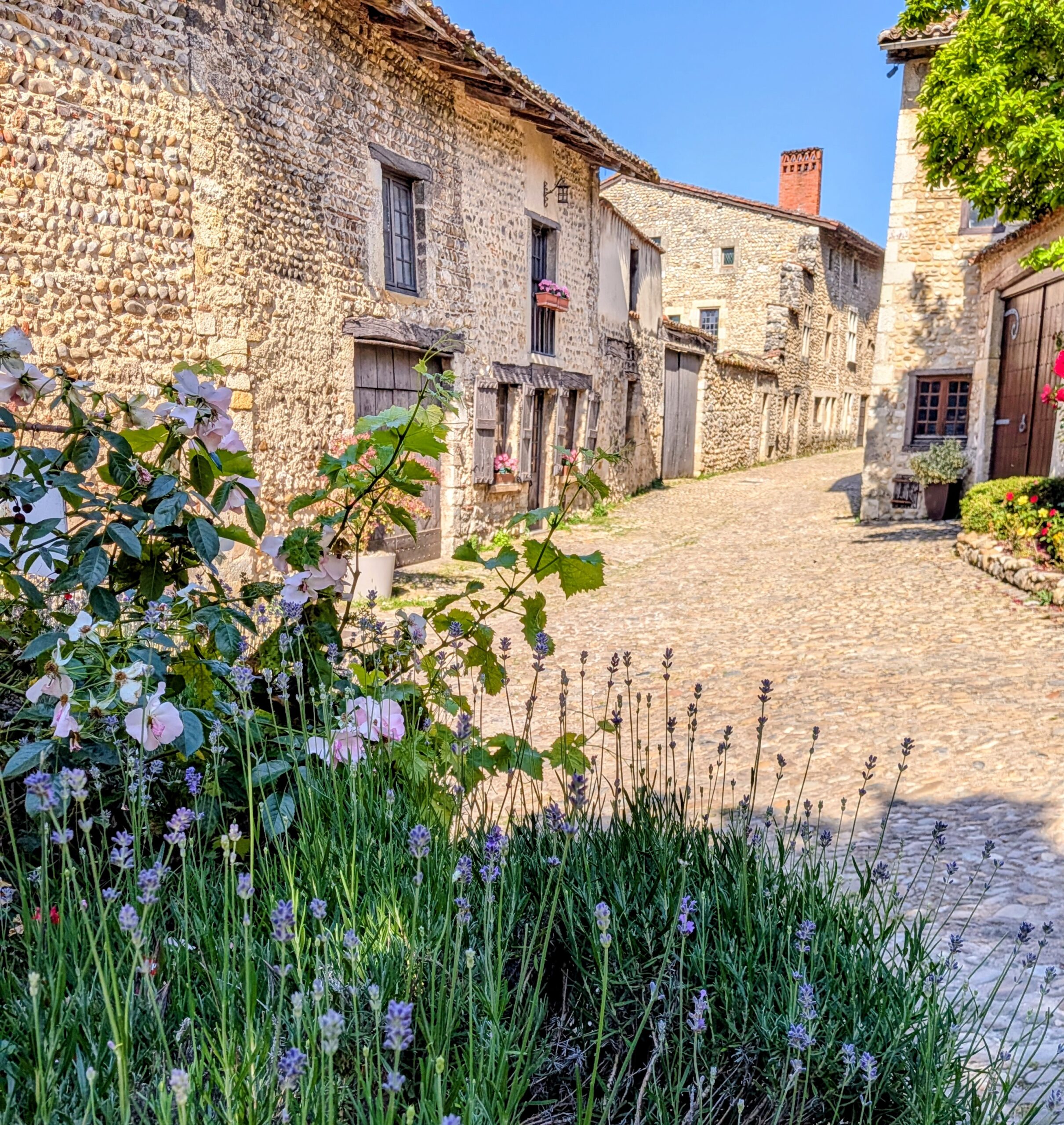
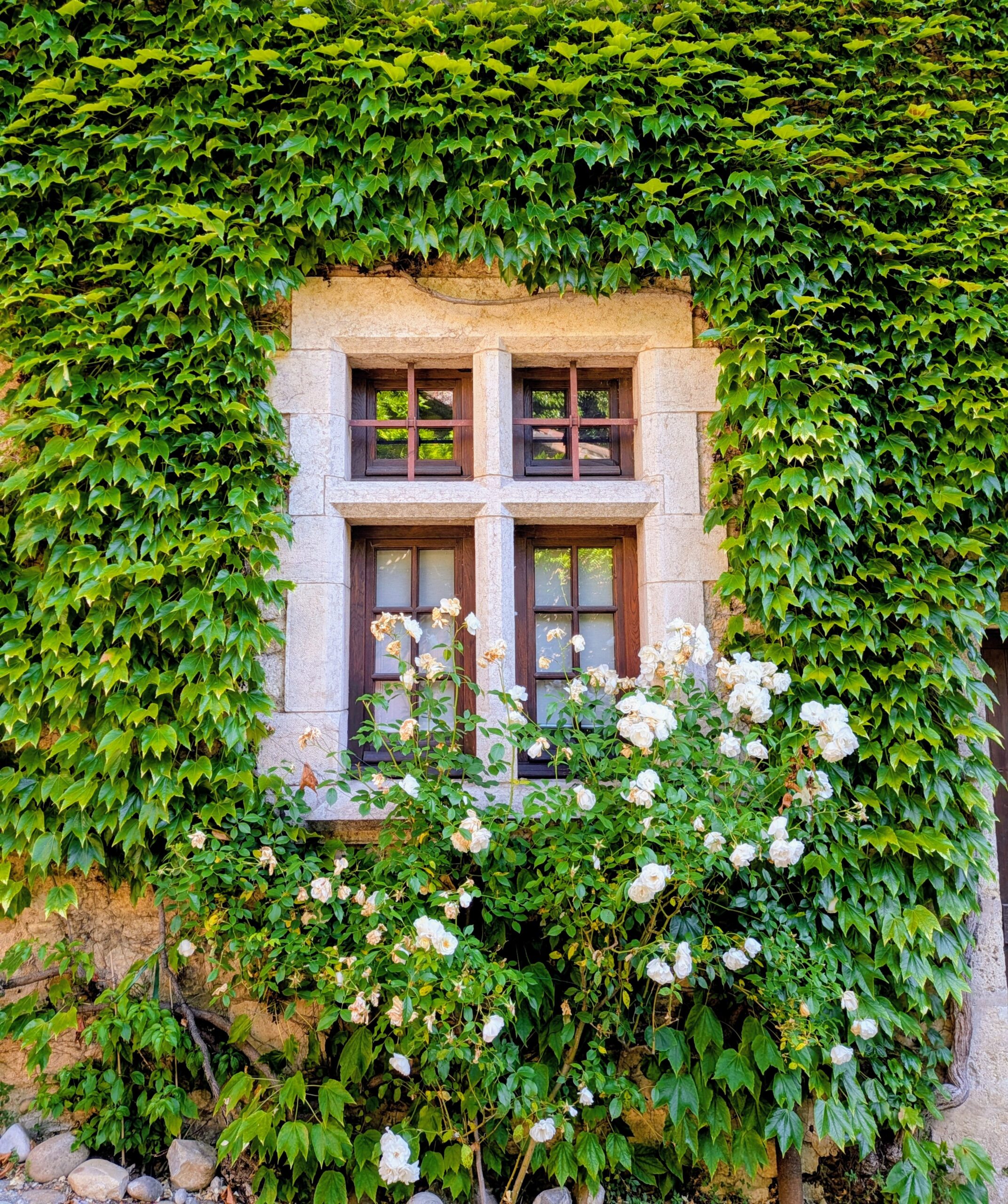
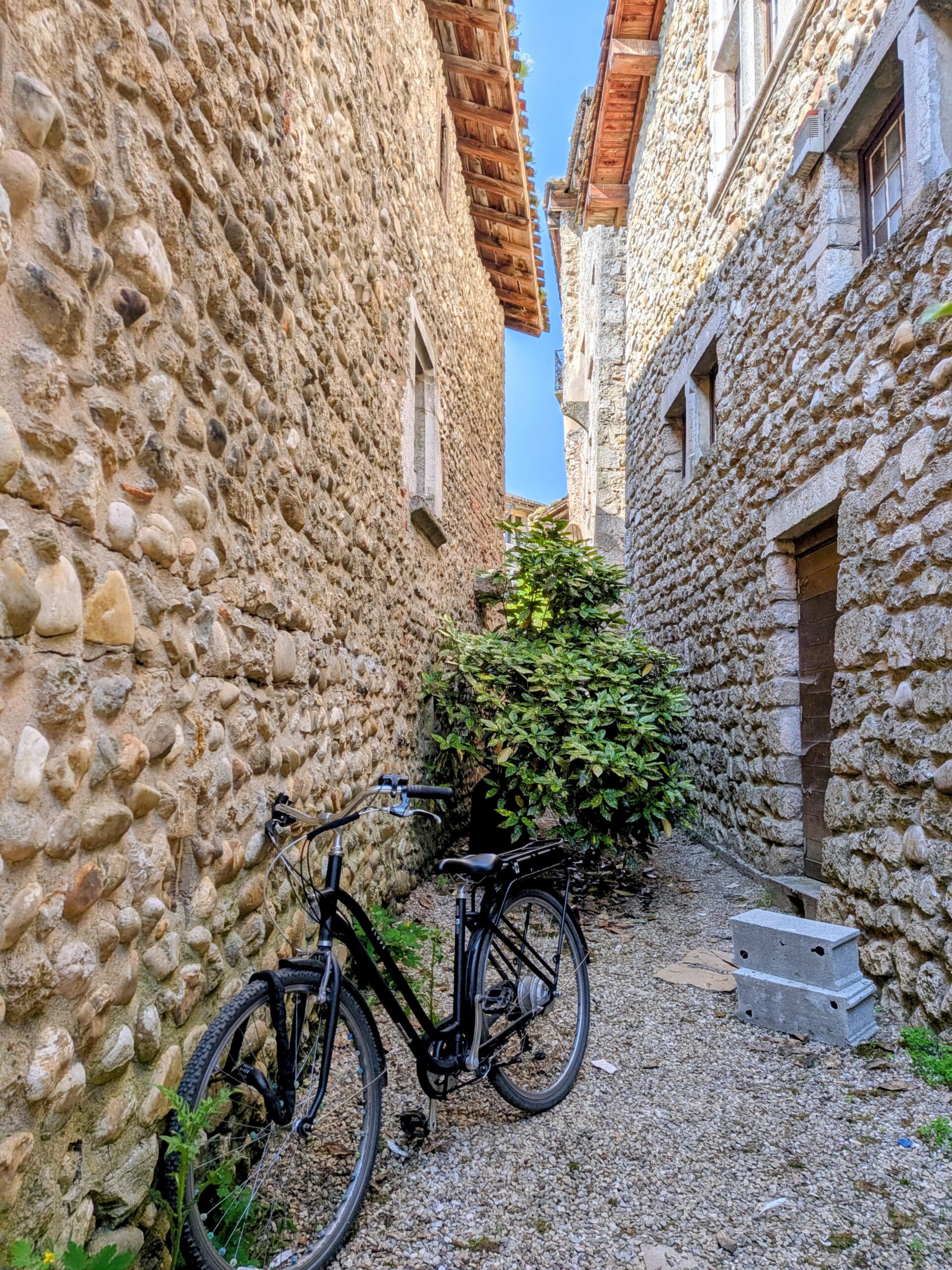
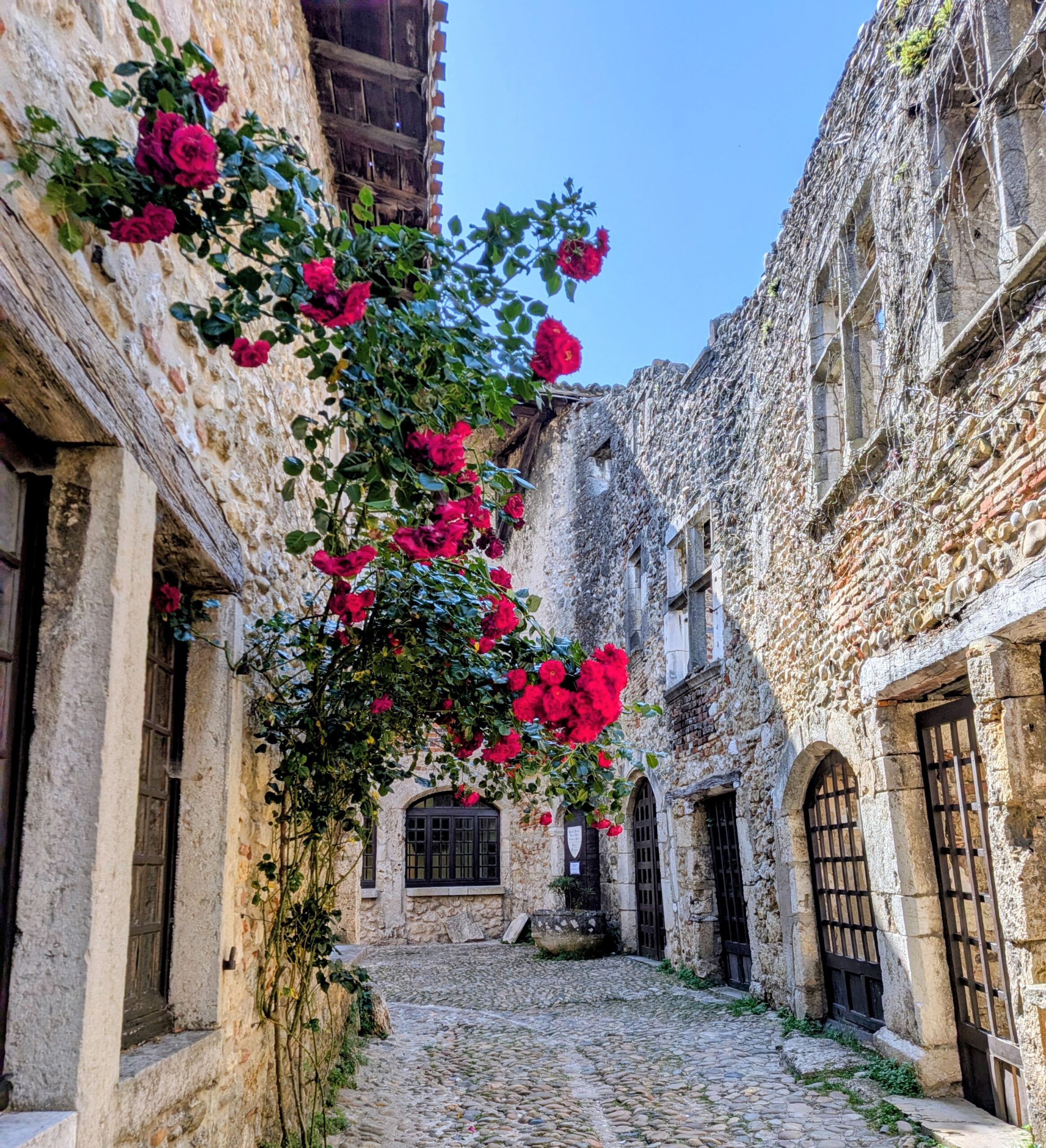
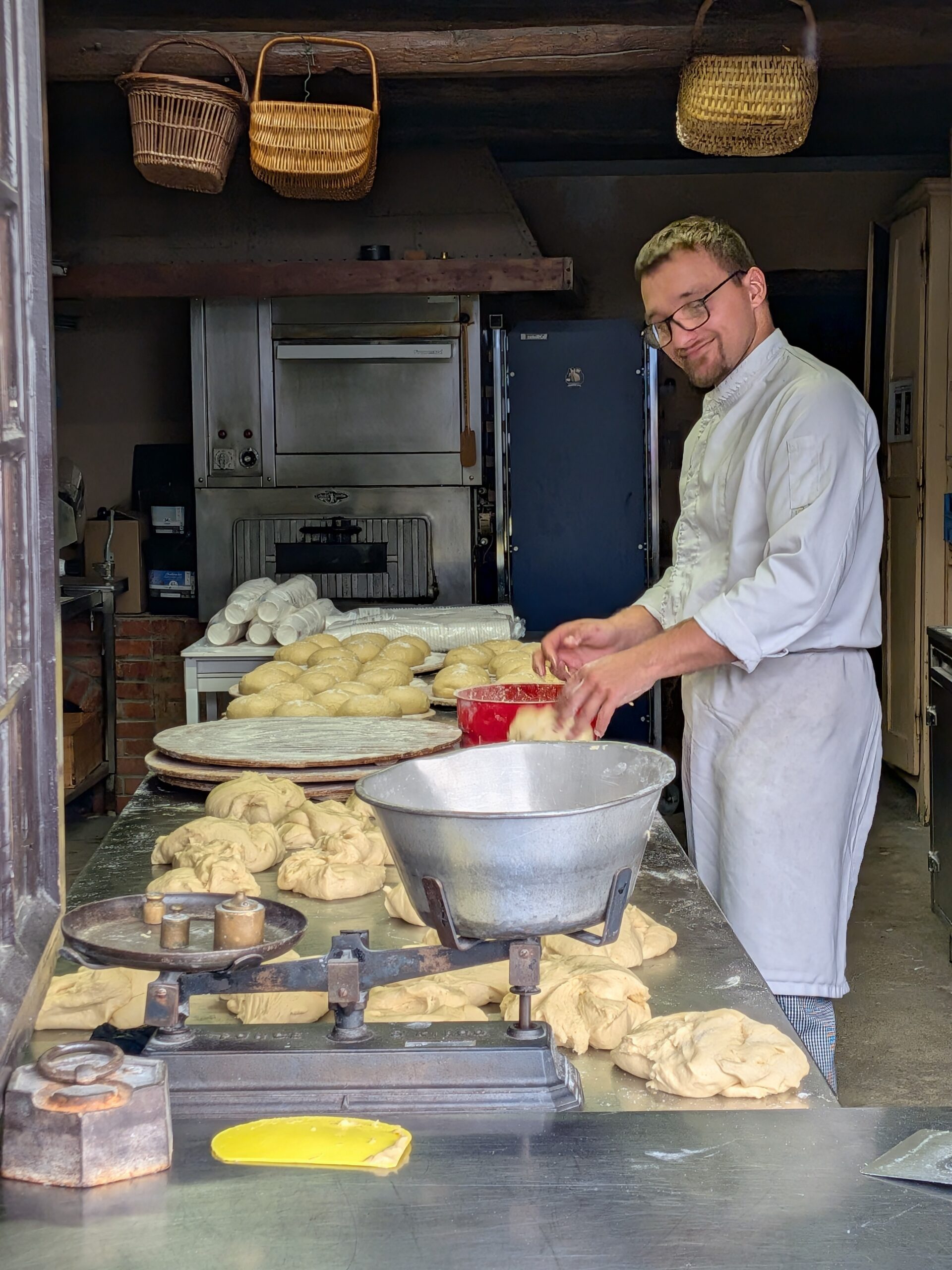
We started in Pérouges, a medieval walled village that was nearly abandoned and demolished in the early 20th century before a group of wealthy Lyonnais stepped in to restore it. Walking its cobblestone streets between houses dating from the 13th to 16th centuries, certainly feels like stepping back in time. We stopped for coffee and a slice of galette — the local specialty, a flat buttery pastry — on the main square.
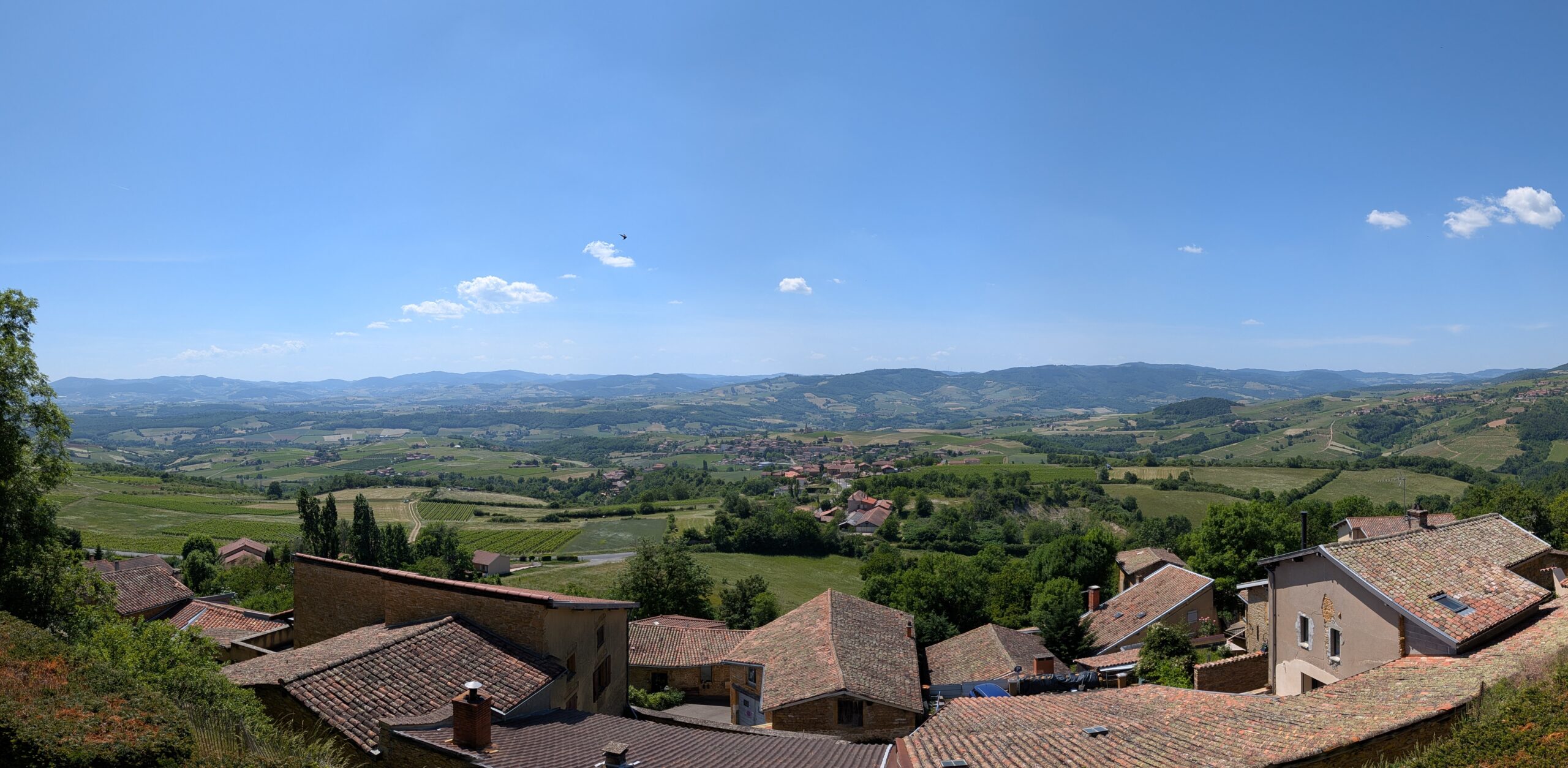
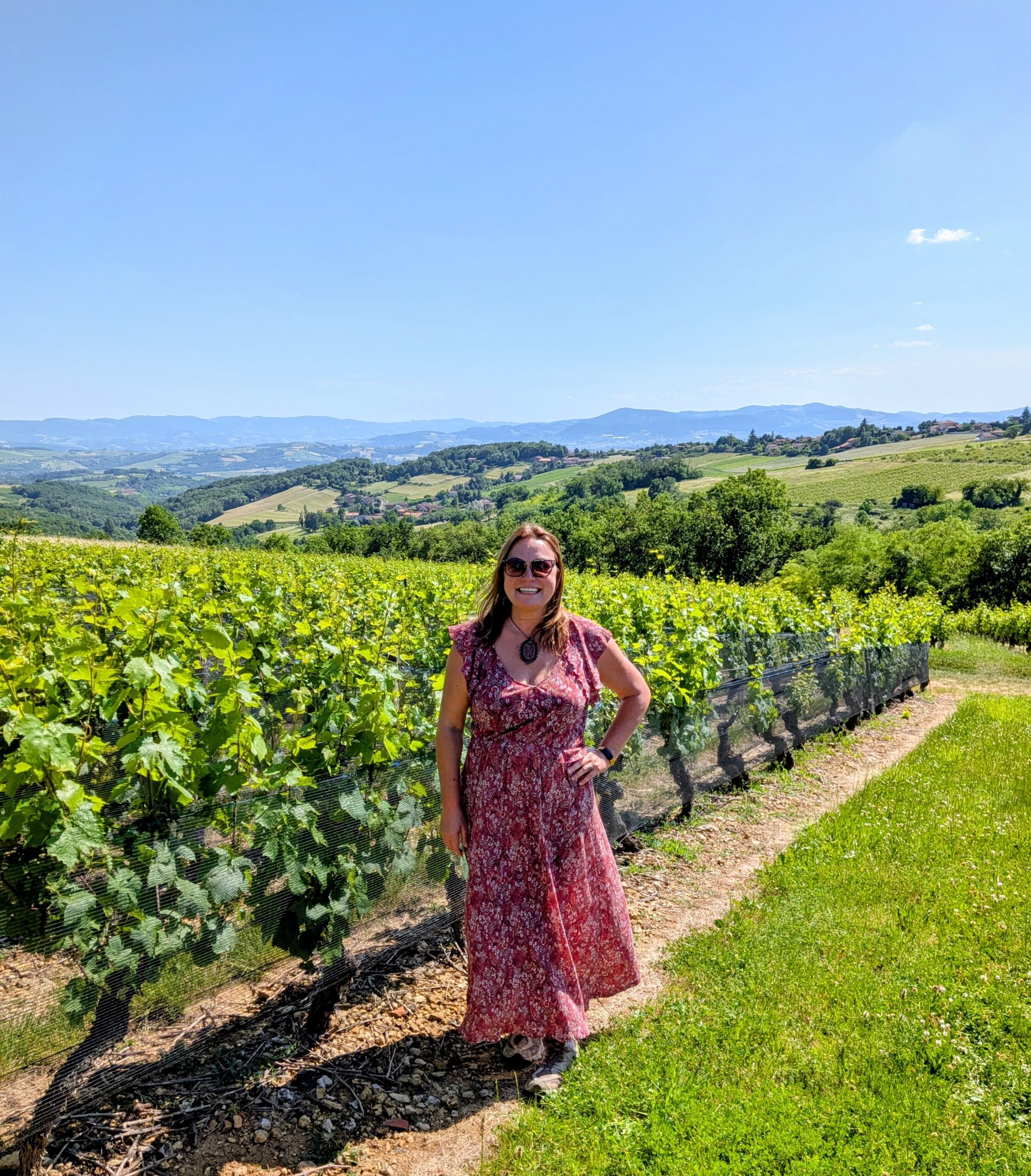
From there we drove through the La Dombes region to Beaujolais country, stopping first at a winery for sparkling wines that were a lovely surprise, then at the village of Oingt — another beautifully preserved medieval town — and finally at a family-run winery, Domaine De Fond-vieille, where we met the winemaker and worked through five wines: a white Chardonnay, a rosé, and three red Gamay wines. A fantastic day all around.
Musée des Confluences
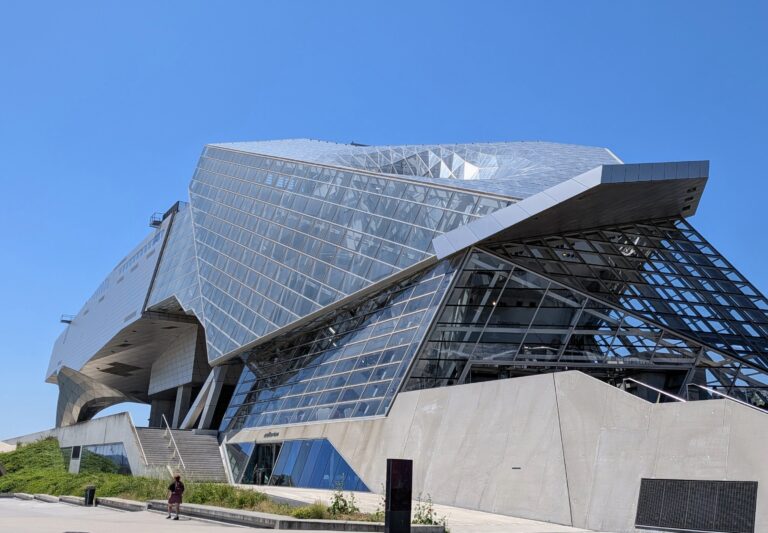
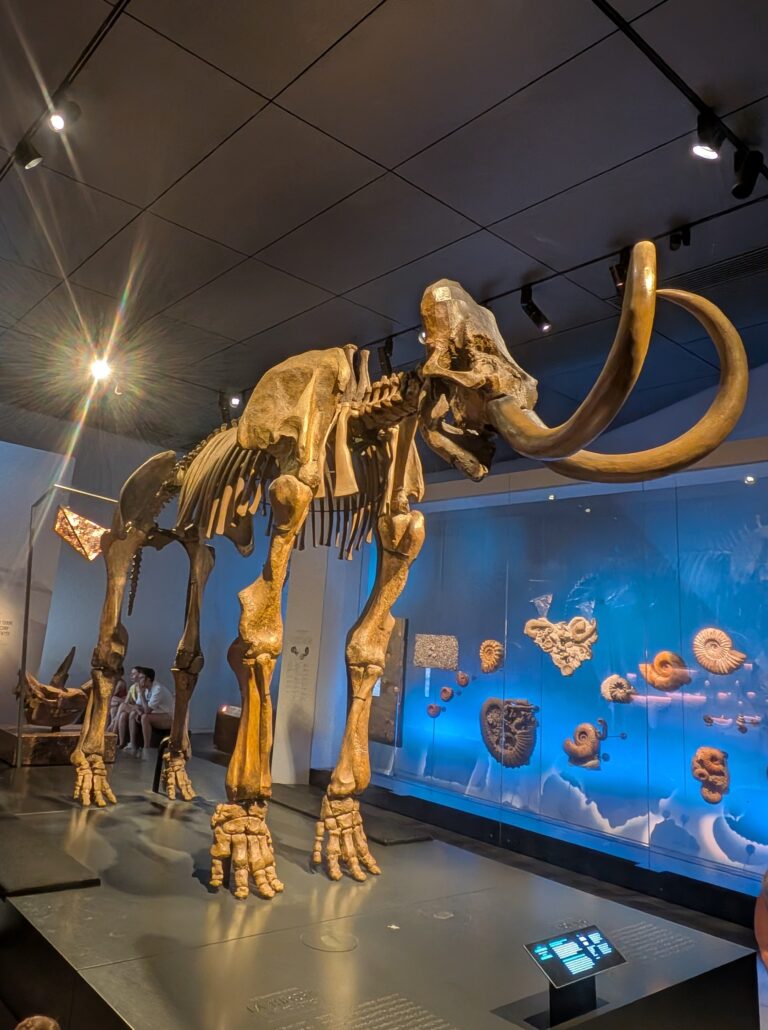
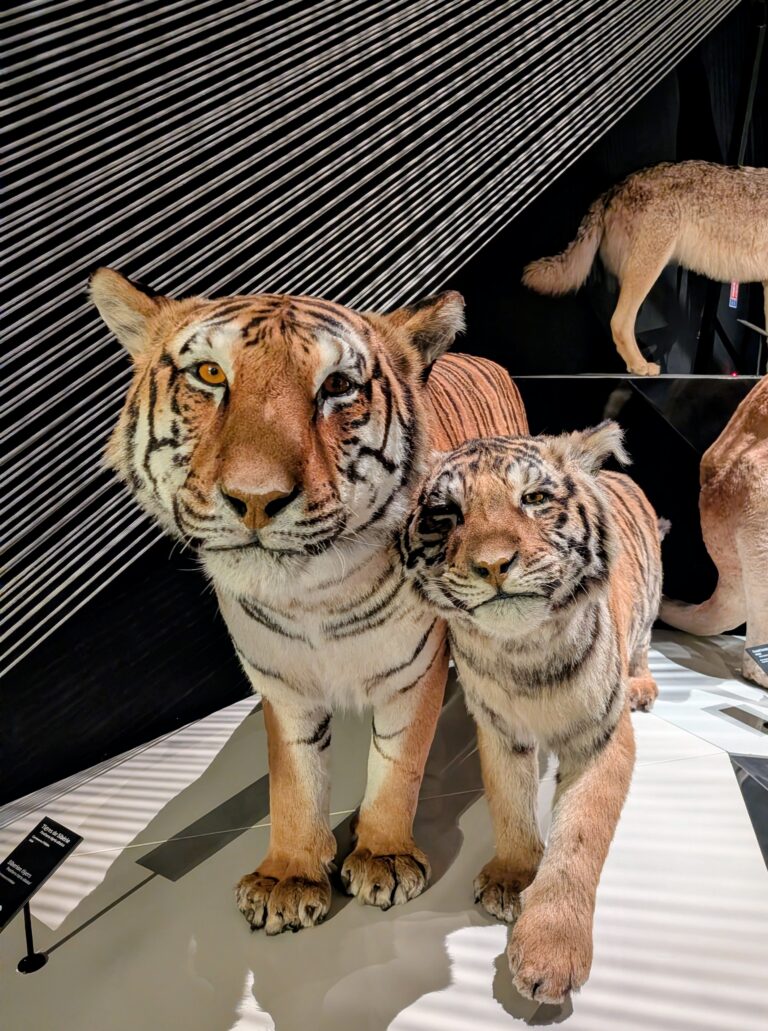
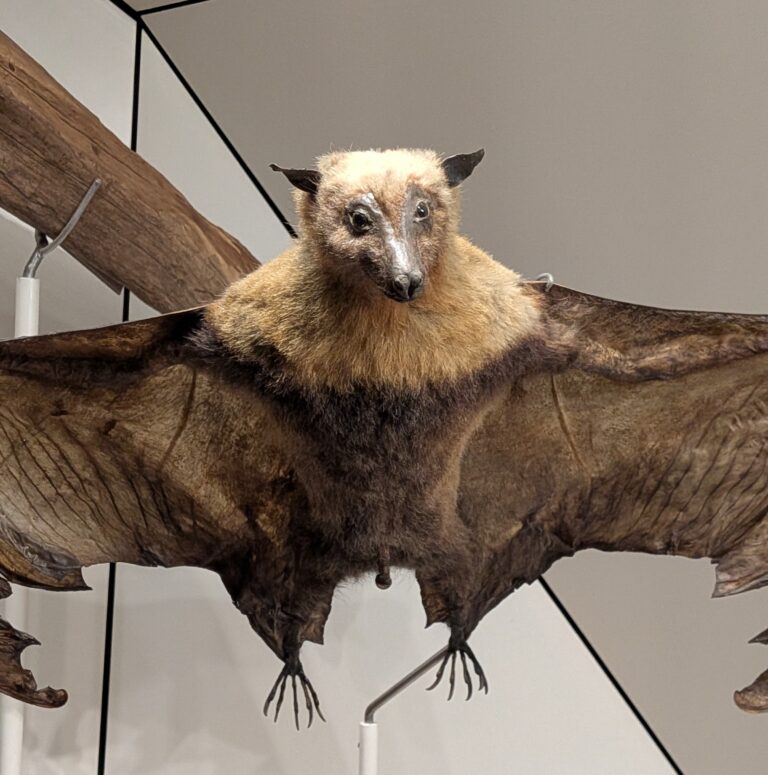
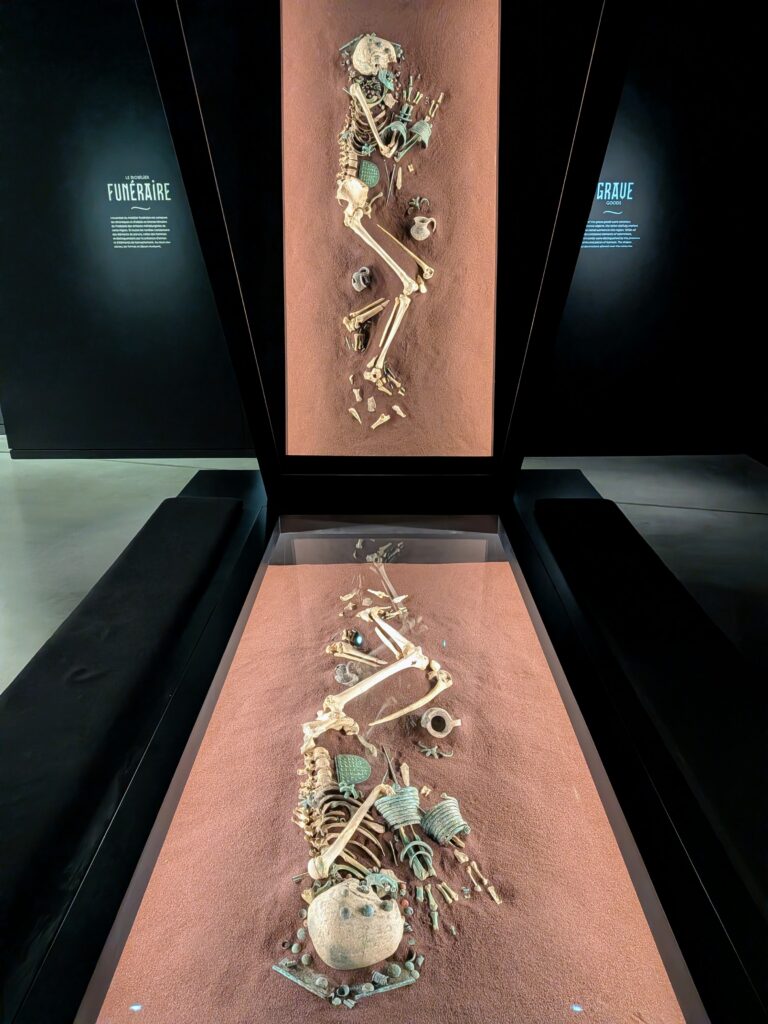
One of the best museums I’ve visited anywhere is the Musée des Confluences — a science and anthropology museum housed in a dramatically designed building almost resembling a spaceship at the confluence of the Rhône and Saône rivers. The permanent collection explores four themes — Origins, Species, Societies, and Eternities — and ranges from a mammoth skeleton to mummies to the evolution of human belief systems. It is interactive and thought-provoking.
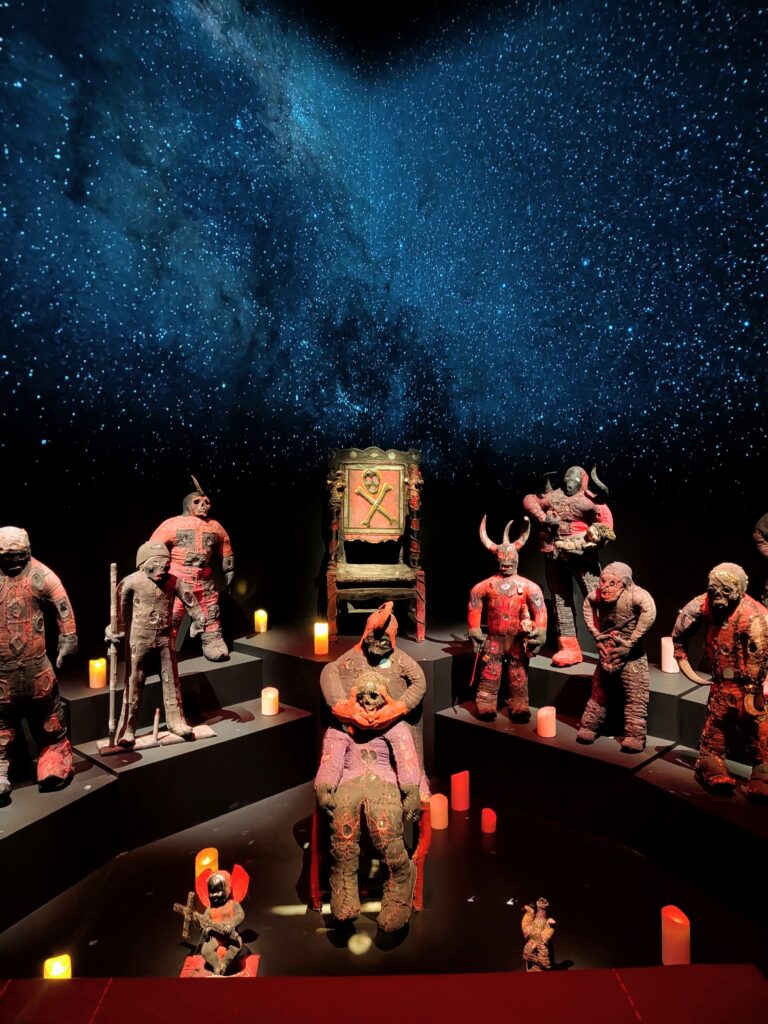
The temporary exhibition I found most extraordinary was an exploration of real zombie culture in Haiti — not the Hollywood version, but the actual sociological and spiritual practice that the word refers to in Haitian Vodoo tradition. Deeply fascinating and entirely unlike anything I expected to find.
The Last Evening: Funicular, Basilica, Roman Theater
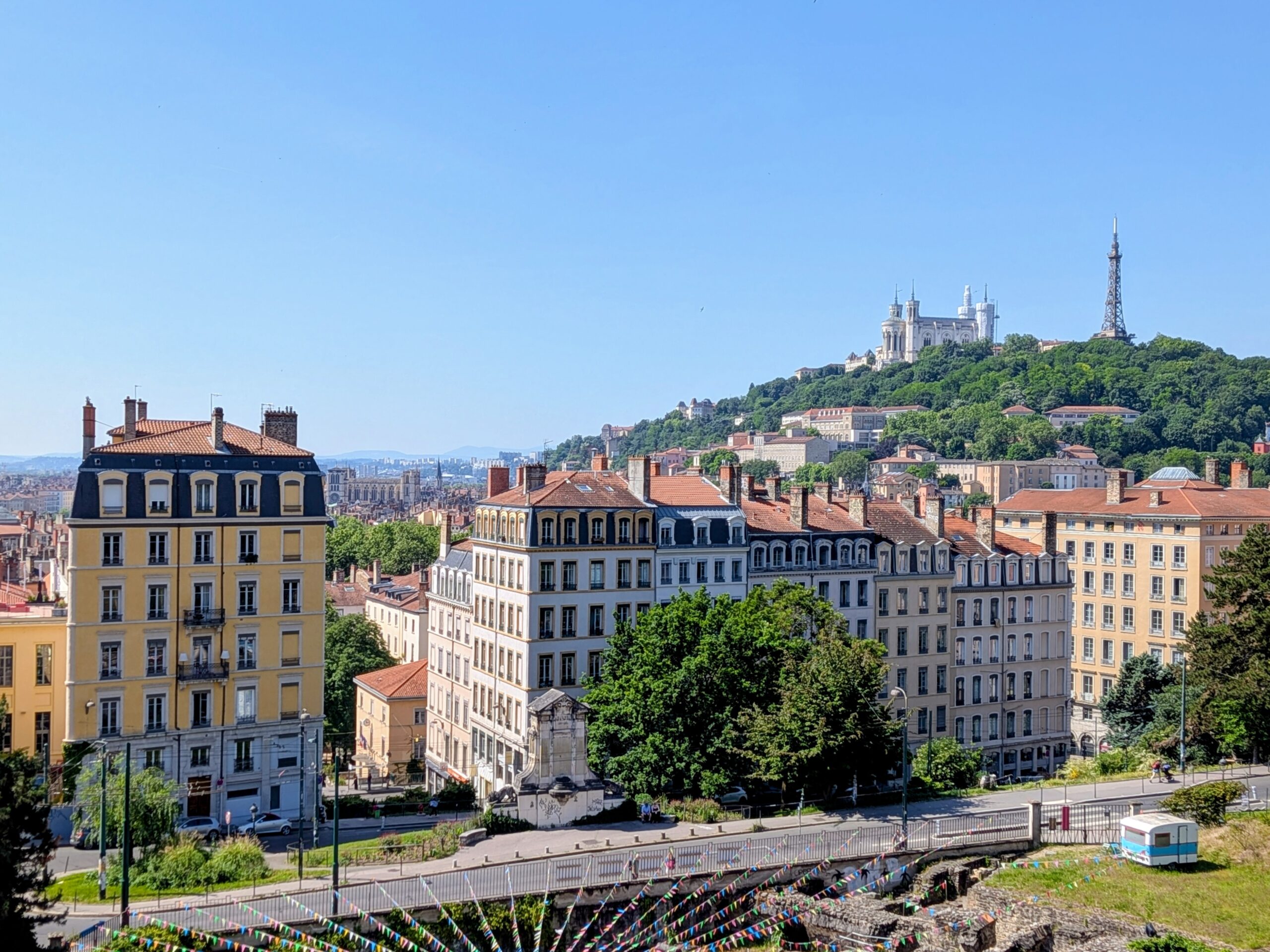
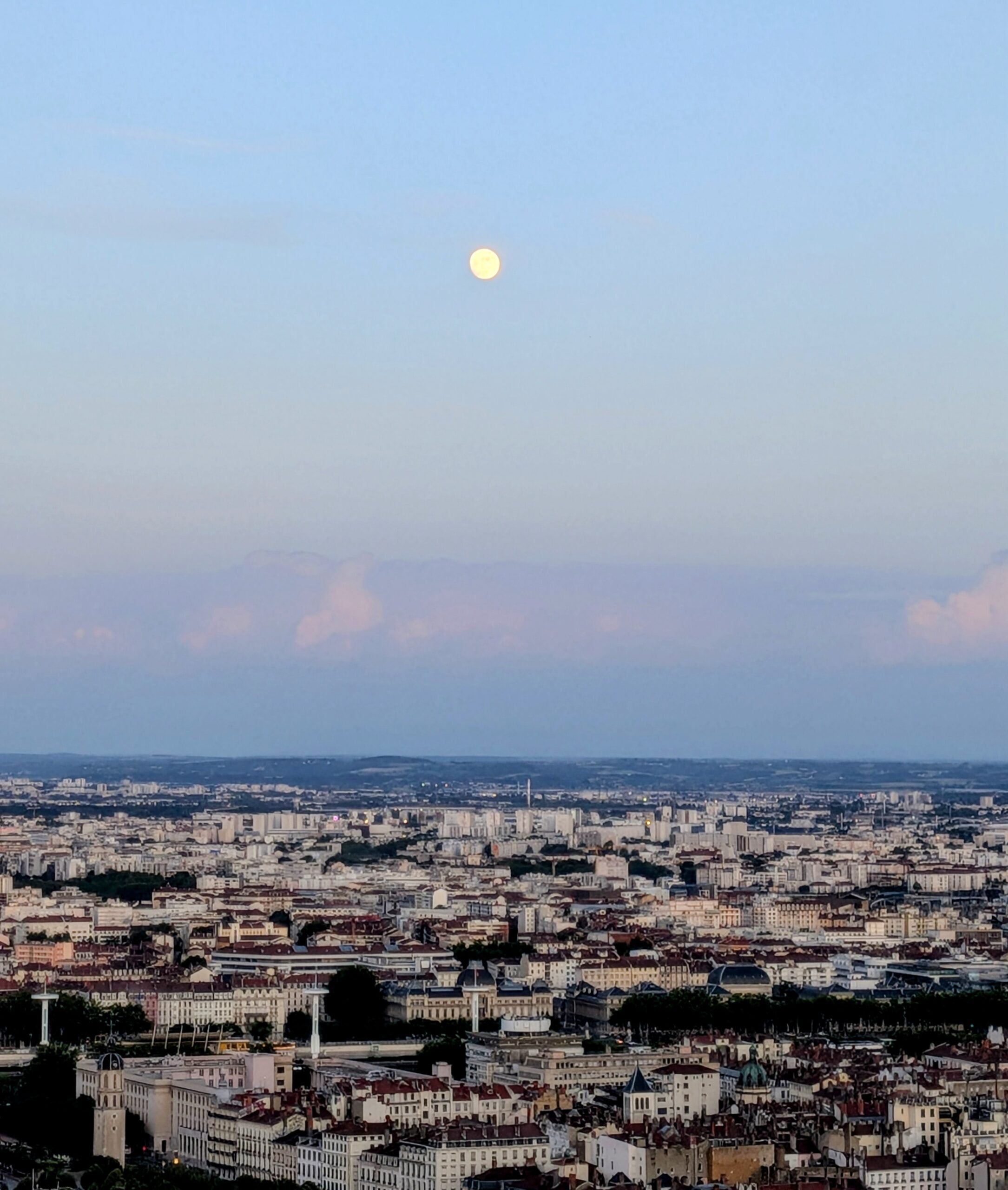
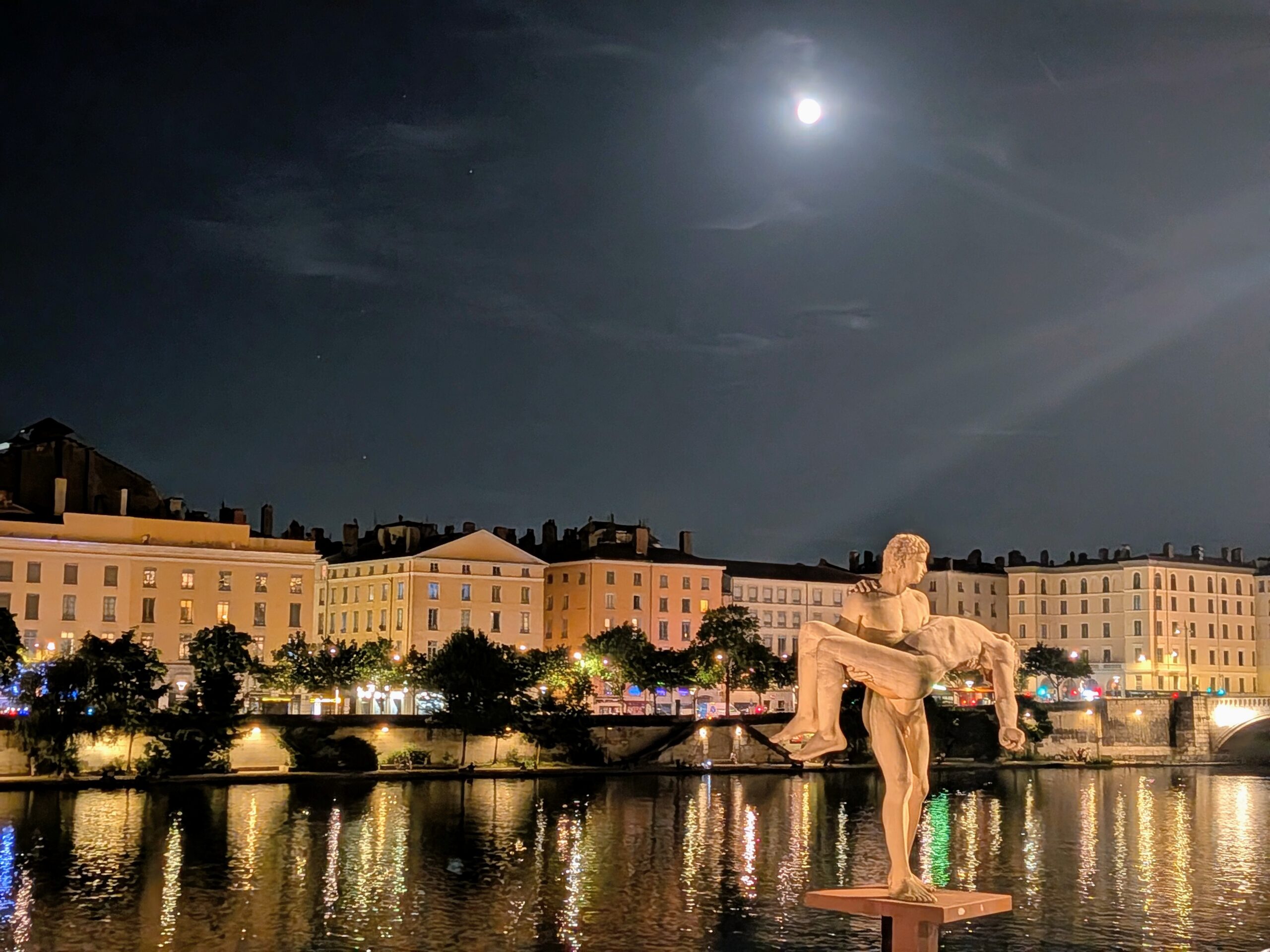
On my final evening I took the funicular up to Fourvière — the praying hill — to finally see the Basilica of Notre-Dame de Fourvière up close. I had been seeing it from across the city all week, its white towers visible from almost everywhere. The view from the hilltop at sunset, with an almost-full moon beginning to rise over the city and the rivers below, was breathtaking.
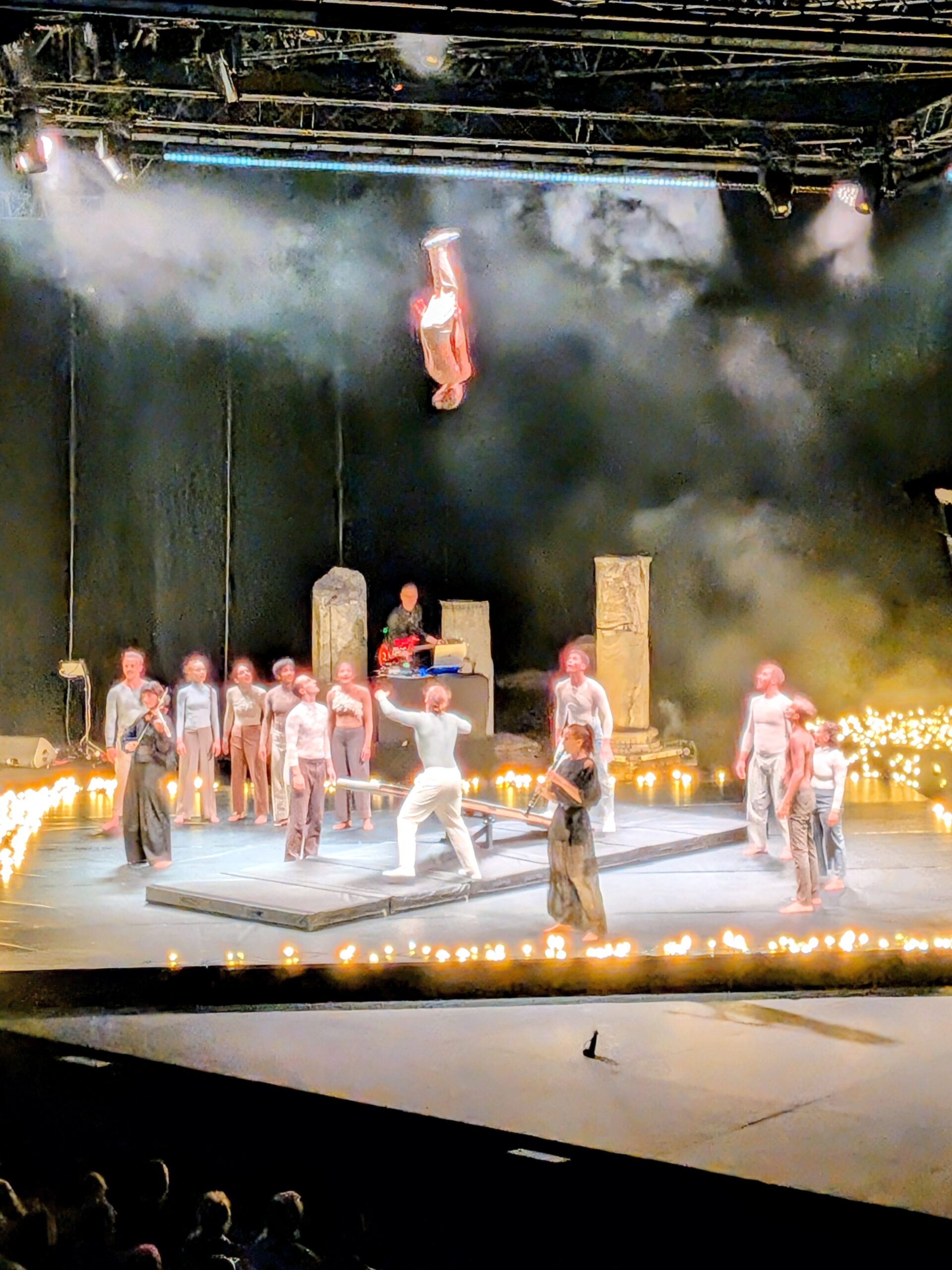
Then I walked over to ancient Roman amphitheater next door — the Théâtres Romains de Fourvière, built in 15 BC — where a circus performance was just beginning as part of a festival. Watching acrobats and performers in a 2,000-year-old open-air theater as the sky darkened behind them is one of those experiences you can’t pass up.
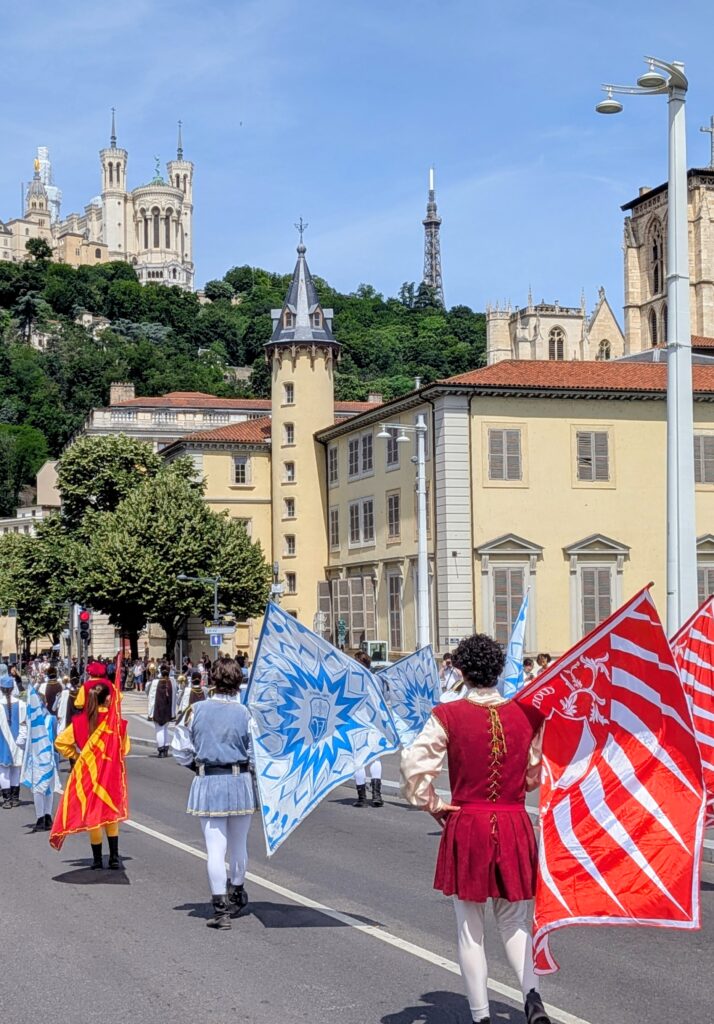
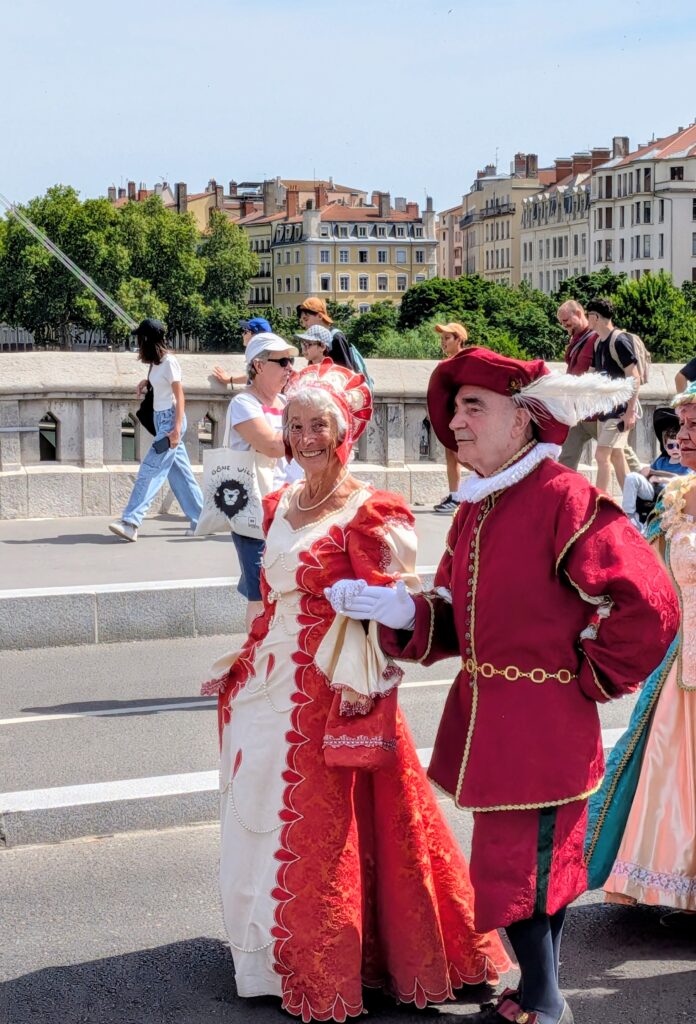
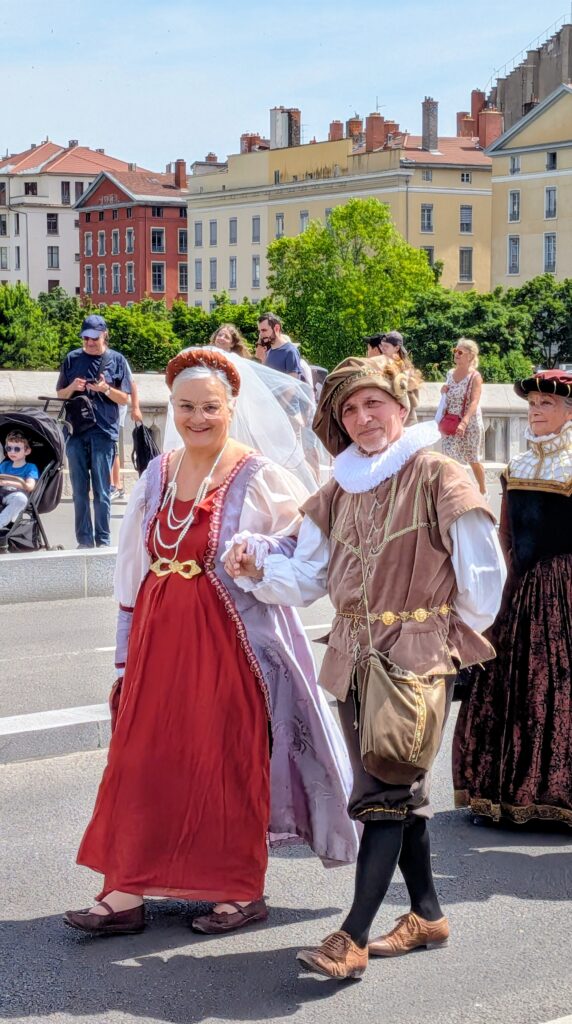
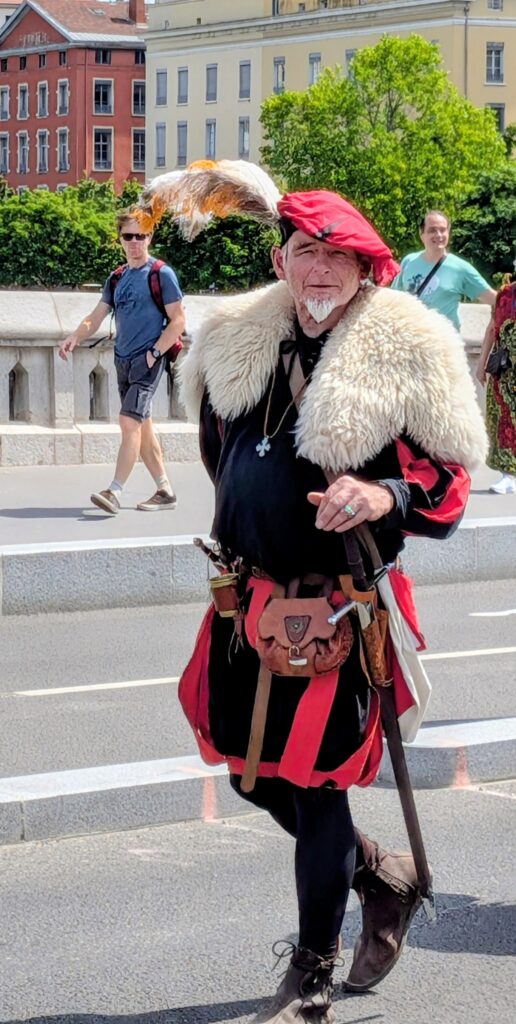
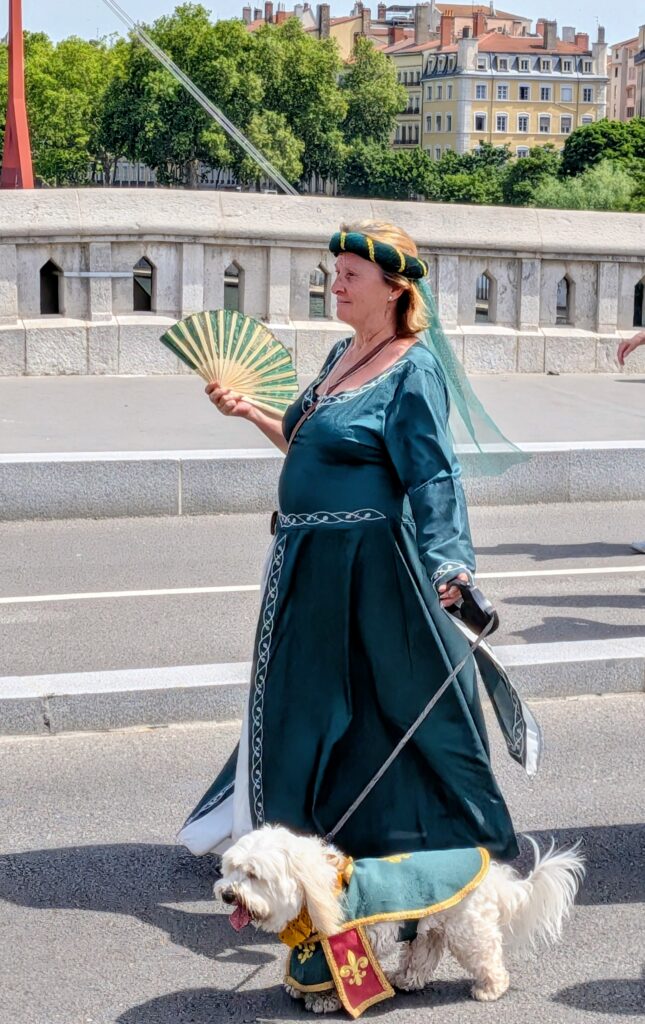
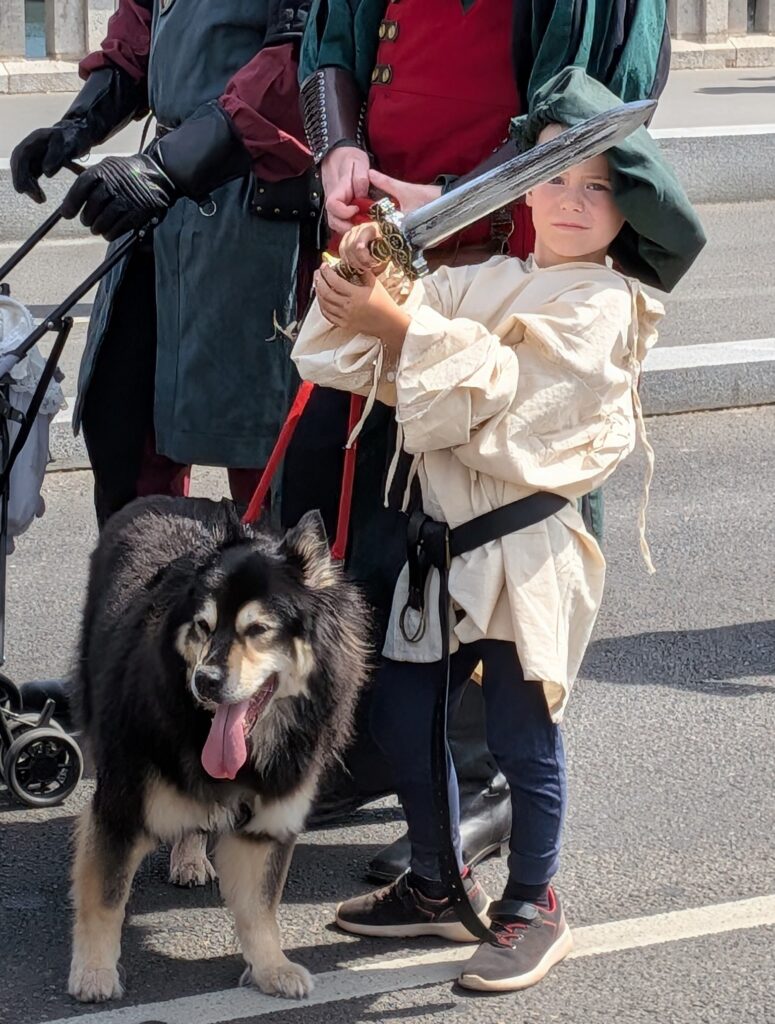
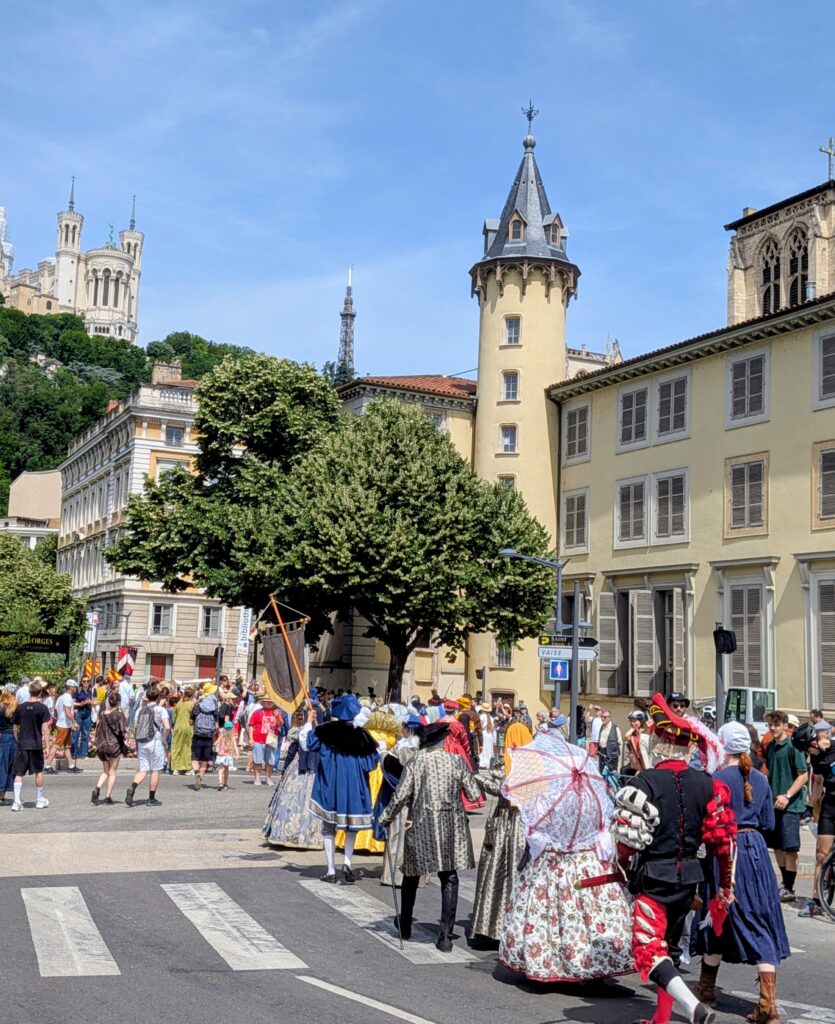
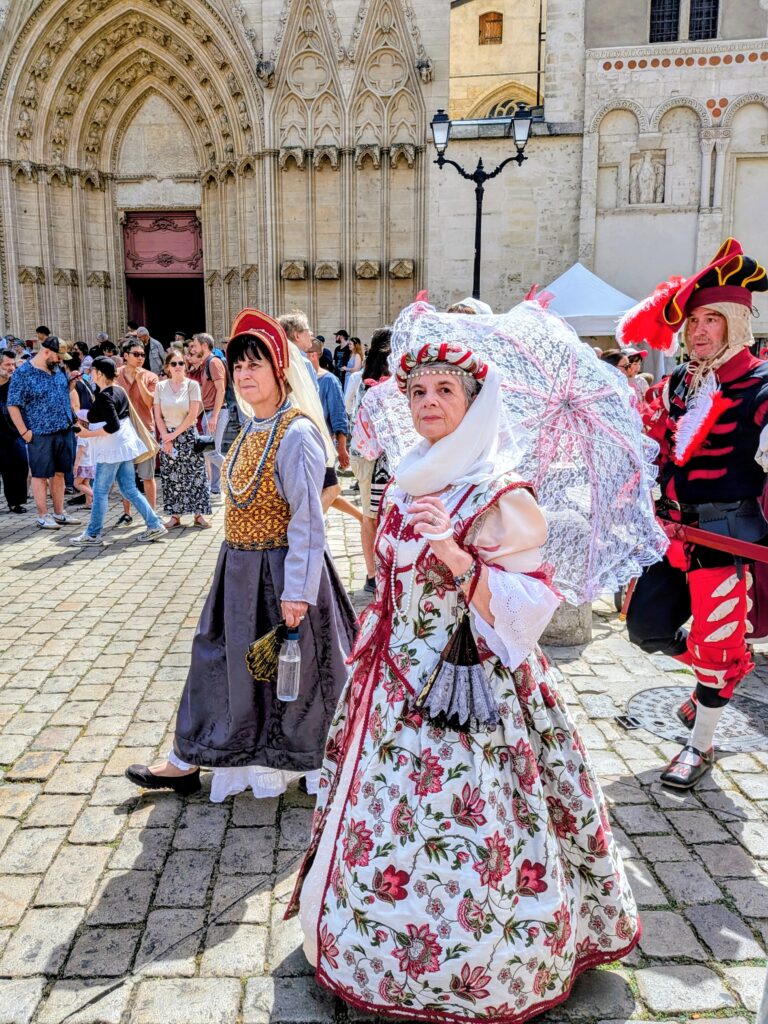
The last morning I made it down the hill one more time for the Renaissance Festival parade through the old town — costumed processions crossing the bridge over the river against the backdrop of those historic buildings. A fitting final image for a week that had been full of them.
Lyon: Go Here
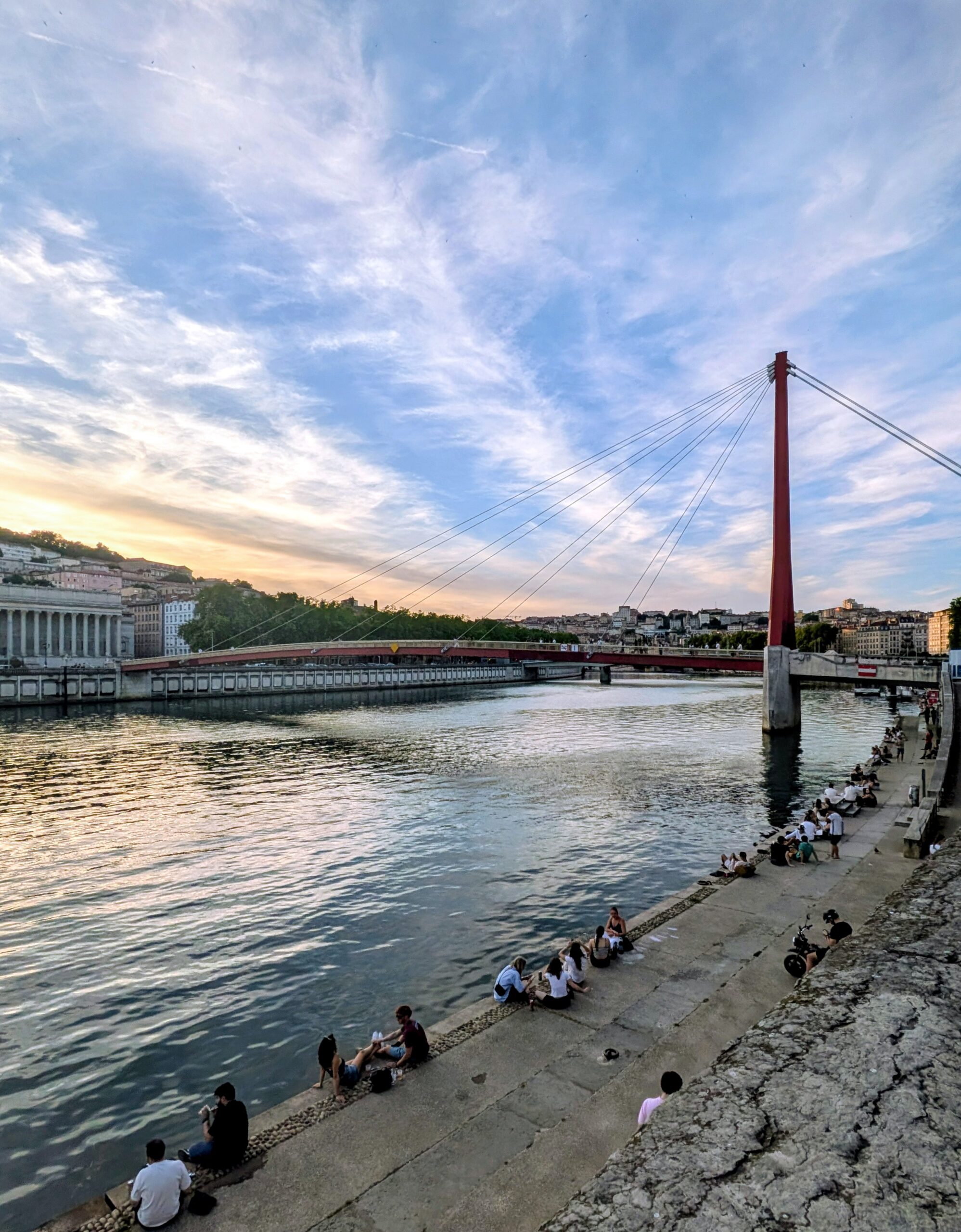
Lyon rewards exactly the kind of travel I love most — being embedded in a real neighborhood, eating where locals eat, following curiosity down side streets and through unmarked doors. Every evening the café and bar terraces filled with people who seemed genuinely happy to be exactly where they were, conversations stretching late into the night in that particularly French way.
It is my third trip to France and my love for this country keeps deepening. The food, the style, the cities layered with history, the people who take pleasure seriously — France keeps delivering. Lyon is absolutely one of its best-kept secrets.