Paris with Surae: Crowds, Cathedrals, and a Concert to Remember
I had not been back to Paris in 25 years. When I last visited, it was already one of the most touristed cities on earth — but nothing like what it is now.
Paris now welcomes nearly 50 million visitors a year. The city is grappling seriously with what mass tourism does to a place, to its residents, to the experience of being there at all. Going back with that in mind, I wasn’t sure what I’d find.
What I found was Paris. Still extraordinary, still beautiful, still worth it. You just have to approach it with patience and the right expectations.
Versailles: Gorgeous, Crowded, Worth It
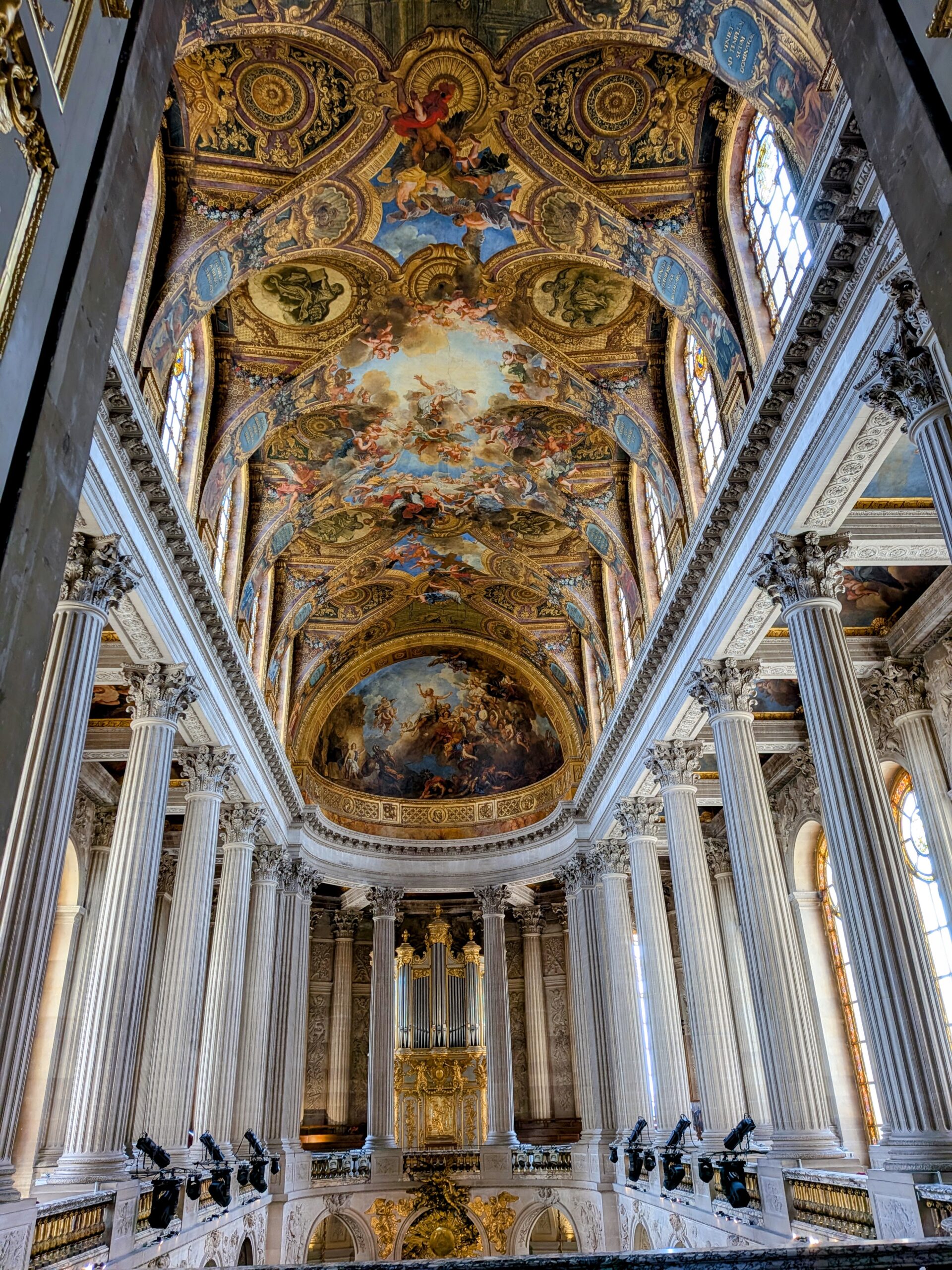
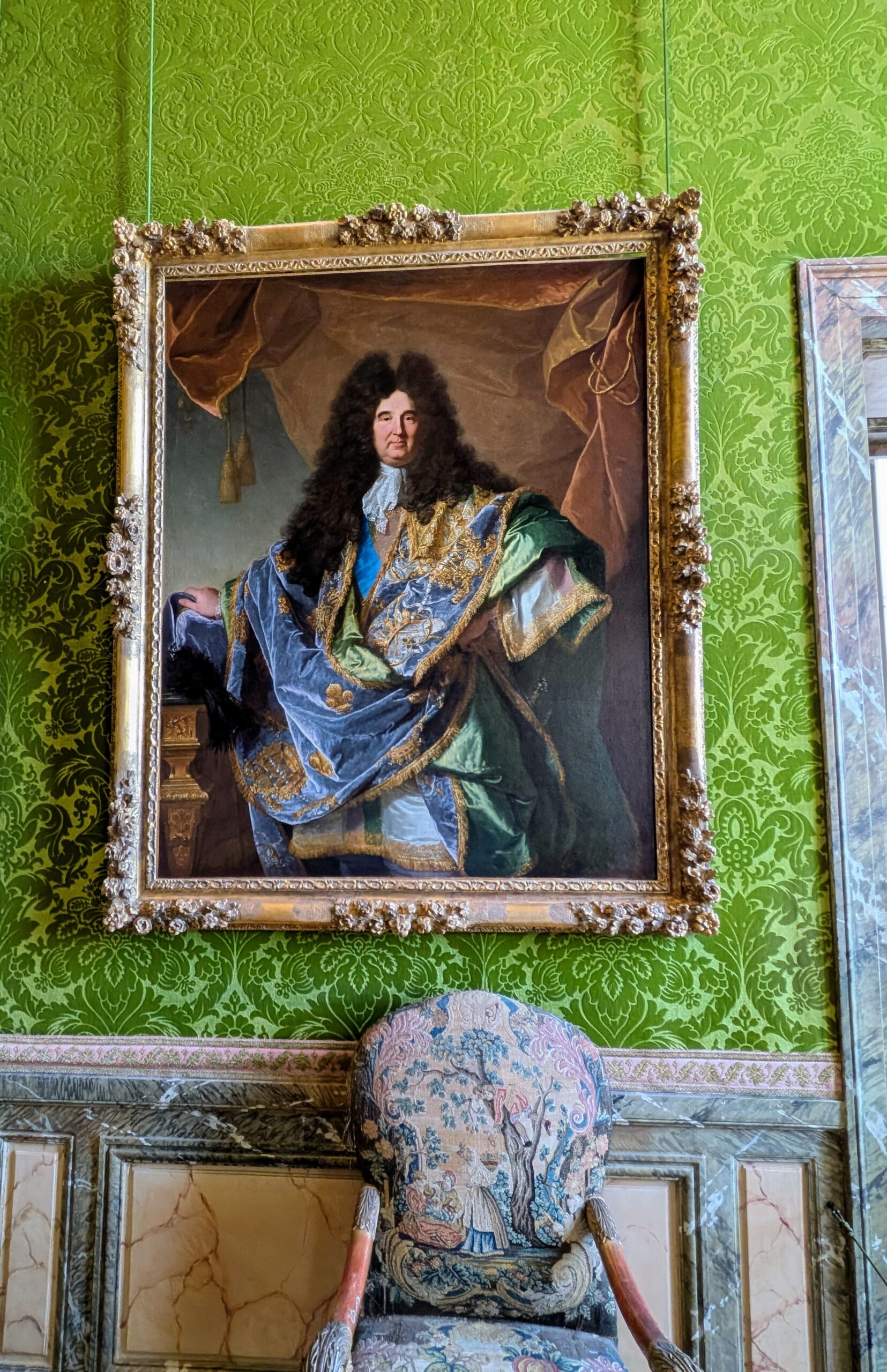
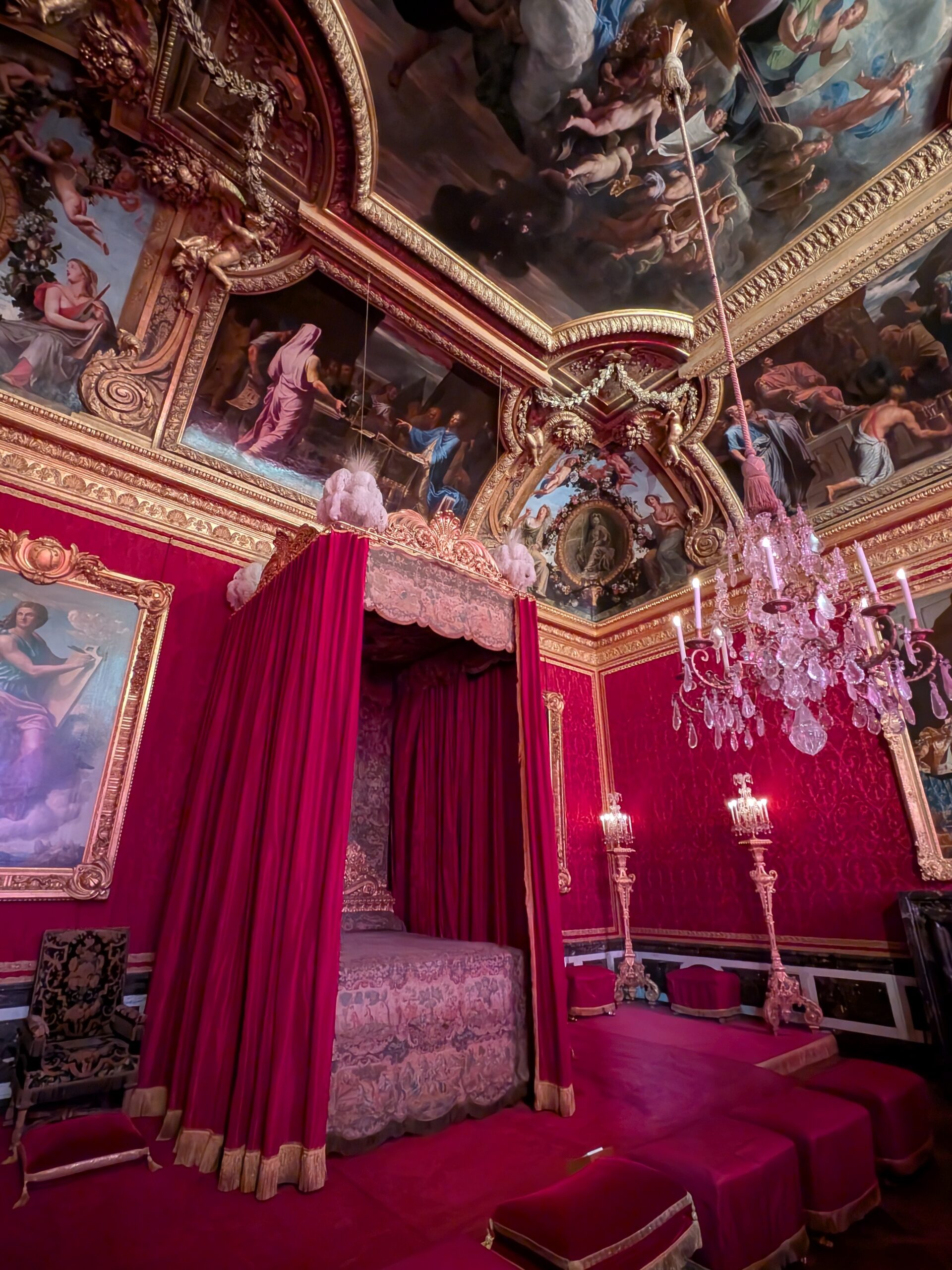
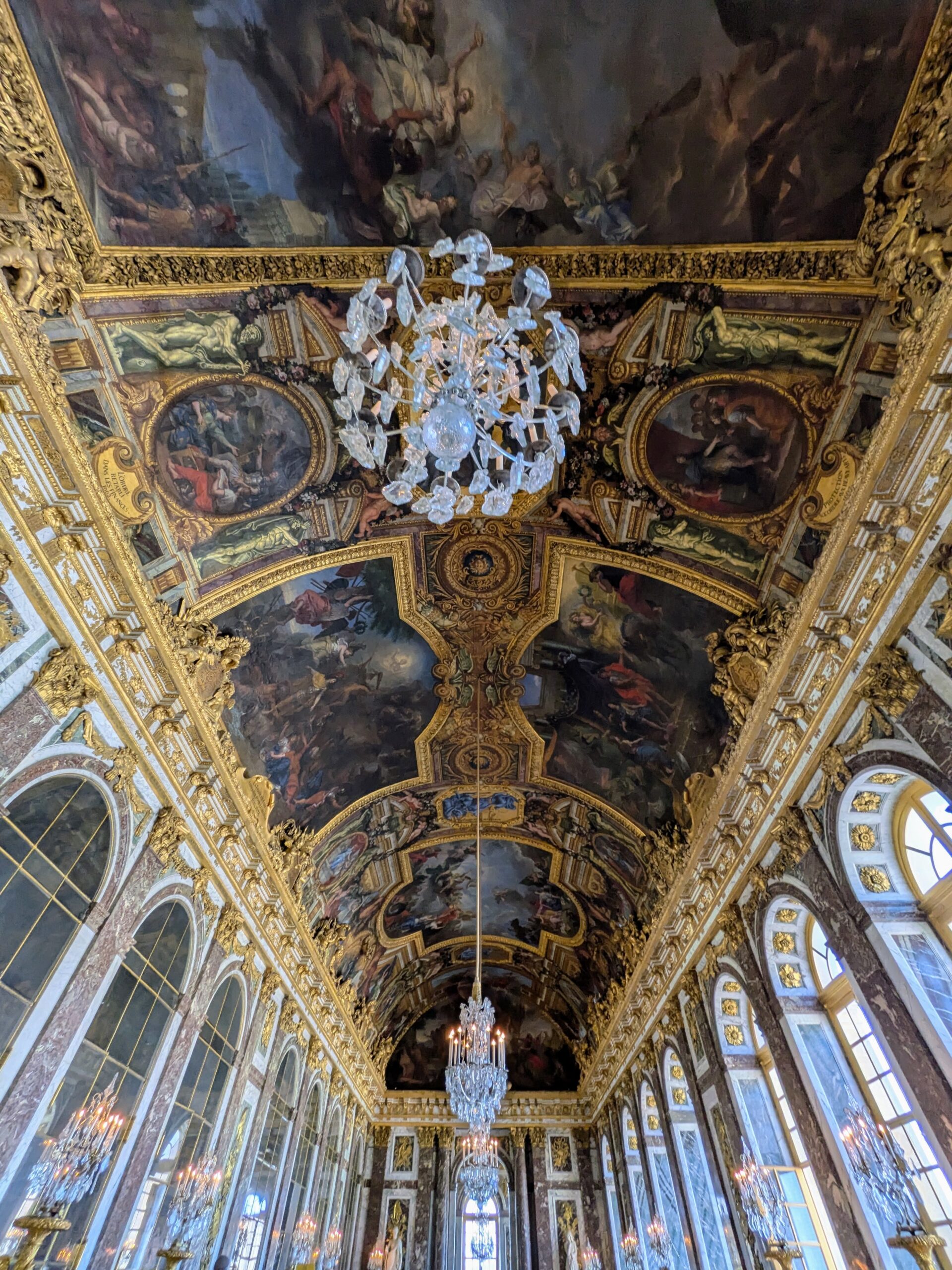
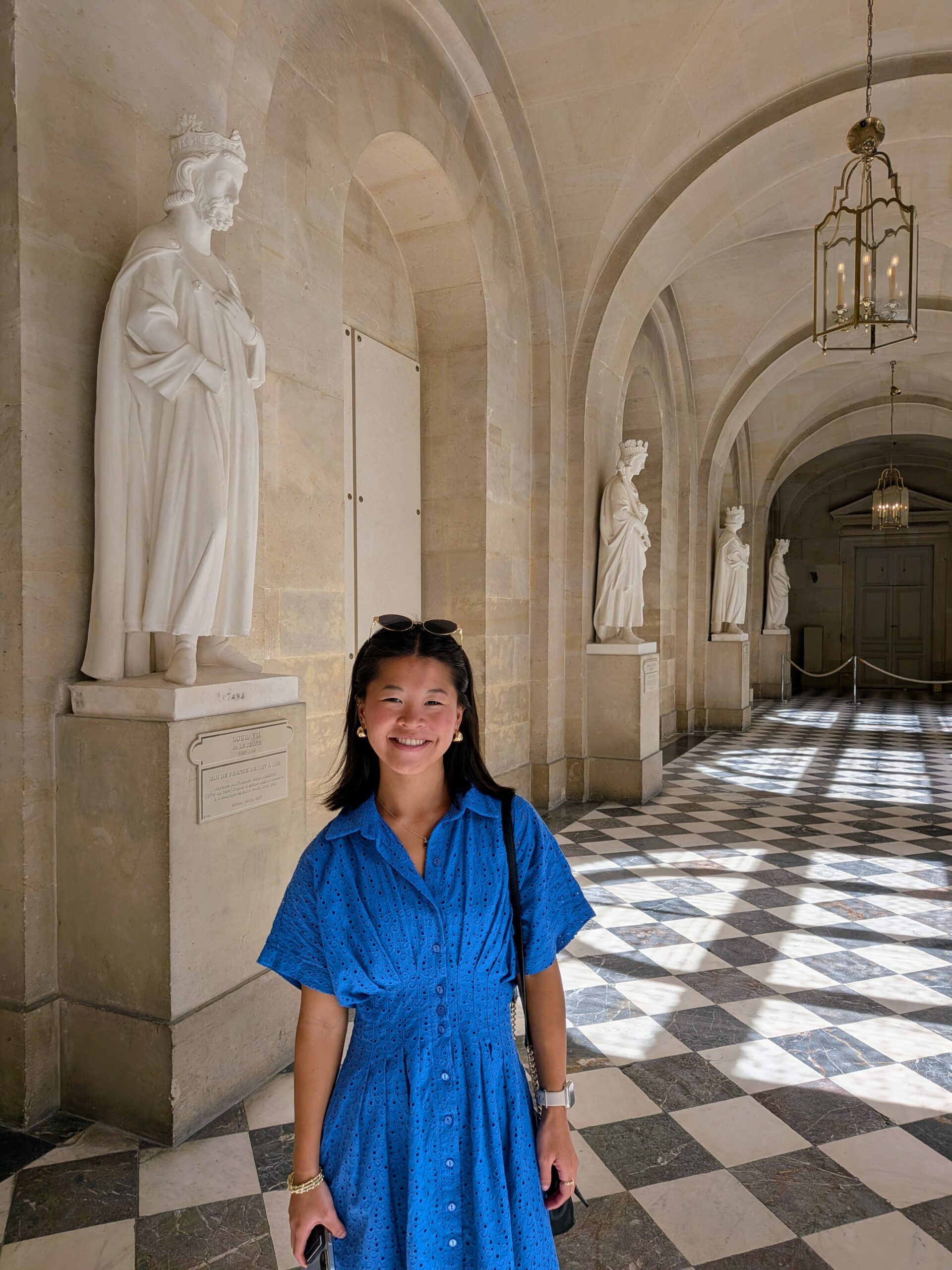
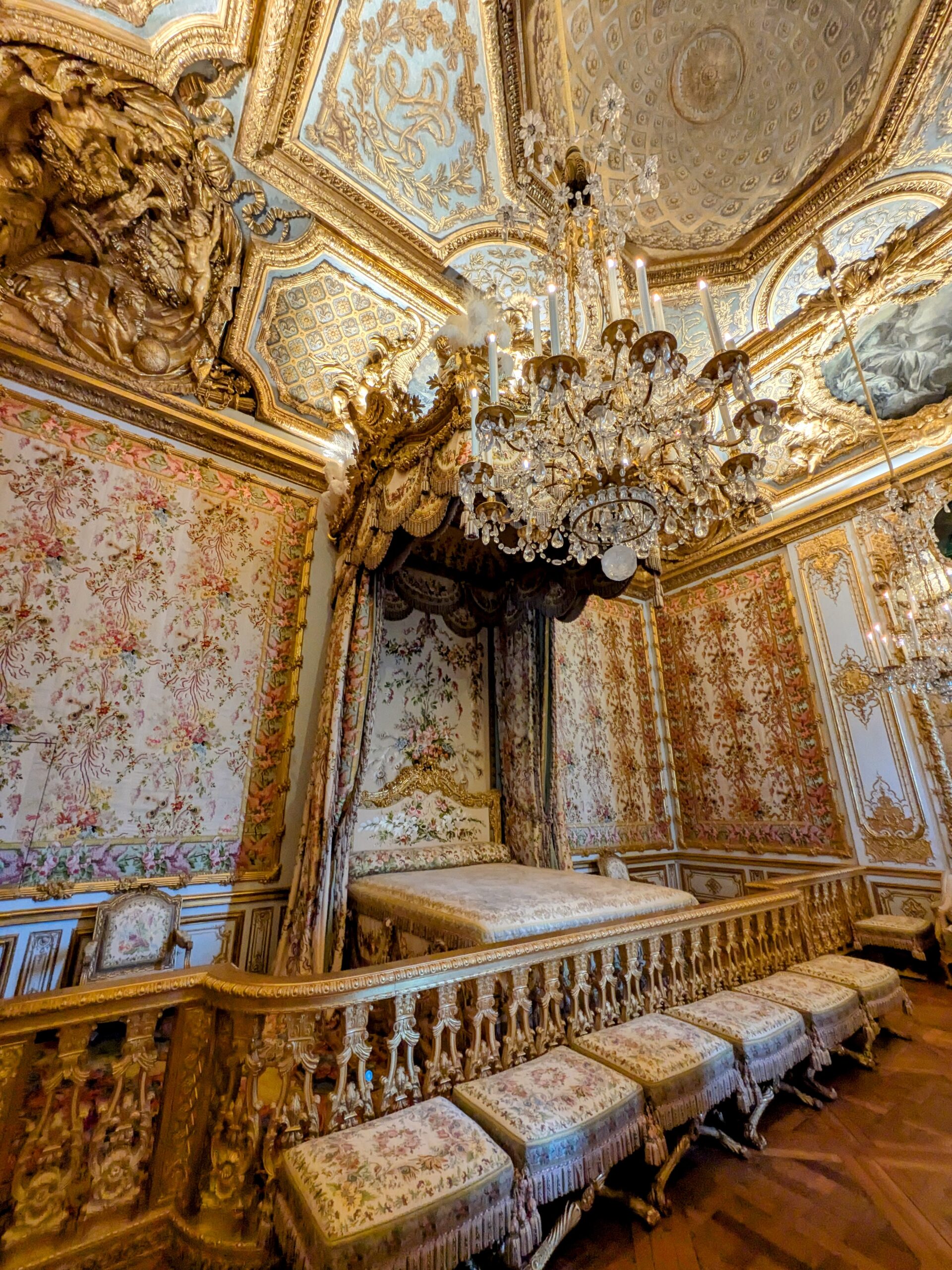
We started outside the city at Versailles, which set the tone immediately. The crowds were real — tour groups moving slowly through each gilded room, everyone photographing everything, the spaces packed in a way that makes it hard to linger. And yet. The Palace of Versailles is so extraordinary that even through the crowds it impresses completely.
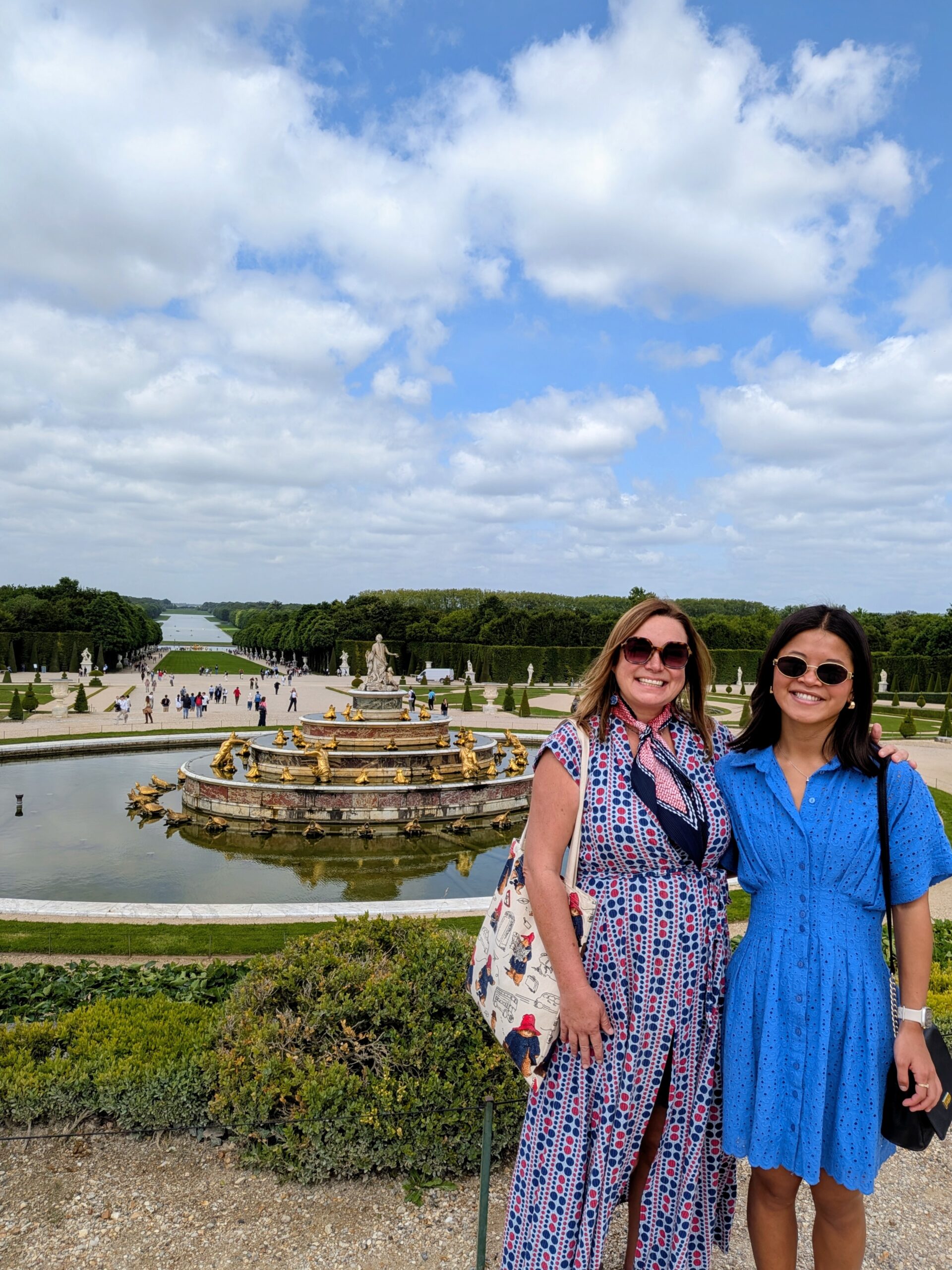
Built by Louis XIV beginning in 1661 as a statement of absolute royal power, the palace expanded over decades into a complex of 2,300 rooms, its Hall of Mirrors stretching 73 meters with 357 mirrors reflecting the gardens beyond. The frescoes, the gold, the sheer ambition of it all — you feel the weight of what it meant, and what it cost, in every room. After the palace we escaped into the gardens, which at over 800 hectares are so vast that the crowds simply dissolve into them. We got our steps in. We sat by the water and threw bread to the enormous carp, who were shortly joined by ducks and ducklings — the contrast of those tiny, bobbing ducklings against those ancient fish being genuinely one of the more charming things ever. I just hoped the carp didn’t like ducklings too much!!
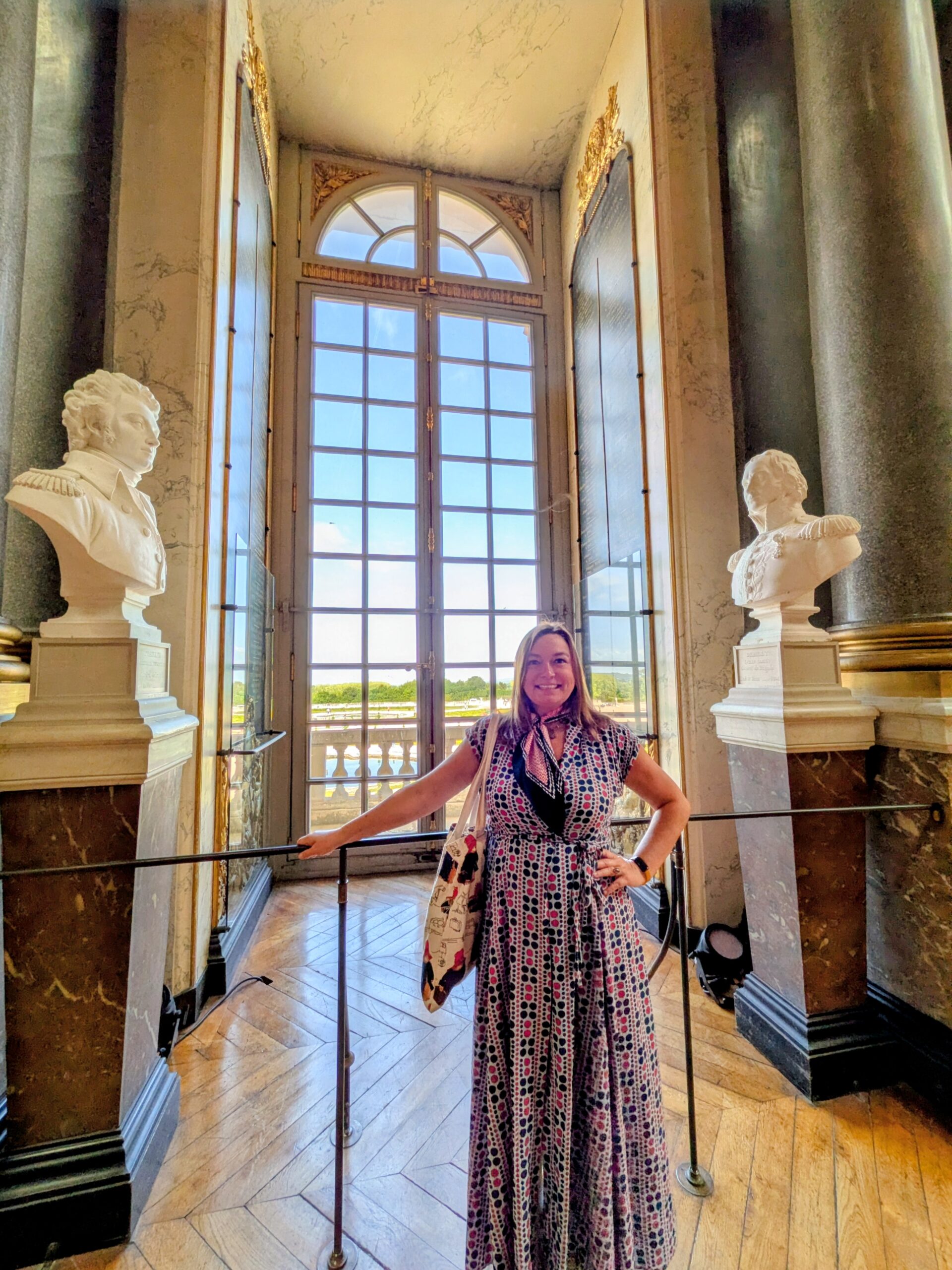
We took pictures feeling like royalty, albeit very sweaty royalty.
Notre-Dame: Back, But Different
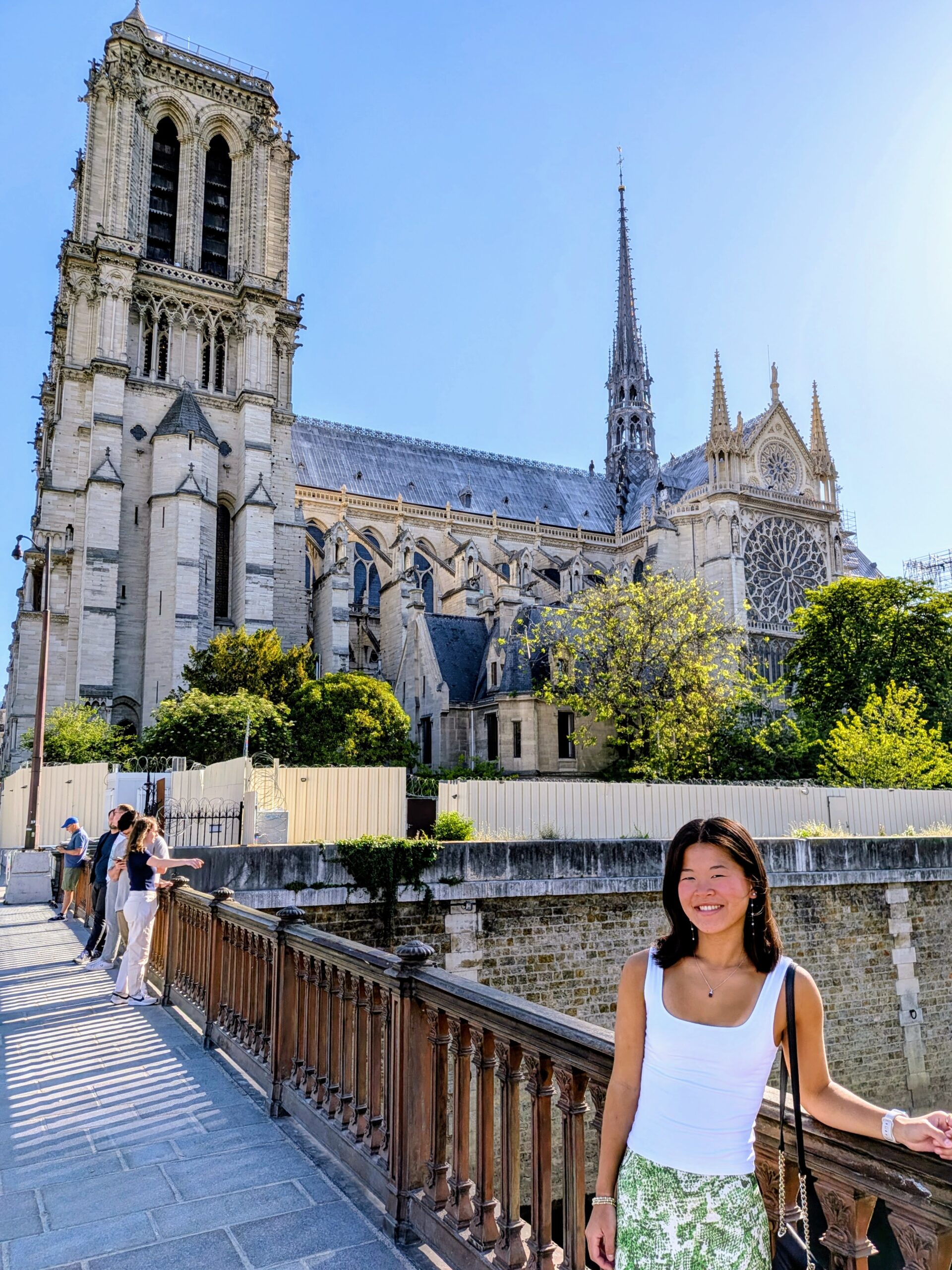
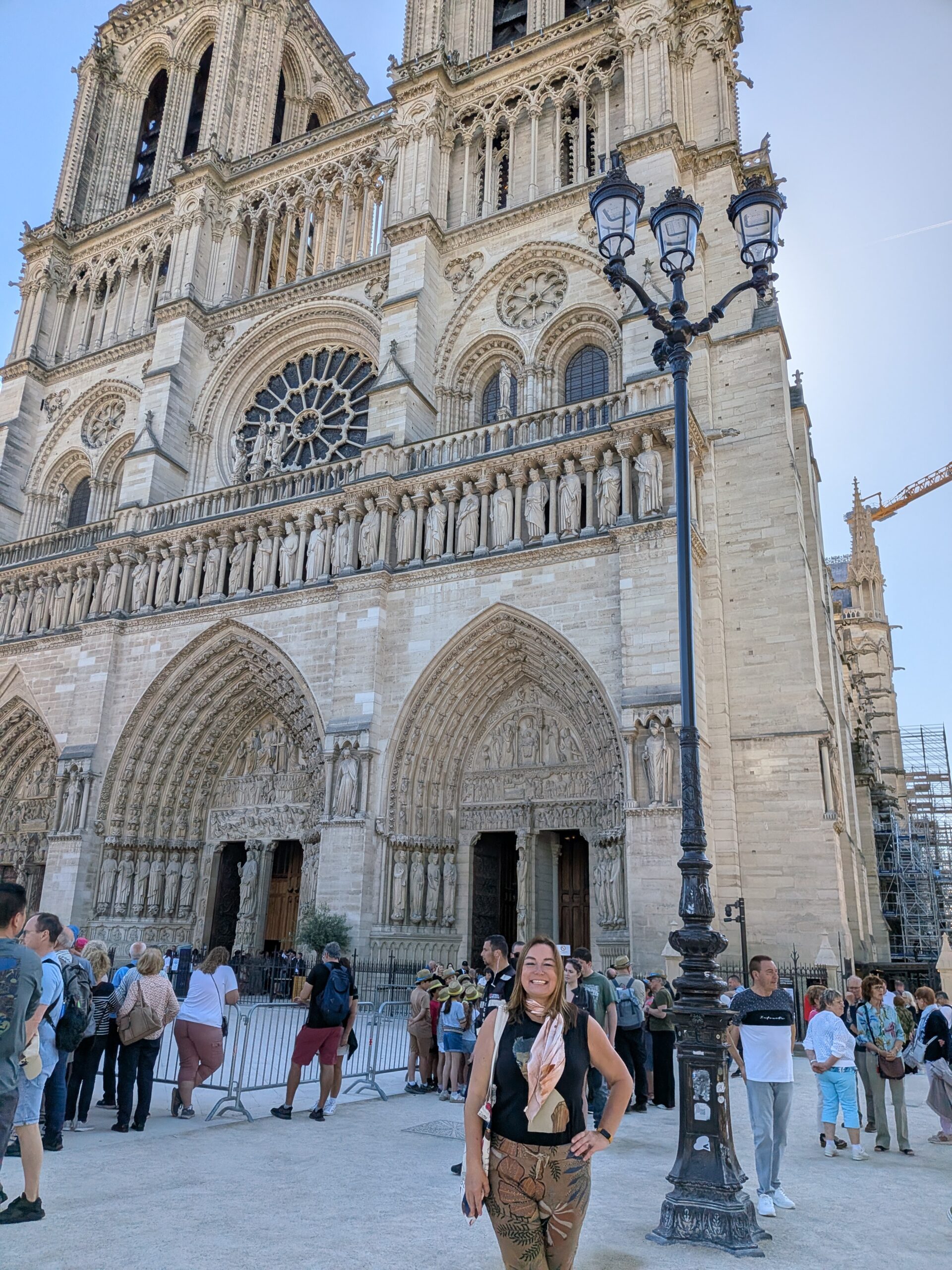
The next day we made our way to Notre-Dame — the site where, 25 years ago, Michael proposed to me. Some things don’t work out, but it is still a beautiful place, and standing there with my daughter felt like its own kind of full circle.
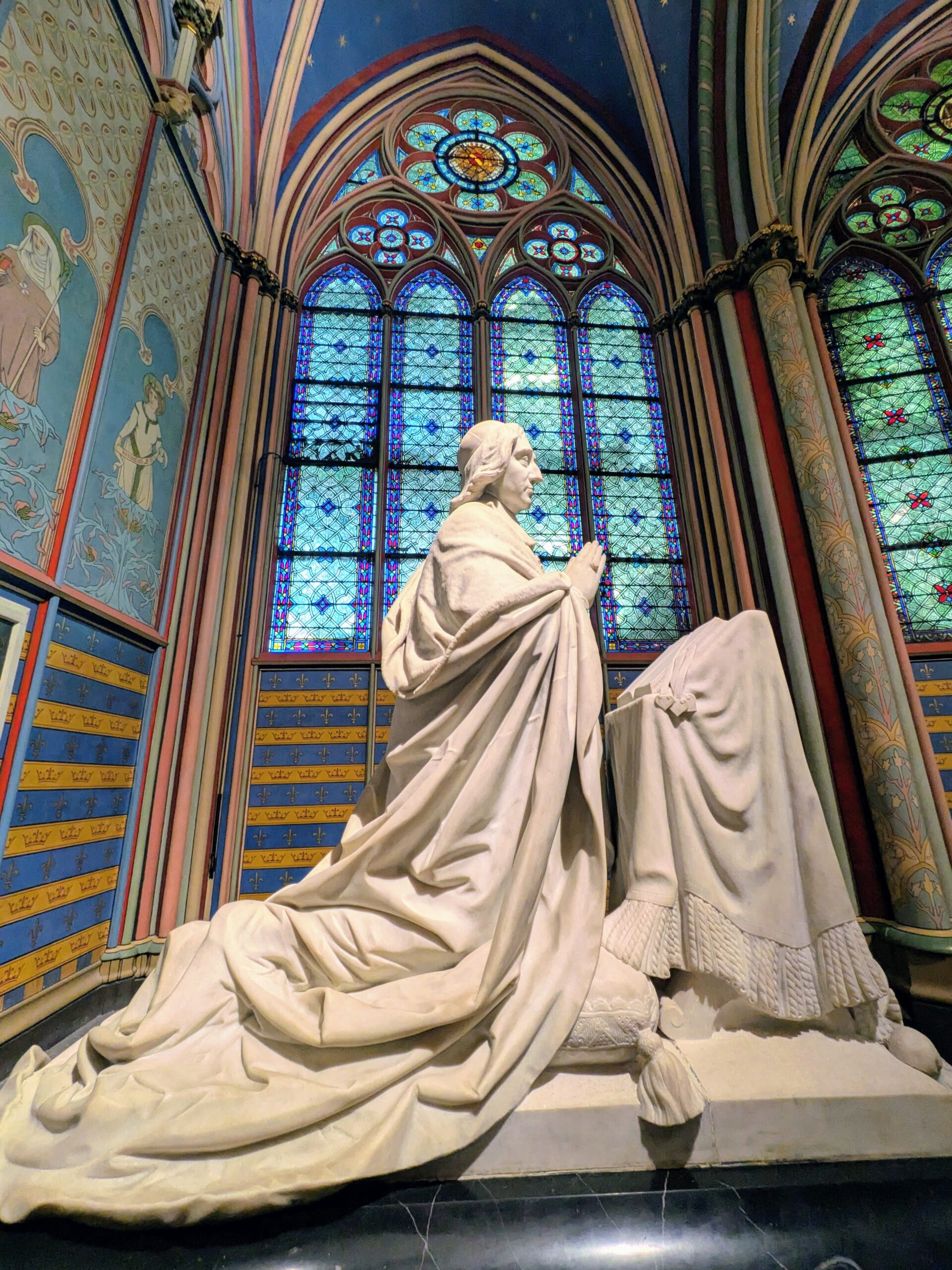
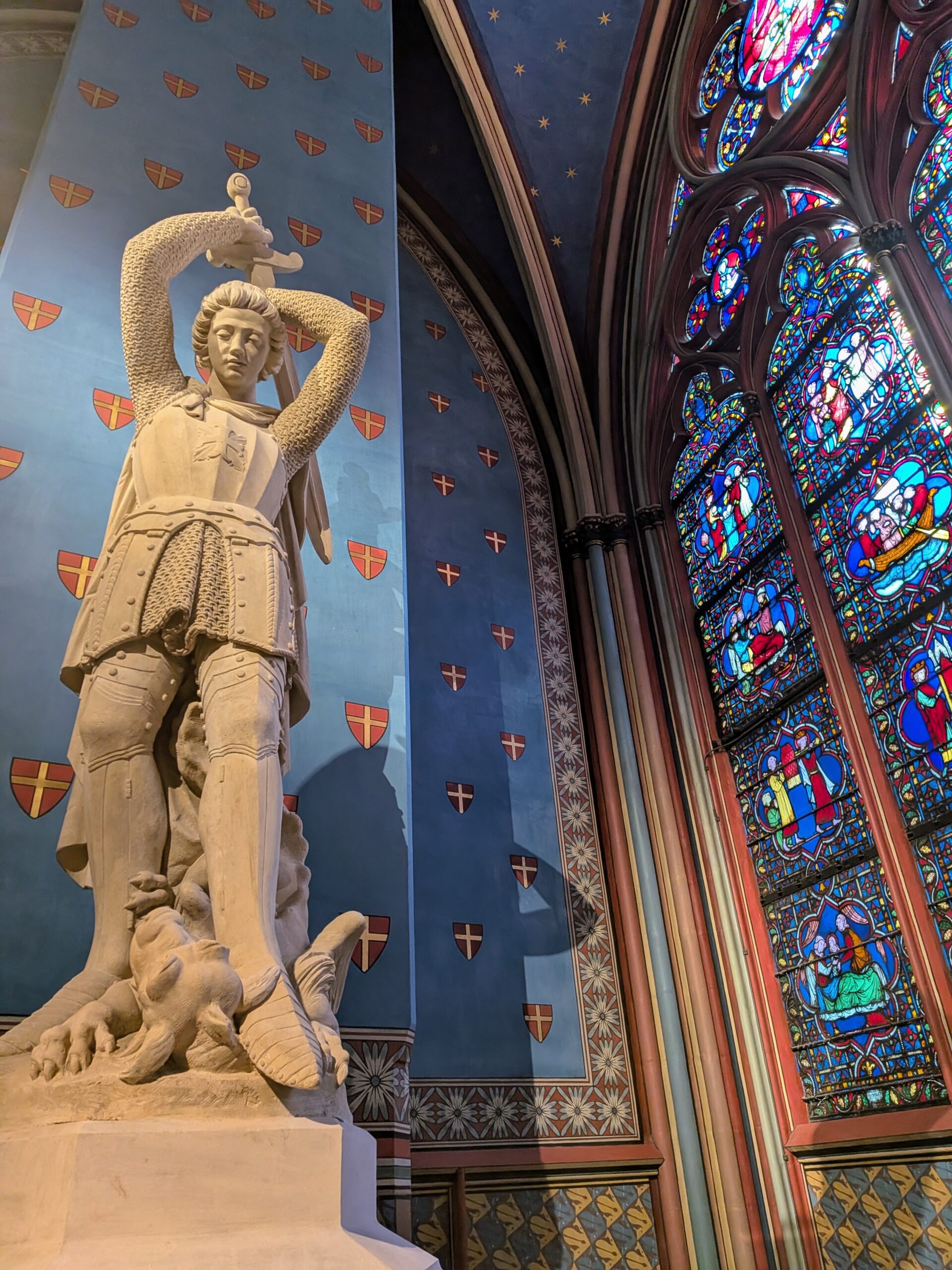
Notre-Dame reopened in December 2024 after five years of reconstruction following the catastrophic 2019 fire, and the restoration is extraordinary — the cathedral gleams in a way it perhaps never did even in its original state. But what struck me most was the contrast with how I remembered it. Twenty-five years ago you simply walked in. No queue, no crowd management, just a beautiful church you could wander into quietly and take your time. Now it has automated reminders over a loudspeaker to keep people quiet. Thousands move through it daily. Times have genuinely changed.
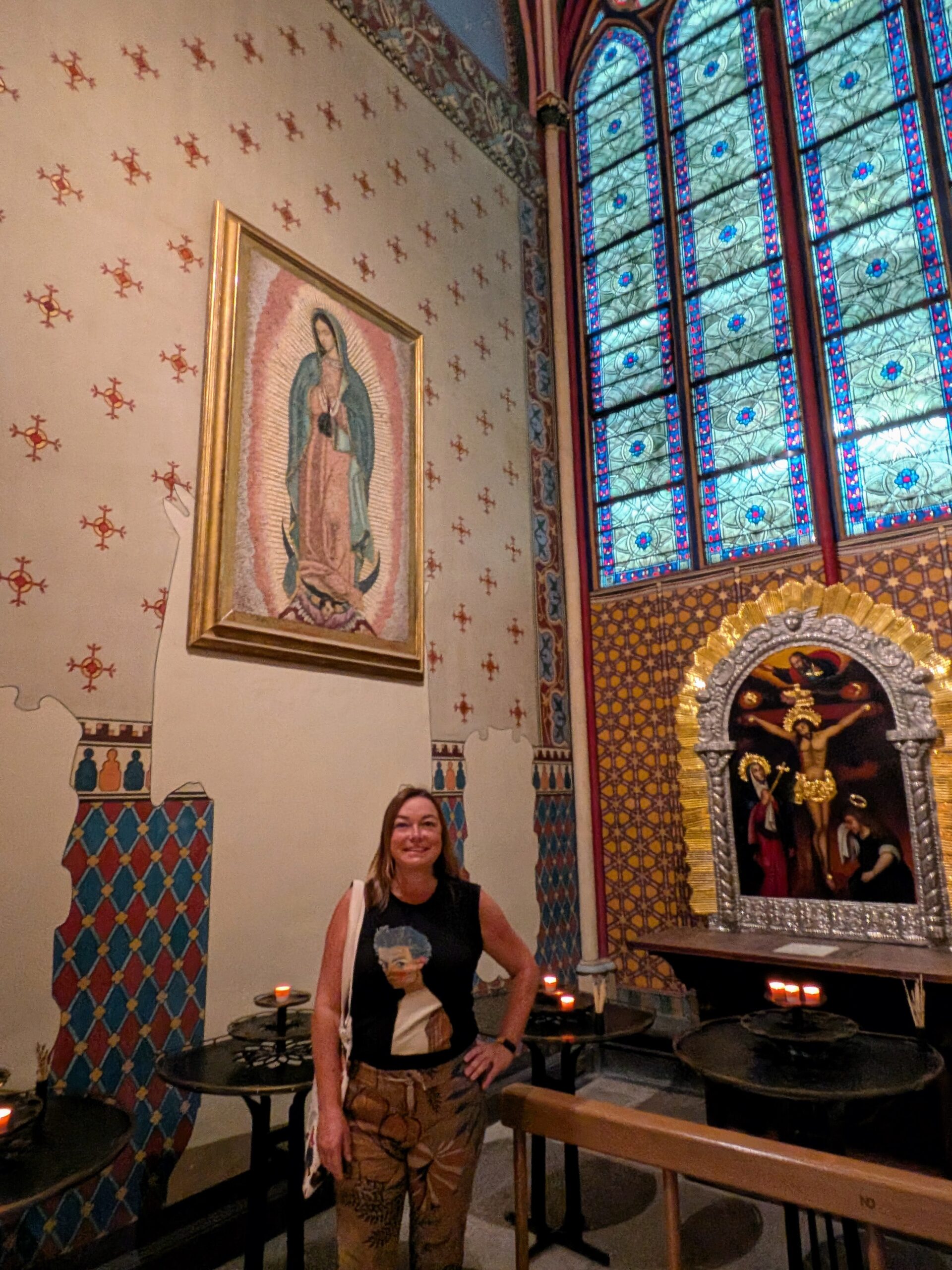
It is still gorgeous. Coming upon the shrine to Our Lady of Guadalupe inside was an unexpected and lovely moment — she is so central to life in Mexico that seeing her there felt like a small connection between two worlds. I knew the Catholics back home would have loved to see her in that context.
Parks, Bistros, Pastries, and Perfume
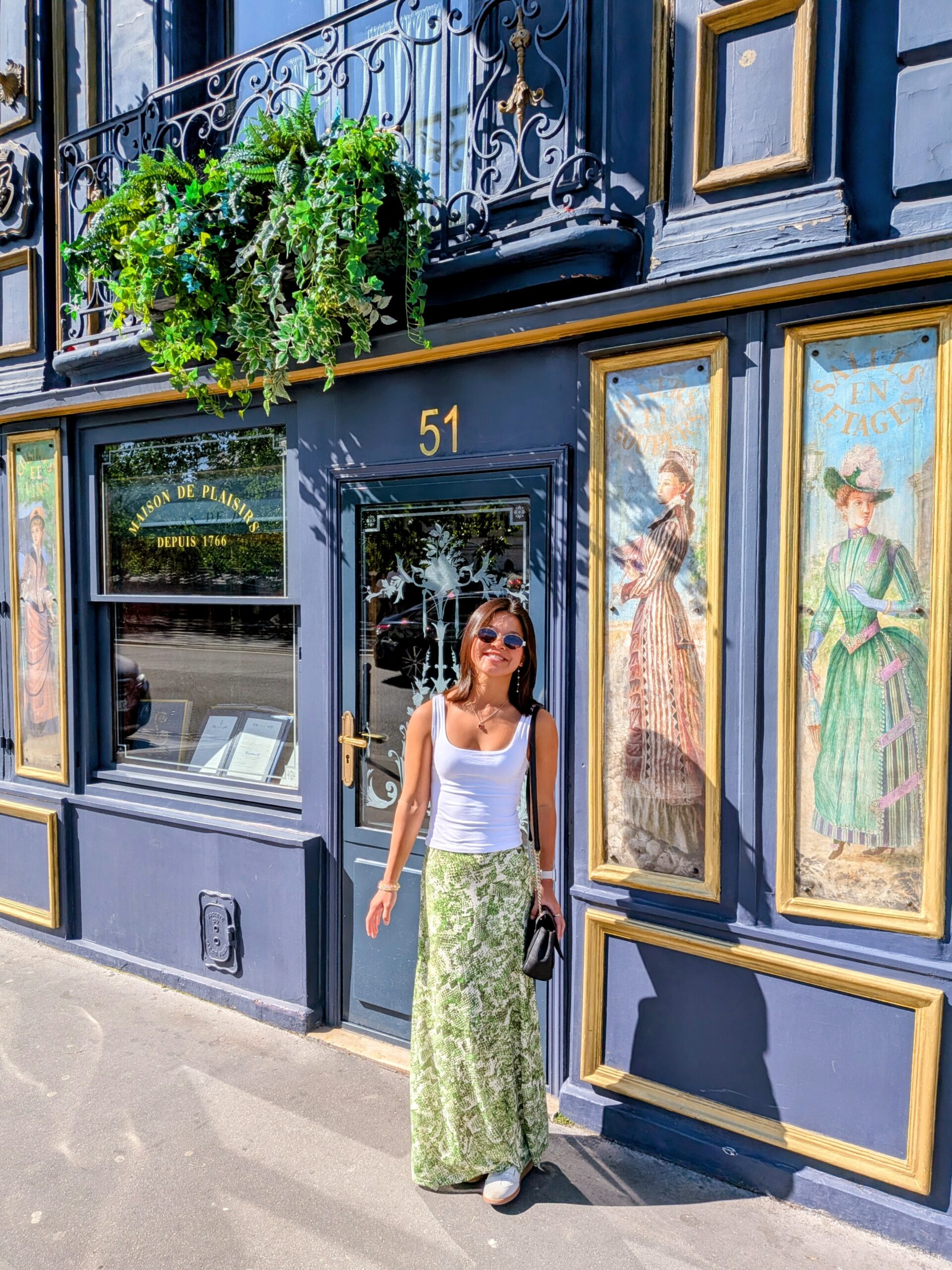
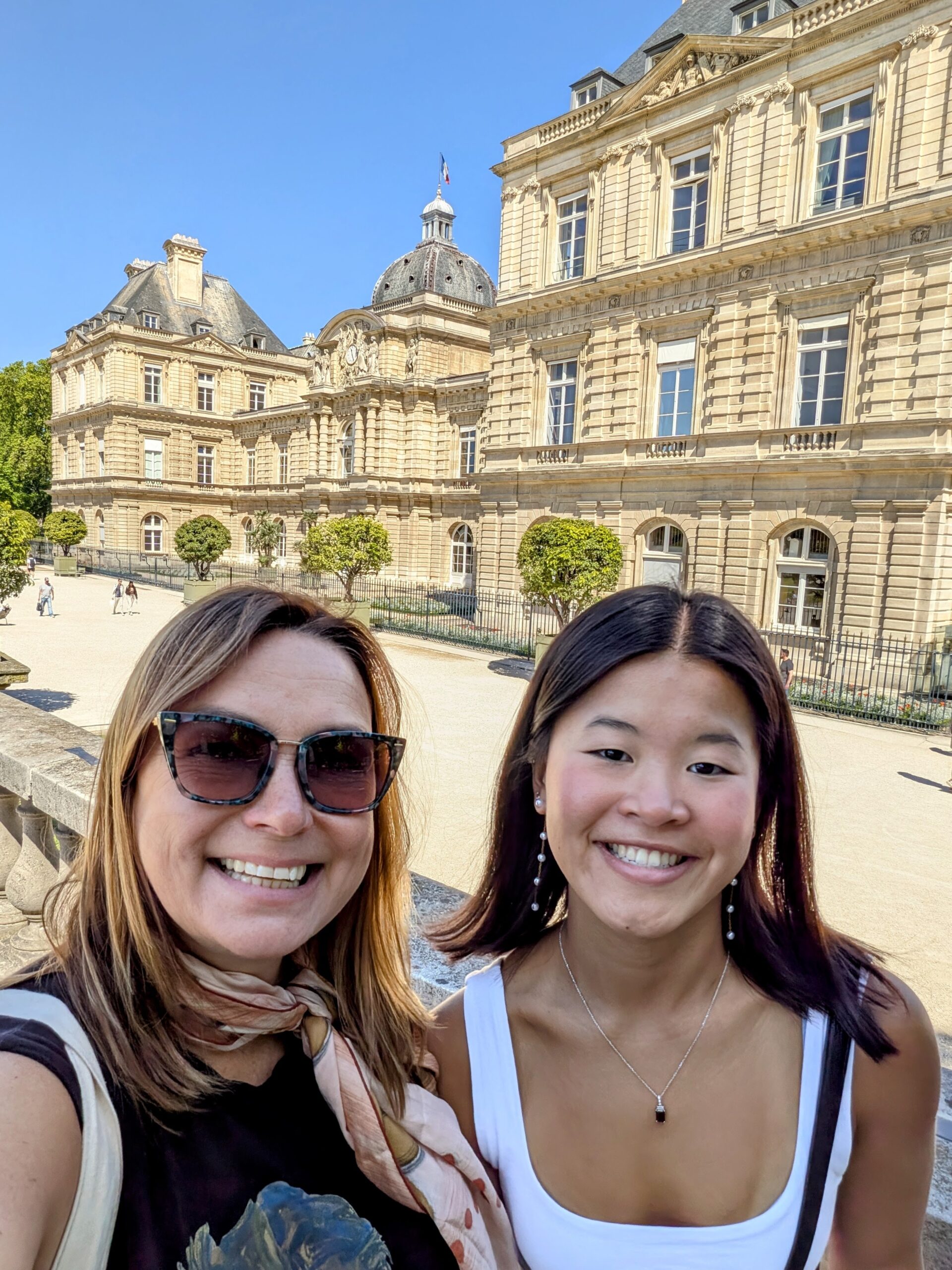
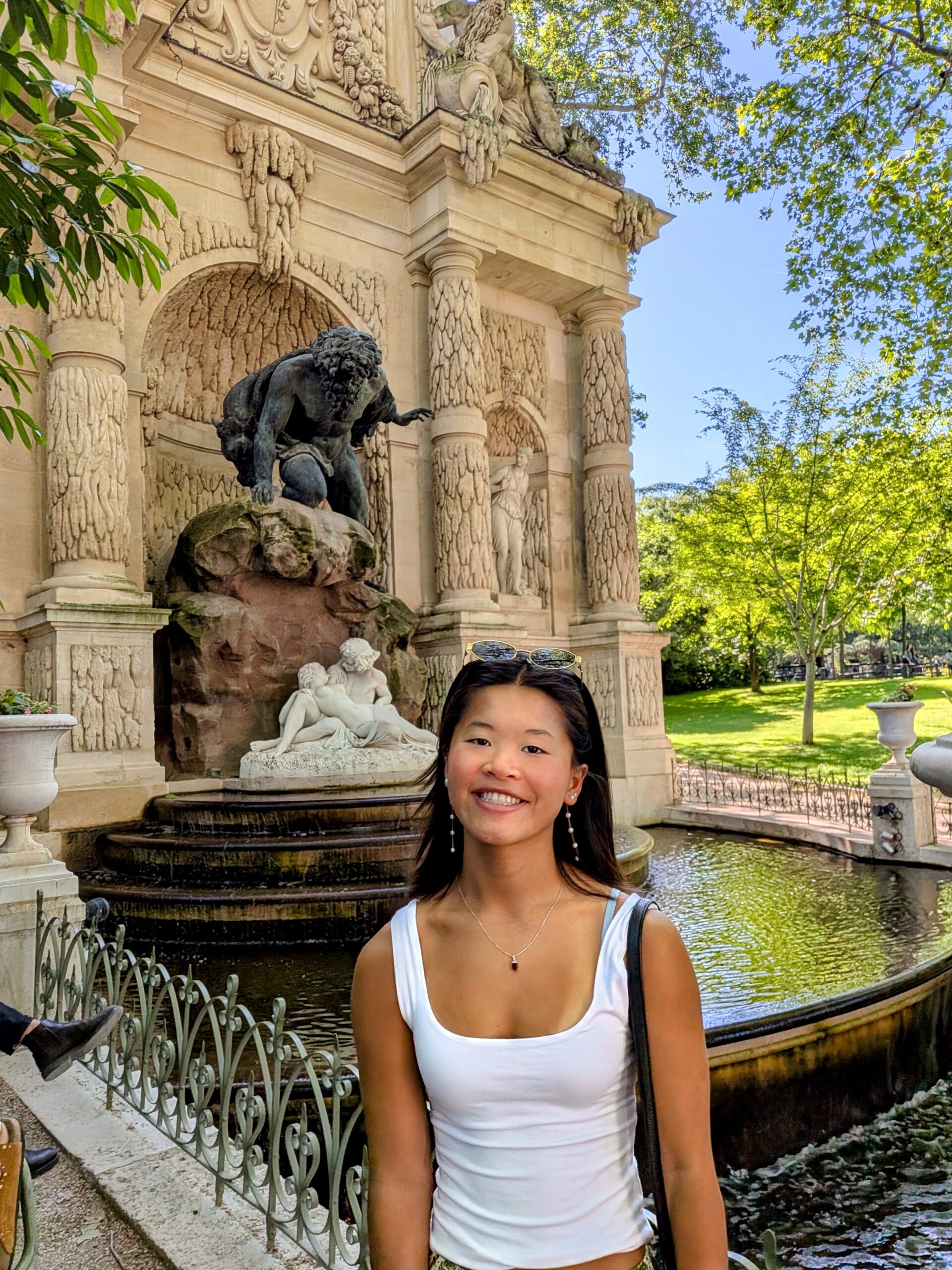
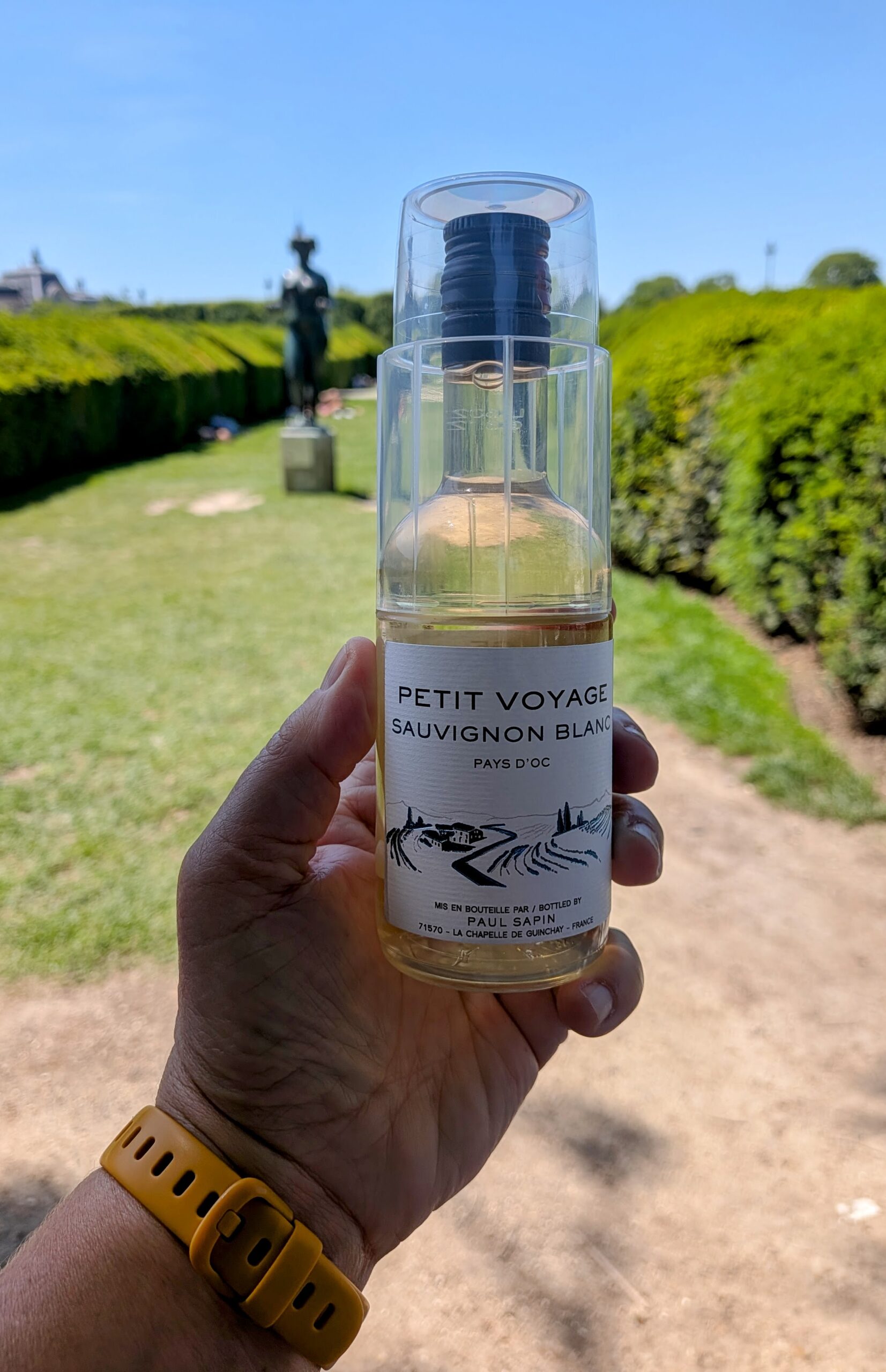
Paris between the major attractions is Paris at its best. Wandering through the Jardin du Luxembourg and the Tuileries, past bistros decorated with window boxes of flowers, finding a patch of grass to sit on with cheese, a baguette, some salami, and wine — this is what the city does better than anywhere. The gardens here are immaculate and democratic in a way that feels intentional, as if someone decided that beauty should not only belong to kings.
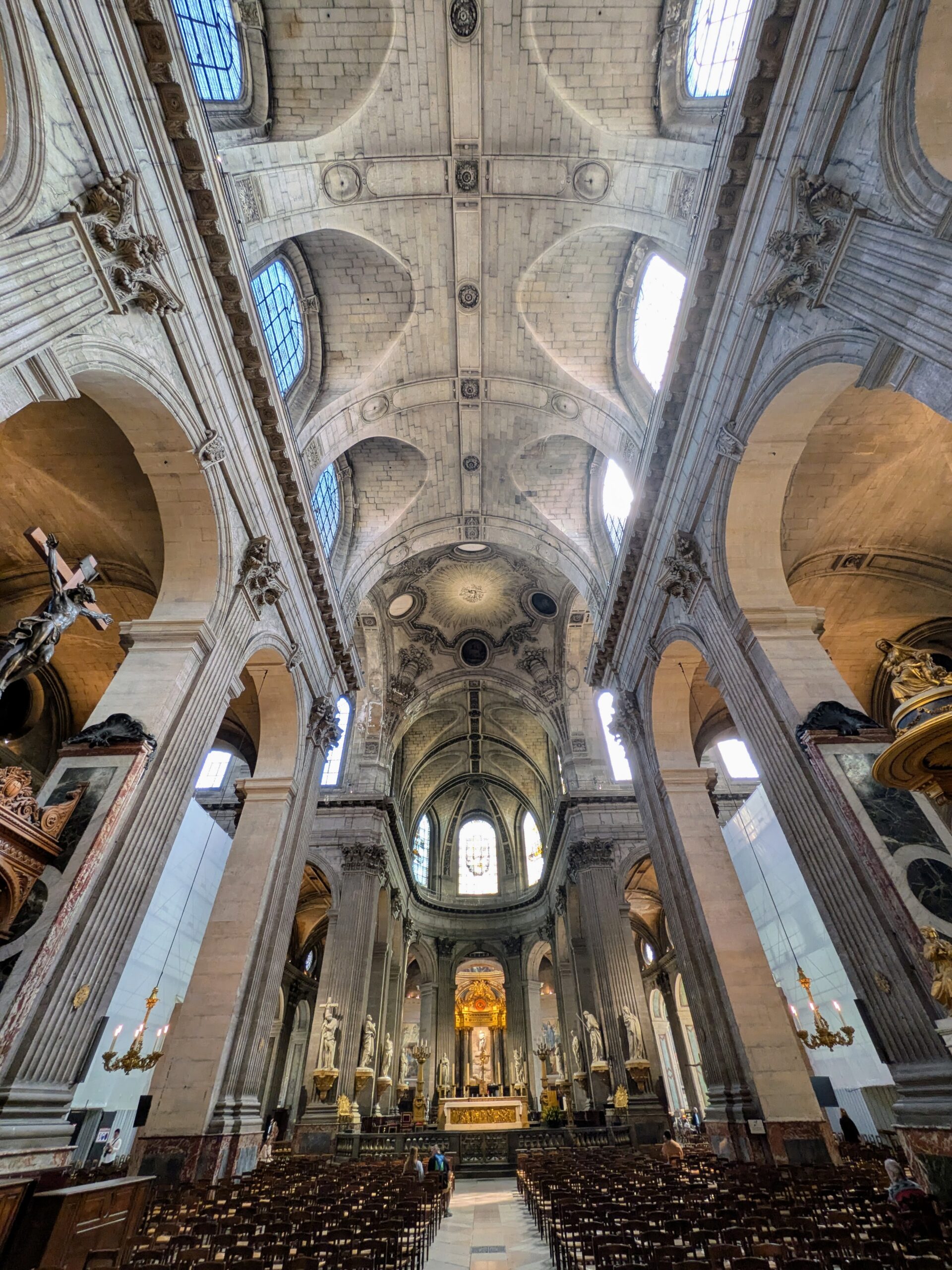
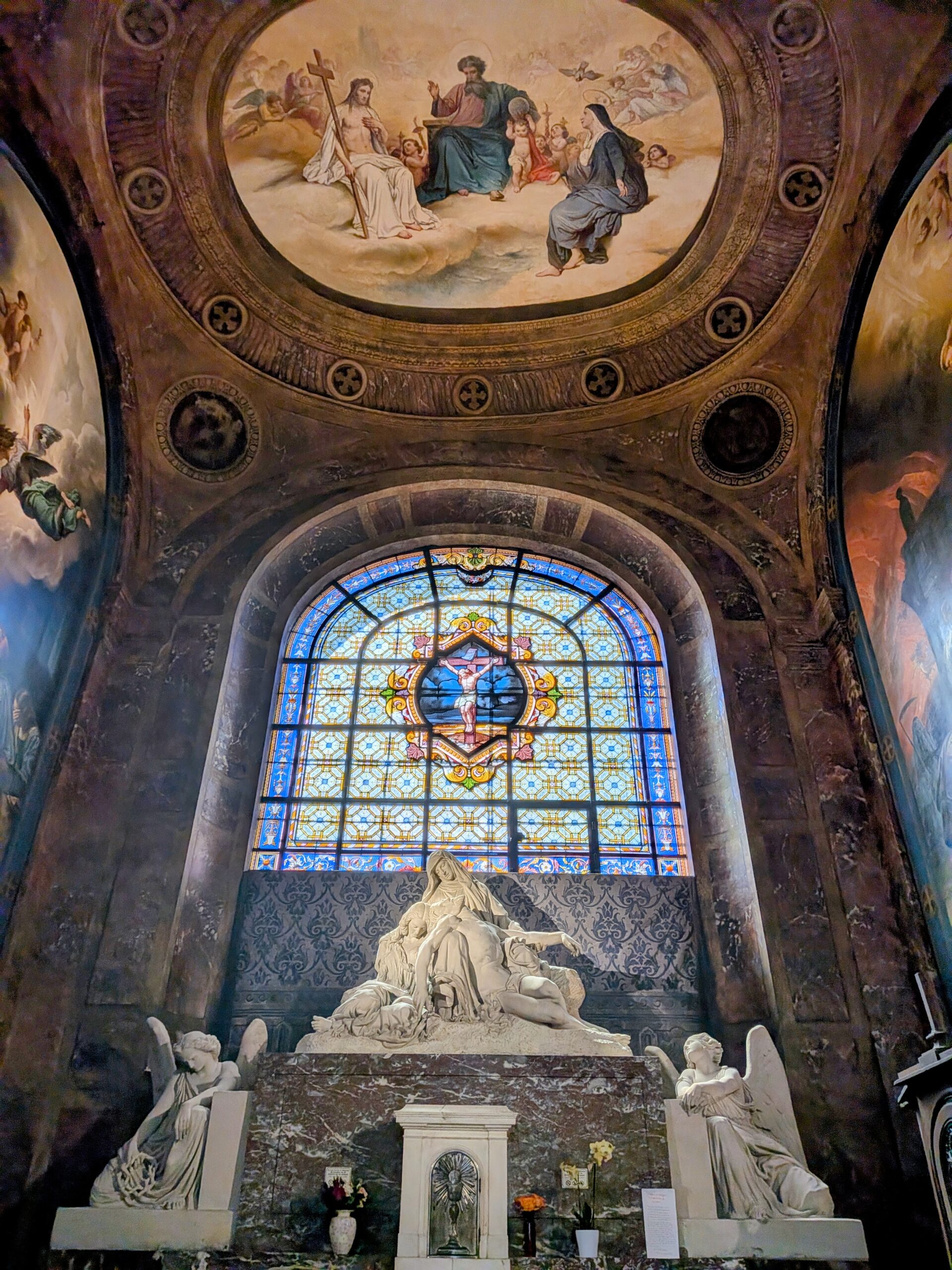
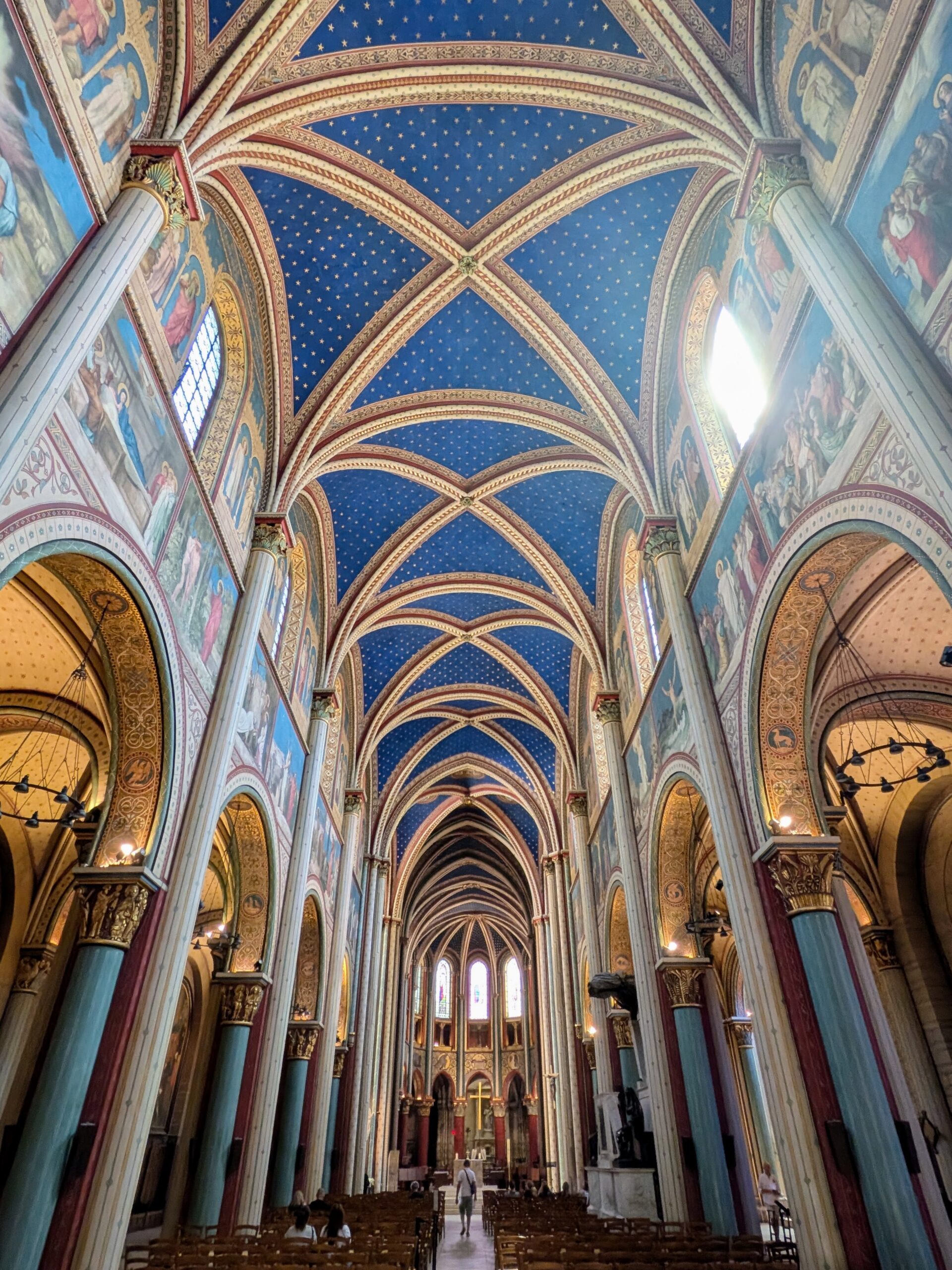
The churches deserve their own mention. I have a habit in European cities of popping briefly into every large church I pass — Saint-Germain-des-Prés and others along our walks — not to linger but to step inside for a moment, smell the incense, take in the scale. These buildings represent extraordinary ambition and extraordinary expenditure, often extracted from ordinary people across generations. The history can be dark, the wealth complicated. And yet the buildings themselves are genuinely awe-inspiring, and holding both of those things at once feels like the honest way to experience them.
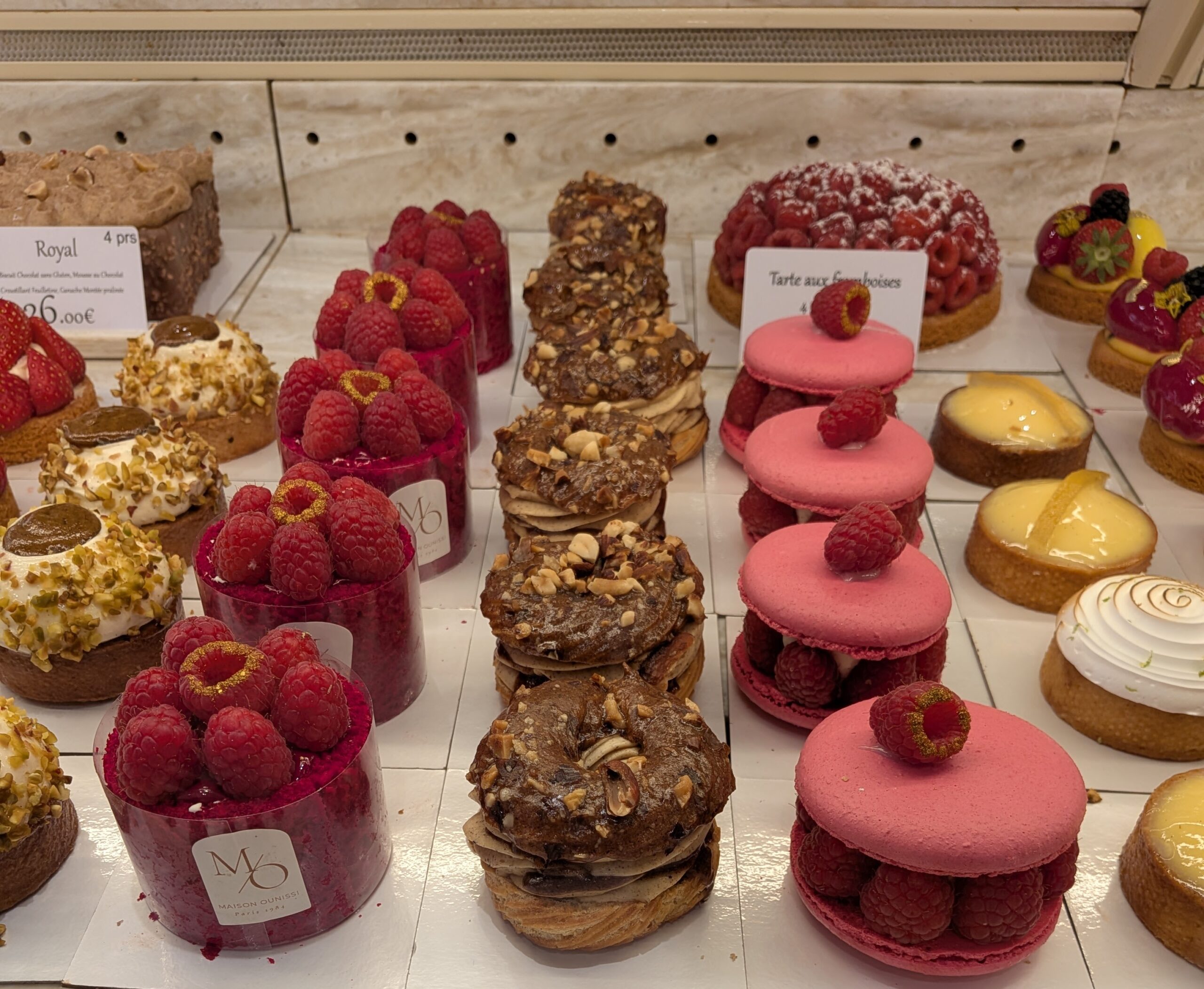
Pastry stops were non-negotiable. Even when we were full, we stopped to look and admire the beautifully decorated desserts.
We also spent a happy stretch of time in the perfumeries, like Diptyque on Francs-Bourgeois — French perfumery is a serious art form, the layering of scents textured and complex in a way that takes time to appreciate. I bought a perfume the last time I was in Paris 25 years ago and knew I wanted to once again find the perfect scent for who I am now. Surae found hers too. A perfect French experience!
Dinner one night at East Mamma — more truffle pasta, because the truffle pasta in this part of the world is extraordinary and I was not going to apologize for ordering it twice — followed by a tiramisu that ended the meal perfectly.
Musée d’Orsay: As Beautiful as I Remembered
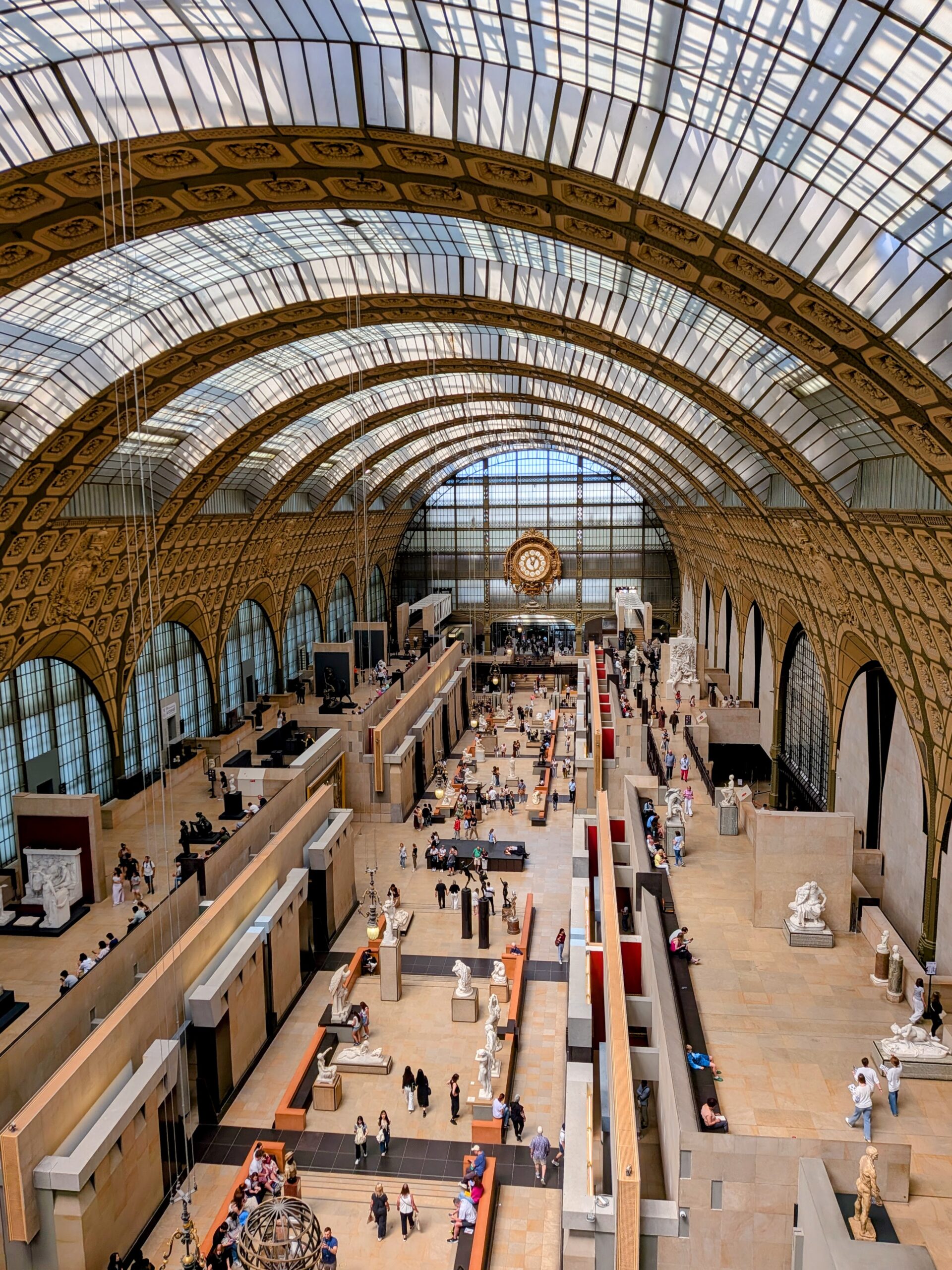
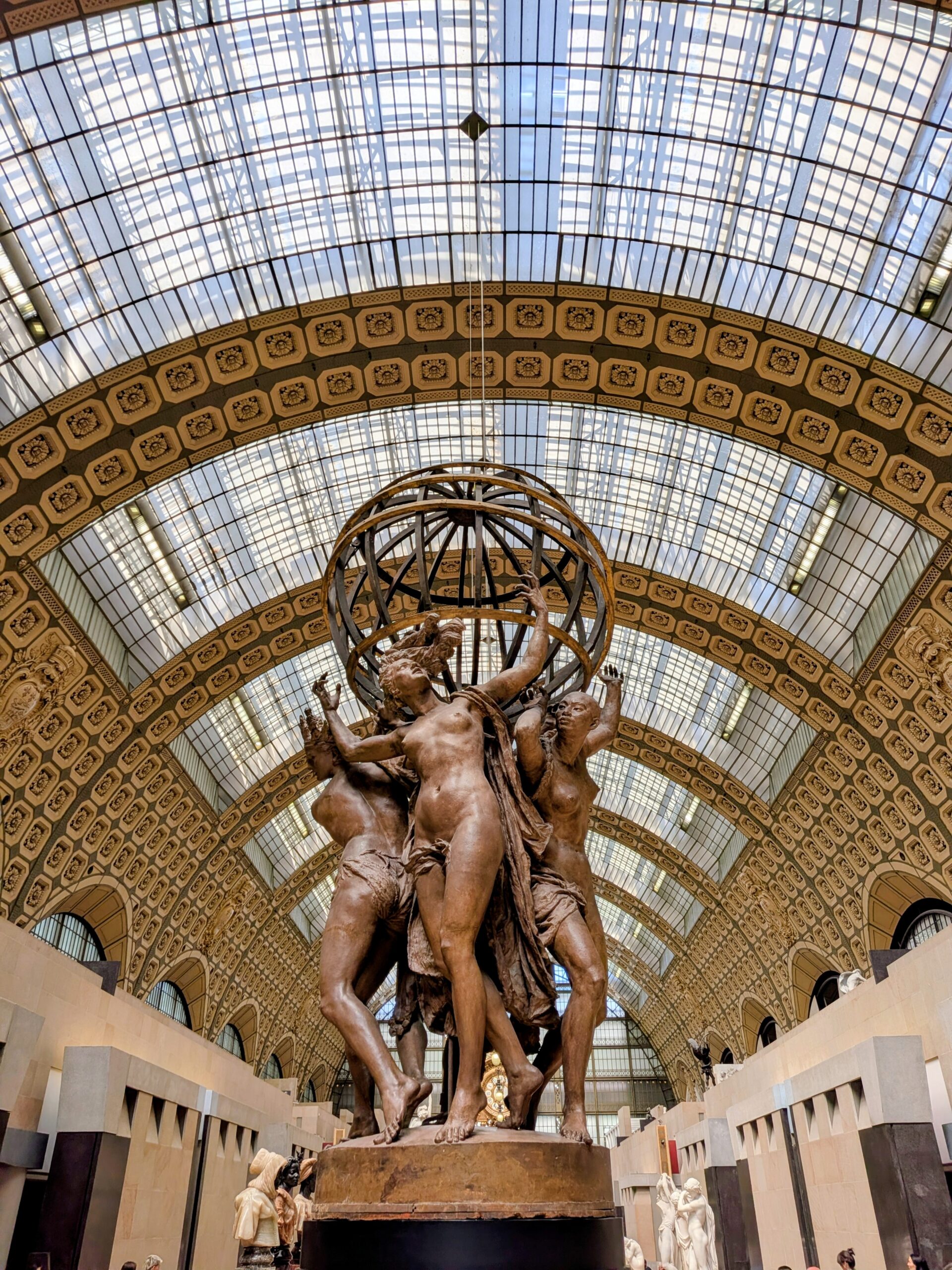
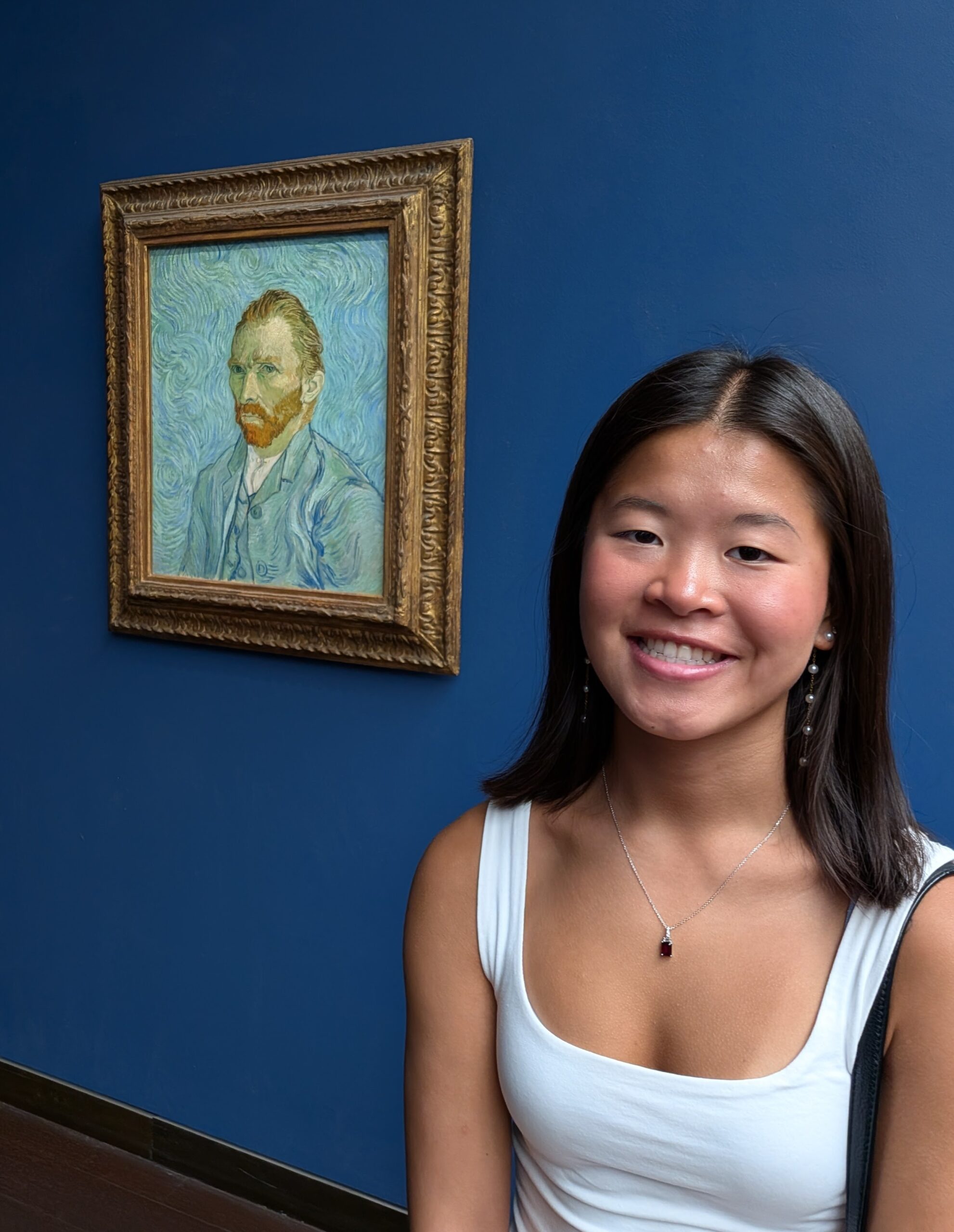
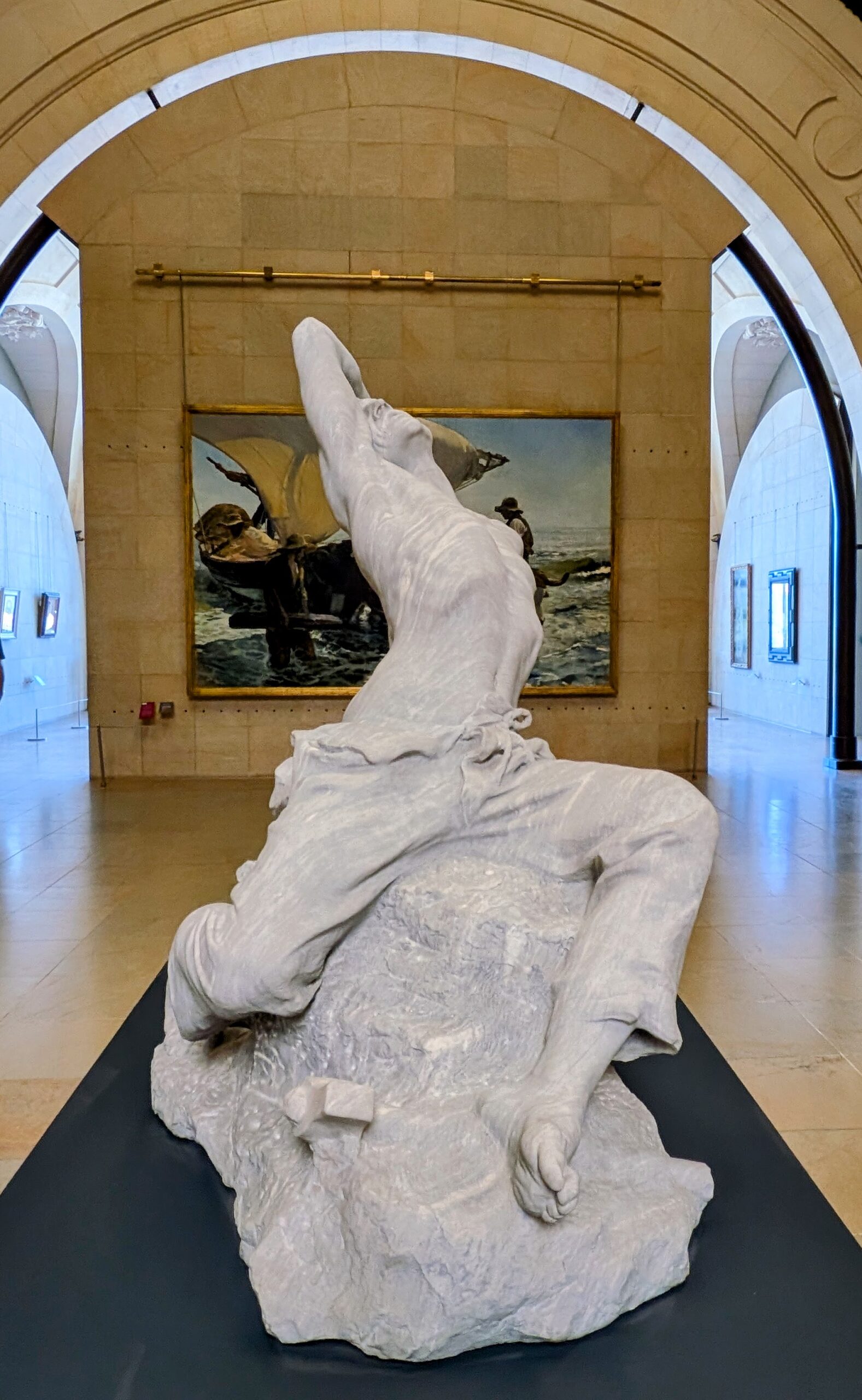
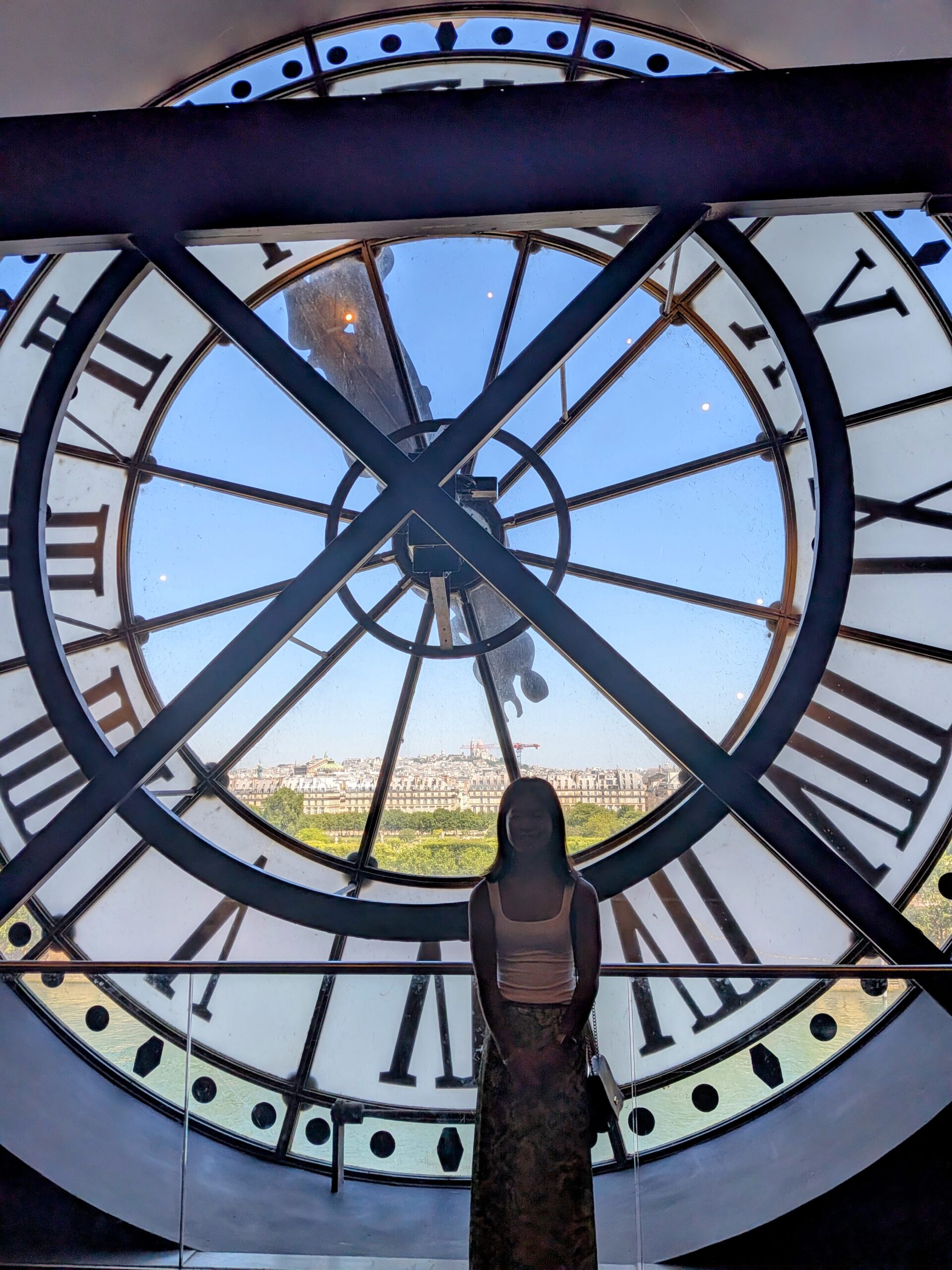
Given that the British Museum had already taken us deep into antiquity, I chose the Musée d’Orsay over the Louvre — and it was exactly the right call. I remembered it from 25 years ago as a magical space and it delivered completely. The building itself is a converted 19th-century train station, with a vast glass ceiling over the central hall that floods everything with light in a way that makes the art feel alive rather than preserved. I had worried about crowds — every major attraction on this trip had been packed — and Orsay turned out to be the exception. Busy, yes, but spacious and unhurried.
I used Rick Steves again here, and again his insights added so much. The Impressionist movement was genuinely radical — a group of artists who rejected the stiff formalism of the official Salon and painted what they actually saw, in the light they actually saw it, in ways that scandalized critics and changed everything. Standing in front of Monet, Renoir, Degas, and Pissarro with that context lands completely differently.
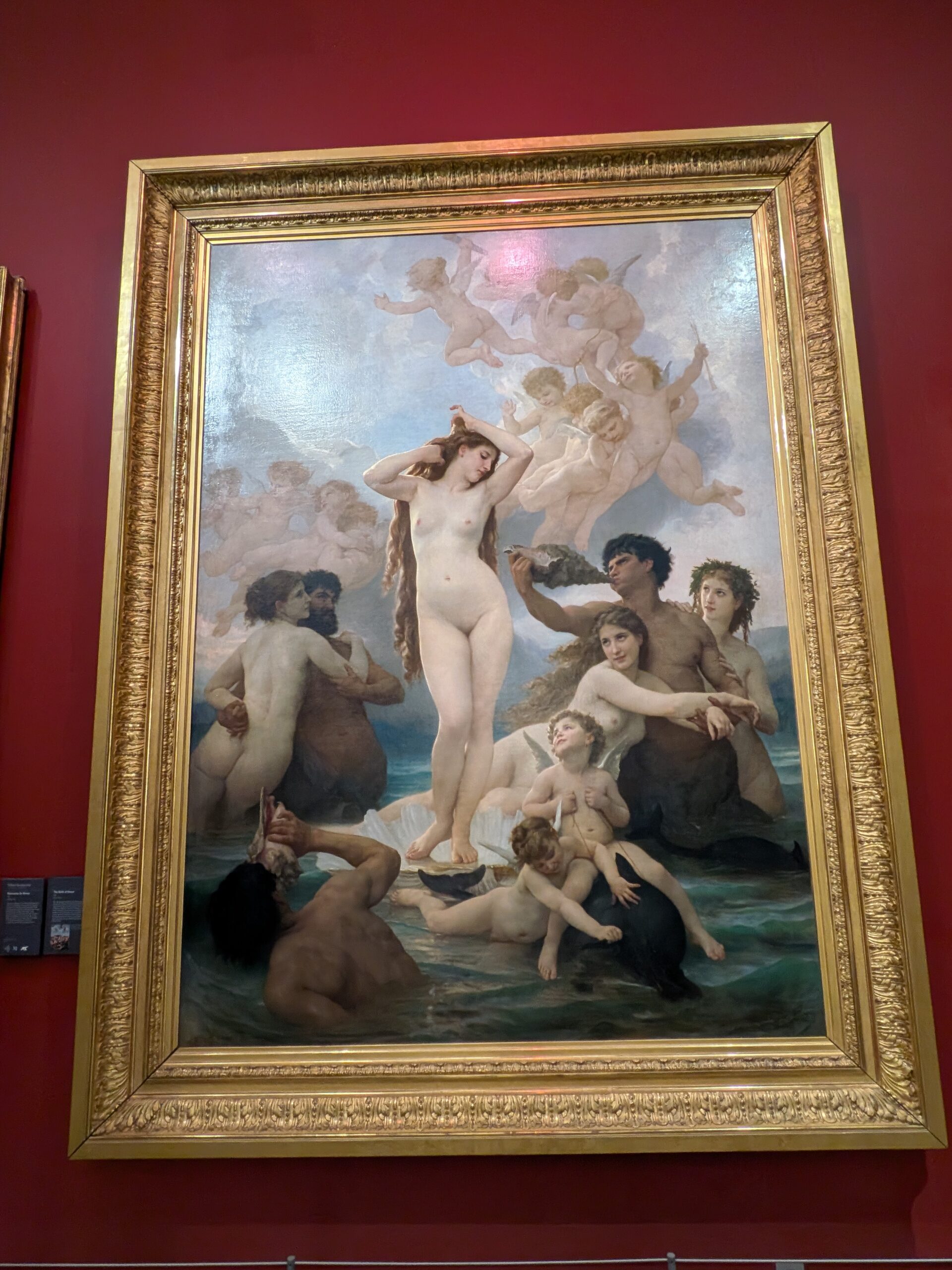
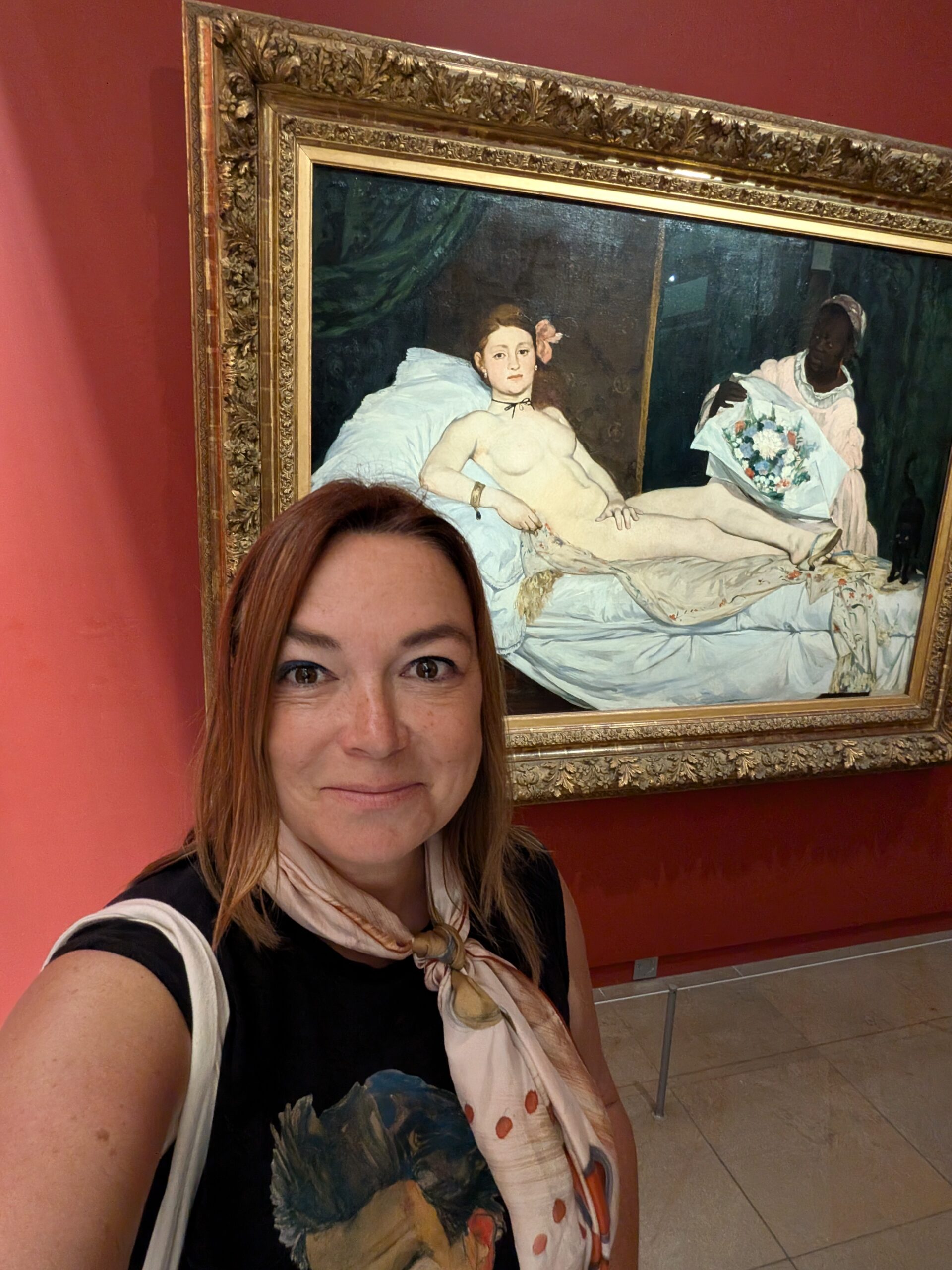
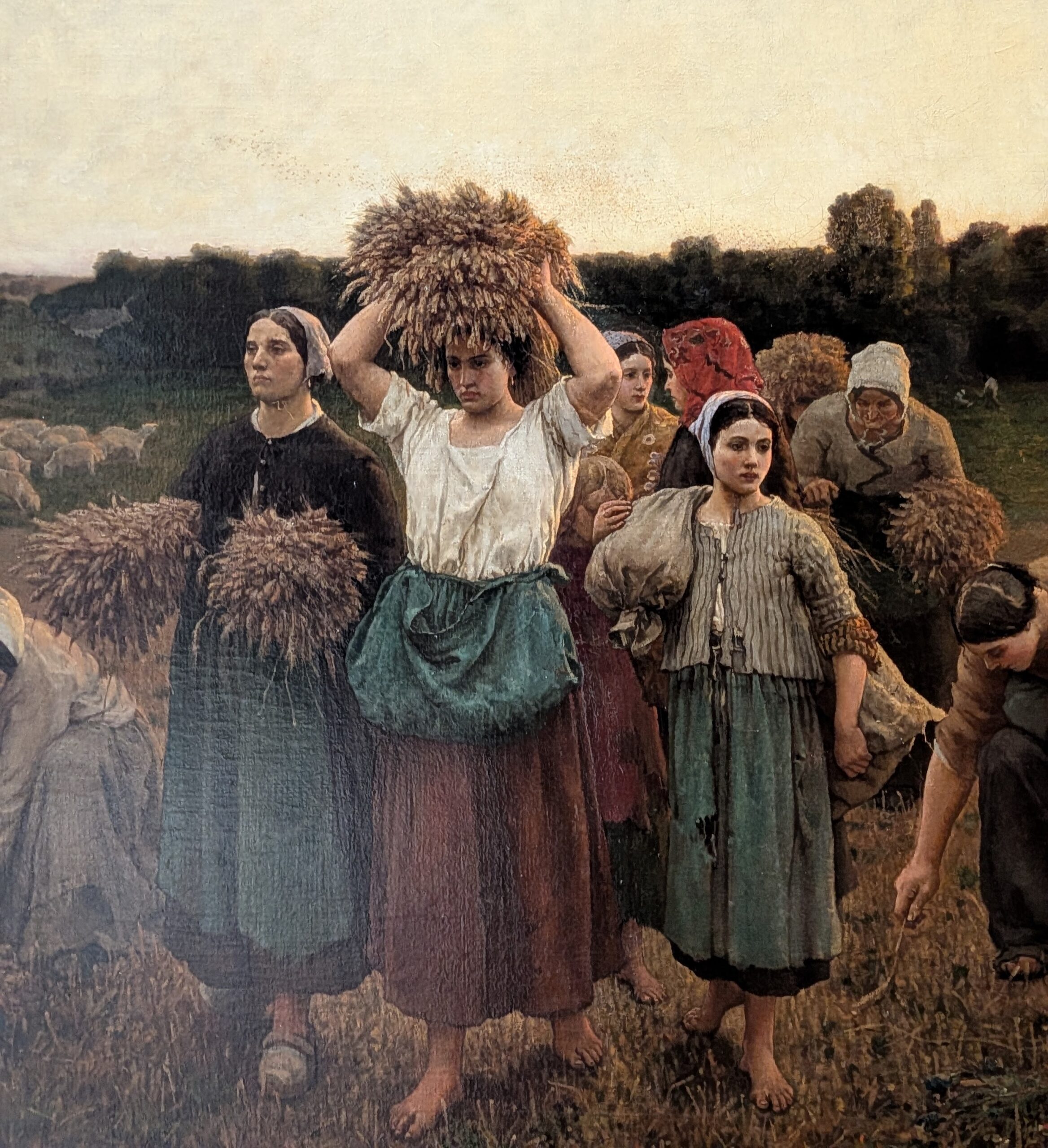
The contrasts within the collection are what stayed with me most. The idealized feminine beauty of academic paintings — Cabanel’s Birth of Venus, women as soft and decorative — placed in conversation with the Realist responses: Millet’s gleaners, peasant women working the fields with hay bundled on their backs, and most defiantly Manet’s Olympia — a nude woman reclining and staring directly, almost challengingly, back at the viewer with an expression that reads clearly as who are you to look at me. Painted in 1865, it caused a scandal. It still kicks ass.
Sainte-Chapelle: The Last Evening
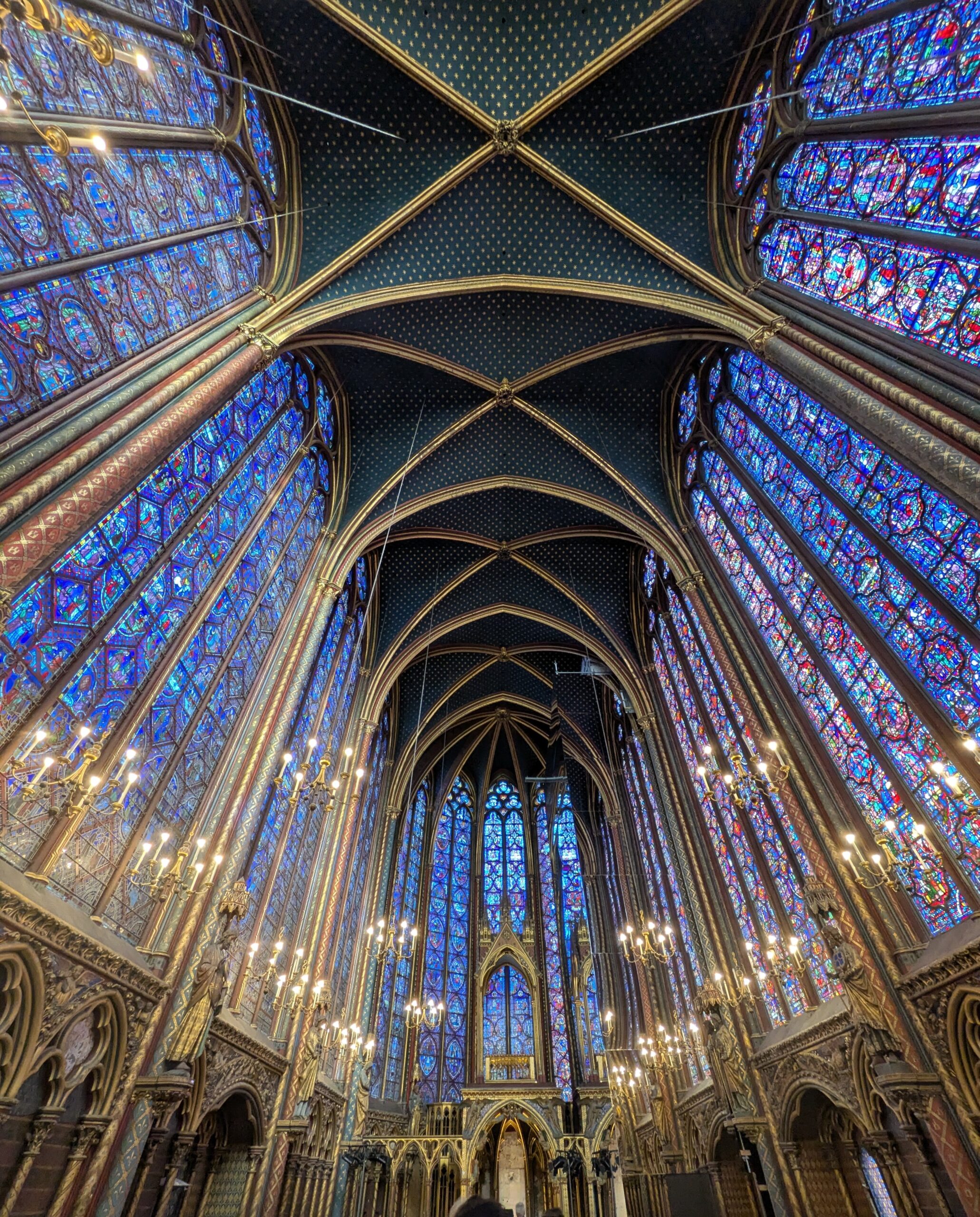
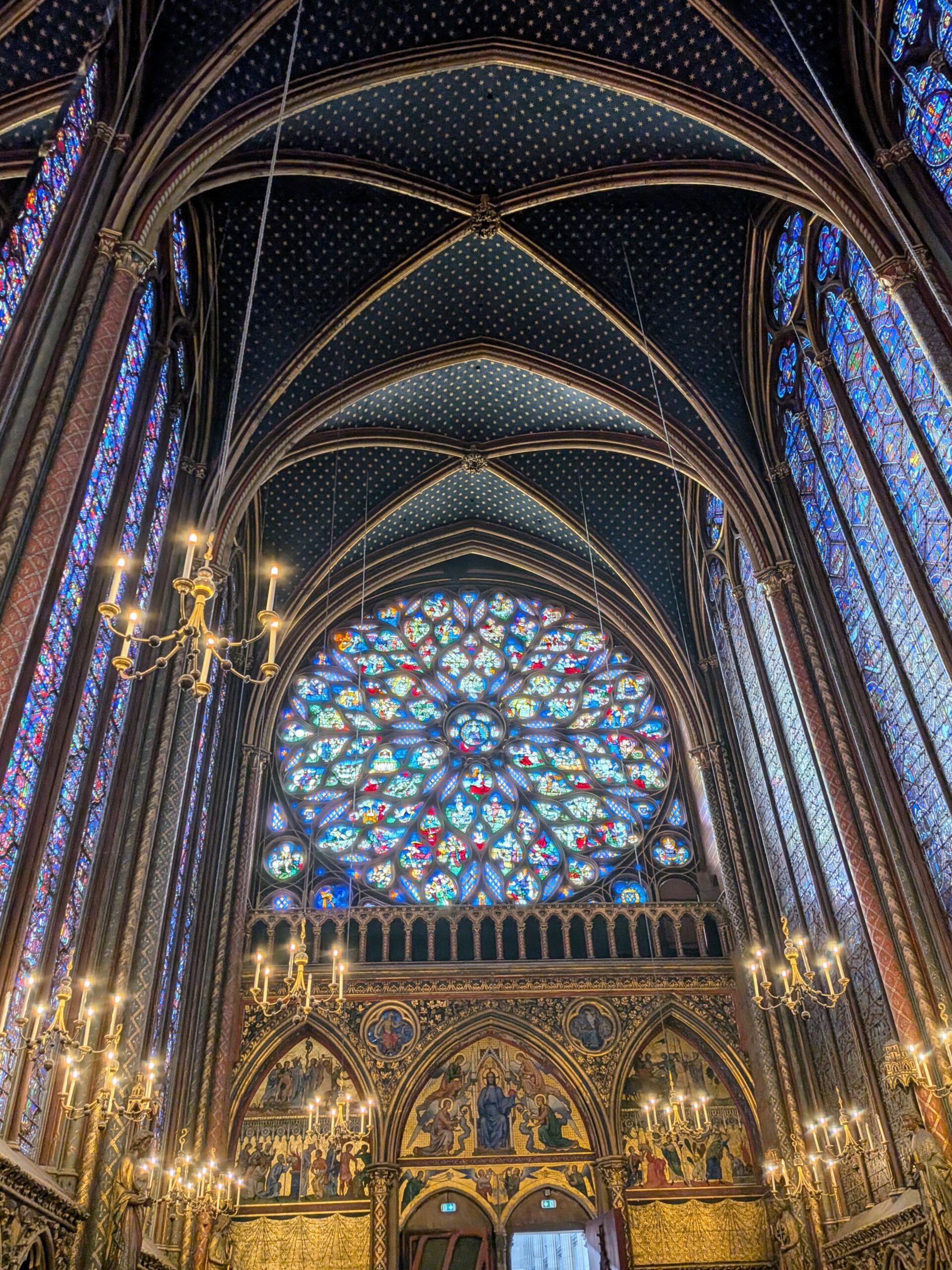
For our last evening together in Paris I had booked tickets for a concert at Sainte-Chapelle — a 13th-century royal chapel on the Île de la Cité, built by Louis IX to house what were believed to be relics of the Passion of Christ, including the Crown of Thorns. What distinguishes it from every other chapel in Paris is the upper chapel, which is essentially a cage of glass — 15 stained glass windows covering 600 square meters of wall space, depicting over 1,000 scenes from the Bible in jewel-toned color. It is one of the most breathtaking interior spaces in the world.
I expected classical music. After opening pieces, a soprano stepped forward. The program was Sacred Arias and Ave Maria — Schubert, Bellini, Verdi, Mozart — and she was extraordinary. Her voice filled that impossibly beautiful space in a way that made the architecture feel designed specifically to hold it. I have seen very little opera in my life. I doubt I’ll ever see it like this again.
Sitting there in that light, listening to that voice, next to my daughter — I thought about how this trip had been planned for at least two years. About how the first attempt ended in grief. About how it finally happened, and what we had done together just here in Paris — Versailles, Notre-Dame, Orsay, parks and pastries and perfume, all of it. About how rare it is to have this kind of time with an adult child, and how quickly the chances for it change as life moves forward. About how much my own life has changed — Mexico, Joe, the world we’ve built — and how I am, genuinely, in the best place my life has ever been.
Lucky, I thought. Really, genuinely lucky.
Saying goodbye the next morning was hard. I teared up. I hugged her tightly. And then I applauded myself, quietly, because moving to Mexico when I did, so soon after Surae graduated high school, brought its own Mommy guilt — the fear of leaving, the worry about what it meant. But this trip is the answer to that worry. I gave her something most kids probably never get with their mothers. Life has changed, but she knows I am still here — just differently, in a new shape, making memories we will carry for a long time.
Then I put her in a cab, turned around, and headed to Lyon.