London with Surae: A Long-Awaited Trip, a Royal Surprise, and Walking Over the Dead
This trip had been a long time coming. When Surae graduated high school, we planned a celebratory trip to Europe — a send-off into the next chapter. Then, right as we were about to leave, my dad ended up in the hospital. He passed away shortly after, and the trip got folded away for another time. That time finally arrived, and we set off for London — a city I have a long history with.
In the summer of 2001, while teaching and working on my master’s degree at Furman, I applied for a working holiday through BUNAC and ended up spending the summer living and working at The Drayton Arms, a British pub in Chelsea. It was my first time overseas and an incredible experience on my own meeting new people, taking buses to explore new places, and gaining some much needed independence. London got into me then, and it has never quite left. Returning with Surae felt like ta great way to start the trip.
Bloomsbury and the Canal to Camden
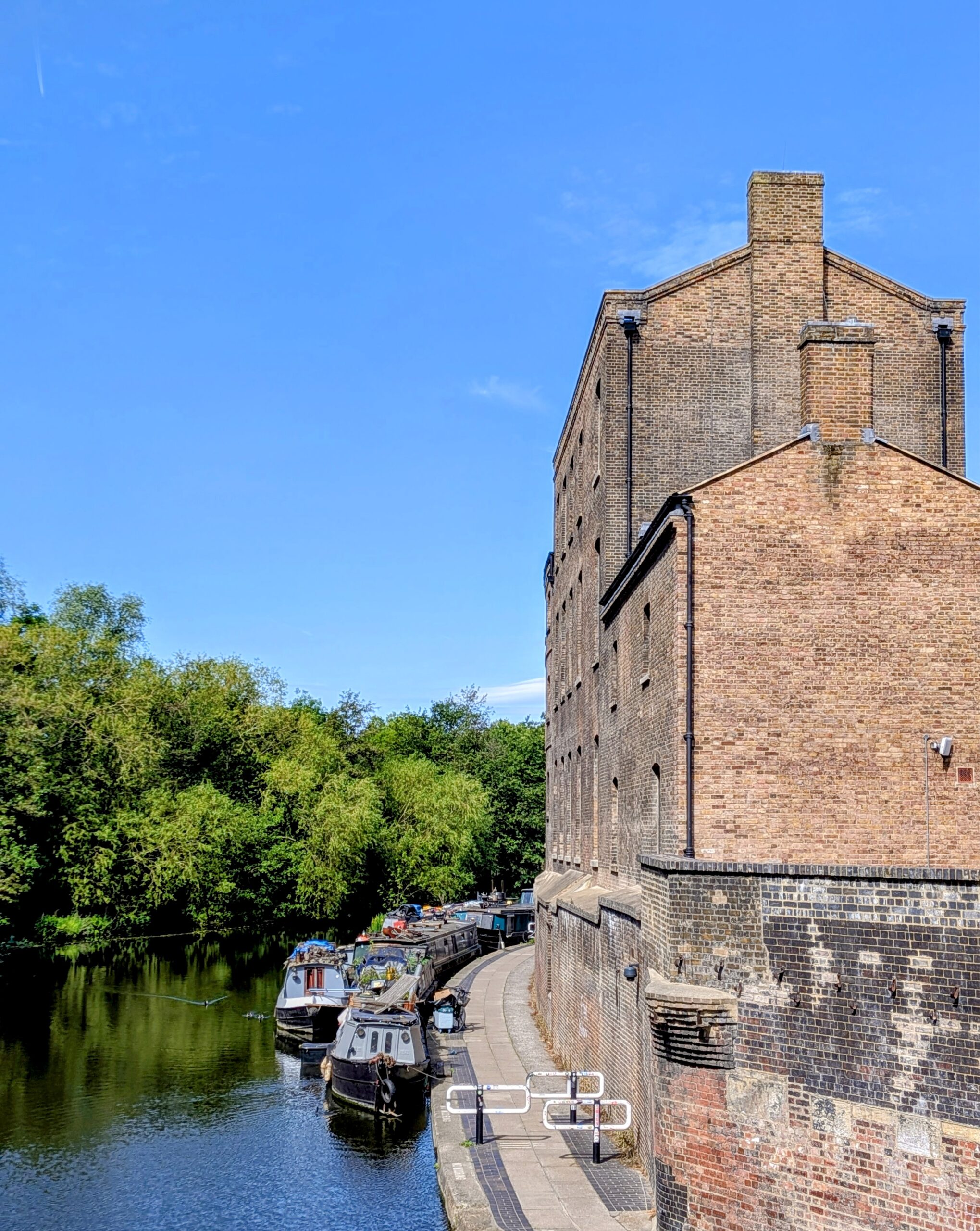
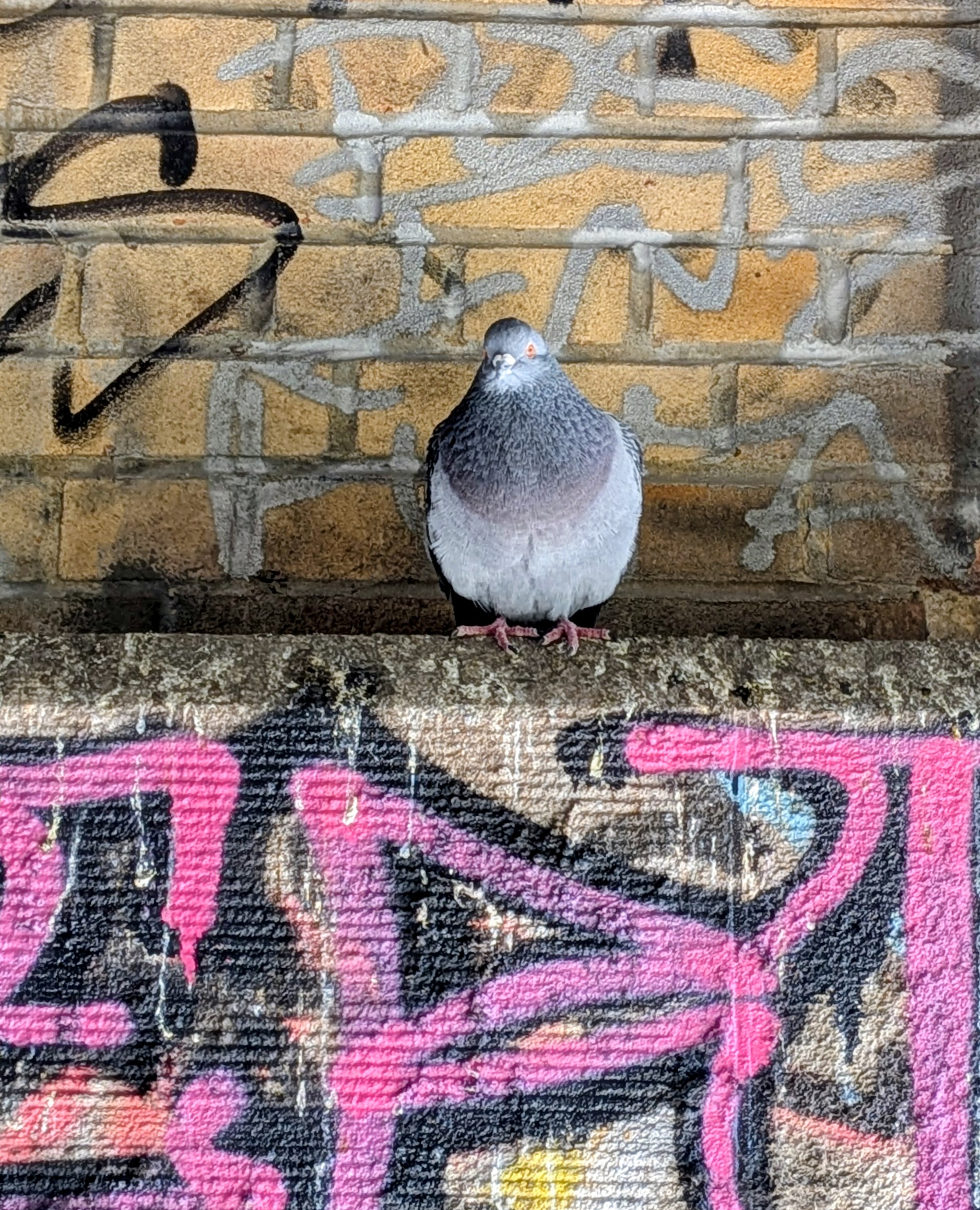
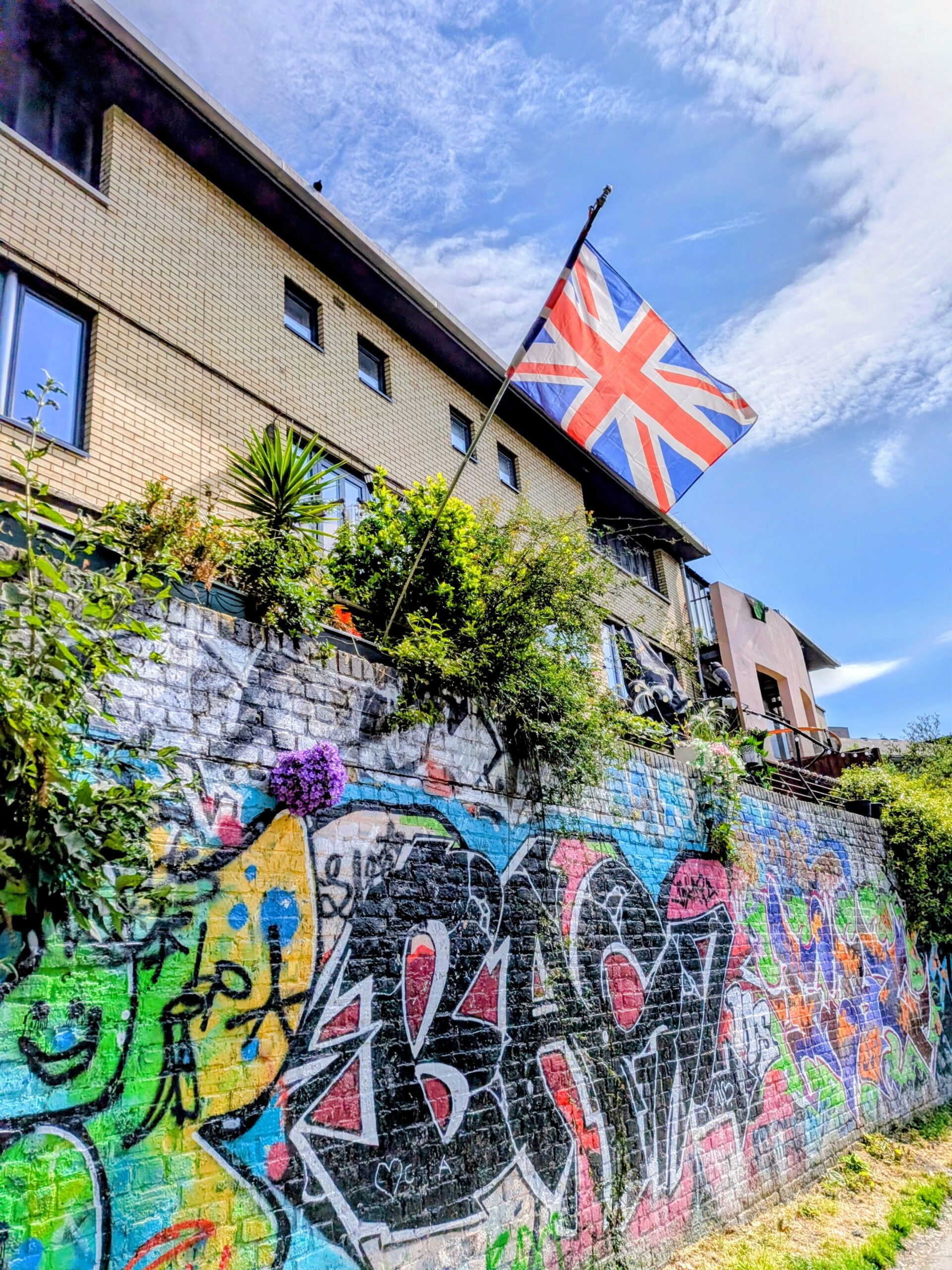
We stayed in Bloomsbury, which turned out to be an excellent base — central, well-connected by both tube and bus, and full of character. After dropping our bags we set off on foot along the Regent’s Canal towpath, which carried us straight up to Camden. The canal path is its own London — graffiti murals along the brick walls, narrowboats moored along the banks looking genuinely lived-in, covered in plants and the accumulated personality of people who have chosen a different kind of city life. We spent a while wandering Camden Market, enjoying the aimless browsing while trying to fight the jet lag.
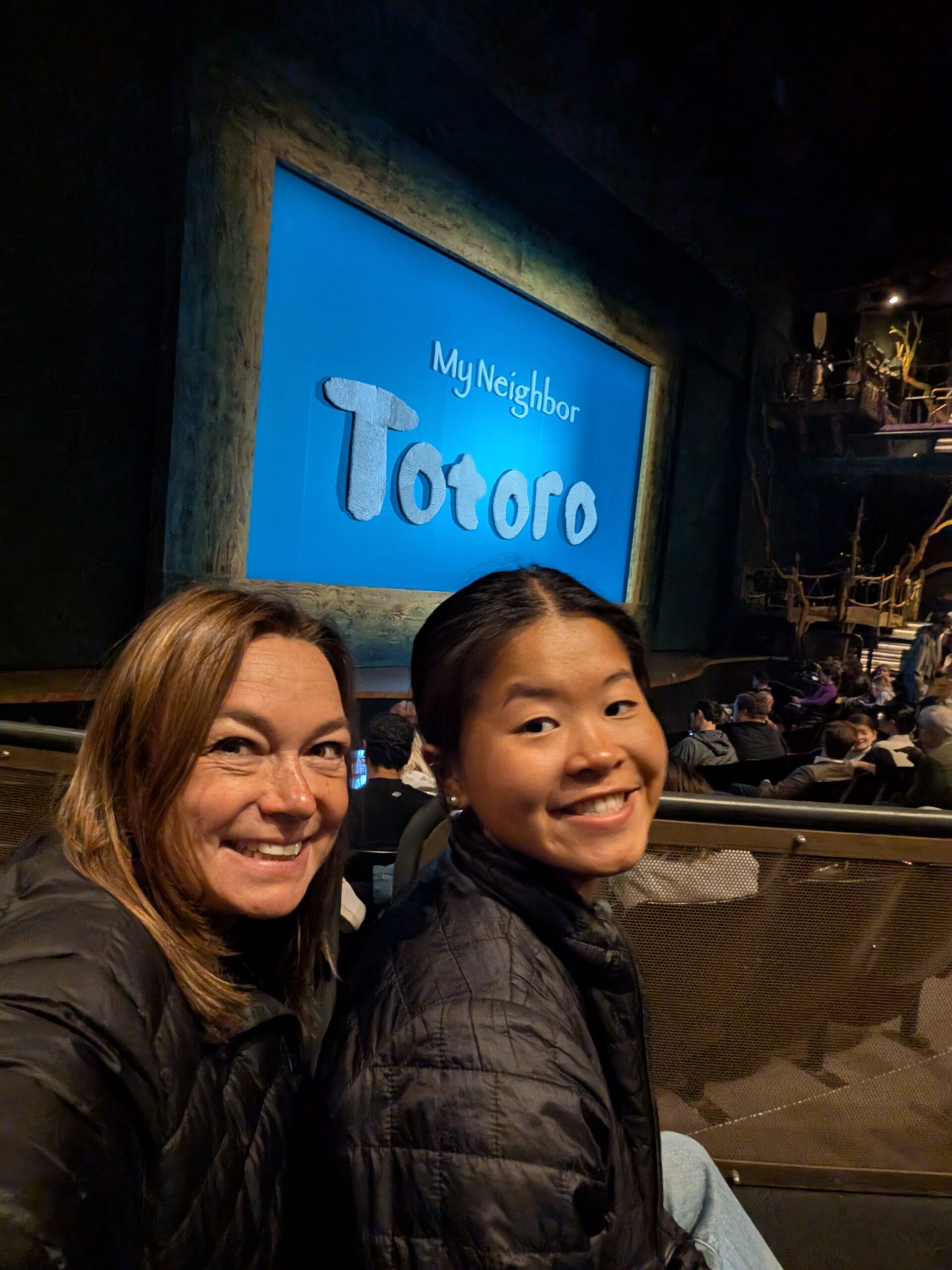
That night we had dinner at Circolo Popolare — an Italian restaurant that delivered beautifully on truffle pasta and burrata. Then we made our way to the West End for the new production of My Neighbor Totoro, the stage adaptation of the beloved Studio Ghibli film. The sets were extraordinary — genuinely Japanese in feeling, inventive and warm — and Totoro himself, when he finally appeared, was significantly larger than anyone in the audience seemed to expect. A great way to start the trip!

An Unexpected Royal Procession
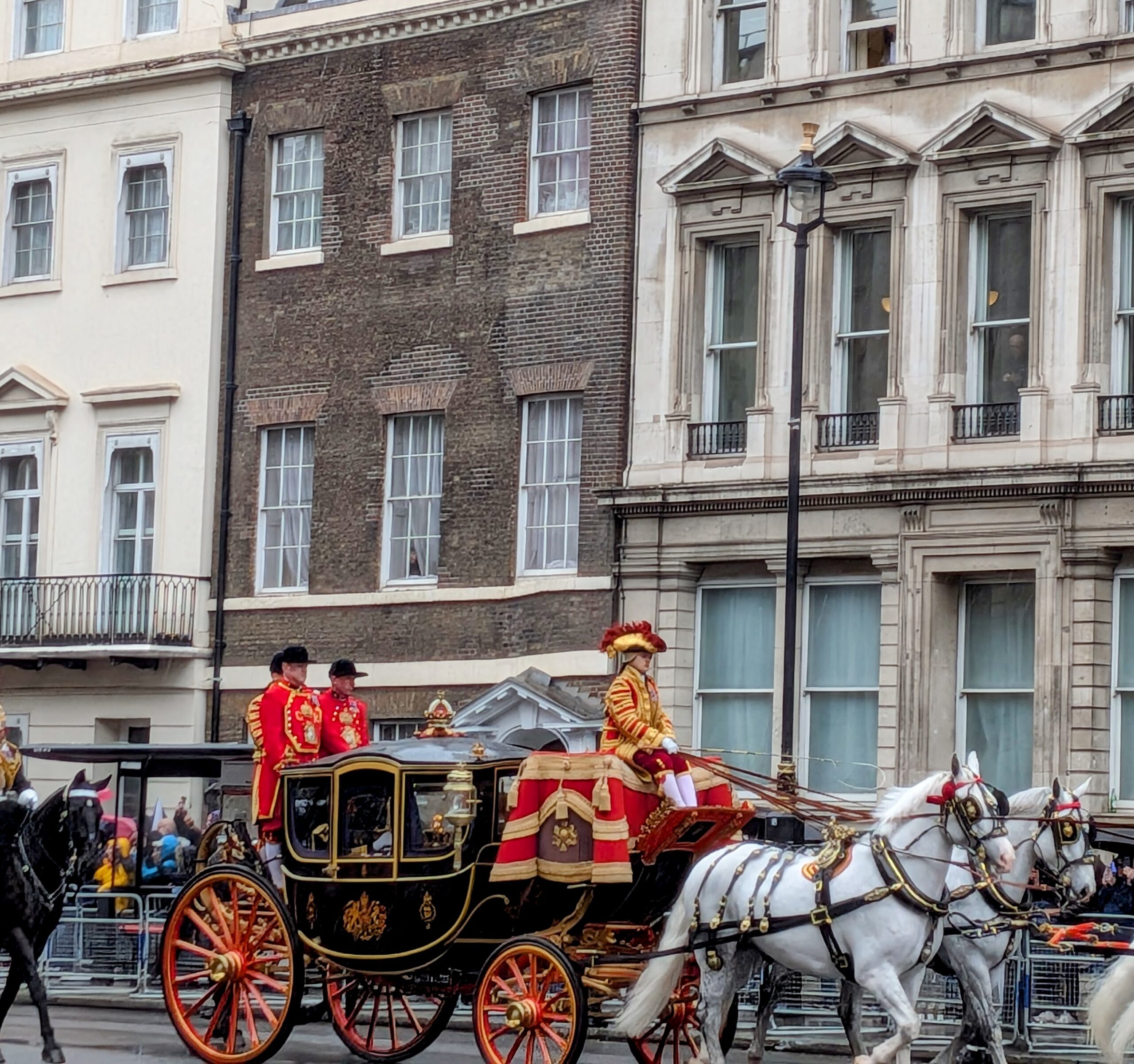
The next morning we set out for Westminster Abbey and quickly realized the streets surrounding the area were completely blocked. Guards at the tube directed us away and told us what was happening: the State Opening of Parliament, and the King making his way through Westminster in the royal coach. We stayed and watched while the rain fell, enjoying the spectacle of it all.
Westminster Abbey: Walking Over the Famous Dead
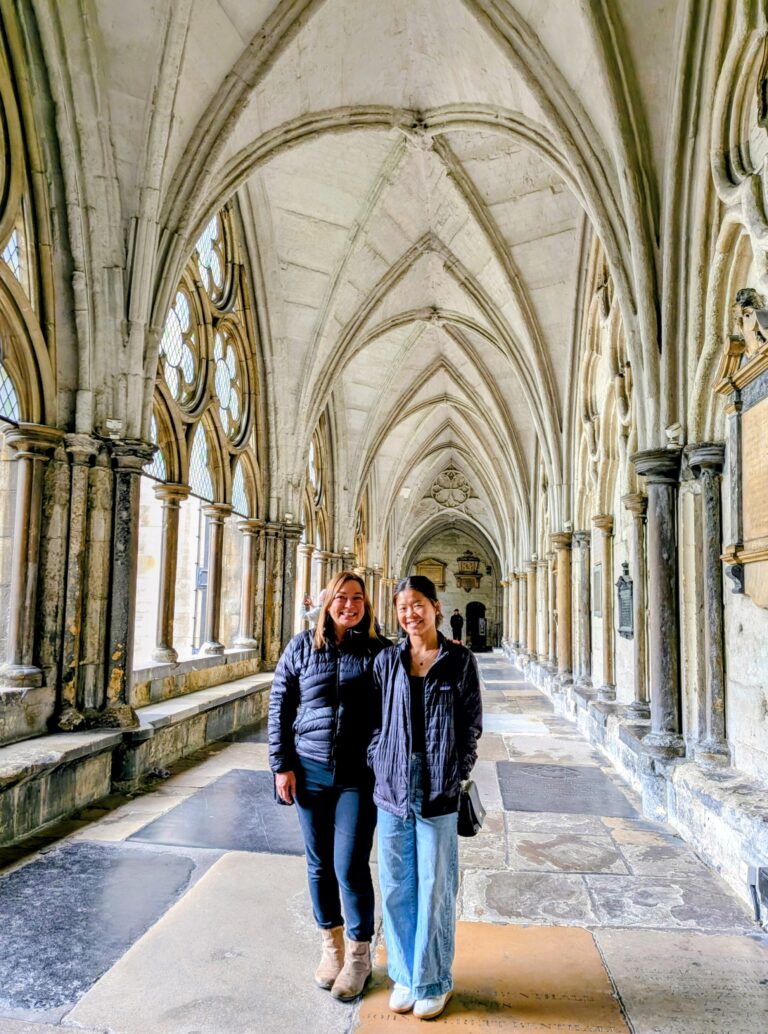
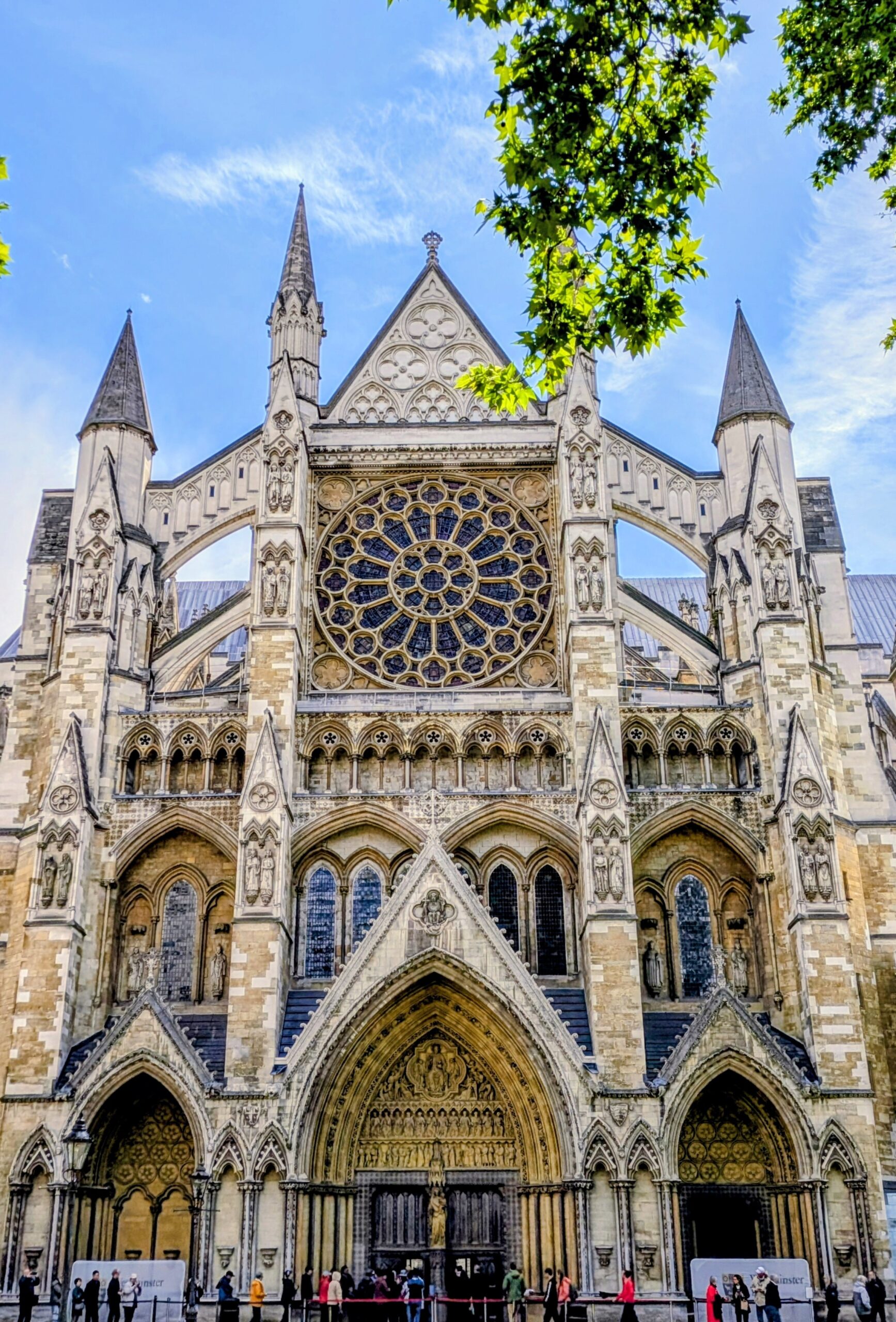
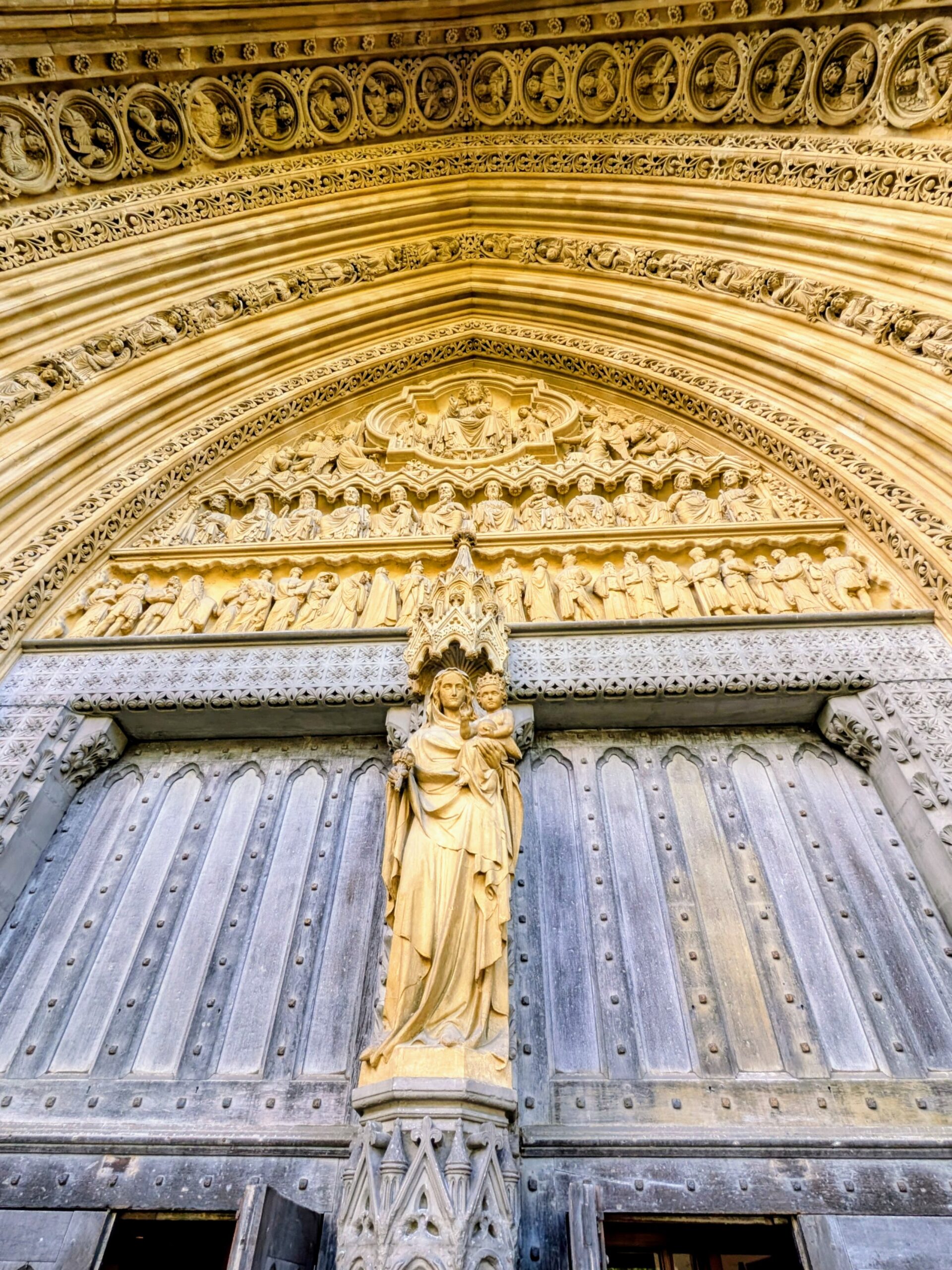
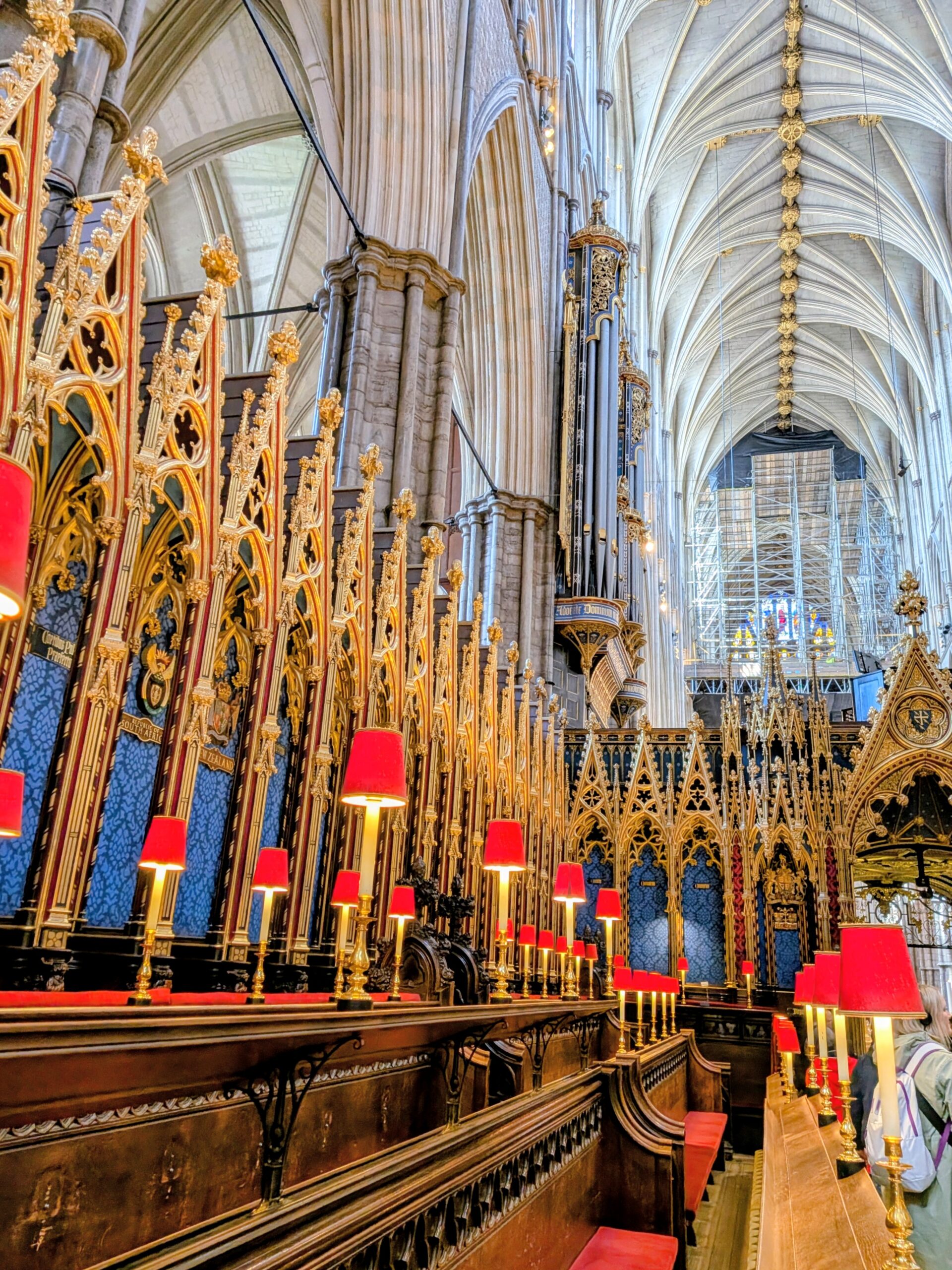
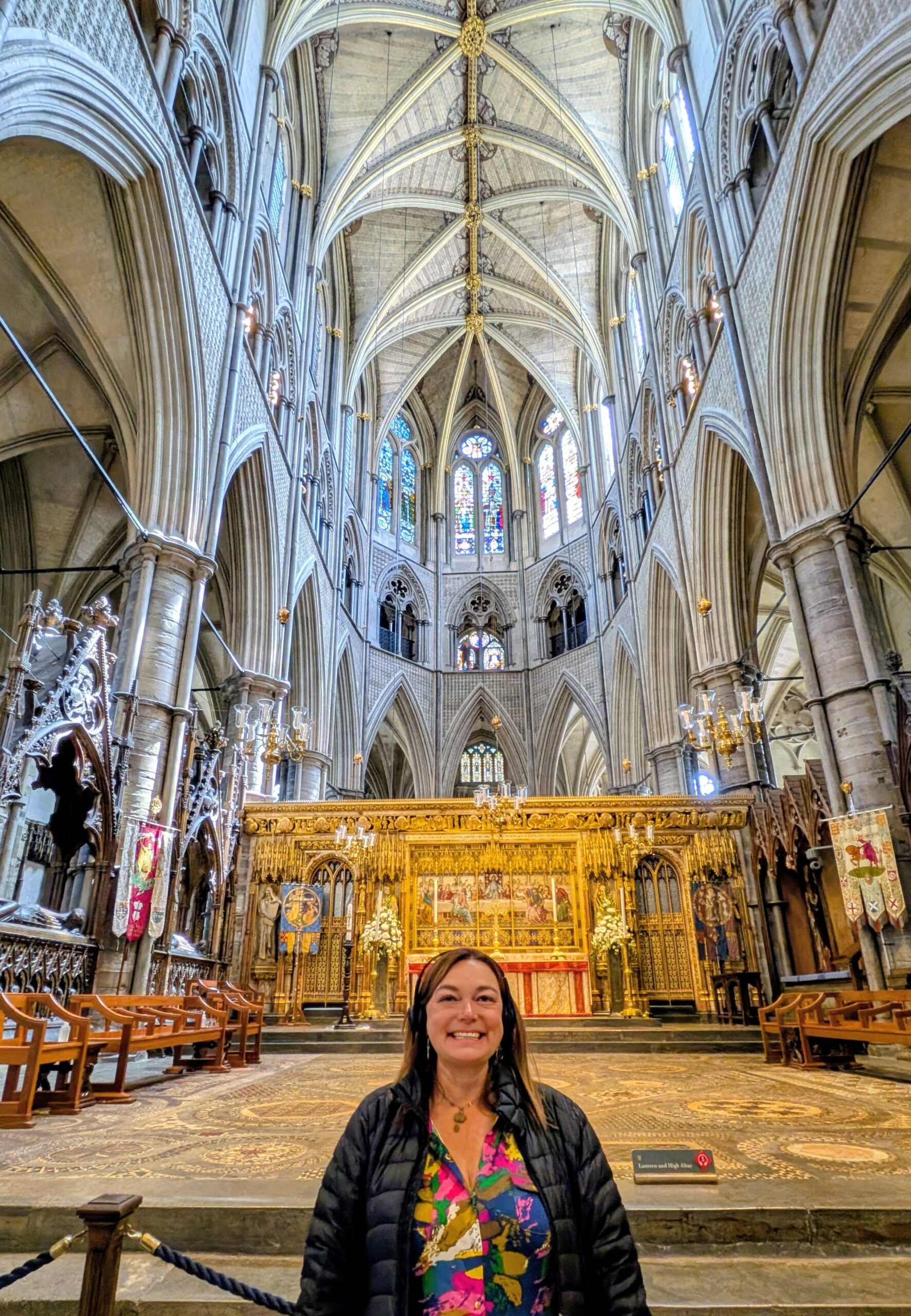
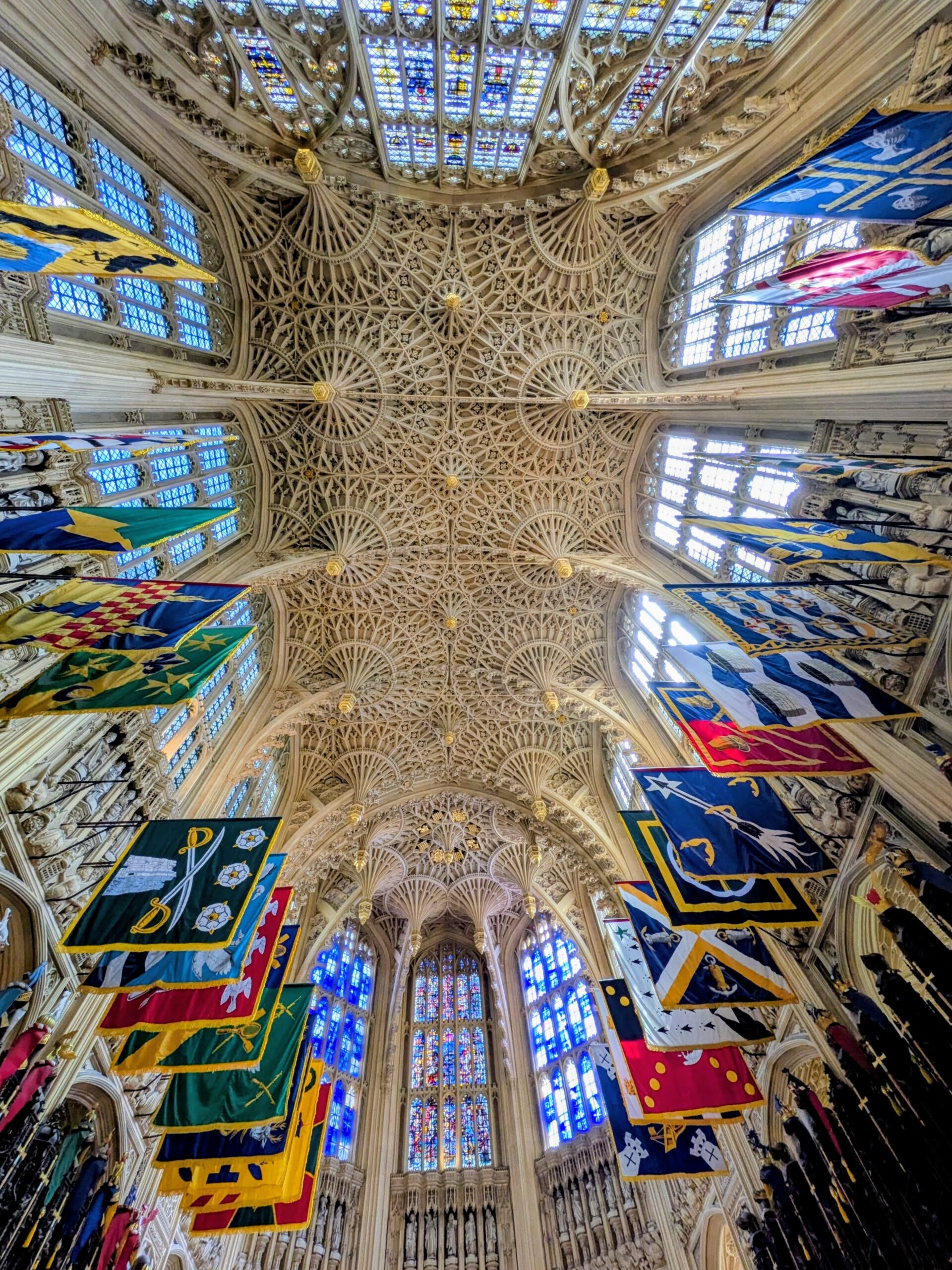
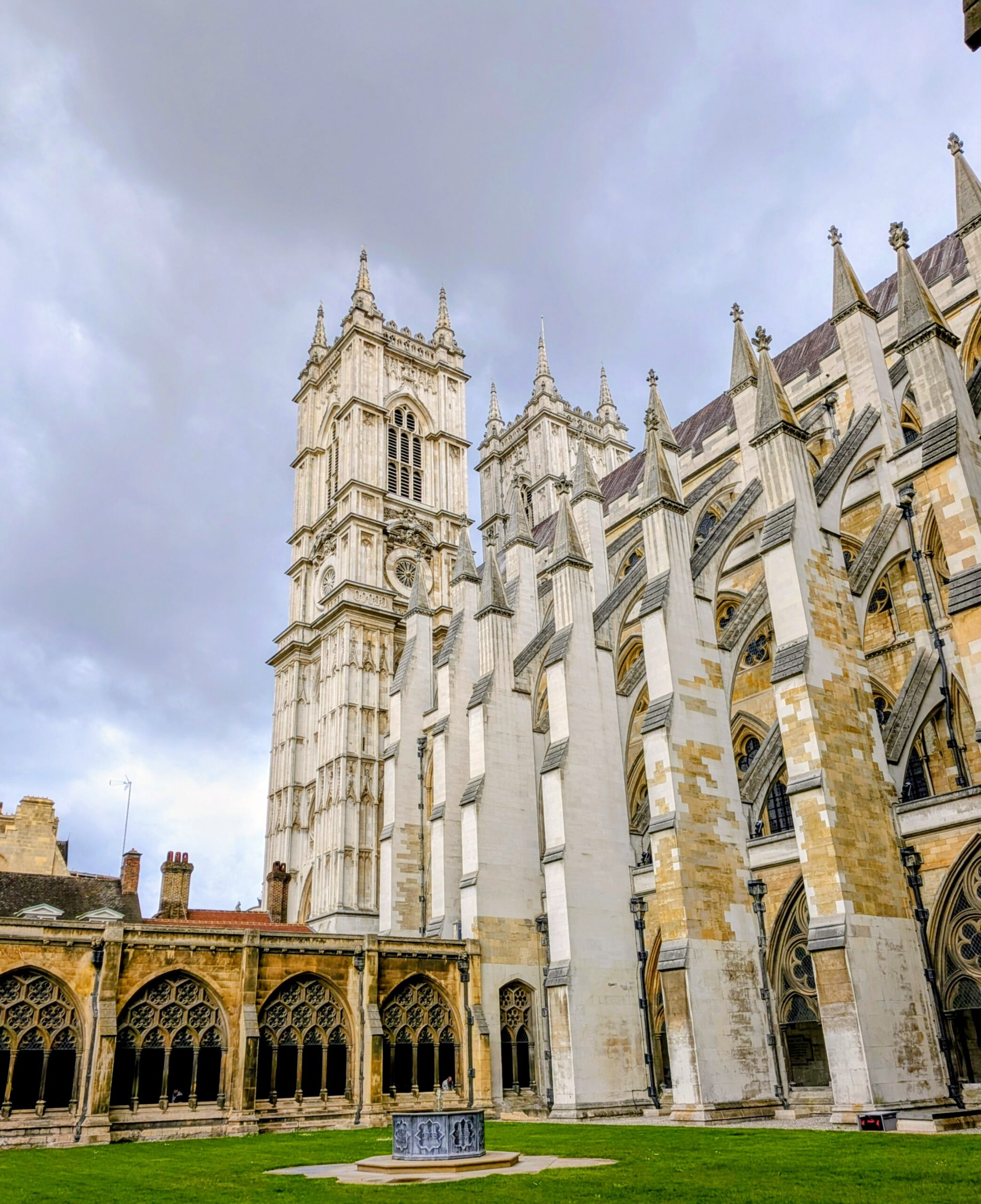
Westminster Abbey has been the spiritual heart of the English monarchy for nearly a thousand years. Since the coronation of William the Conqueror in 1066, every coronation of English and British monarchs has taken place here, along with 16 royal weddings. Henry III rebuilt it in honor of Edward the Confessor in the 13th century, and it has been expanding and accumulating history ever since.
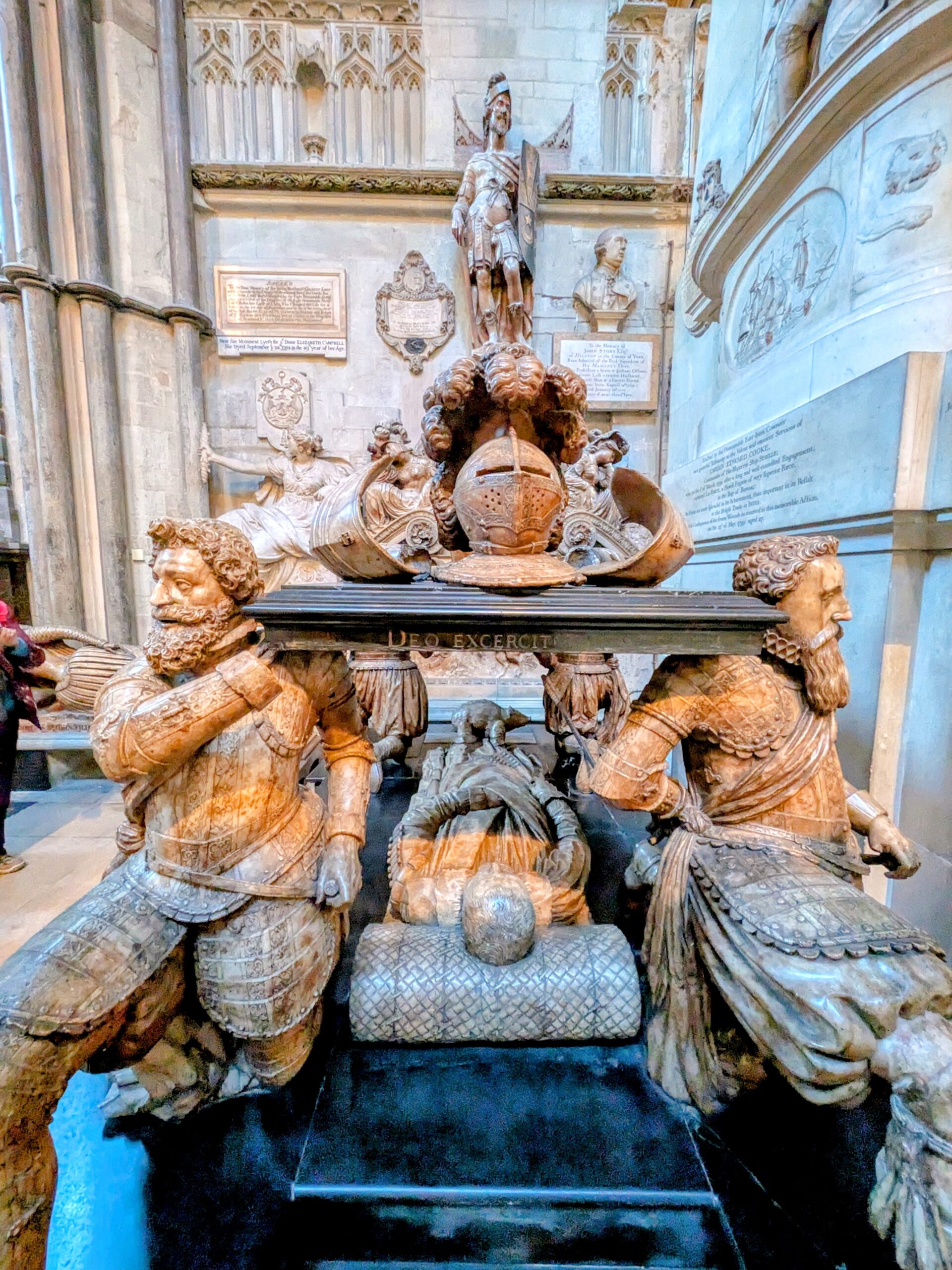
What hits you first, walking in, is the floors. More than 3,300 people are buried or commemorated in Westminster Abbey, including 30 kings and queens alongside prominent Prime Ministers, scientists, actors, and explorers. You are, quite literally, walking over the dead — and not just any dead. The roll call is staggering. Isaac Newton was buried here on 4 April 1727, and Charles Darwin followed in 1882. Charles Dickens is in Poets’ Corner. Stephen Hawking’s ashes were interred near Newton and Darwin in 2018, his memorial stone inscribed with his most famous equation and the words: Here lies what was mortal of Stephen Hawking.
Poets’ Corner alone contains Chaucer, Tennyson, Kipling, and memorials to Shakespeare, the Brontës, and Jane Austen. The scientists’ section clusters Newton, Darwin, Hawking, and Faraday. The royal chapels hold monarchs going back to the medieval era. The free audio guide provided helped us actually find things and understand what we were standing in front of rather than wandering through overwhelmed.
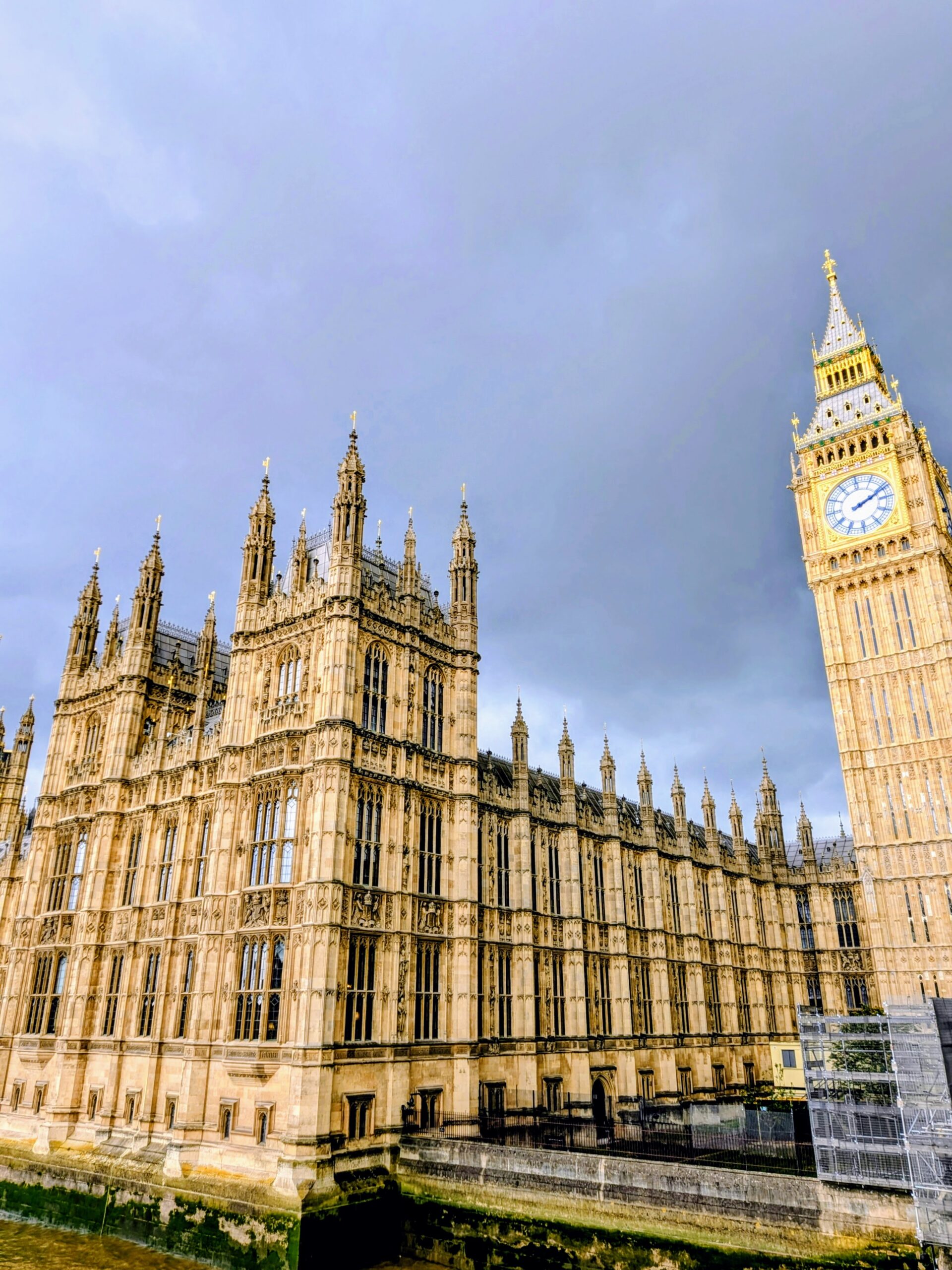
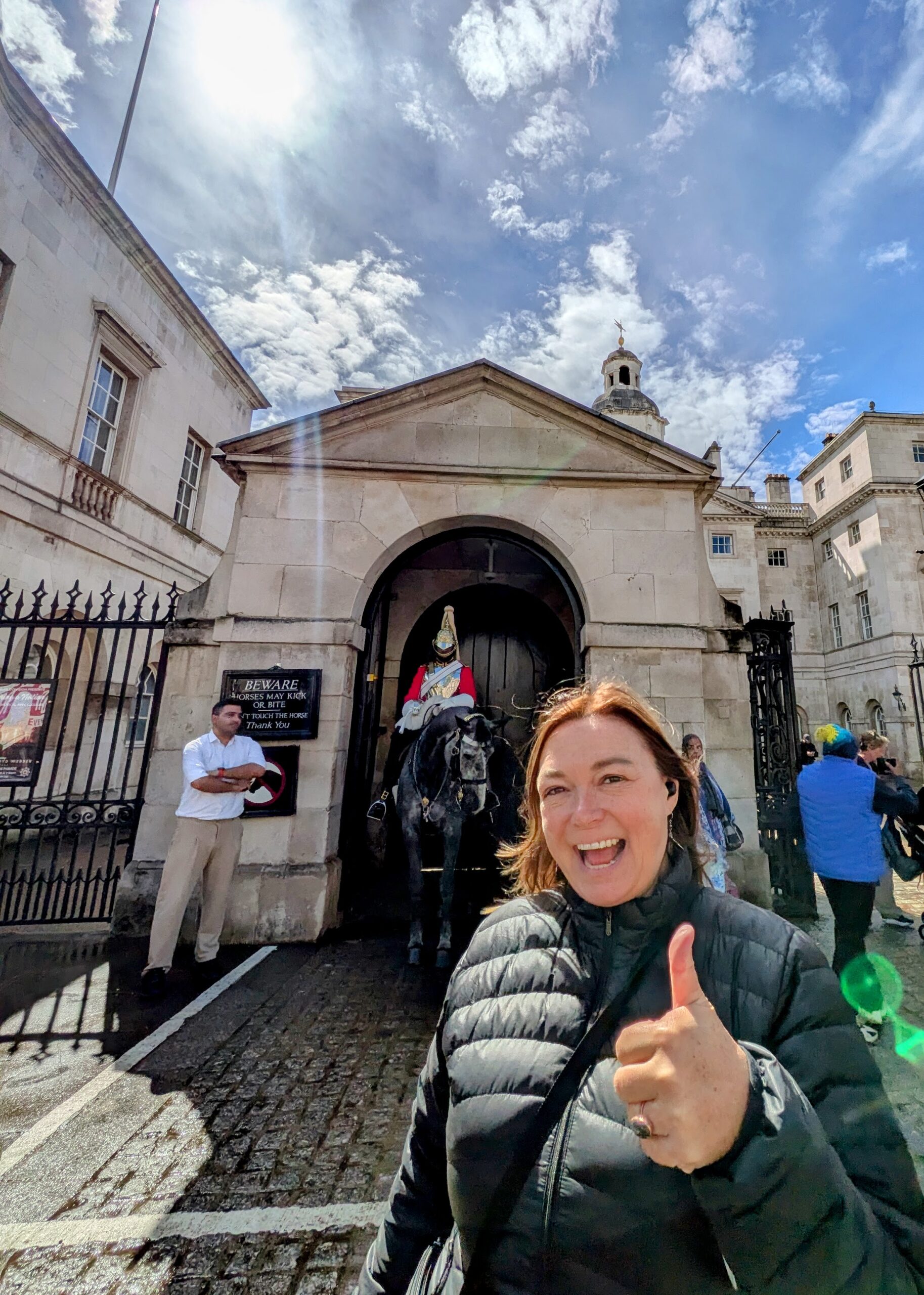
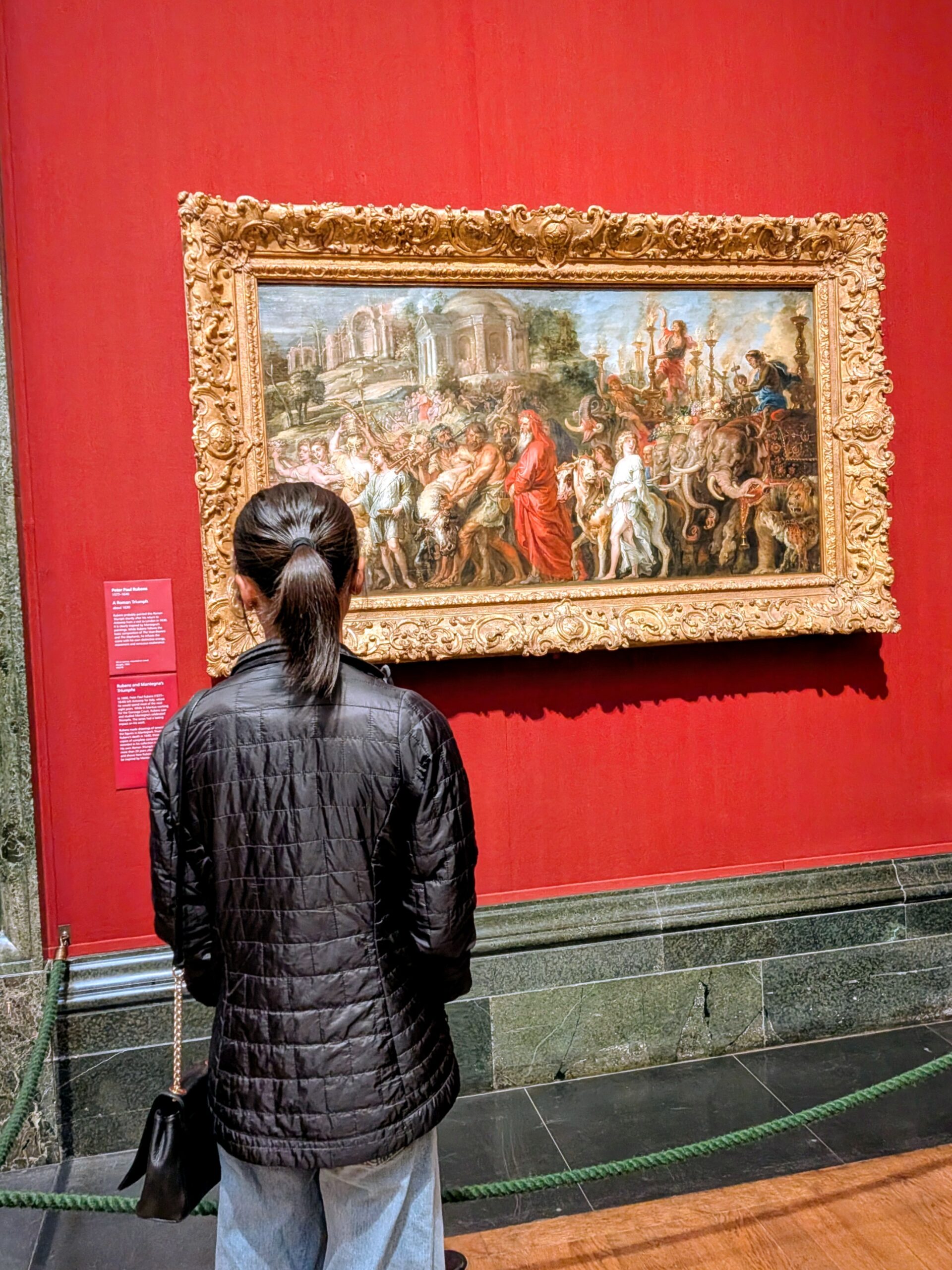
After Westminster we ate some delicious dim sum nearby, then did a proper Westminster walk with some help from a free Rick Steves audio guide — Big Ben, the mounted guards, the views along the river — before finishing at the National Gallery, which could absorb a full day on its own and got a couple of hours of ours.

Horizon 22 and the Tower of London
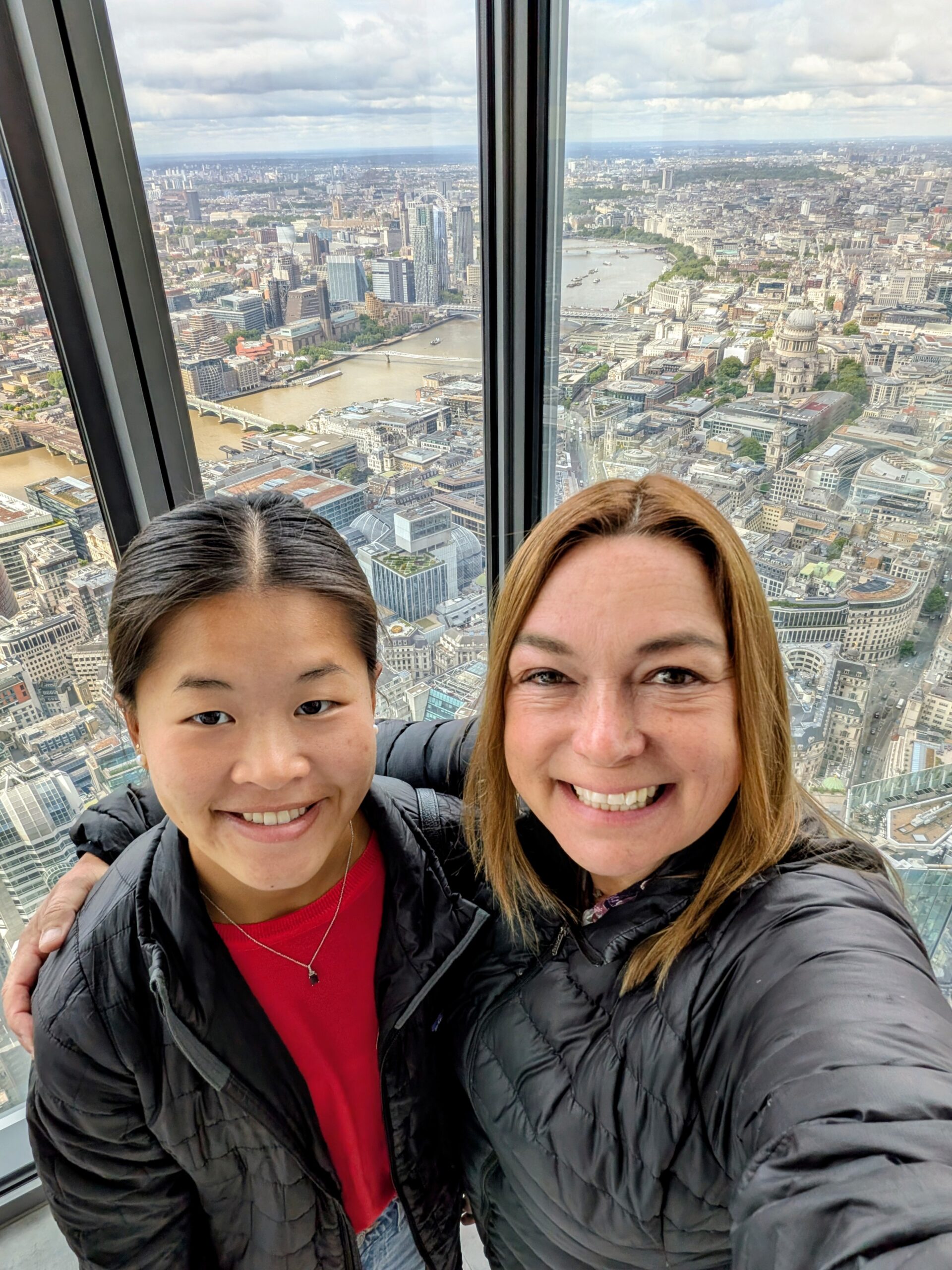
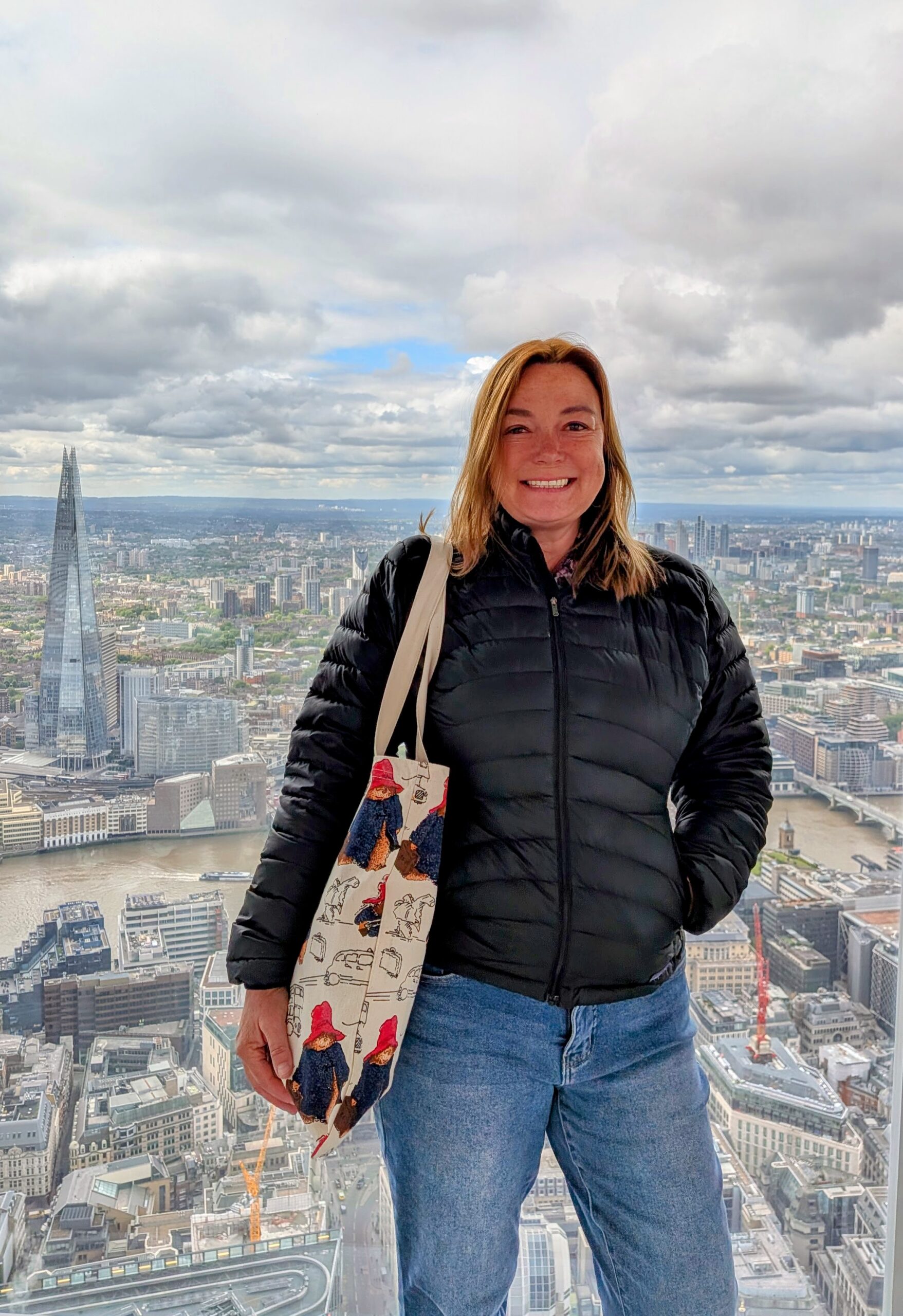
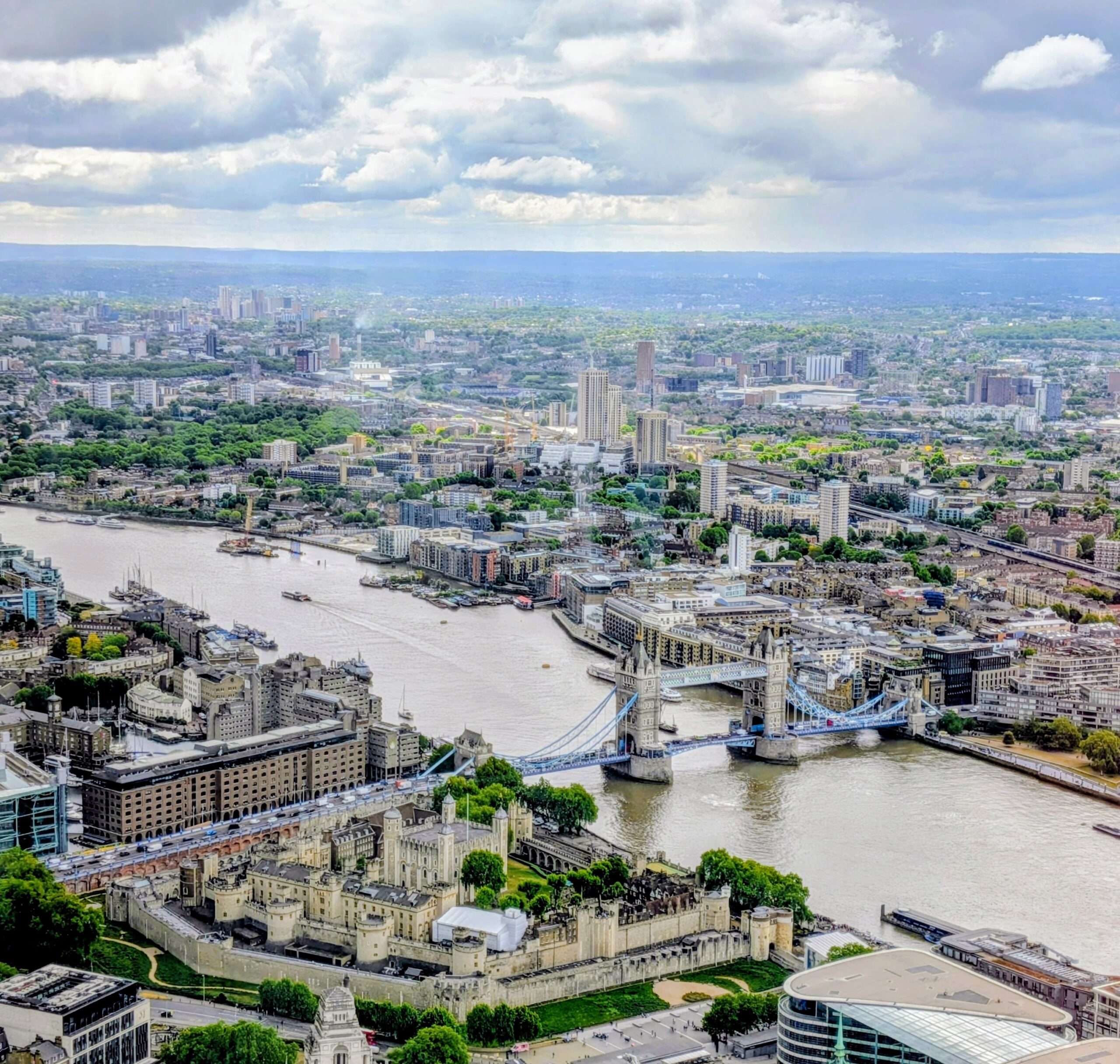
The following day we started with Horizon 22 — one of London’s newer high viewing platforms, with free timed entry and a clear, expansive view across the entire city, the Thames winding through it, the Tower of London visible below us and already on the agenda.
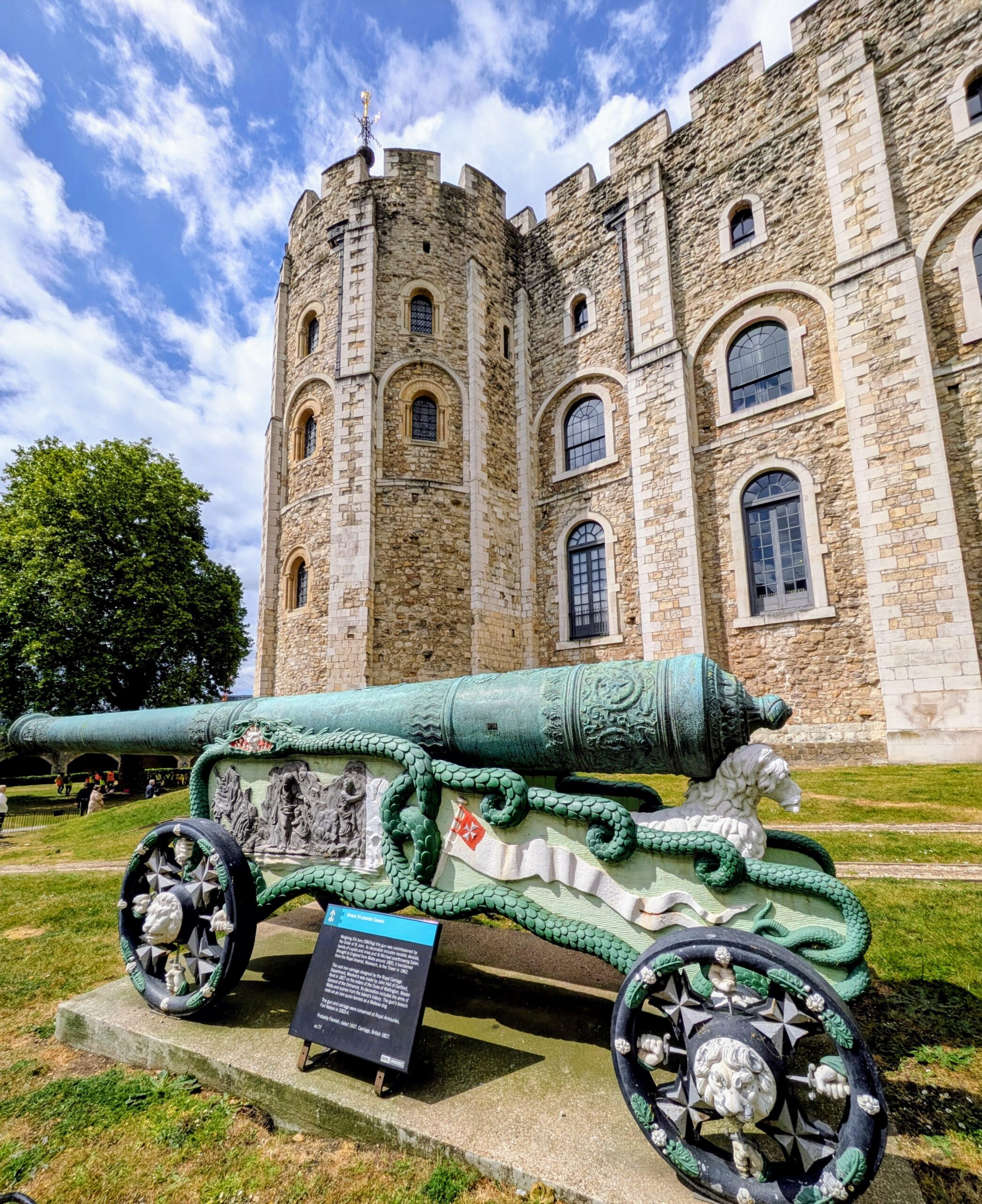
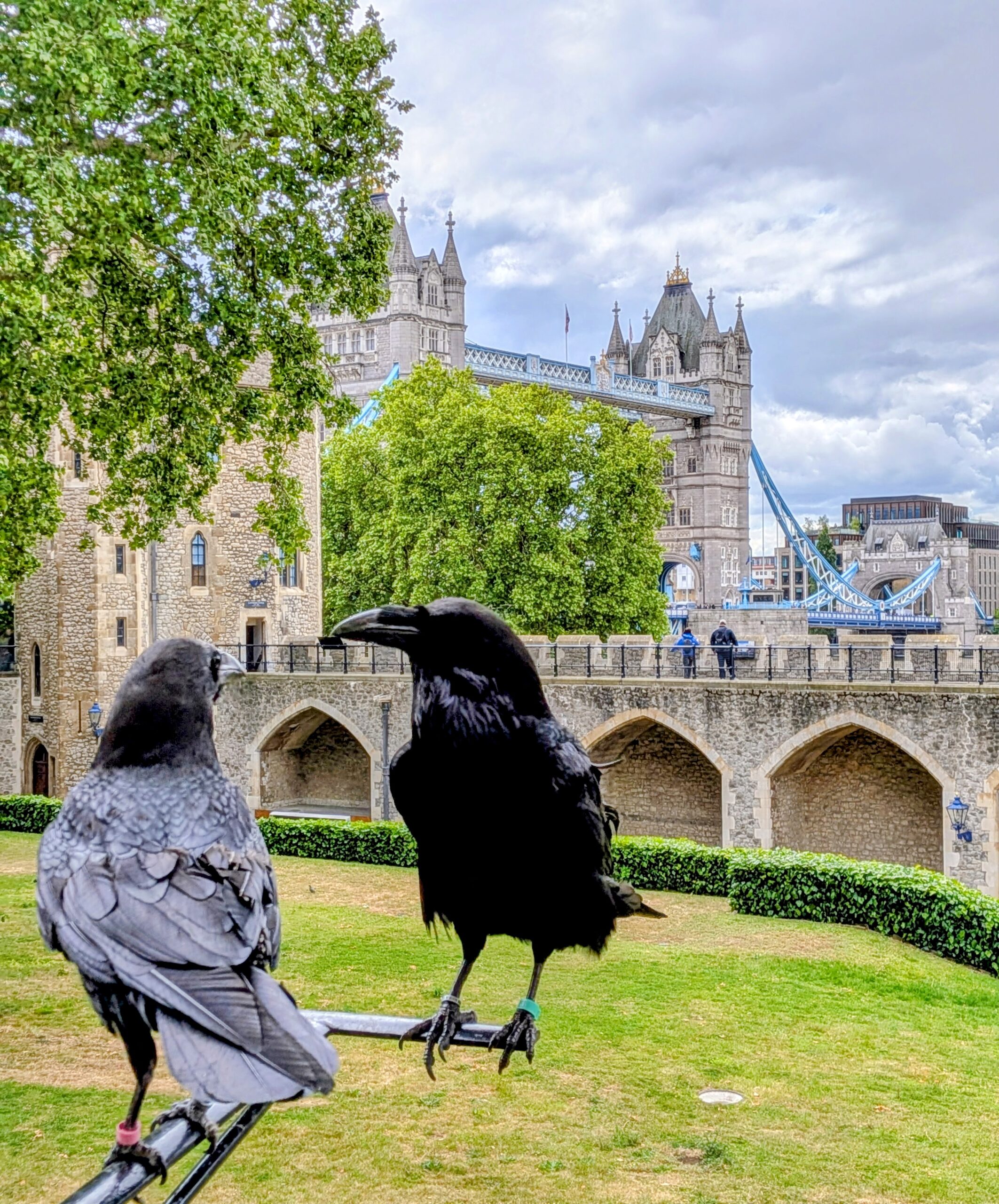
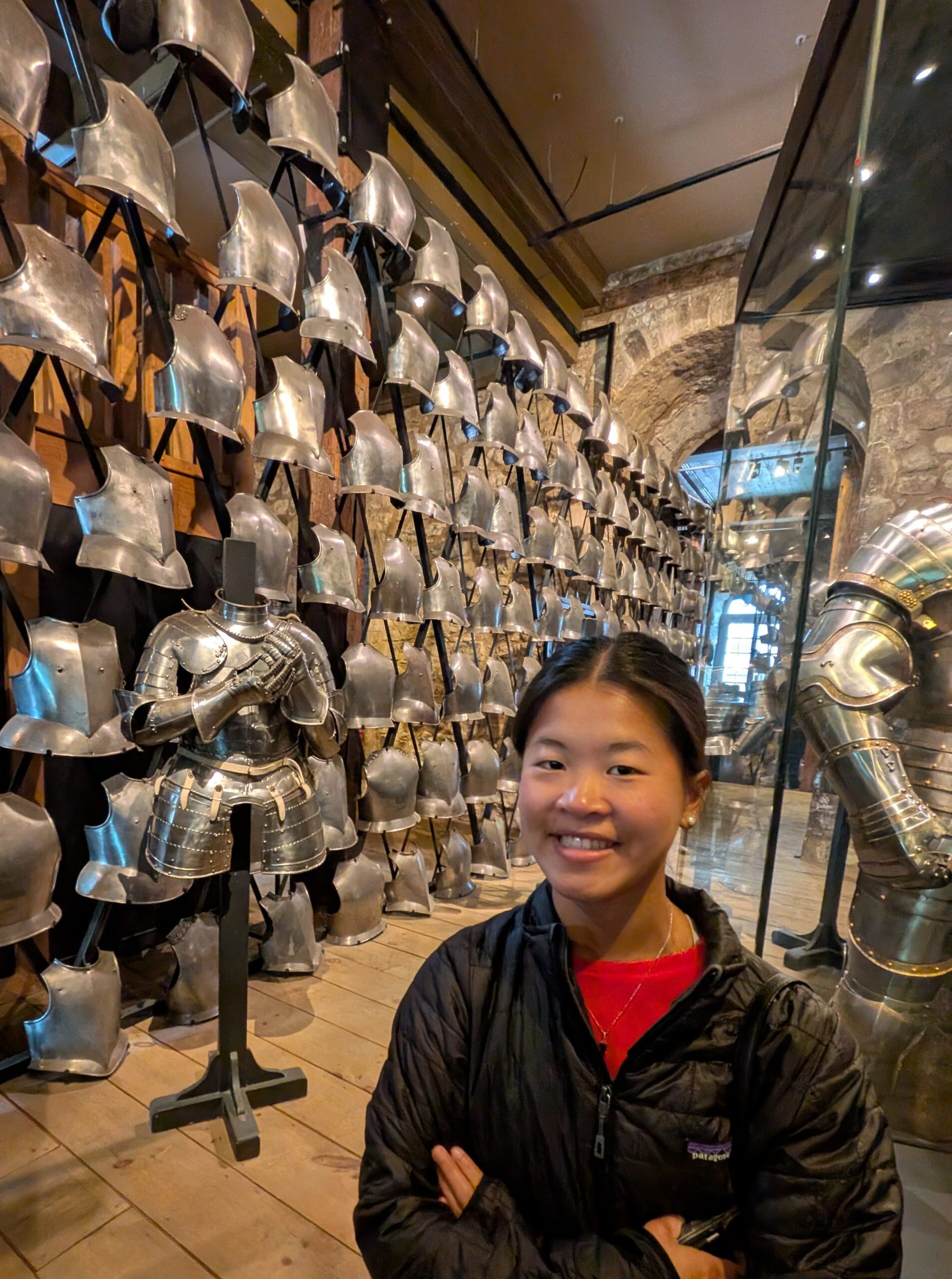
The Tower of London is nearly a thousand years of history concentrated in one fortified complex on the riverbank — William the Conqueror began it in 1066, and it has served at various points as a royal palace, a prison, an armory, a treasury, and a place of execution. It was packed with visitors and school groups, but still delivered.
The visit had an unexpected full-circle moment at the end — spotting a crown in the Jewel House that I read was used during the Opening of Parliament, I asked one of the guards about it. He confirmed it had been moved out the day before and returned just that morning. The same crown we had watched pass by in the royal coach, now sitting in a glass case in front of us. London has a way of connecting the dots.
Les Misérables
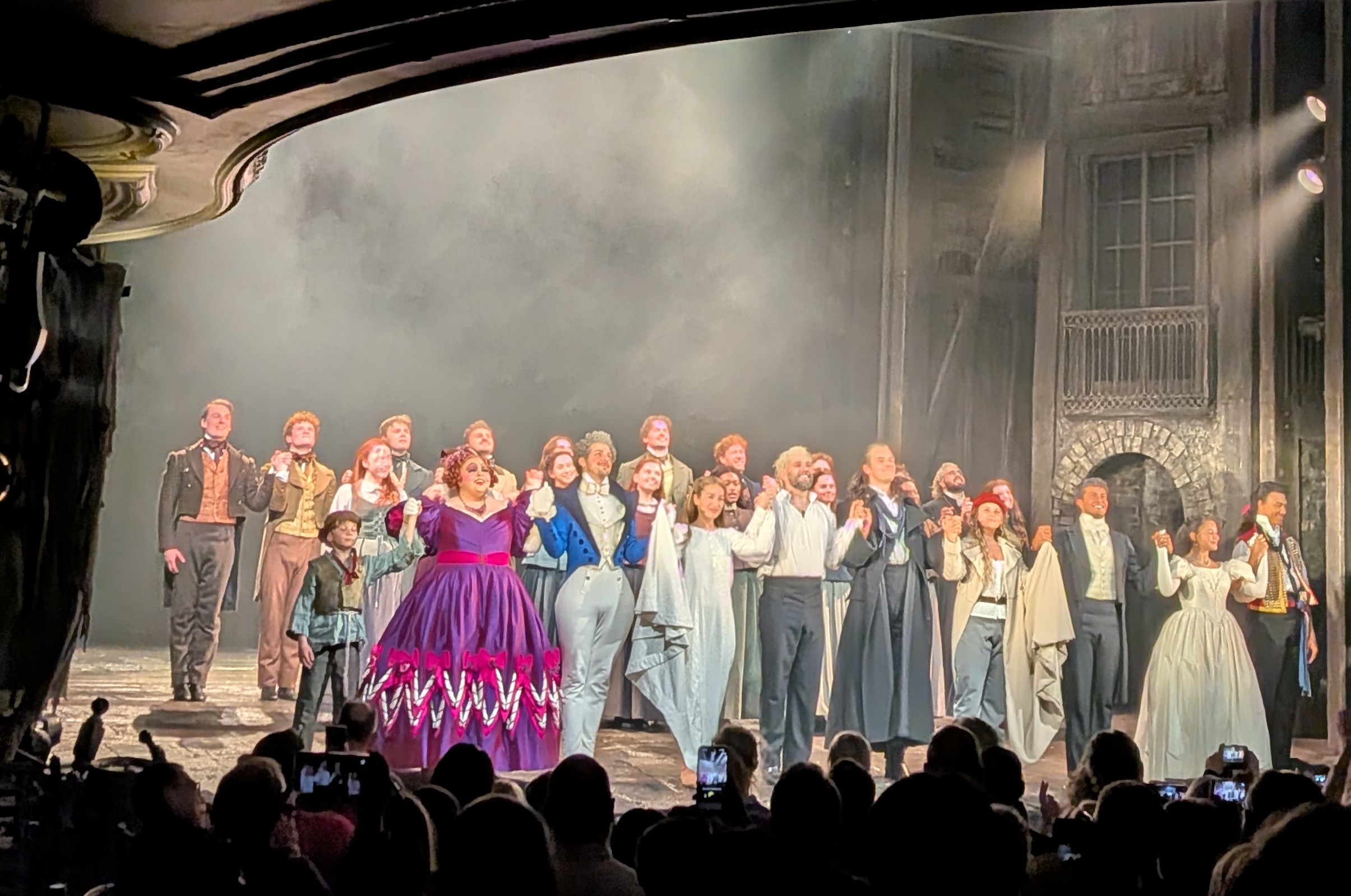
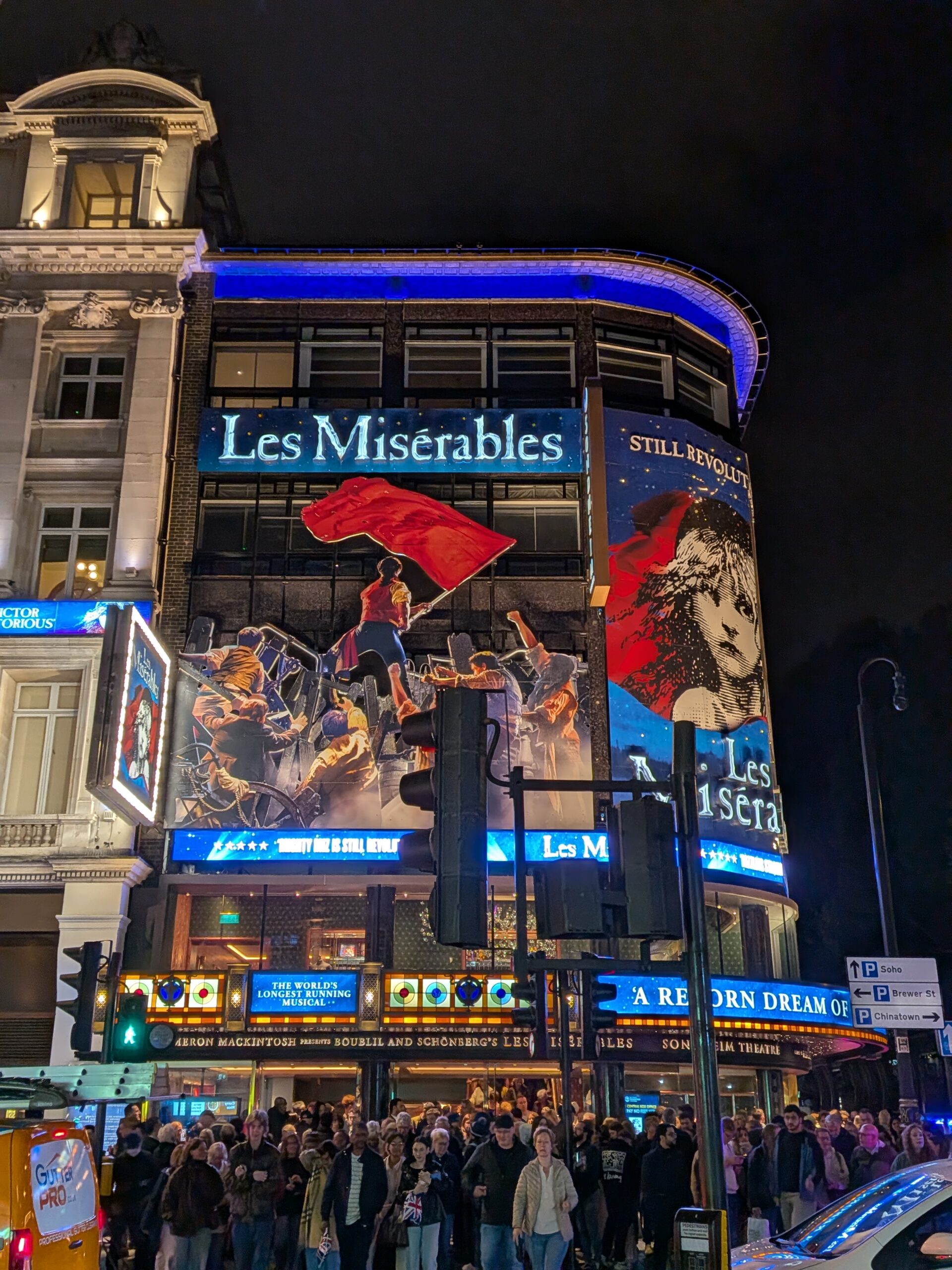
I first saw Les Mis when I was eighteen — at the Peace Center in Greenville with my parents after my first semester of college, on the traveling Broadway circuit. I had been assigned the novel in high school for AP Literature and completely fallen for it. All these years later, Surae had also been assigned it in her AP Language class and also loved it. We walked into that theatre carrying the same book between us, a generation apart, and what we saw was extraordinary — the original London production, in its home, performed at a level that reminded you why this show has run for forty years. It sits easily at the top of the list of the best productions I have ever seen. Sharing it with Surae made it even better.
The British Museum
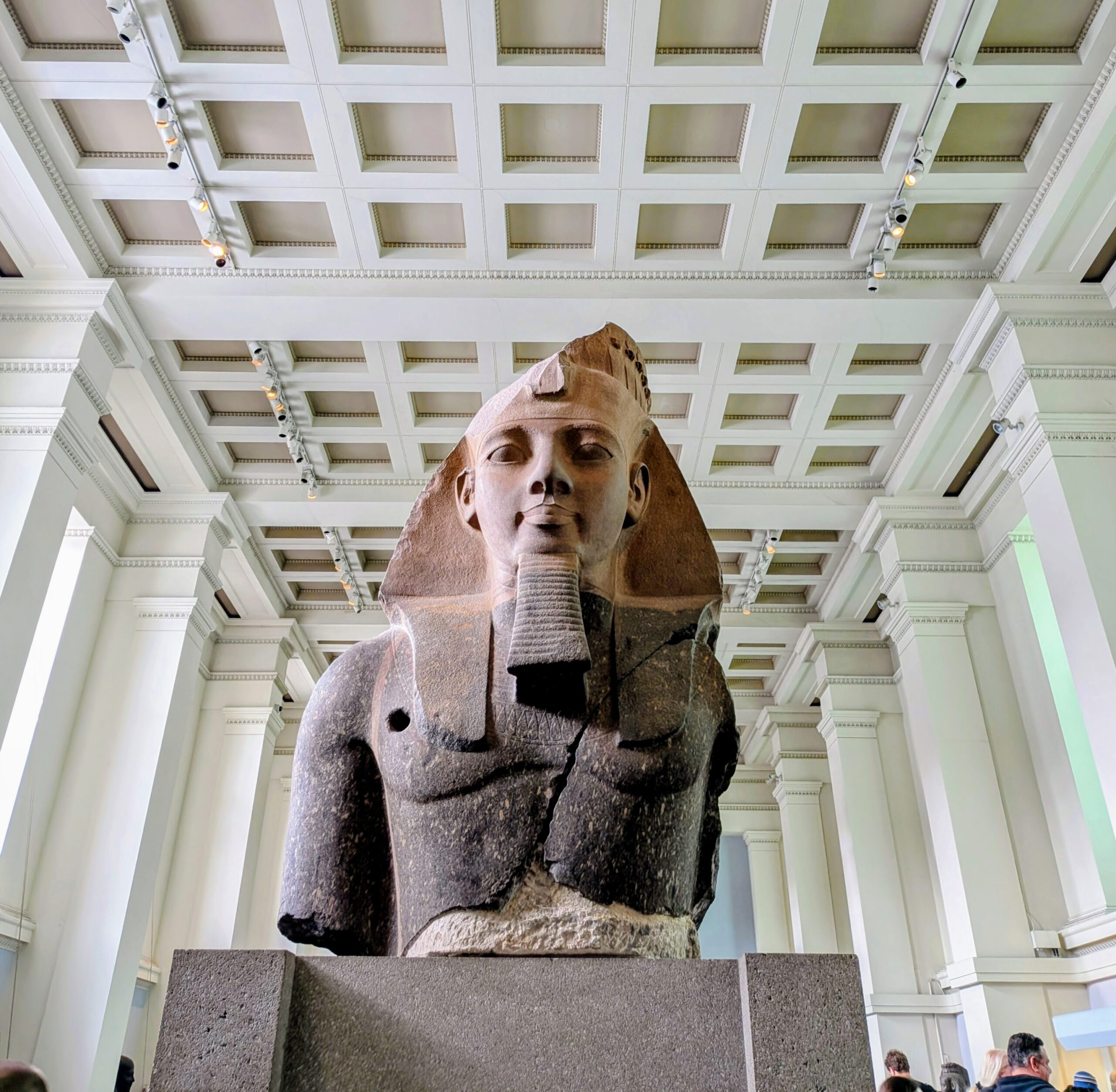
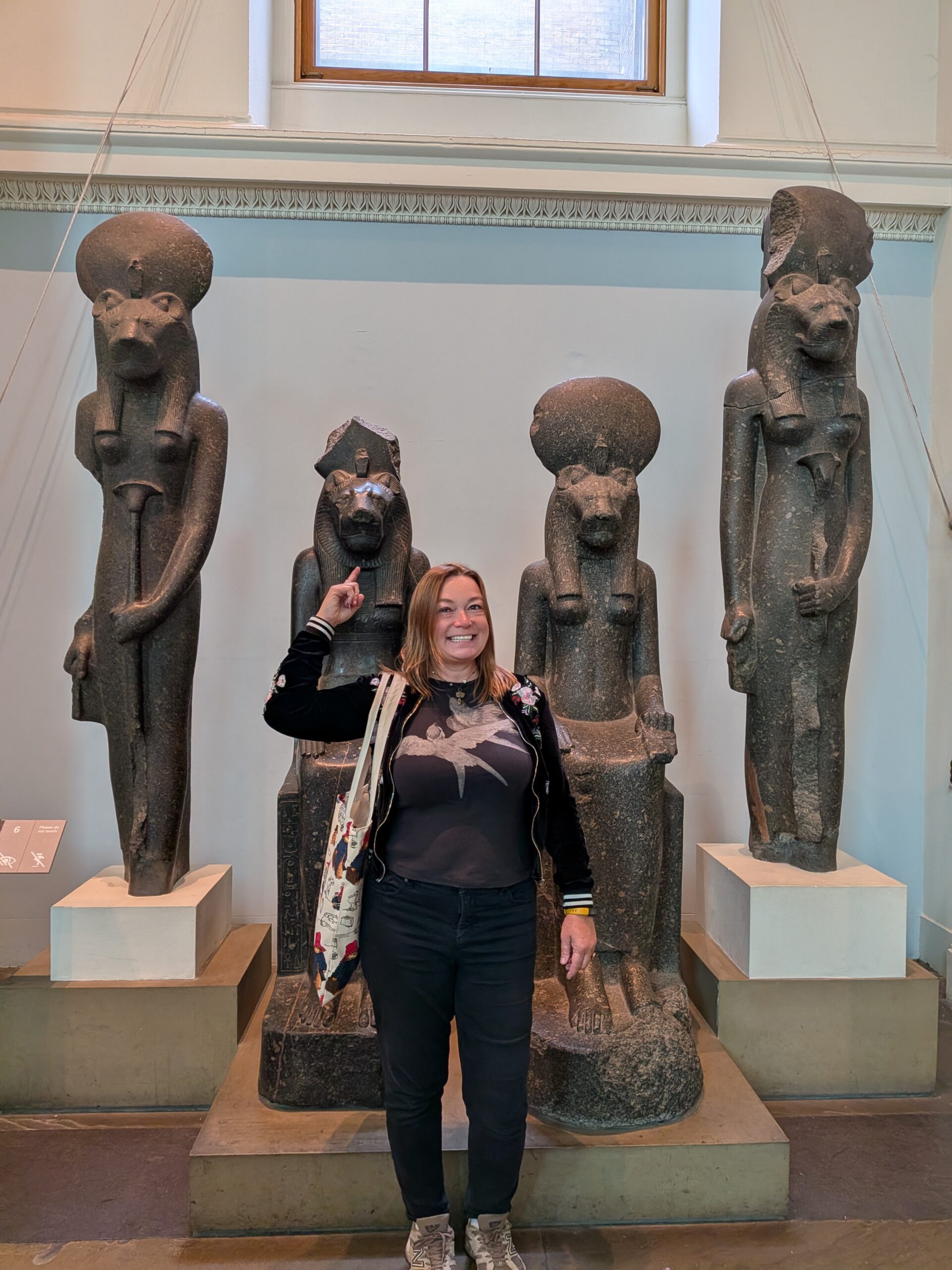
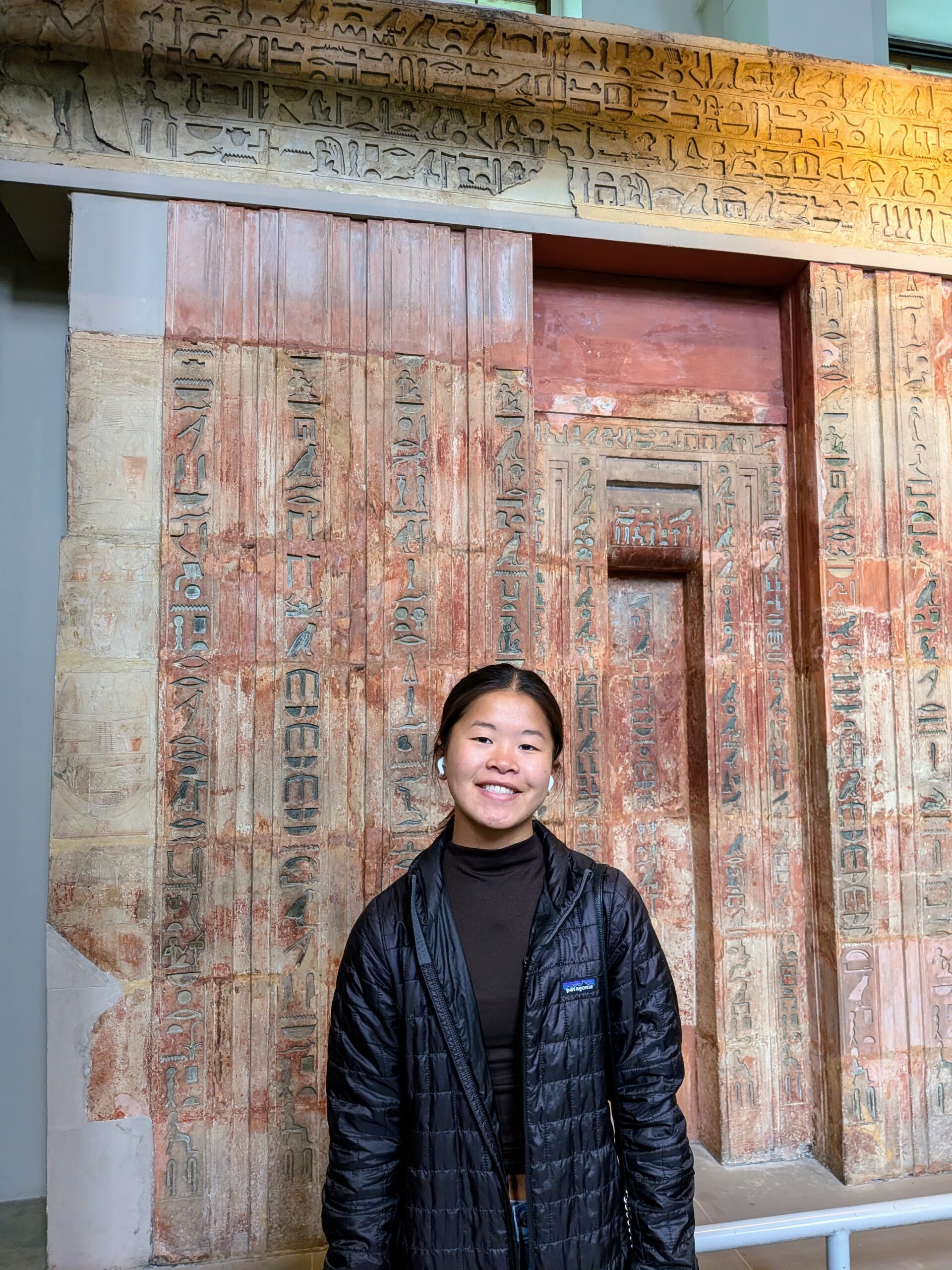
Our last morning before leaving was the British Museum, where we again used a Rick Steves audio tour to navigate a collection so vast that without direction it becomes a blur. We focused on Egypt and Greece — the mummies, the Elgin Marbles, the Rosetta Stone.
The mummies in particular prompted a conversation we kept returning to: how did all of this end up here? The British Museum holds antiquities from across the ancient world, accumulated during an era of empire when “collected” often meant “removed without consent.” The mummies, the Parthenon sculptures — these are objects with complicated histories, taken from their original contexts and burial sites and placed in a building in London. There is so much contested history in museums and it’s something I have thought more about lately.
London in the Rain
It rained for most of the trip, as London tends to do. At one point, it even hailed. We made the best of it — understanding that wet London is still very much London. For Surae it was a soft and wonderful landing into Europe, the kind of city that rewards walking and wandering and stumbling into things you didn’t plan for.
A royal procession we didn’t expect. A Totoro that surprised everyone. The graves of people who changed the world, underfoot. A show we both loved, years and years apart.