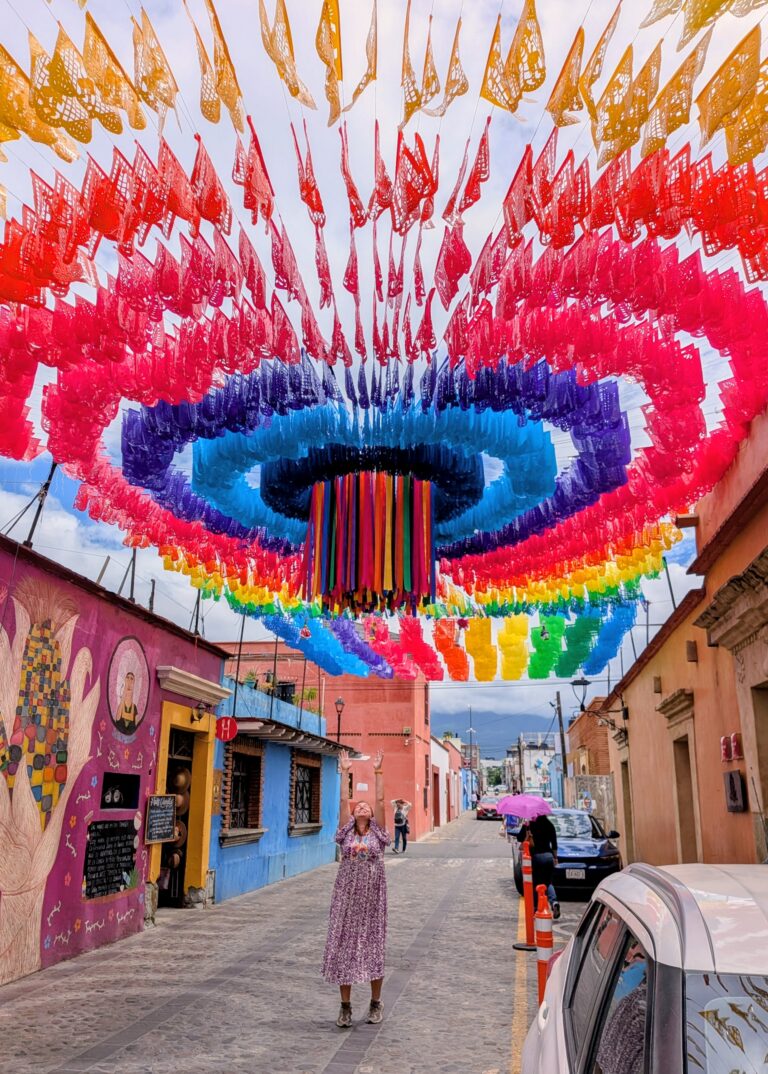
Oaxaca, Again: Still One of the Best Places in Mexico
Three years ago, Joe and I were in the process of trying to figure out where we wanted to live. Oaxaca was on the list, and we absolutely loved our time there. The color of it, the food, the deep indigenous roots, the extraordinary art everywhere you looked — we seriously considered making it home. What tipped us toward the Lake Chapala region in the end was mostly practical: proximity to the Guadalajara airport matters enormously when family might need you on short notice.
Three years later I wondered if it would still have the same pull. It did. To the extent that I found myself wondering, just briefly, if we made the right call. The airport still wins the argument. But Oaxaca is something.
What Makes Oaxaca Oaxaca
Before getting into what we did, a little context for why this city has become one of Mexico’s most celebrated destinations.
Oaxaca sits in a mountainous valley in southern Mexico, the cultural heart of a state with sixteen distinct indigenous groups, each with their own language, textiles, traditions, and food. It is one of the few places in Mexico where pre-Hispanic culture has remained genuinely intact rather than just preserved for tourism. The food here is considered some of the most complex and sophisticated in the country — Oaxaca is known as the land of seven moles, each one a different world of flavor built from dozens of ingredients and generations of knowledge. It holds 23 Michelin-listed restaurants, which for a Mexican city outside the capital is extraordinary. The art scene — printmaking, pottery, textile weaving, wood carving — is internationally recognized. And the city itself, with its colonial architecture and streets that seem to be in permanent festival mode, is simply beautiful.
Where to Eat: Experiencing 4 Michelin-Listed Restaurants in Oaxaca
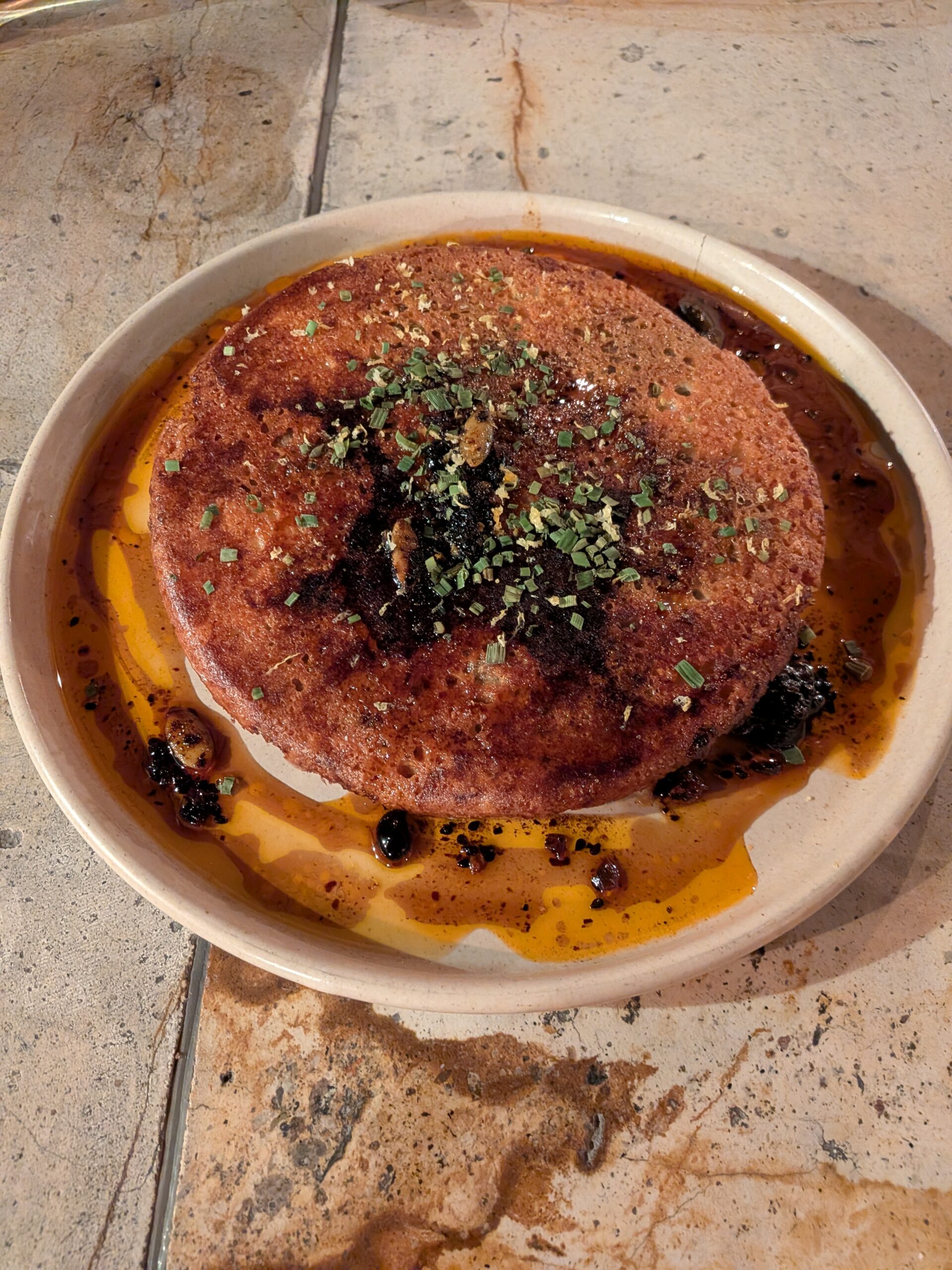
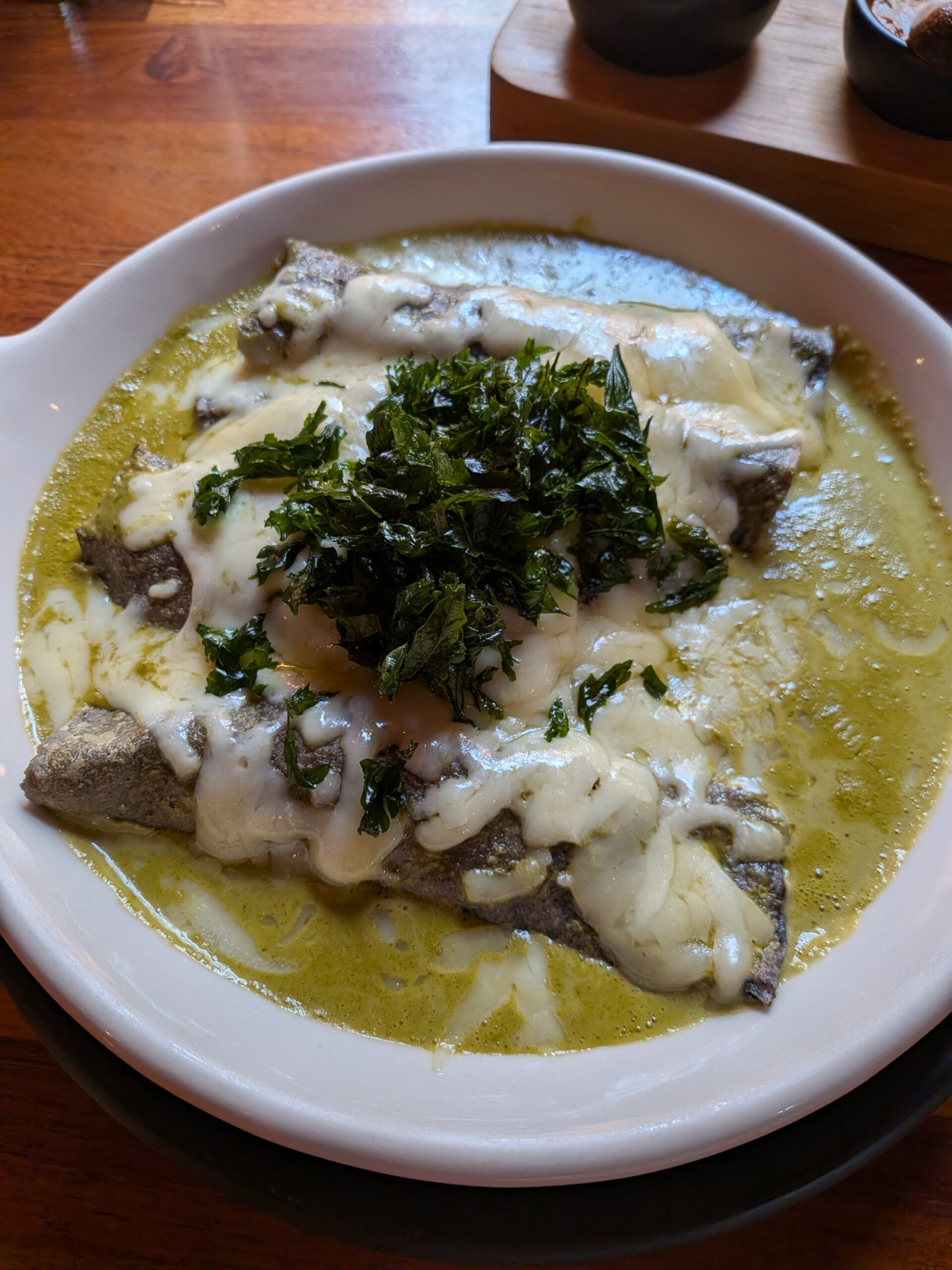
I came to Oaxaca knowing I wanted to try as many Michelin restaurants as we could and we accomplished that goal! The first night we ate at Labo Fermento — a Mexican-Asian fusion restaurant specializing in fermentation that delivered one of the best dishes of the entire trip. The dumplings: a layer of something that might have been cheese on the outside, chili crunch, and a layering of flavors that were creative and delicious. I have eaten a lot of dumplings in my life. These might be the best. We will be going back specifically for them.
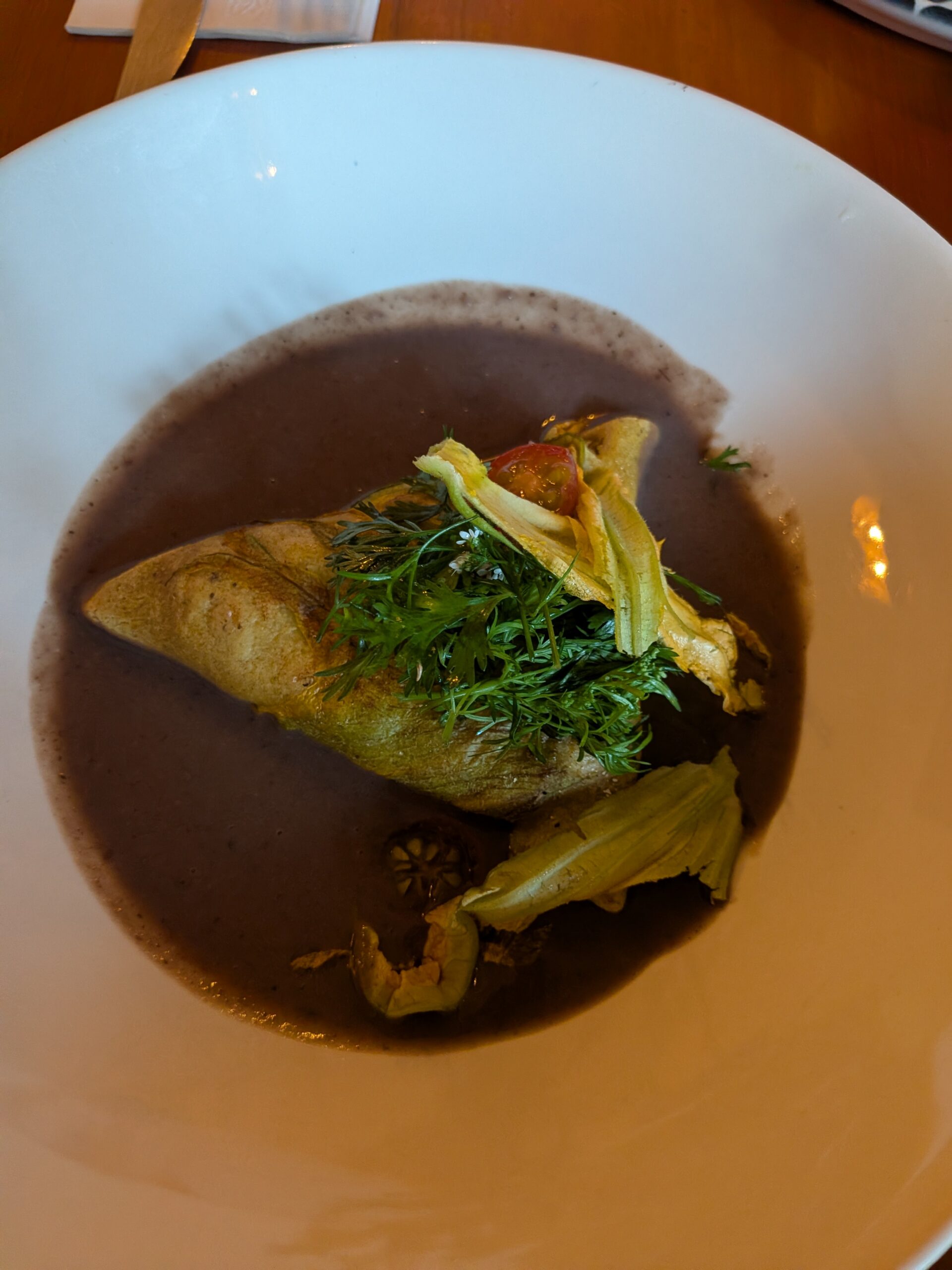
Breakfast the next morning at Las Quince Letras allowed us to taste their famed mole negra — dark, complex, faintly bitter, deeply satisfying in the way that a sauce built from 30 ingredients tends to be. Breakfast was also our strategy for the other Michelin stops: cheaper prices, but still the ability to check out the restaurant and try some of the food. Asador Bacanora on our last morning delivered the same — more mole, more of that Oaxacan quality of taking something ancient and making it feel completely alive.
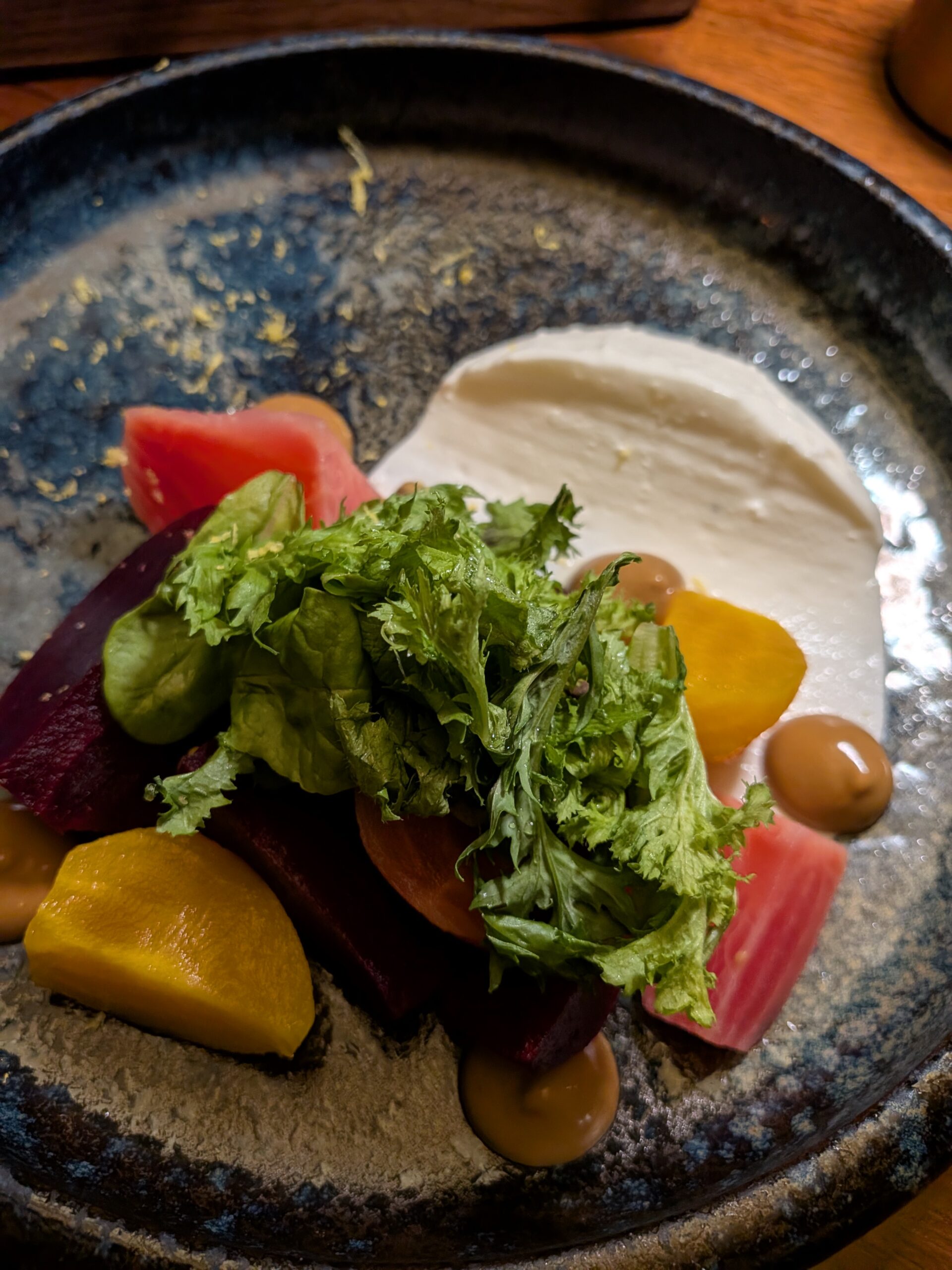
And then there was Los Danzantes. We had eaten here three years ago and I remembered it as one of the best meals I’d ever had. Returning to a restaurant that holds that kind of memory is always a risk. It was everything I remembered and more — gorgeous presentation, creative cooking, a server who was genuinely enthusiastic about the food and hilariously animated, and vegetables so fresh we were told they come entirely from the restaurant’s own garden. You could taste that. We will probably will keep returning to this one on each visit.
How to Visit the Tlacolula Sunday Market (And What to Expect)
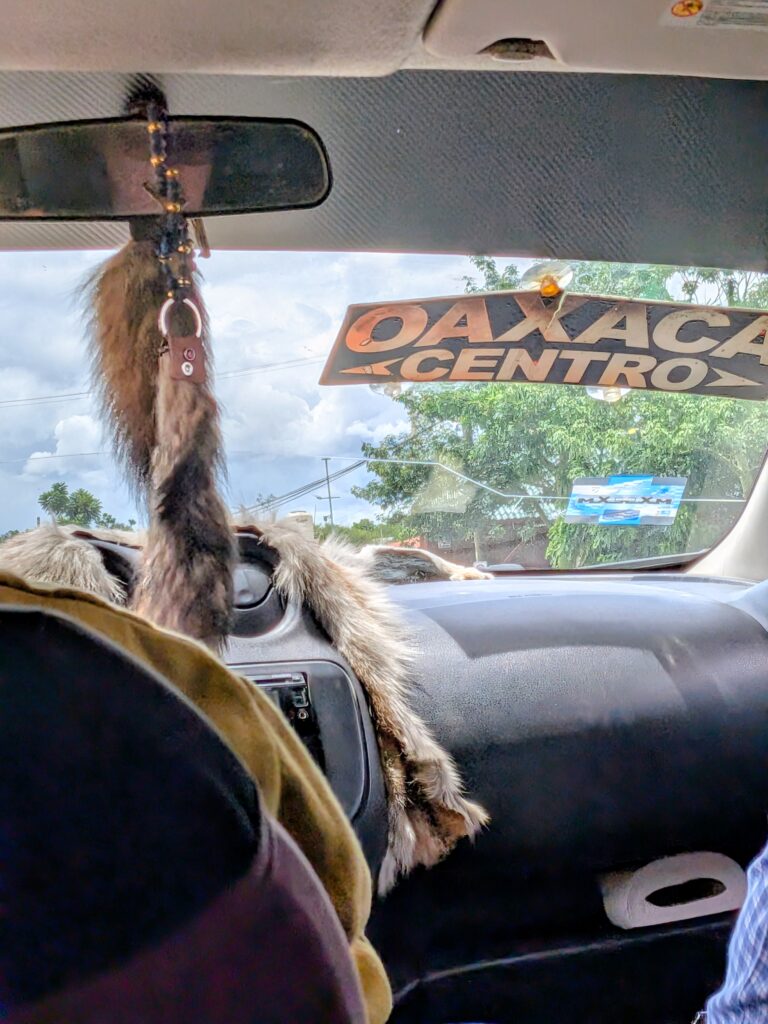
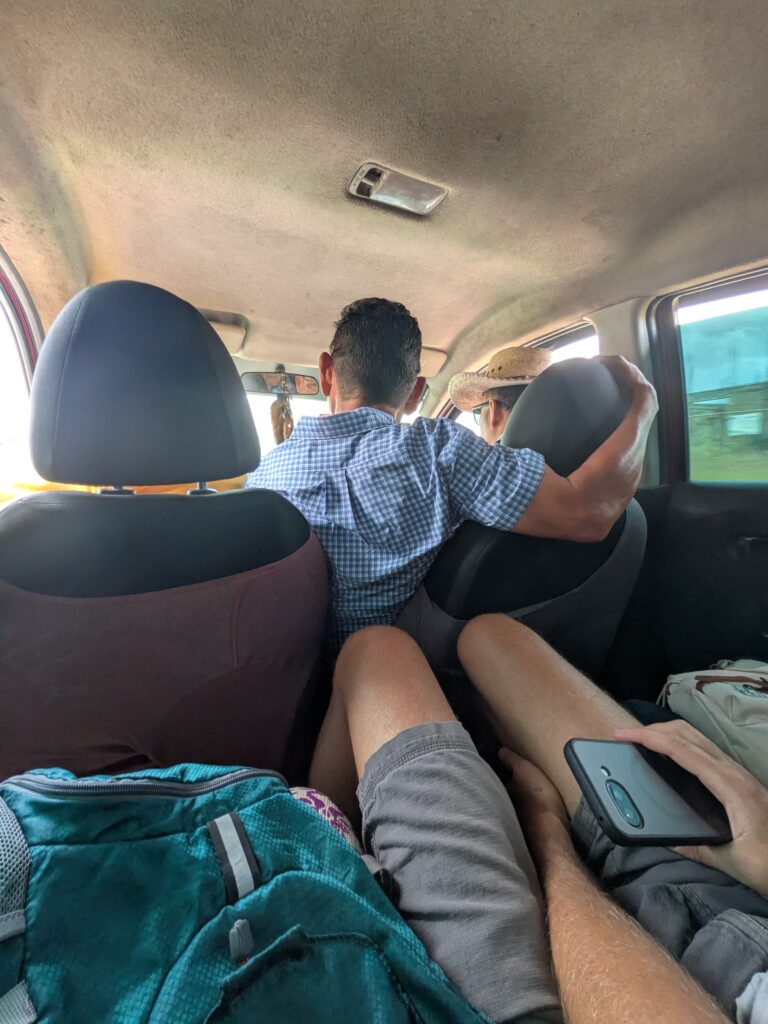
We took a colectivo to the Tlacolula Sunday Market — and if you haven’t taken a colectivo in Oaxaca, know that it is an education in the creative use of interior space. Just when you are certain that not one more person could possibly fit into the vehicle, the driver pulls over and room is made. It is an experience.
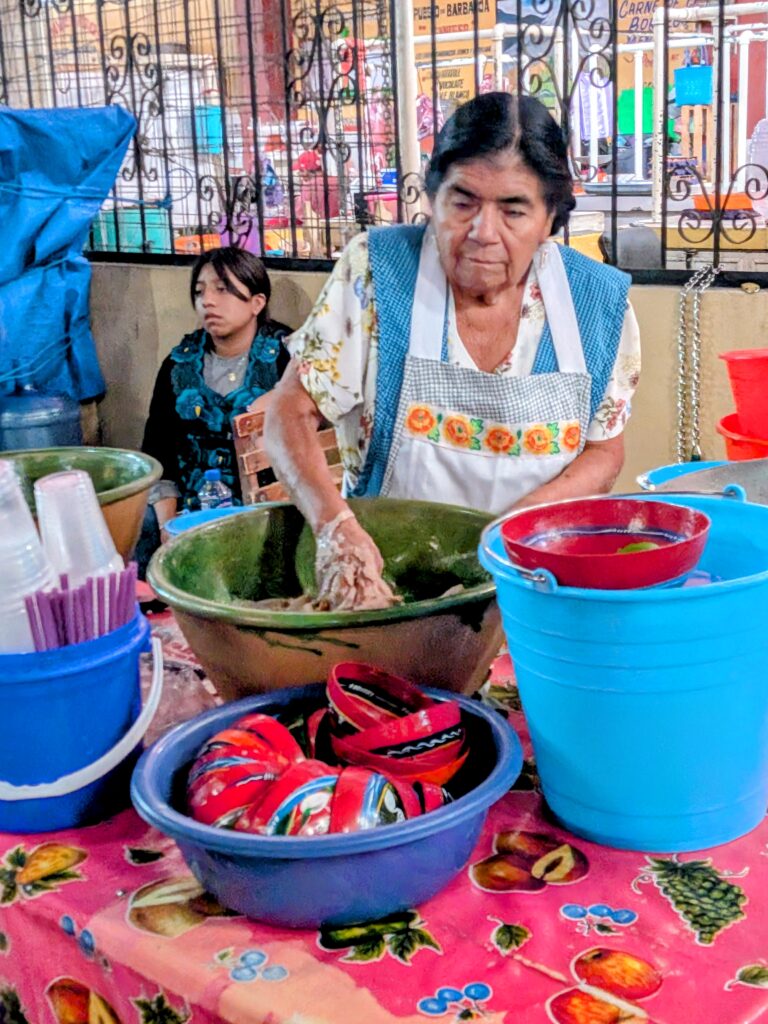
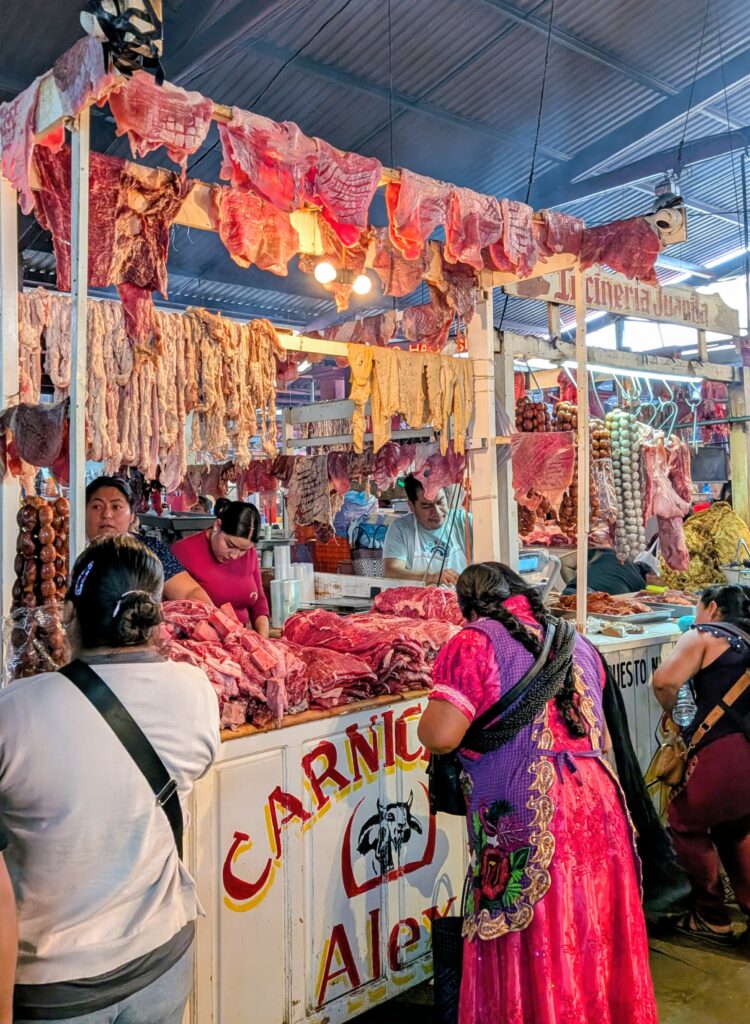
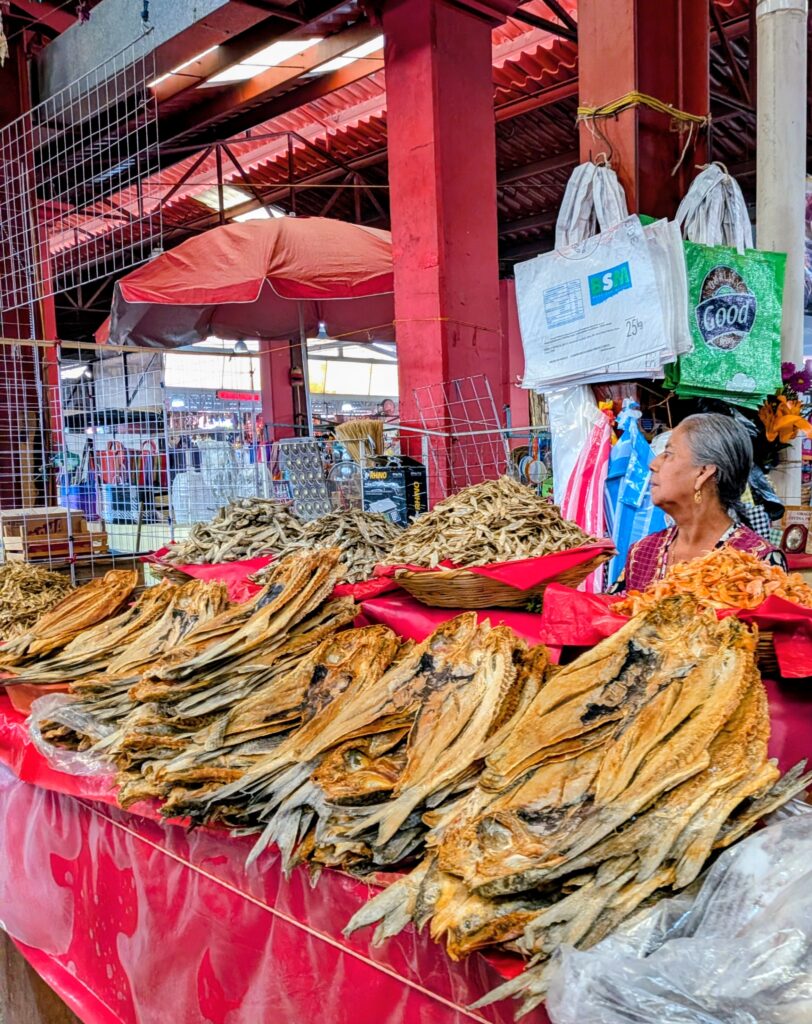
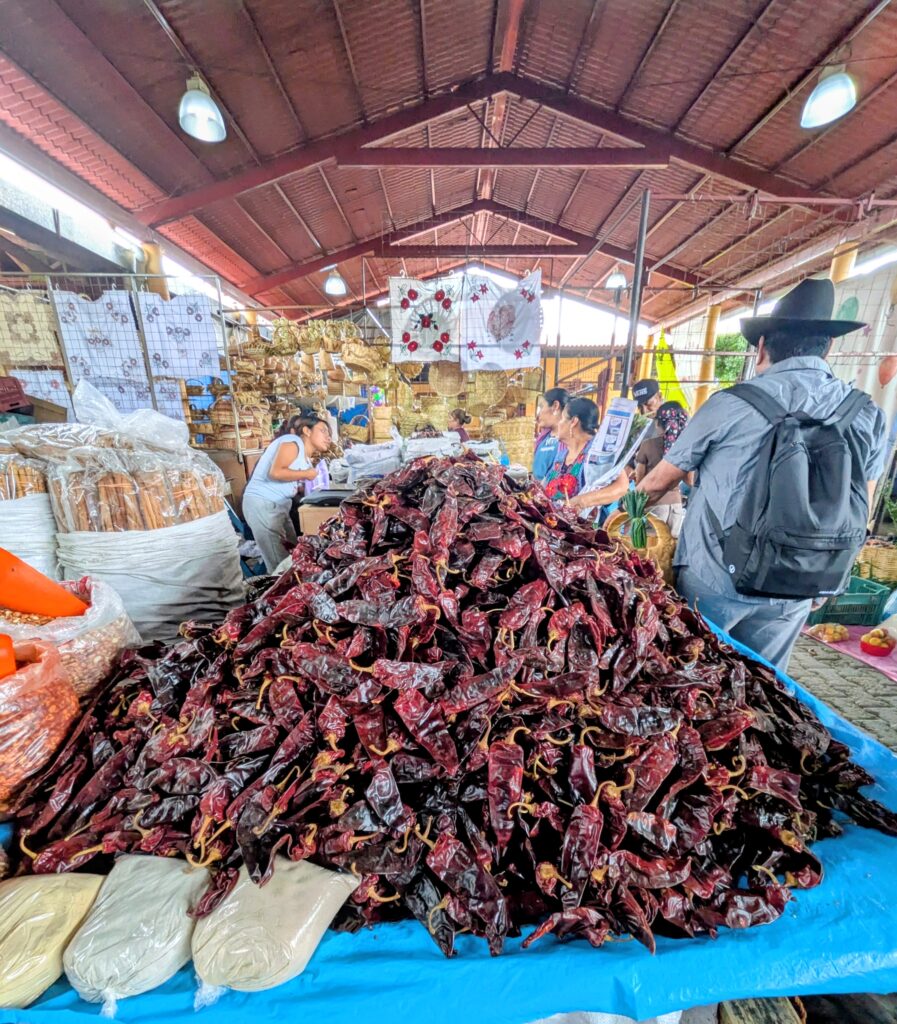
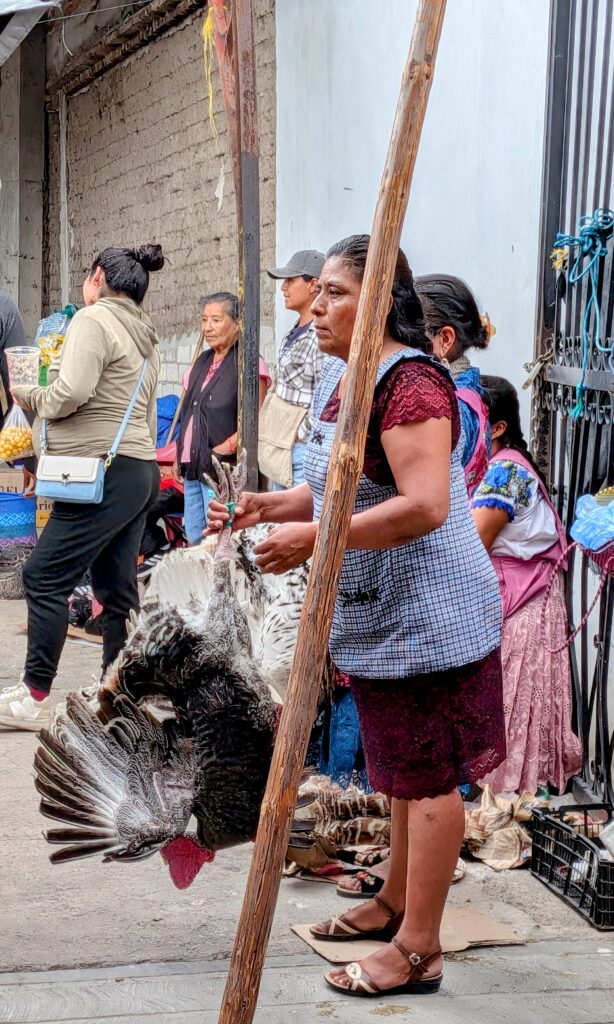
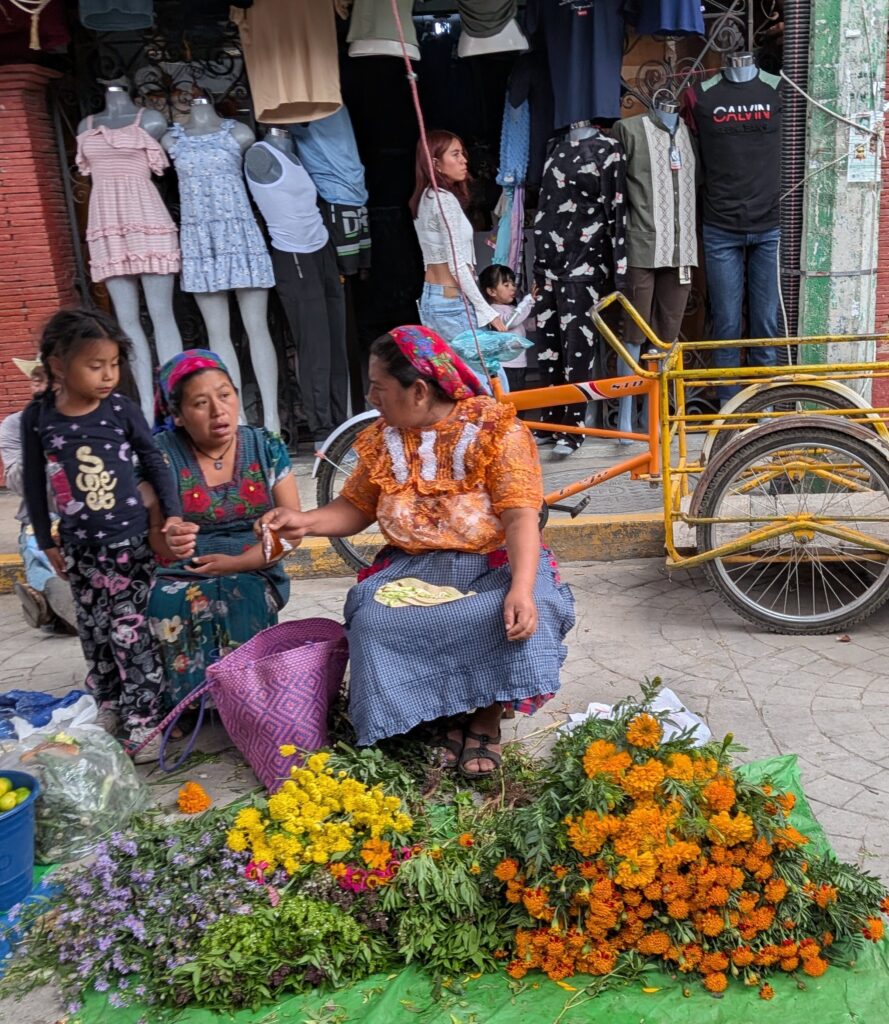
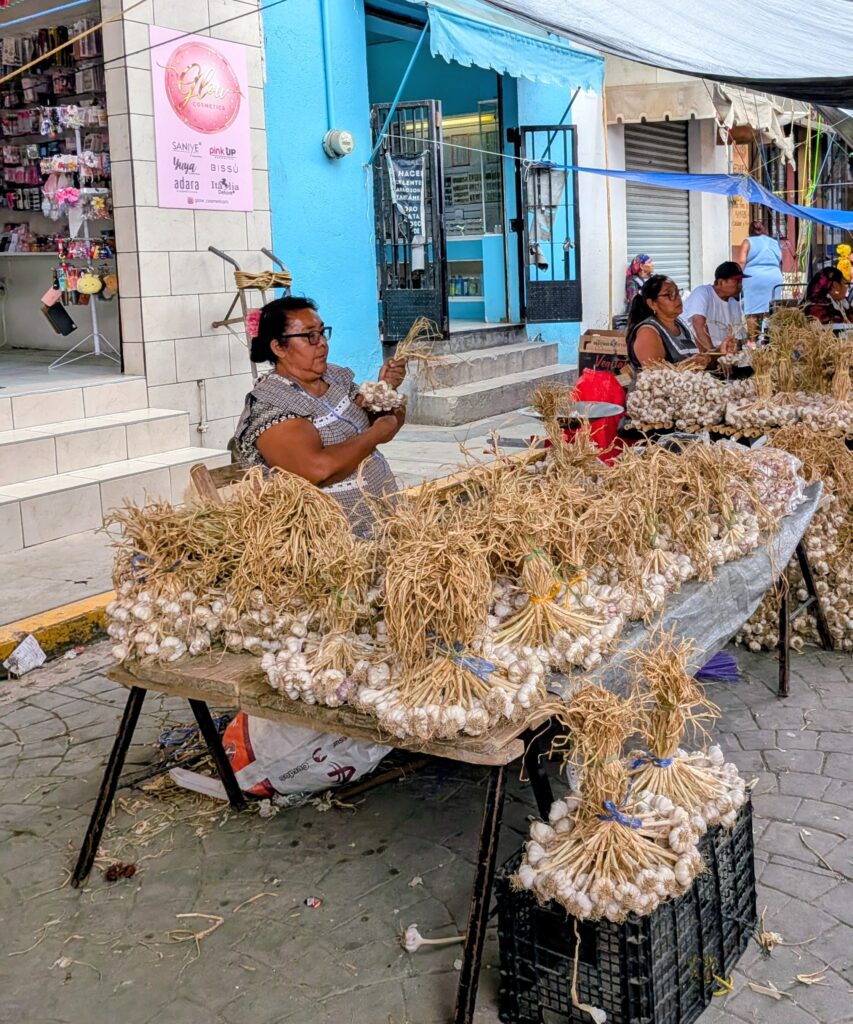
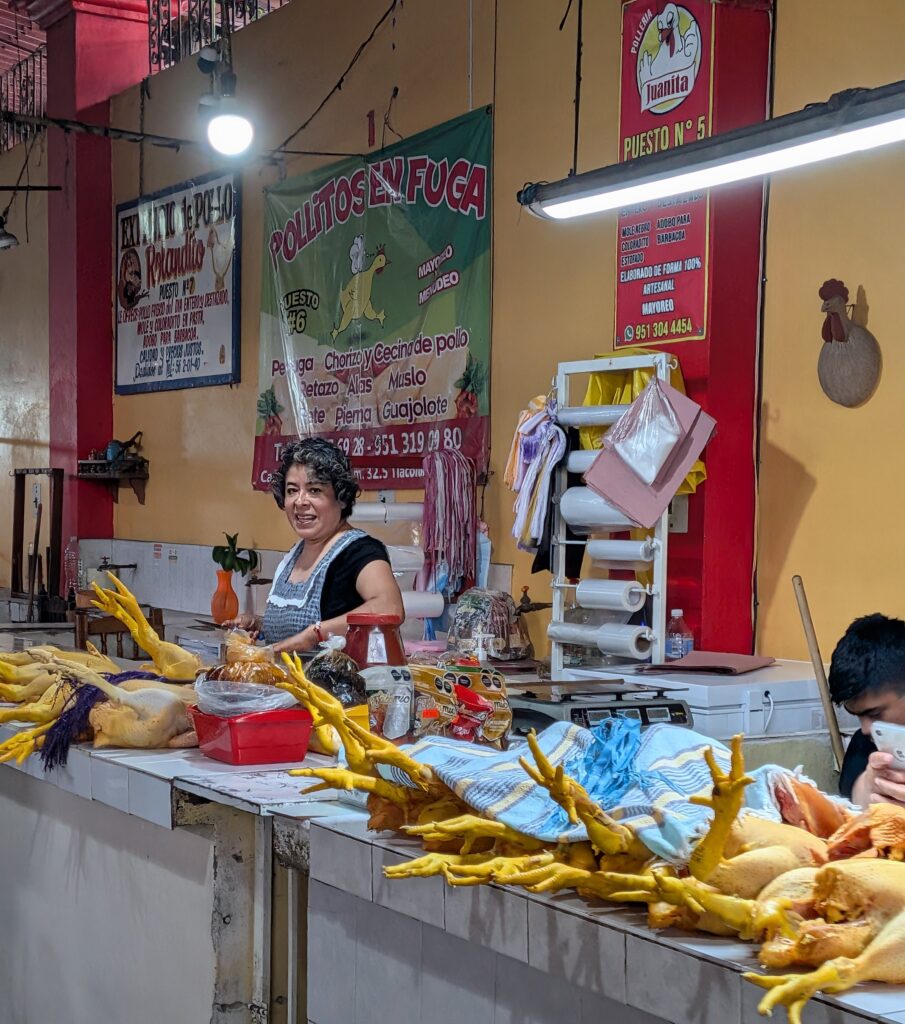
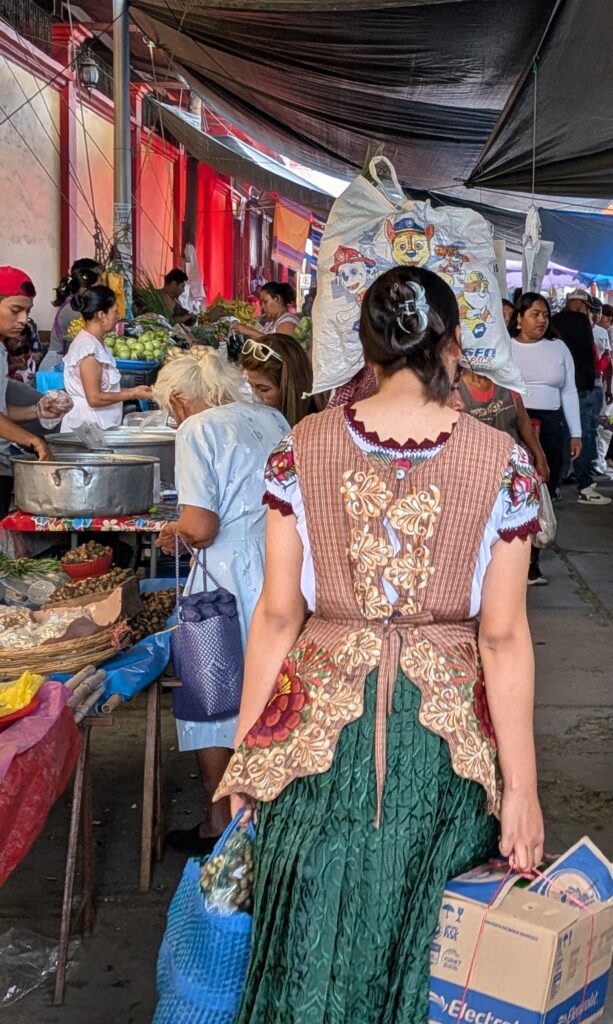
The market itself is the kind of thing that makes you grateful you came. This is not a market designed for tourists — it is an enormous, authentic, entirely local weekly market where people come from all over the Central Valleys to sell produce, meat, textiles, prepared food, and everything else. The traditional clothing alone is worth the trip. The women at the stalls were dressed in embroidered blouses, lace, and woven skirts in colors and patterns so beautiful I wanted to photograph every person I passed — though at a certain point that starts to feel intrusive. I took it all in instead. Most of the vendors are women, which felt quietly significant in the best way.
Visiting Teotitlán del Valle: Zapotec Weaving & Cultural Festivals
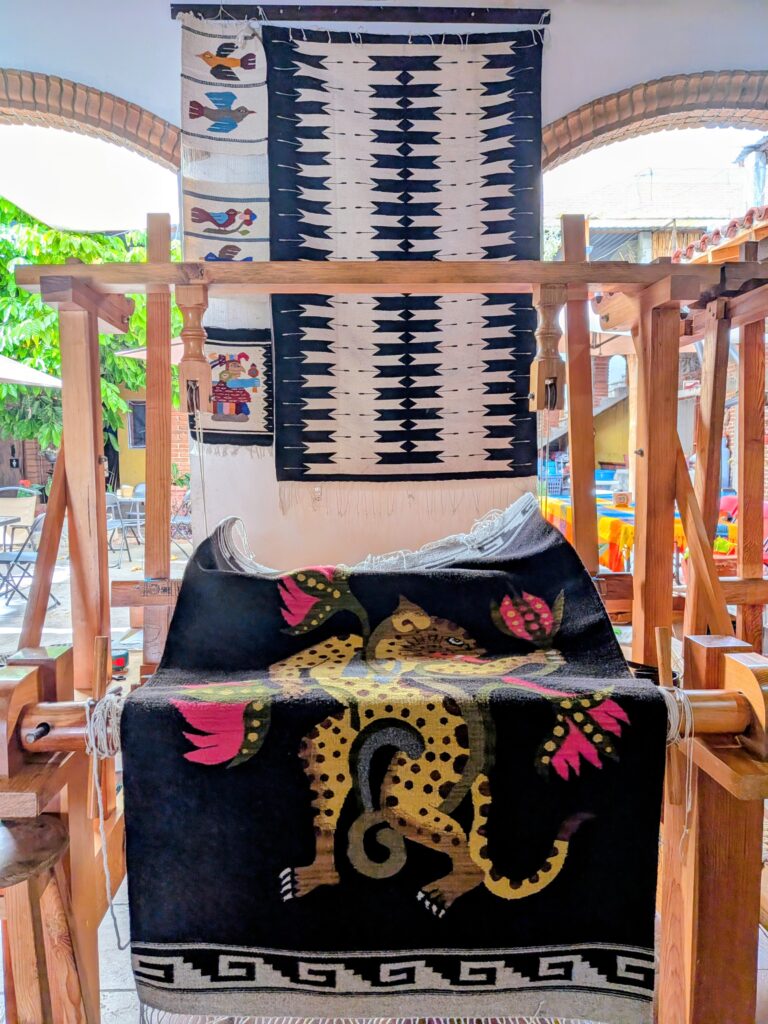
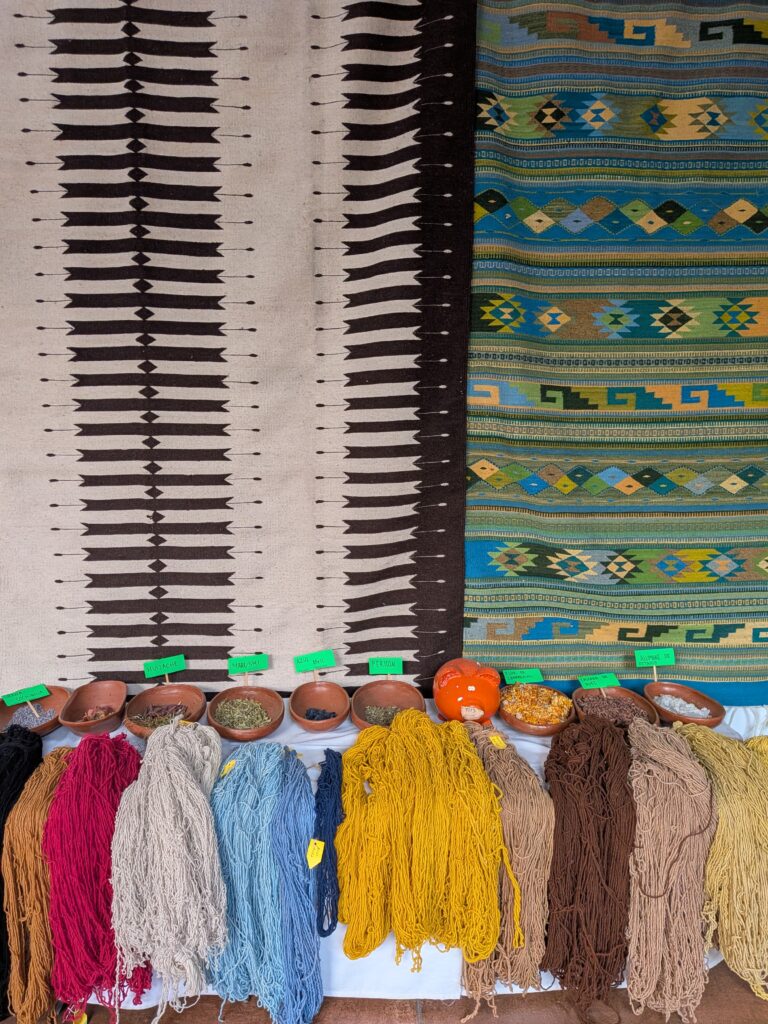
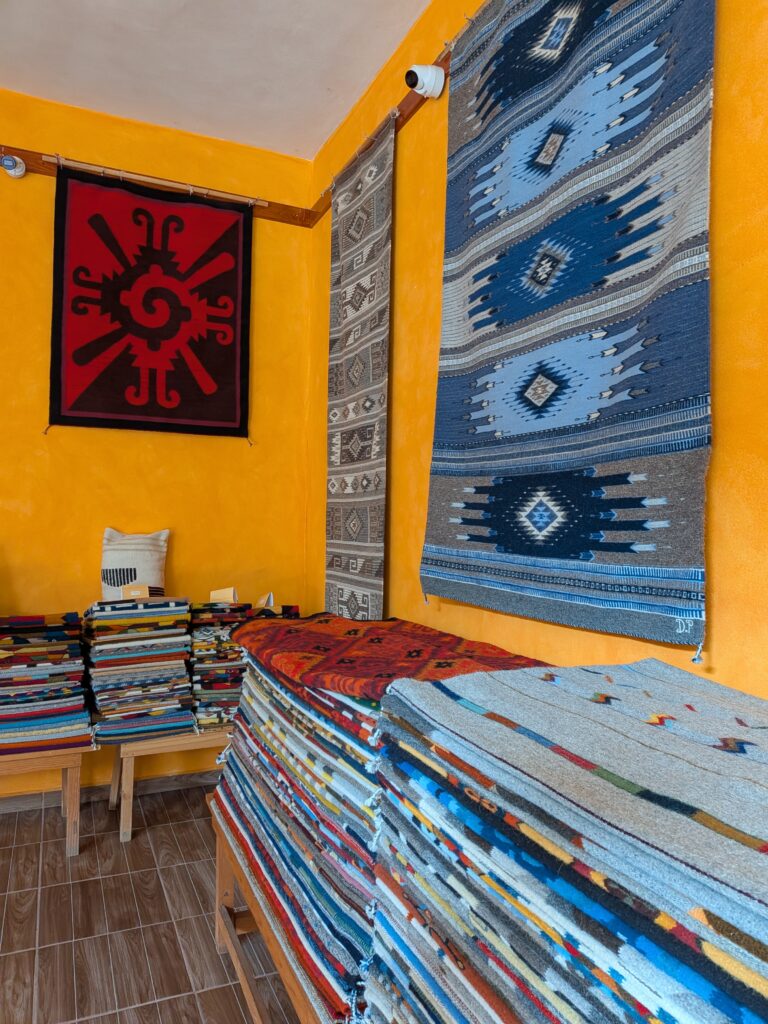
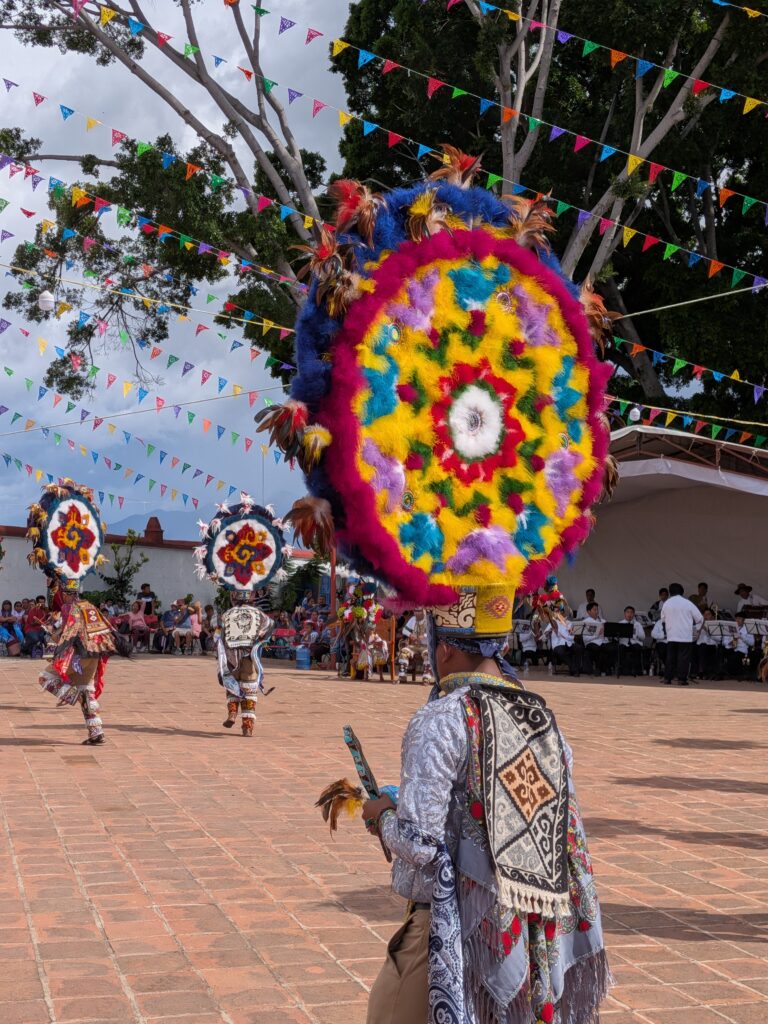
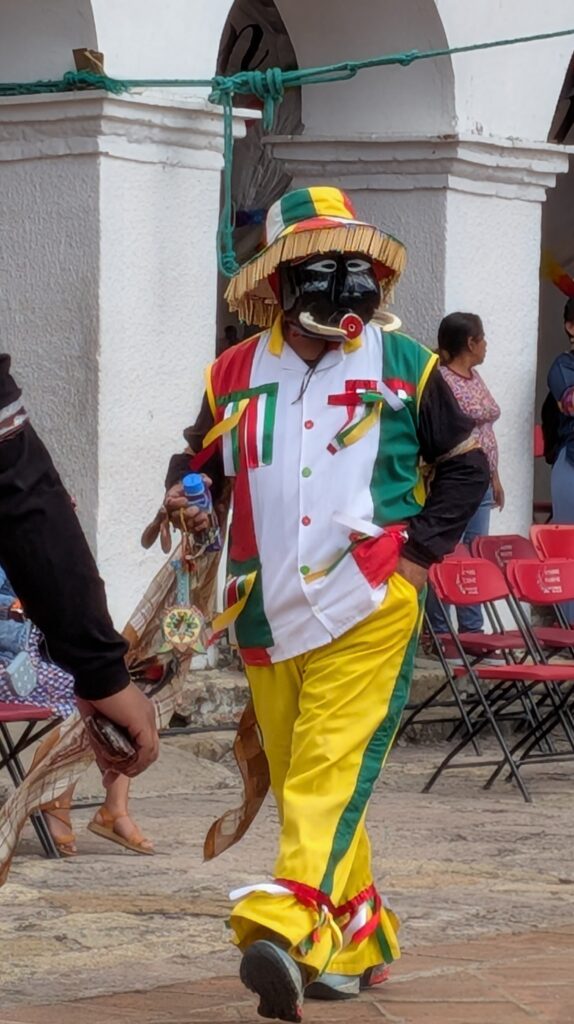
From the market we took a taxi to Teotitlán del Valle, the Zapotec weaving village famous for its extraordinary wool rugs. Most of the shops we tried were closed, and arriving at the plaza we quickly understood why: the village’s most important annual festival was in full swing — the Fiesta de la Preciosa Sangre de Cristo, the Feast of the Precious Blood of Christ, which has been celebrated here every July since before the Spanish arrived.
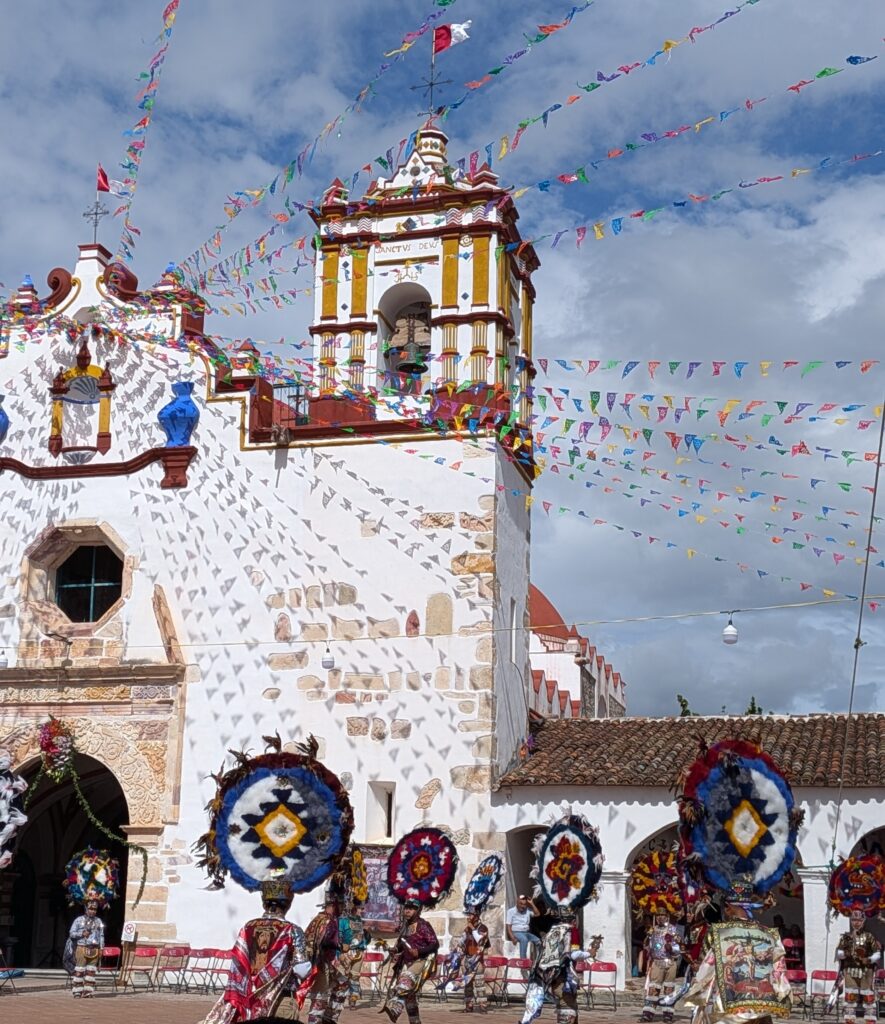
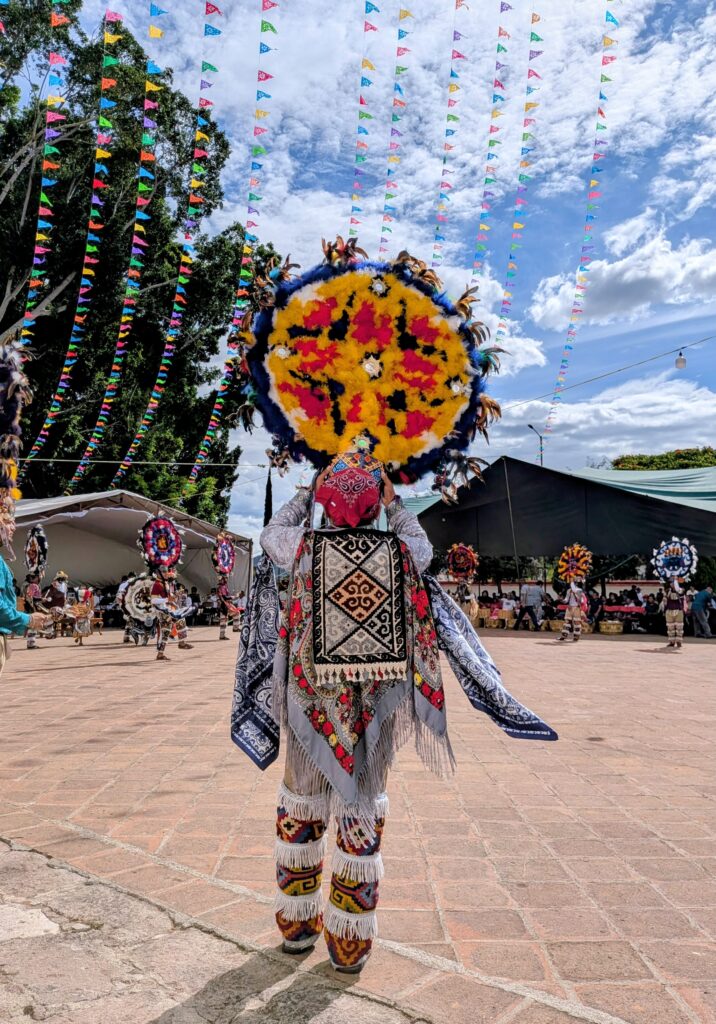
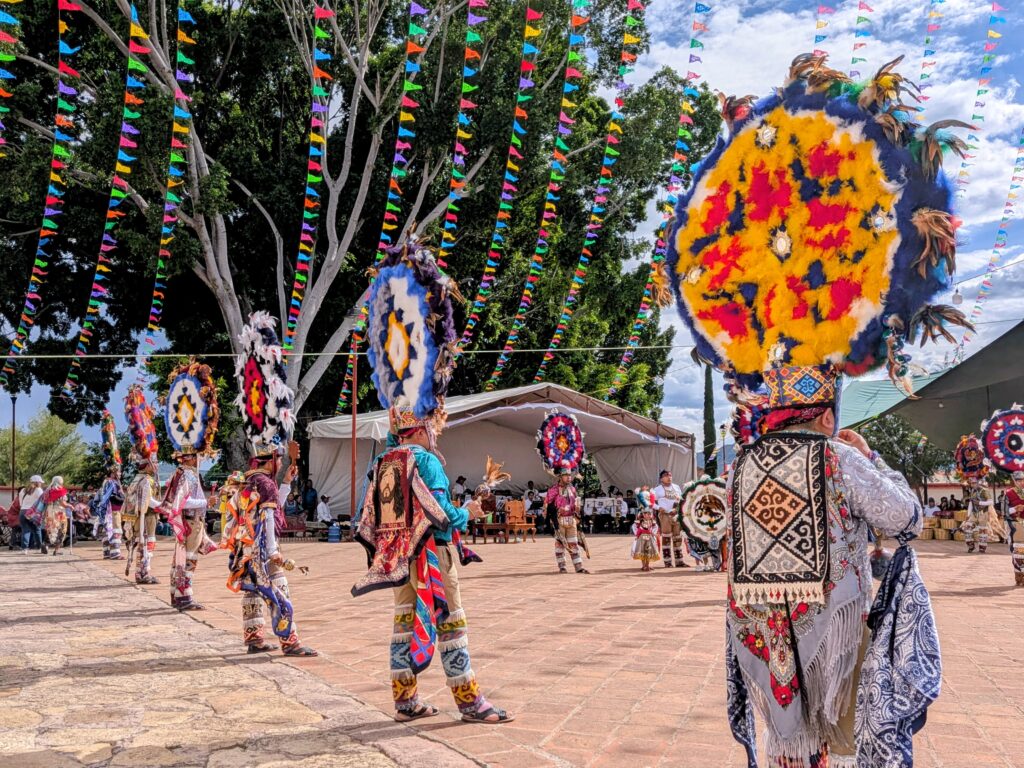
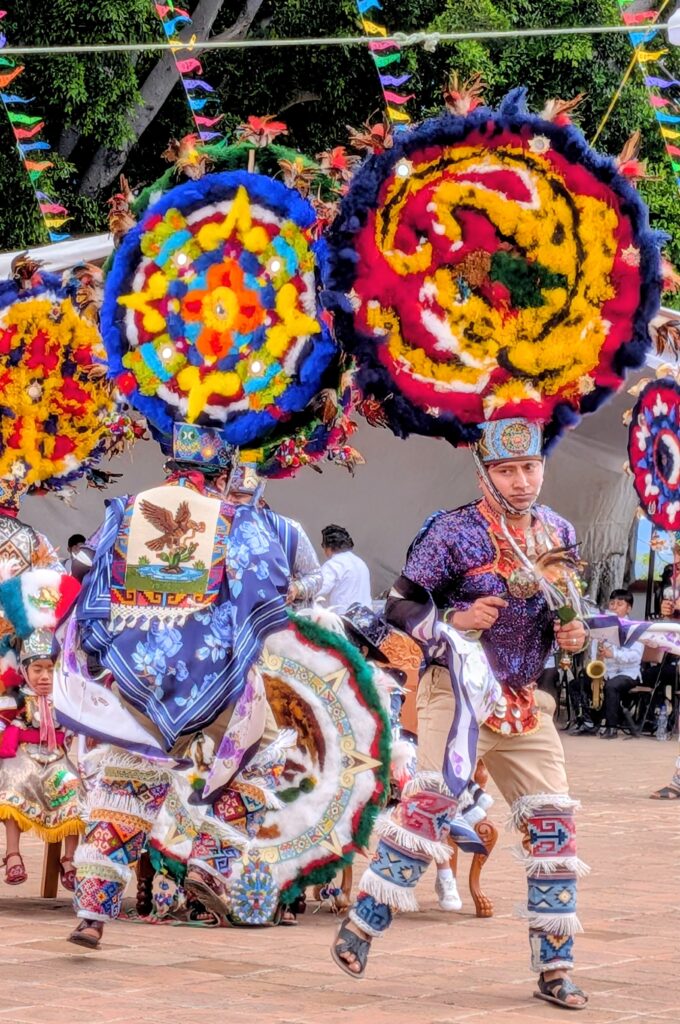
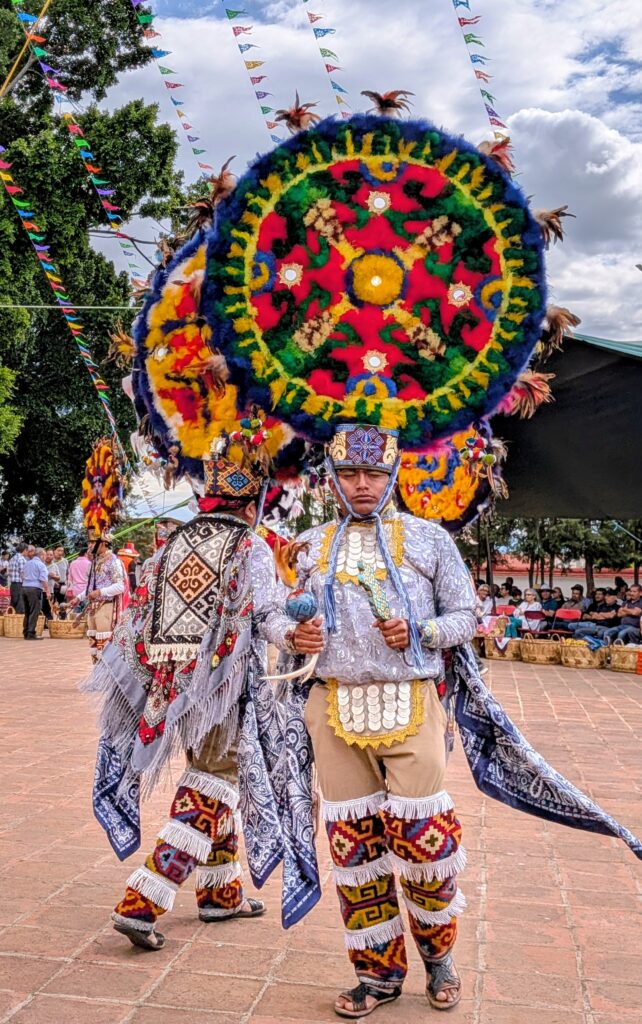
We walked into the plaza just as the Danza de la Pluma was beginning.
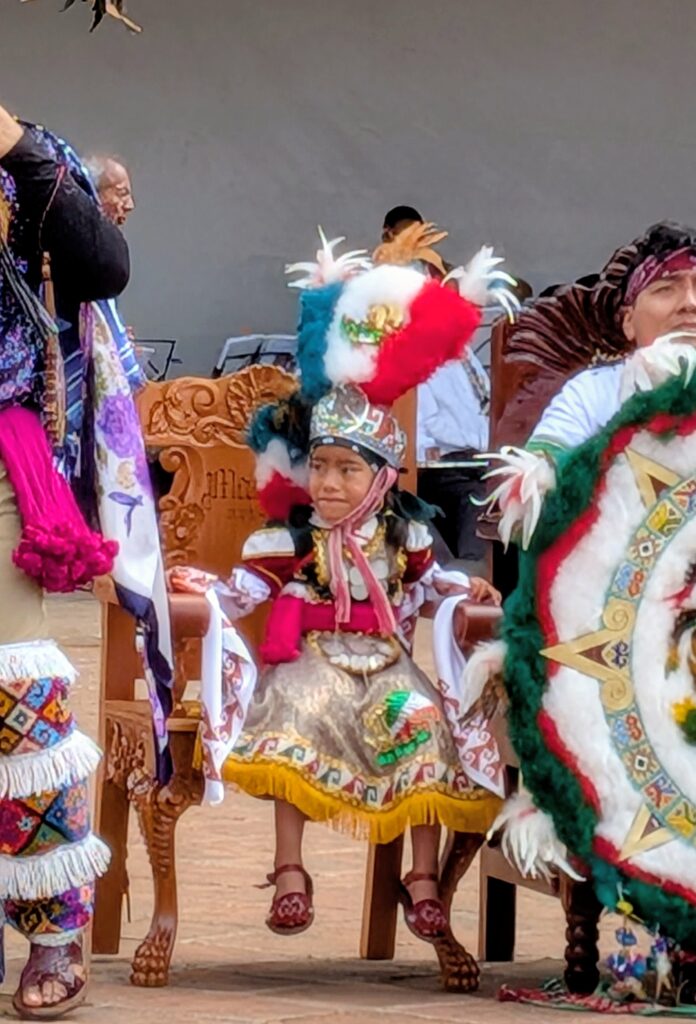
The Danza de la Pluma — Dance of the Feather — is one of the most visually extraordinary things I have seen in Mexico, and I do not say that lightly. The dancers wear towering, ornate headdresses that can stand several feet above their heads, depicting scenes from both pre-Hispanic cosmology and the Spanish conquest in intricate embroidery and decoration. The dance itself is a ritualized retelling of the meeting between Moctezuma and Hernán Cortés — performed here as both history and ceremony, a way of processing and honoring what was lost. In Teotitlán, the Danza de la Pluma is not just a performance: participants make a three-year religious vow to dance, treating it as an act of devotion as much as cultural expression.
The connection to Mardi Gras Indians hit me immediately — those same enormous, breathtaking headdresses made with obsessive care, worn in ceremonial procession through streets that know their history and choose to honor it through spectacle. I feel that New Orleans connection so often in Mexico. It is part of why I think I love this country so deeply.
While the Danza proceeded, men at the sides of the plaza were collecting offerings — fruit, vegetables, bottles of tequila — a mixing of the sacred and the festive that is so characteristic of Mexican ceremony. We didn’t end up buying a rug on this visit. We didn’t need to. The village gave us something better.
Oaxaca’s Art Scene: Murals, Printmaking, and Portals
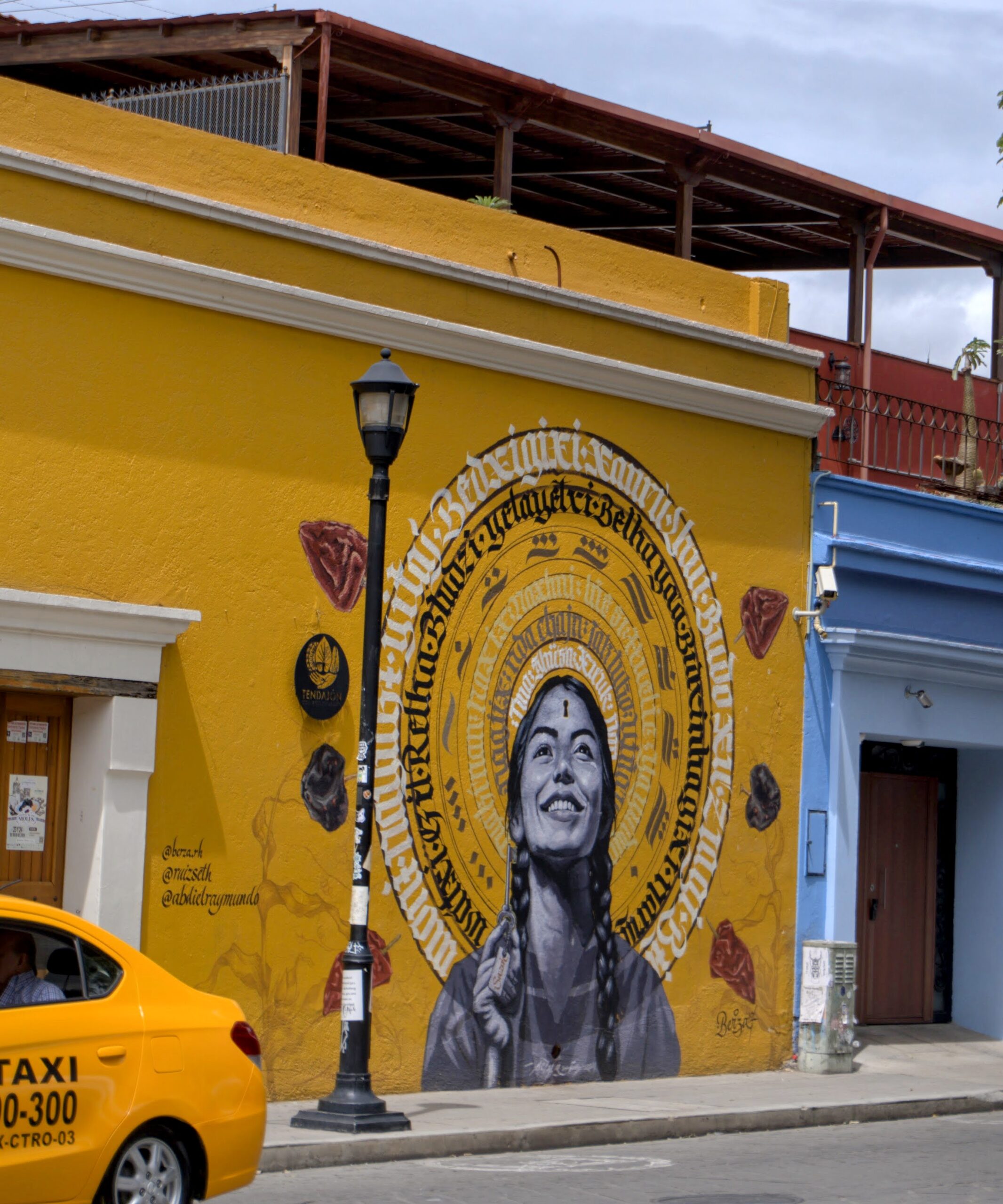
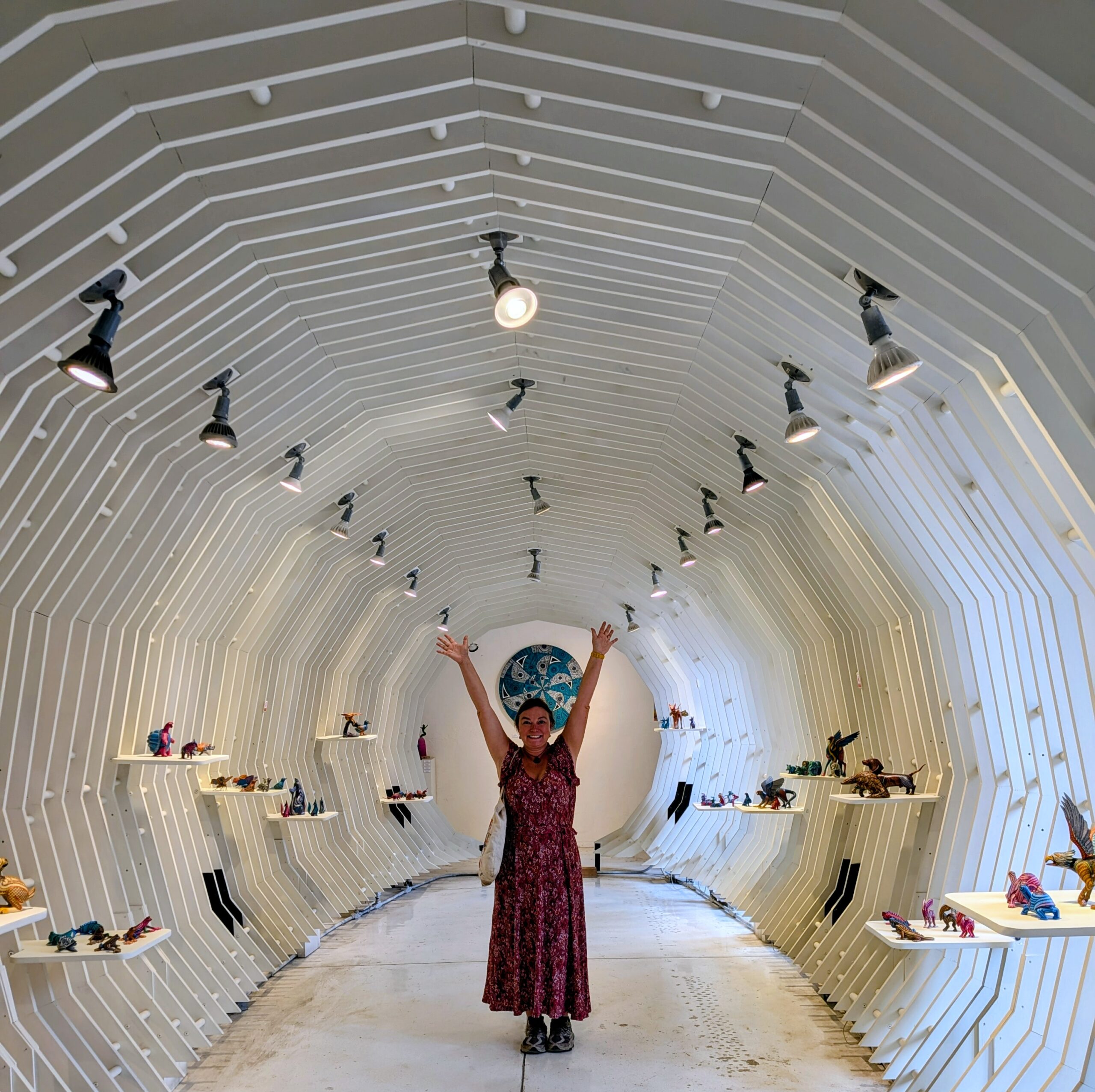
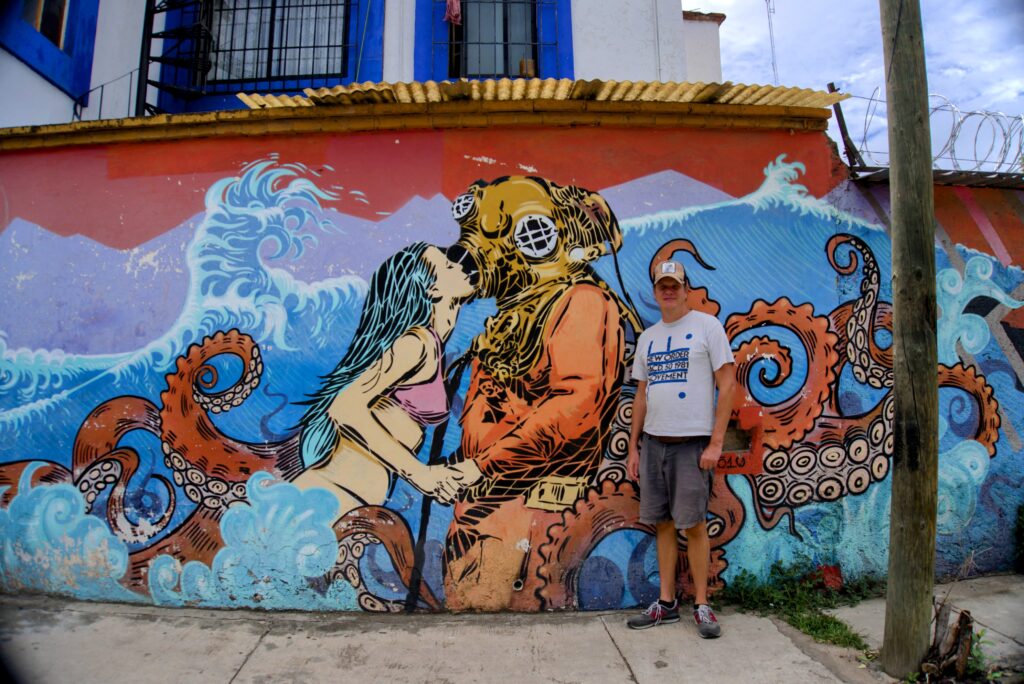
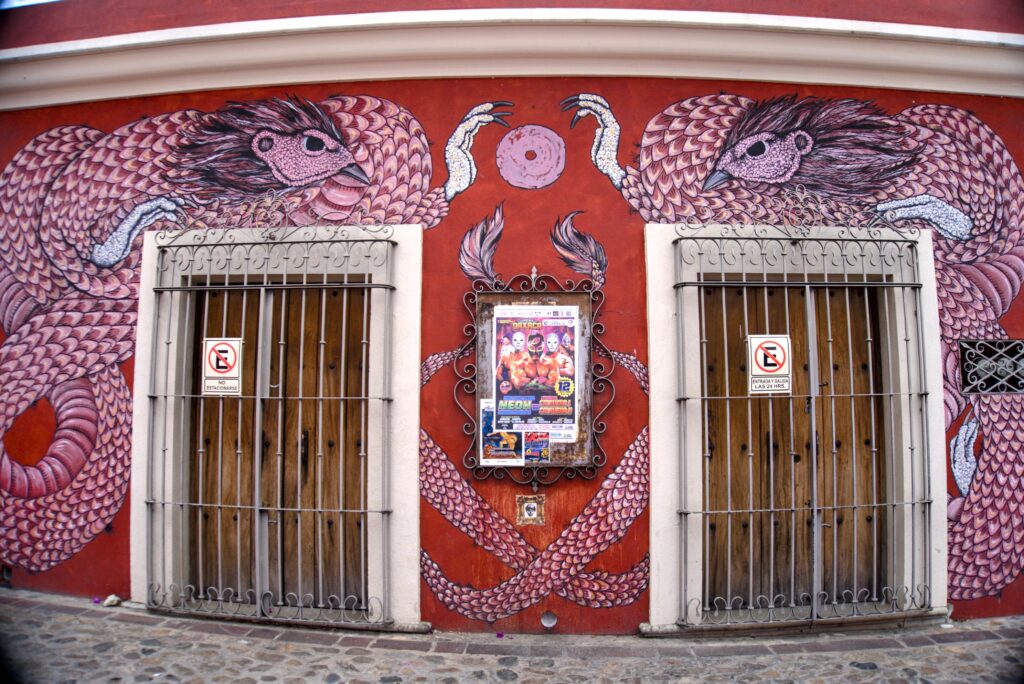
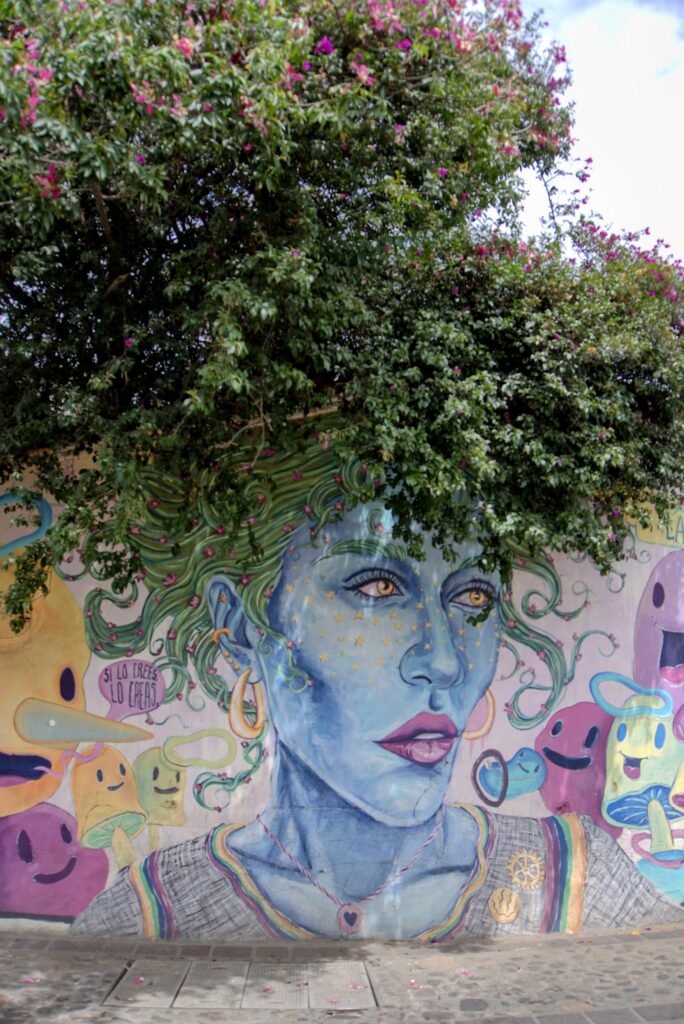
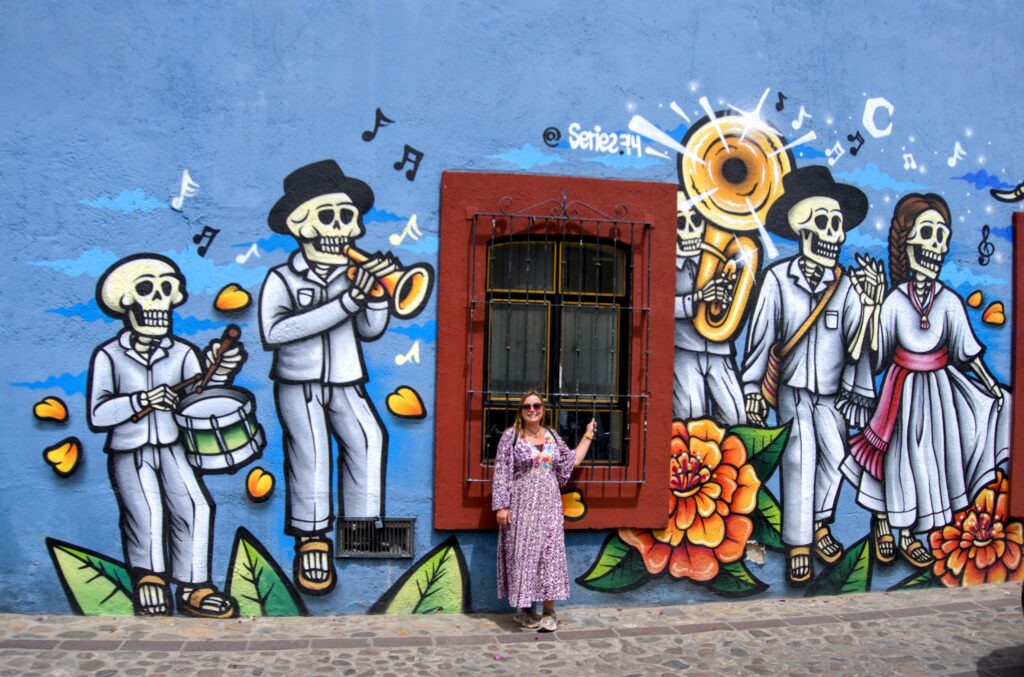
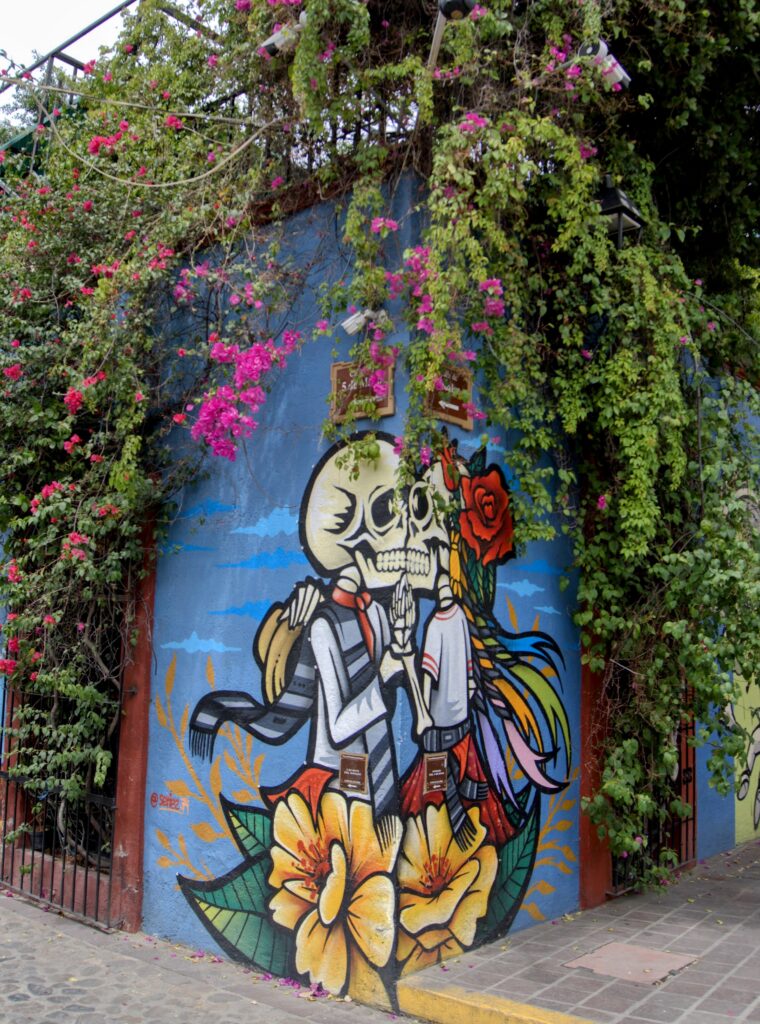
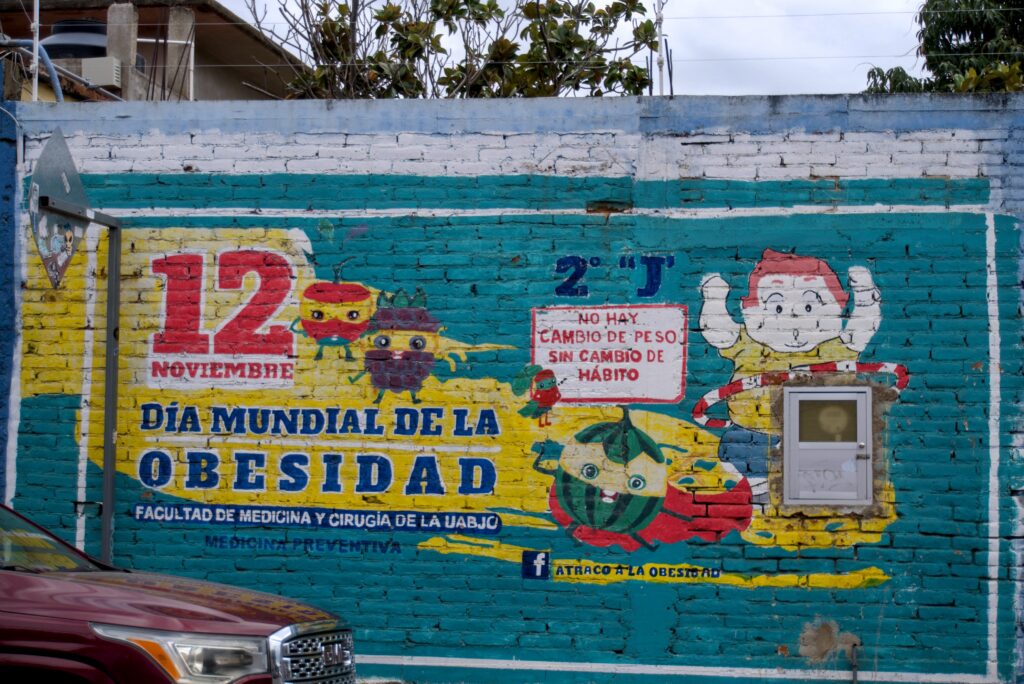
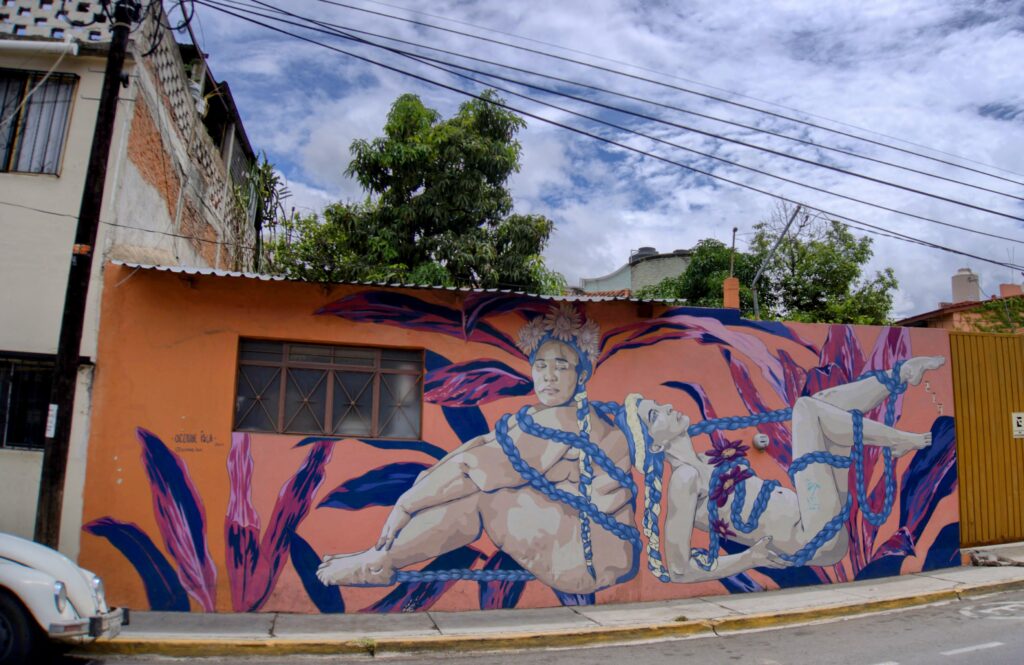
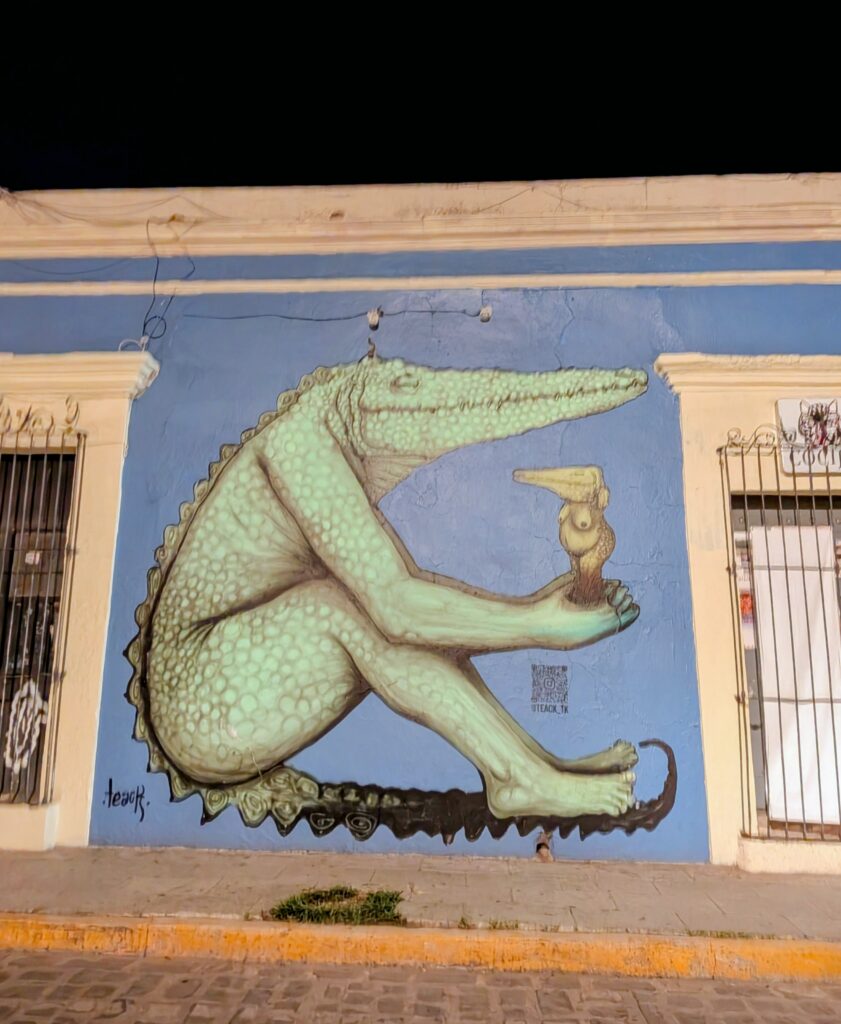
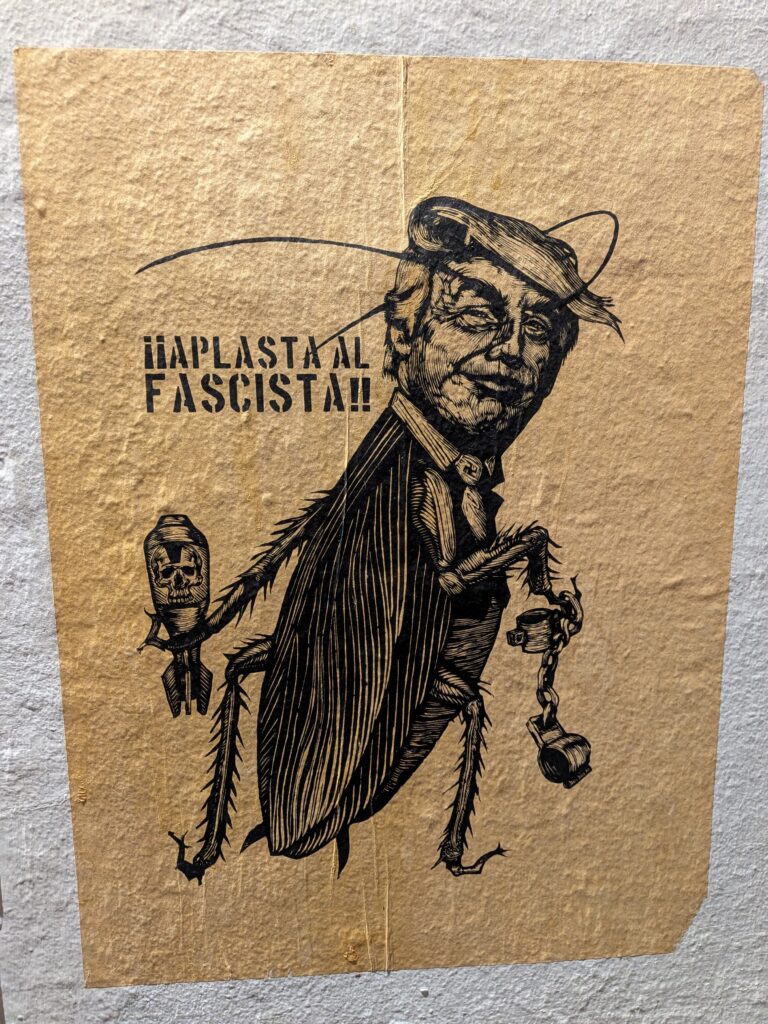
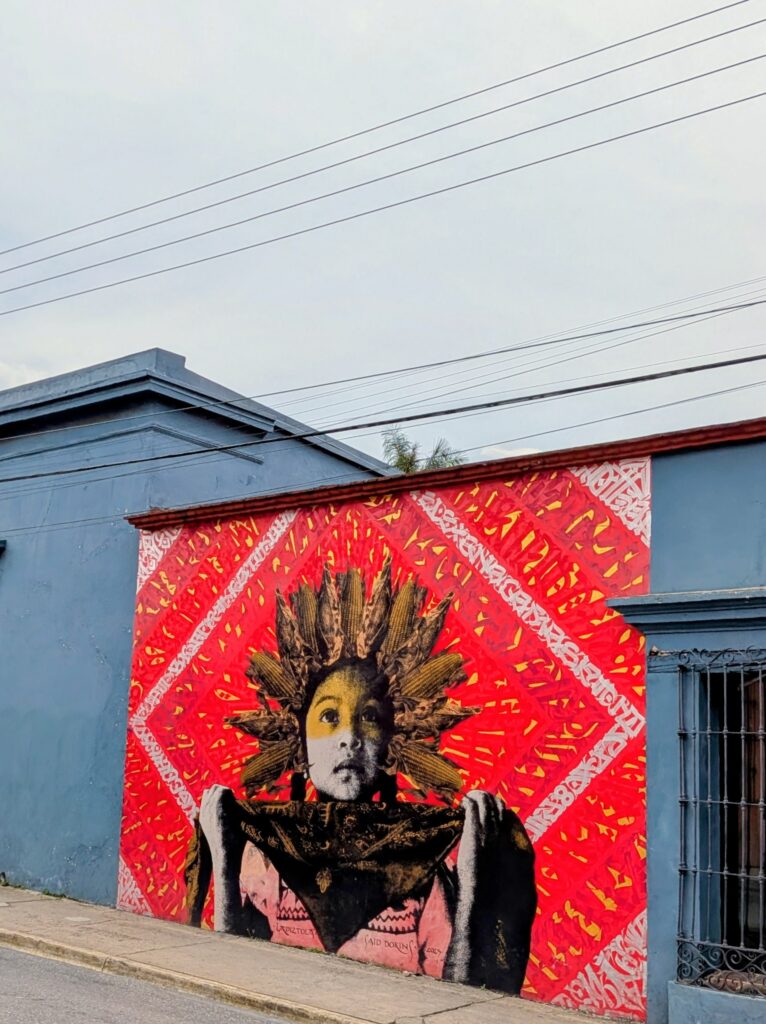
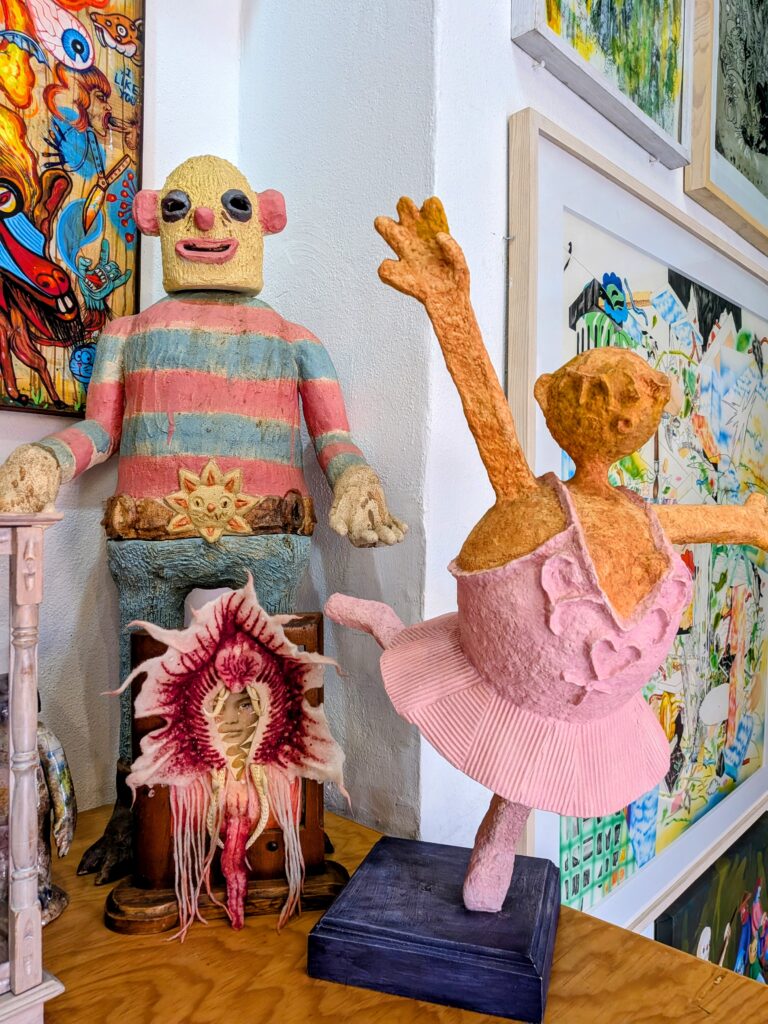
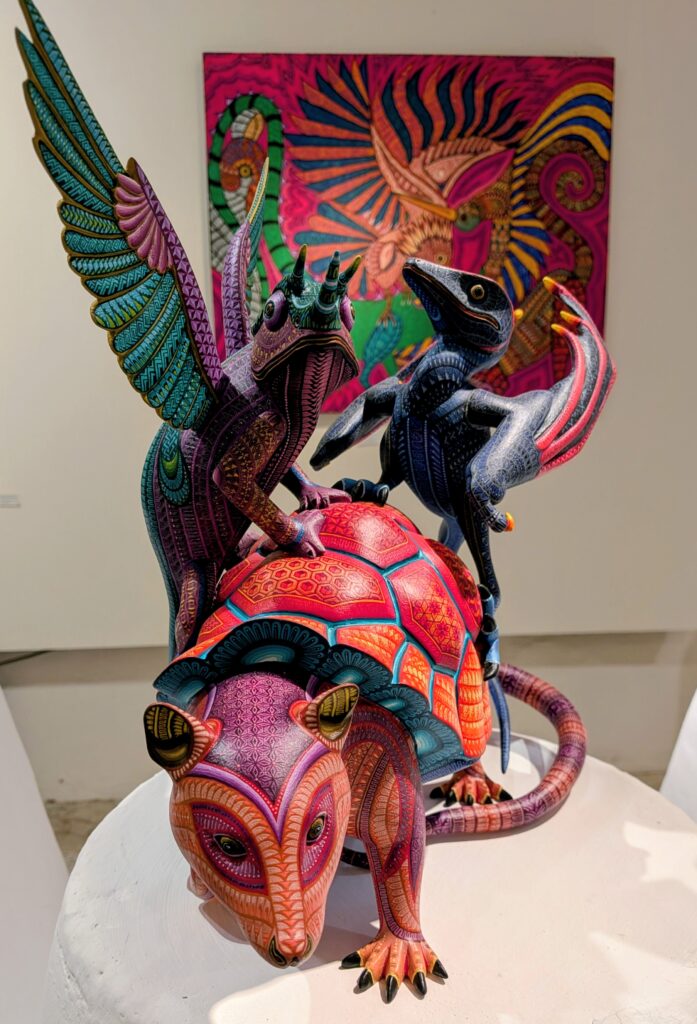
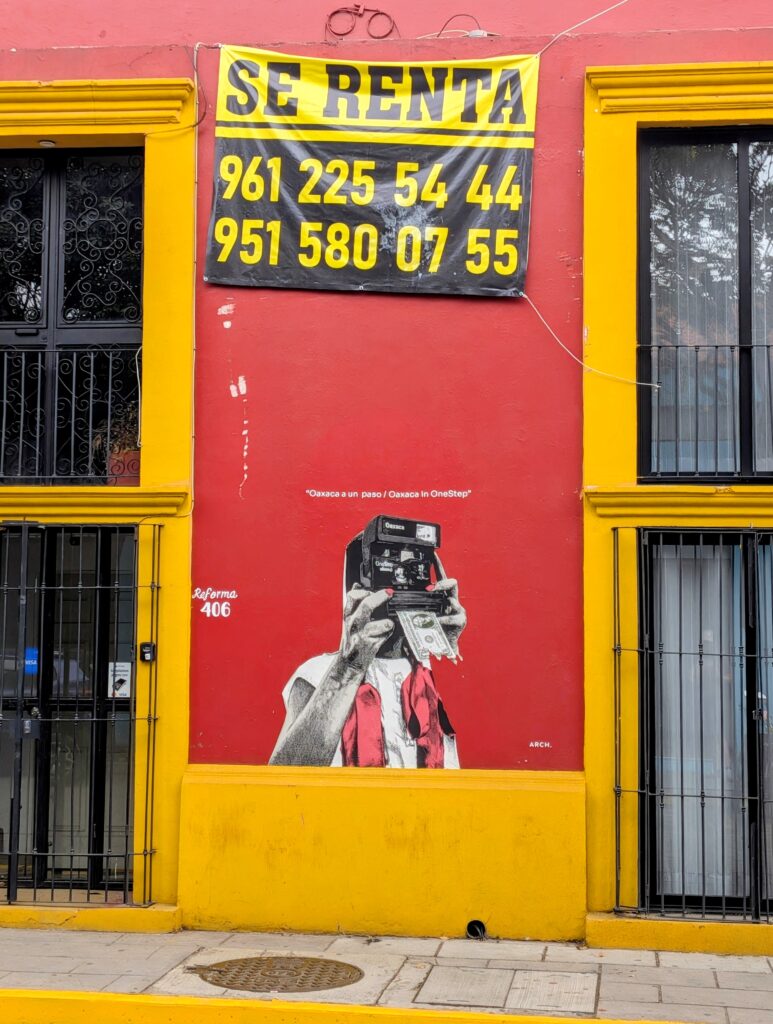
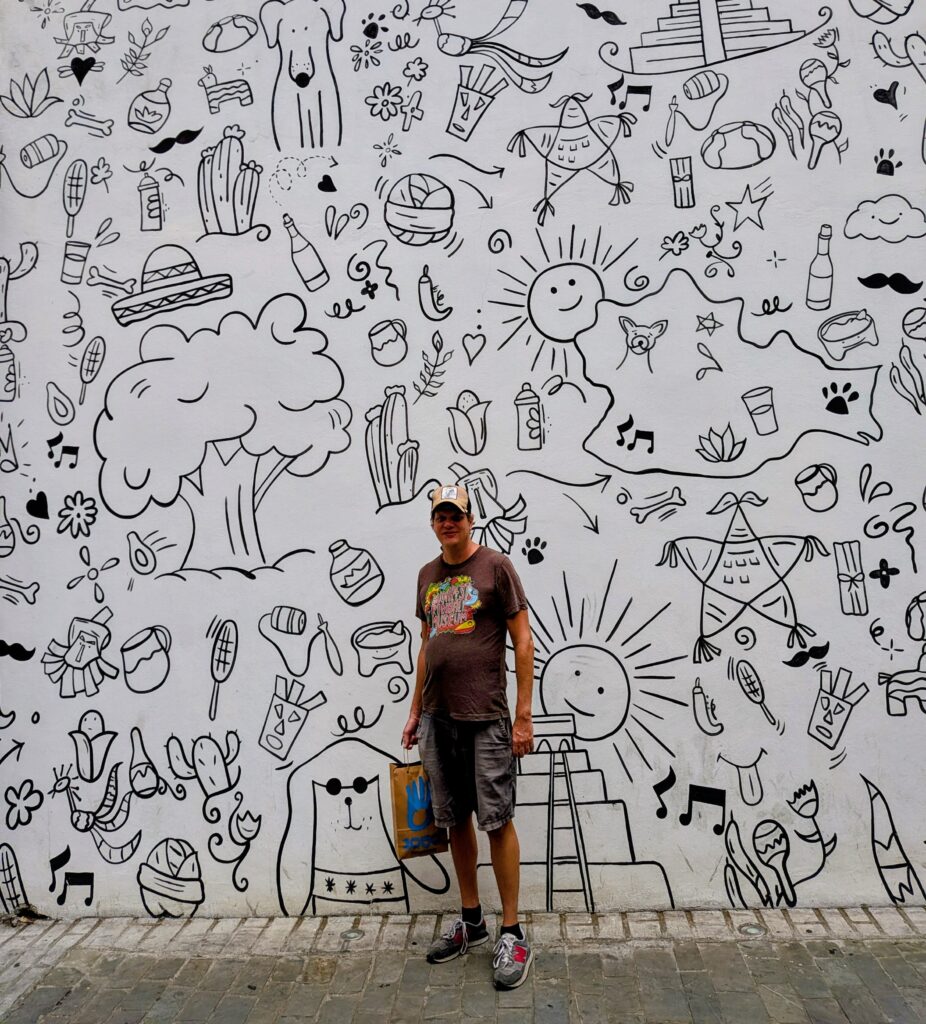
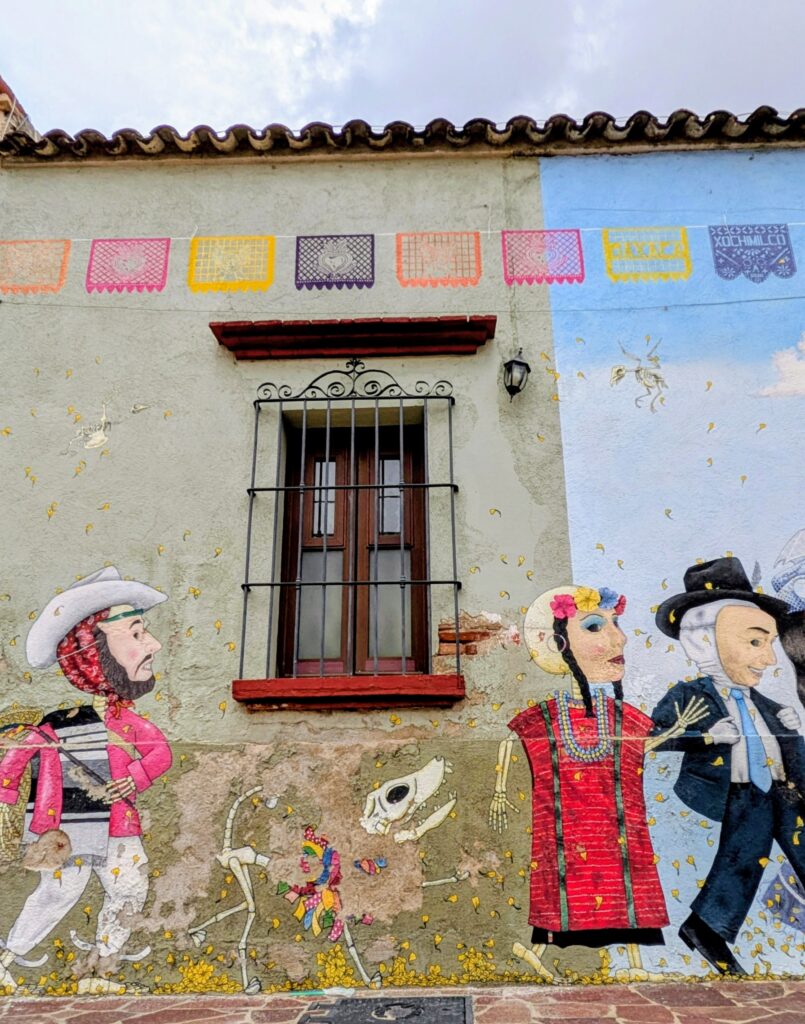
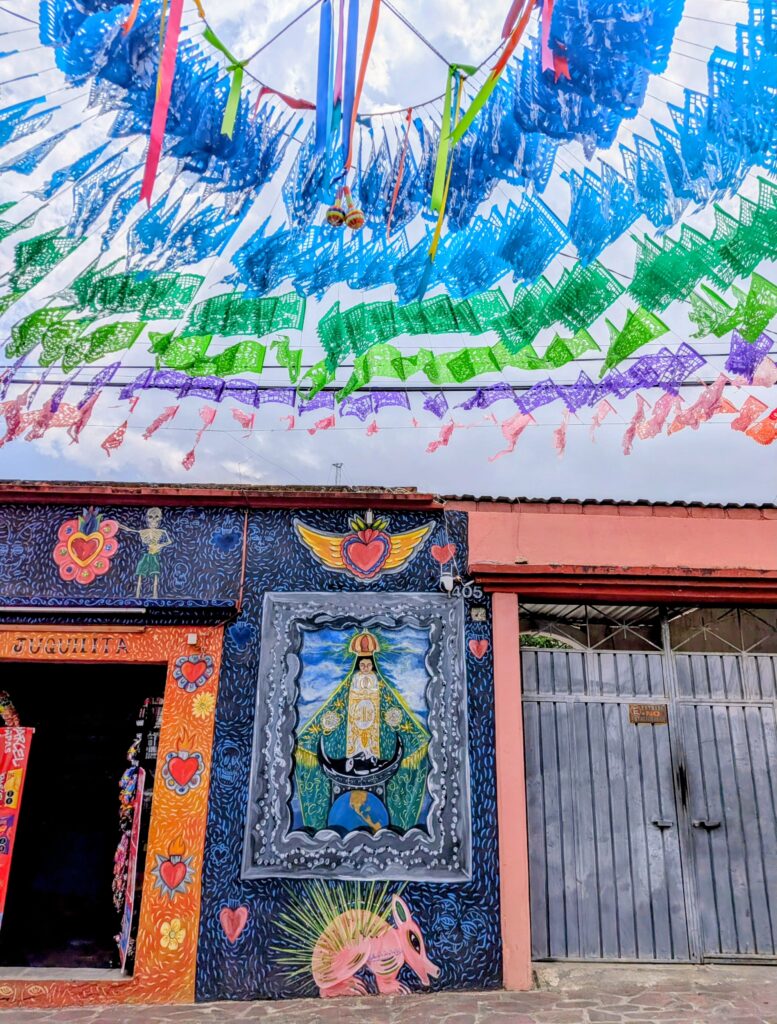
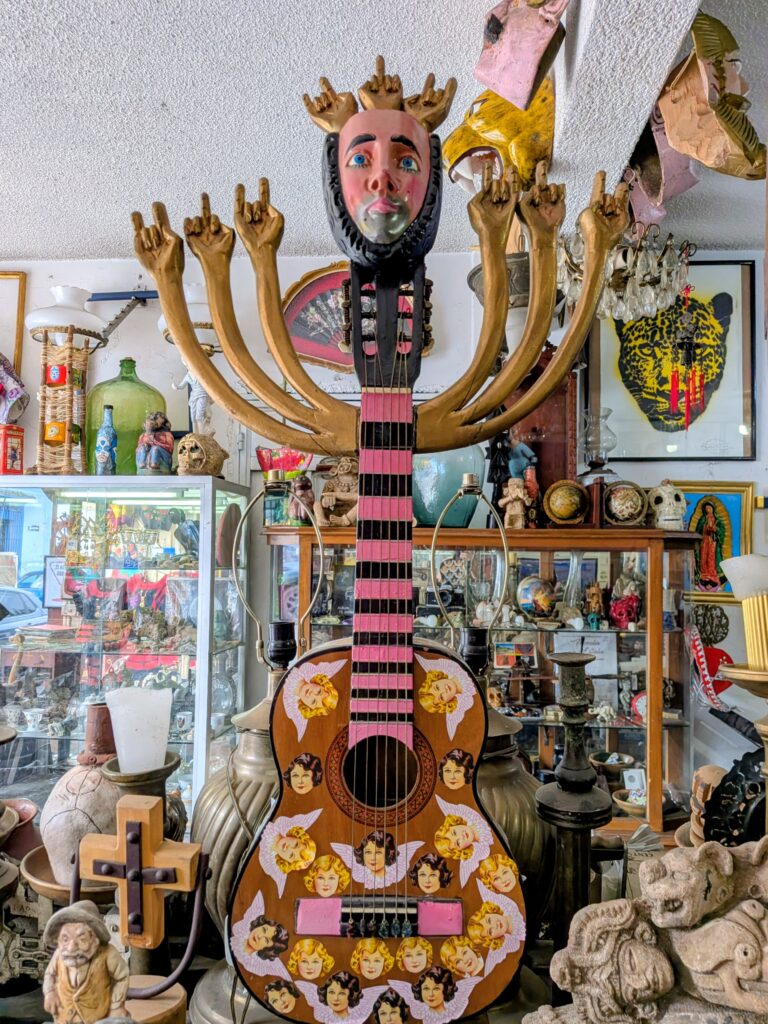
Oaxaca is one of the foremost centers for printmaking in the world — graphic arts and relief printing have deep roots here, and galleries and workshops devoted to the form are everywhere. But the art extends to every surface: murals, mosaics, painted walls, textile art hung from doorways. Walking through Oaxaca is like walking through a living gallery that has decided the outdoors are a better venue than any building. Throughout many streets there are colorful painted portals that seem to pull you through them into something brighter.

Catching the Pre-Guelaguetza Celebrations
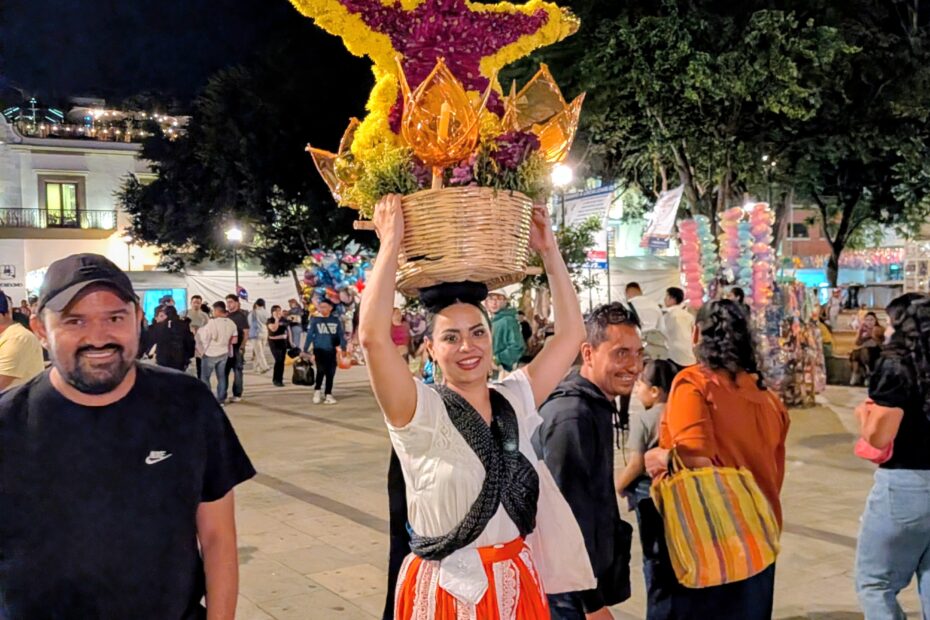
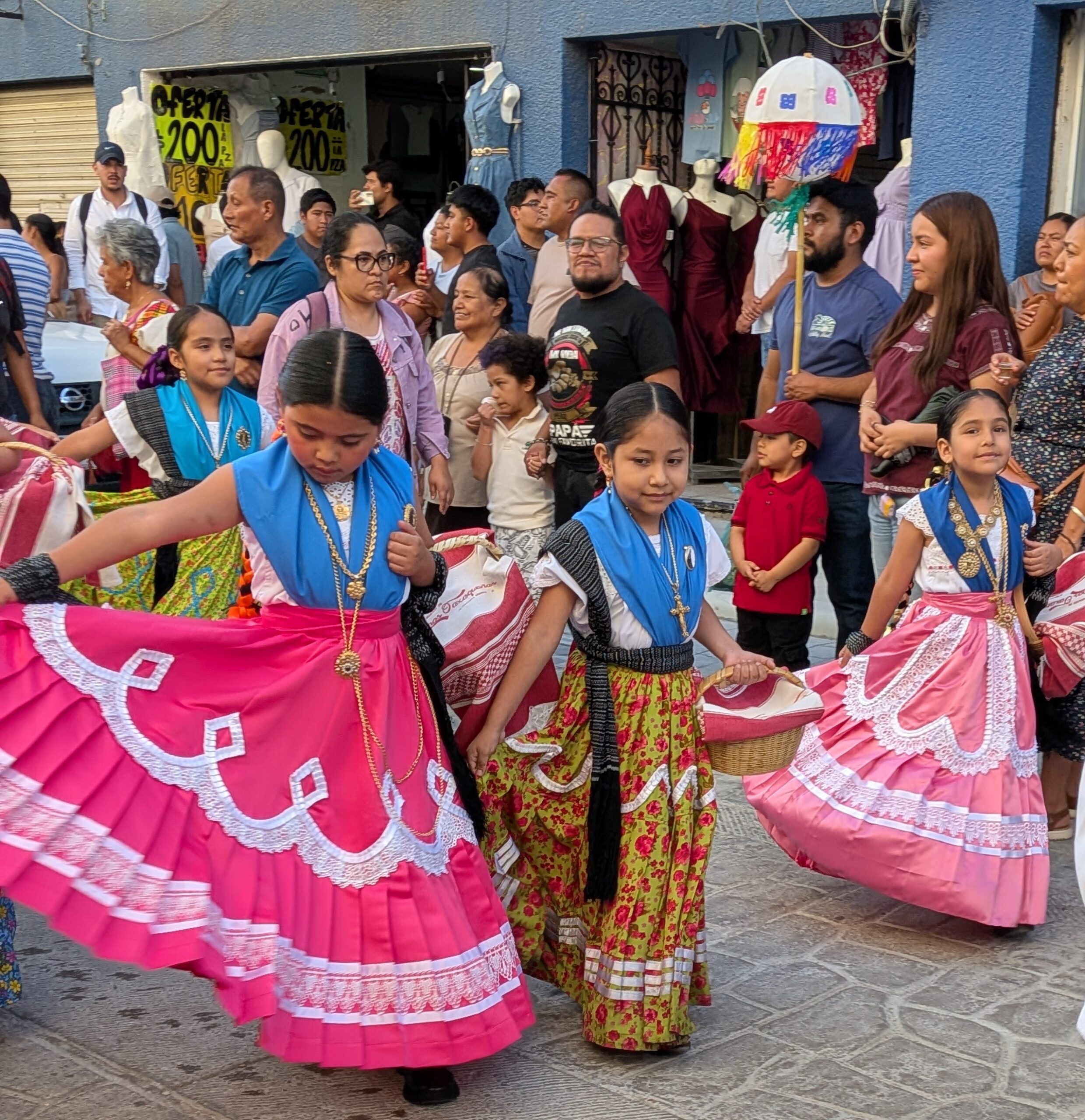
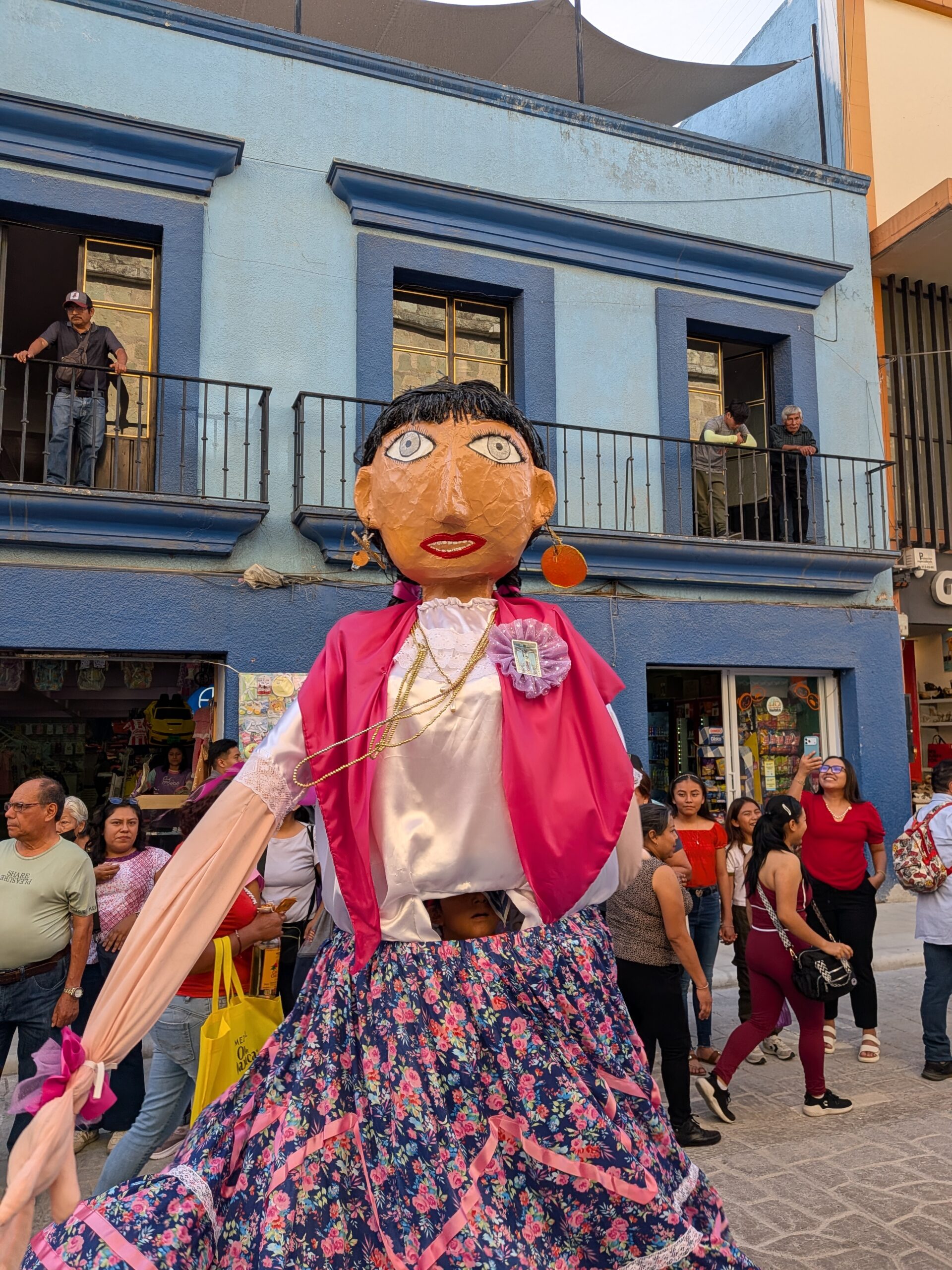
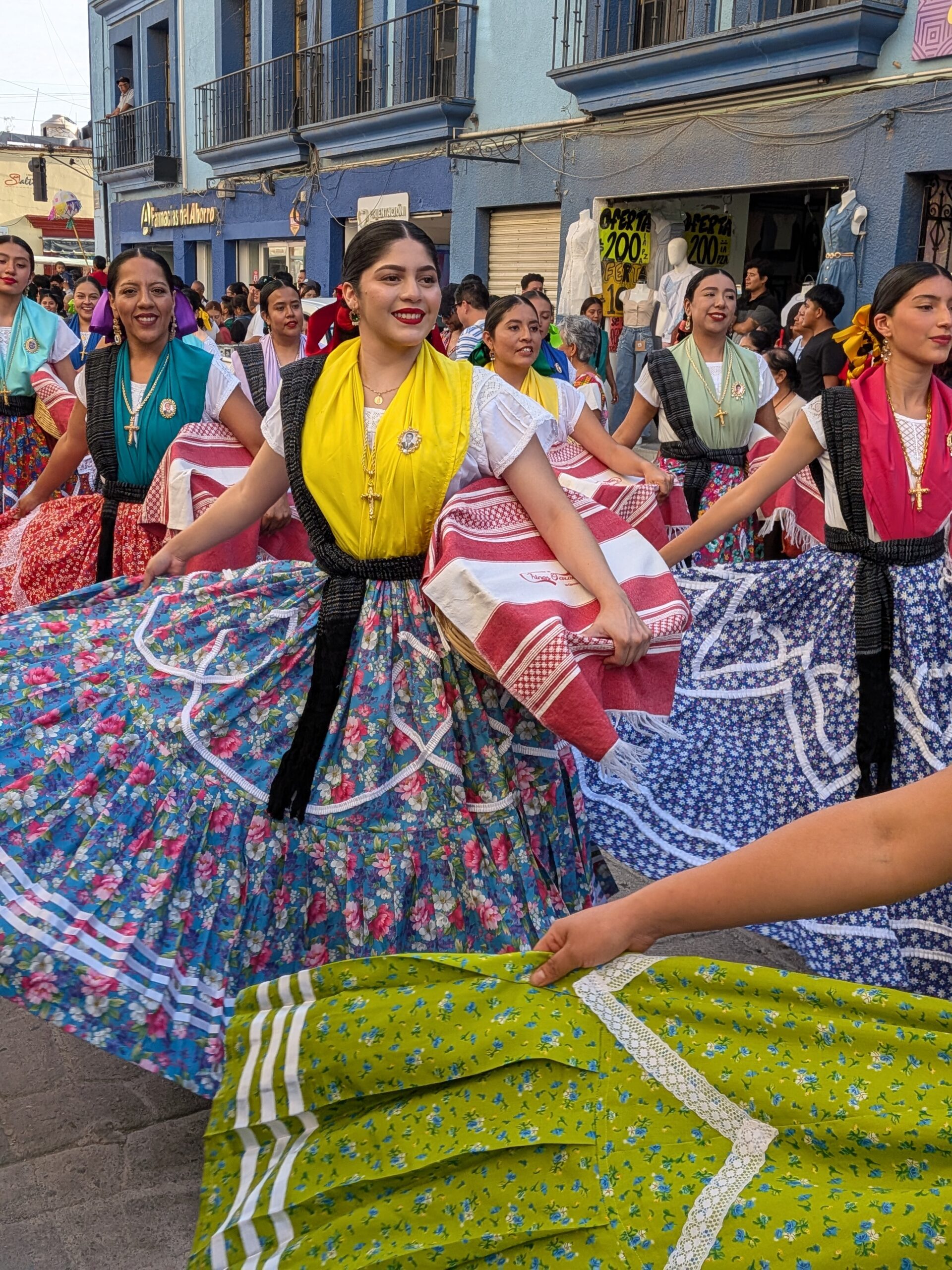
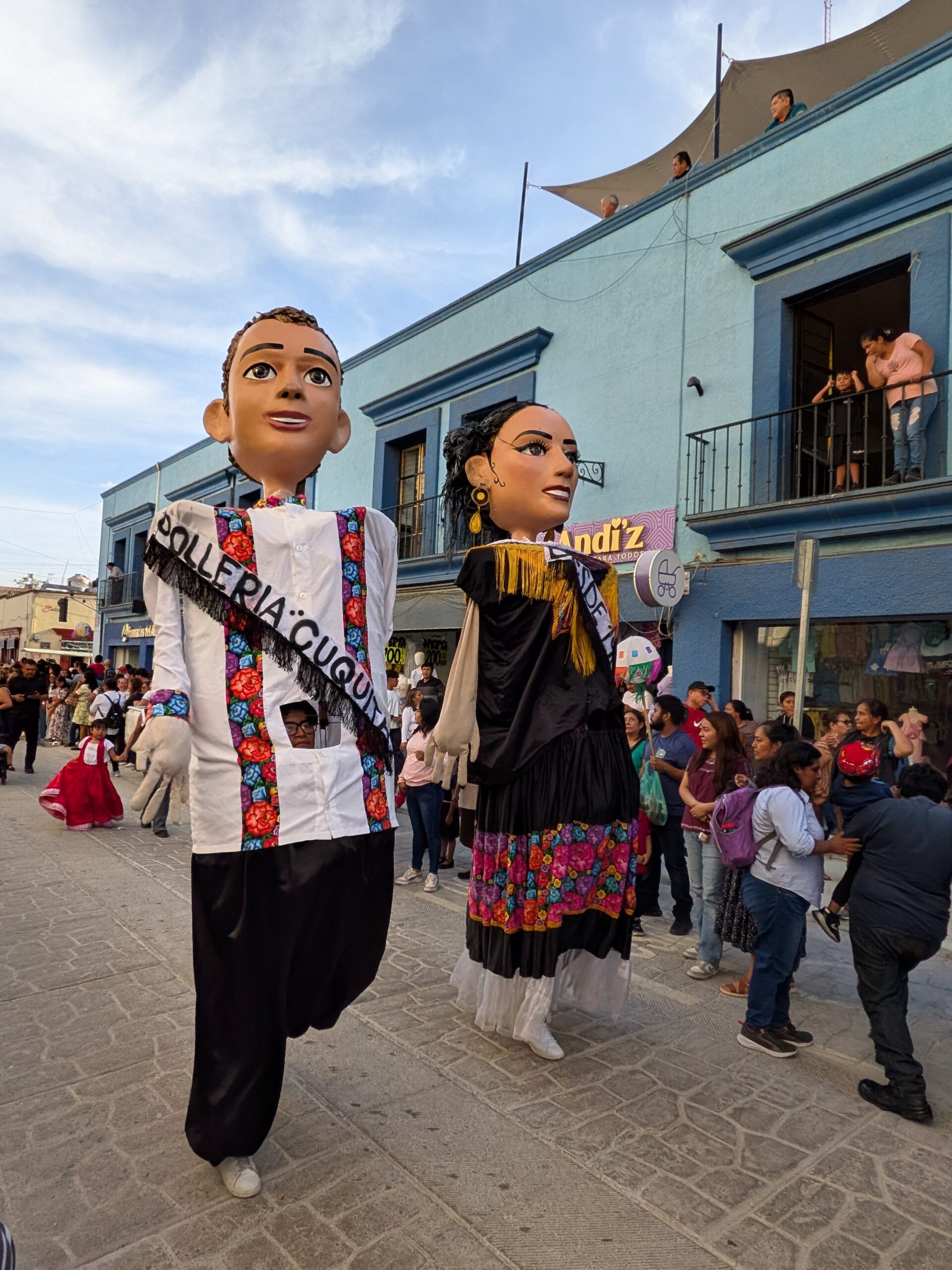
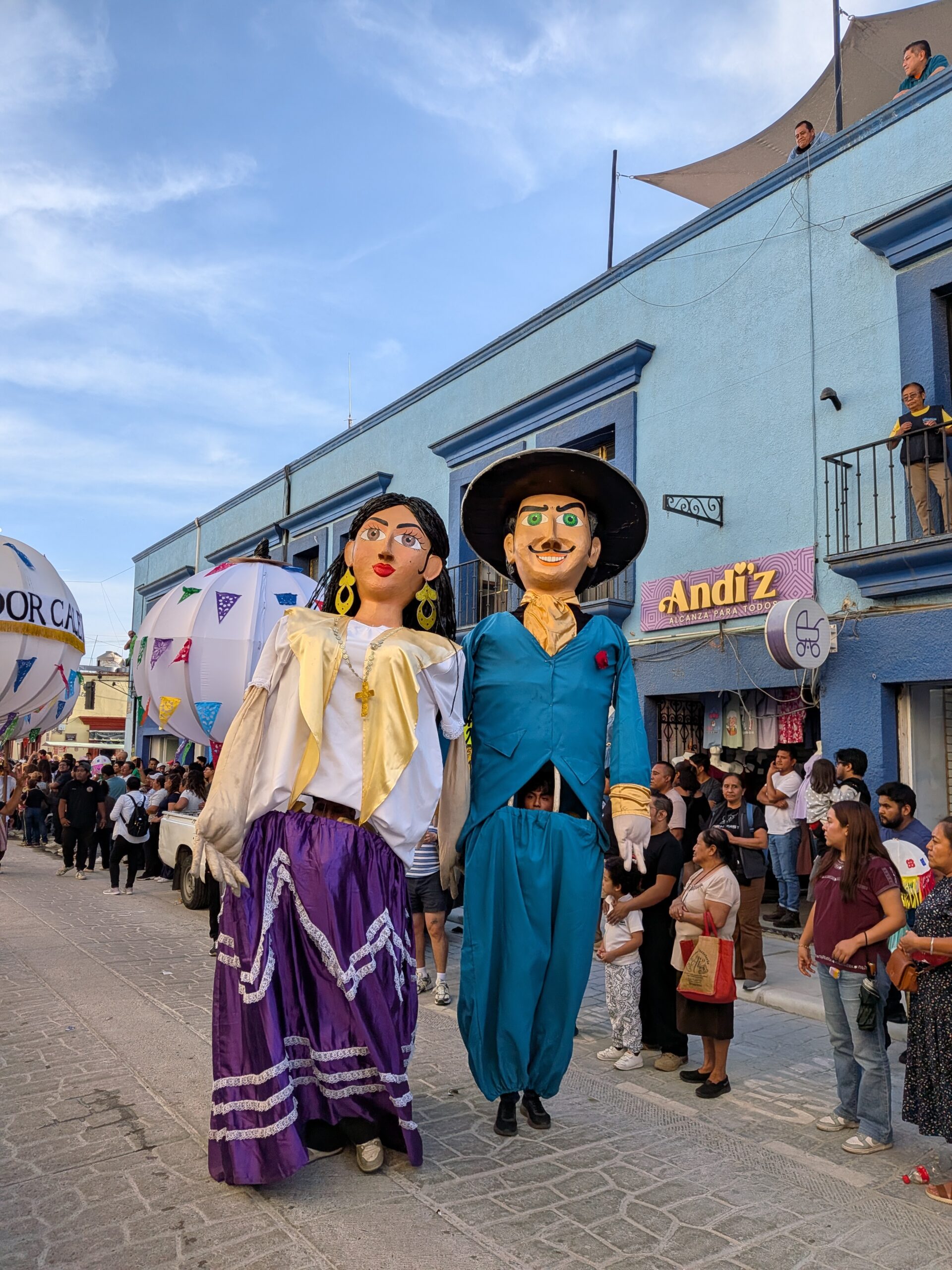
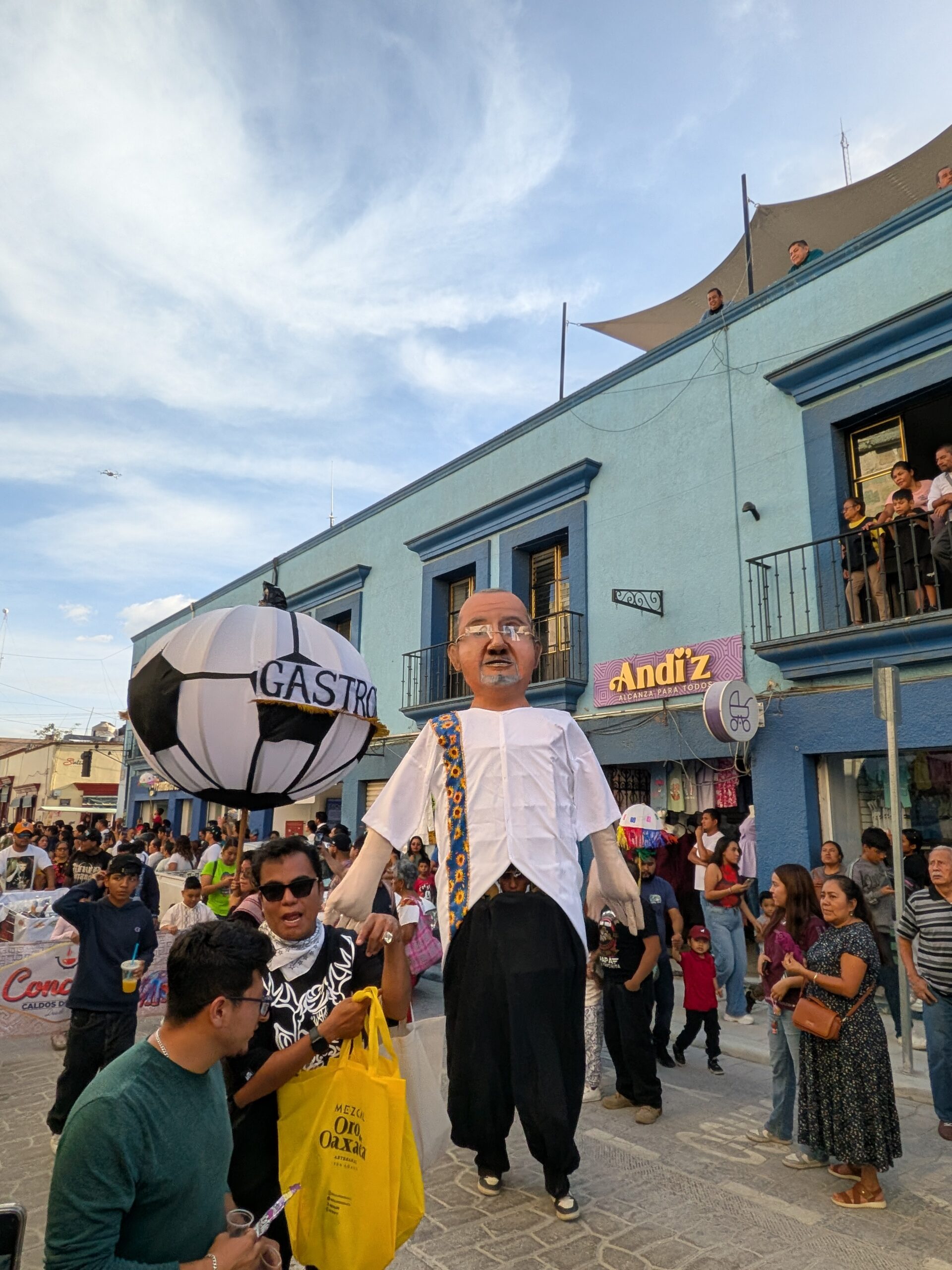
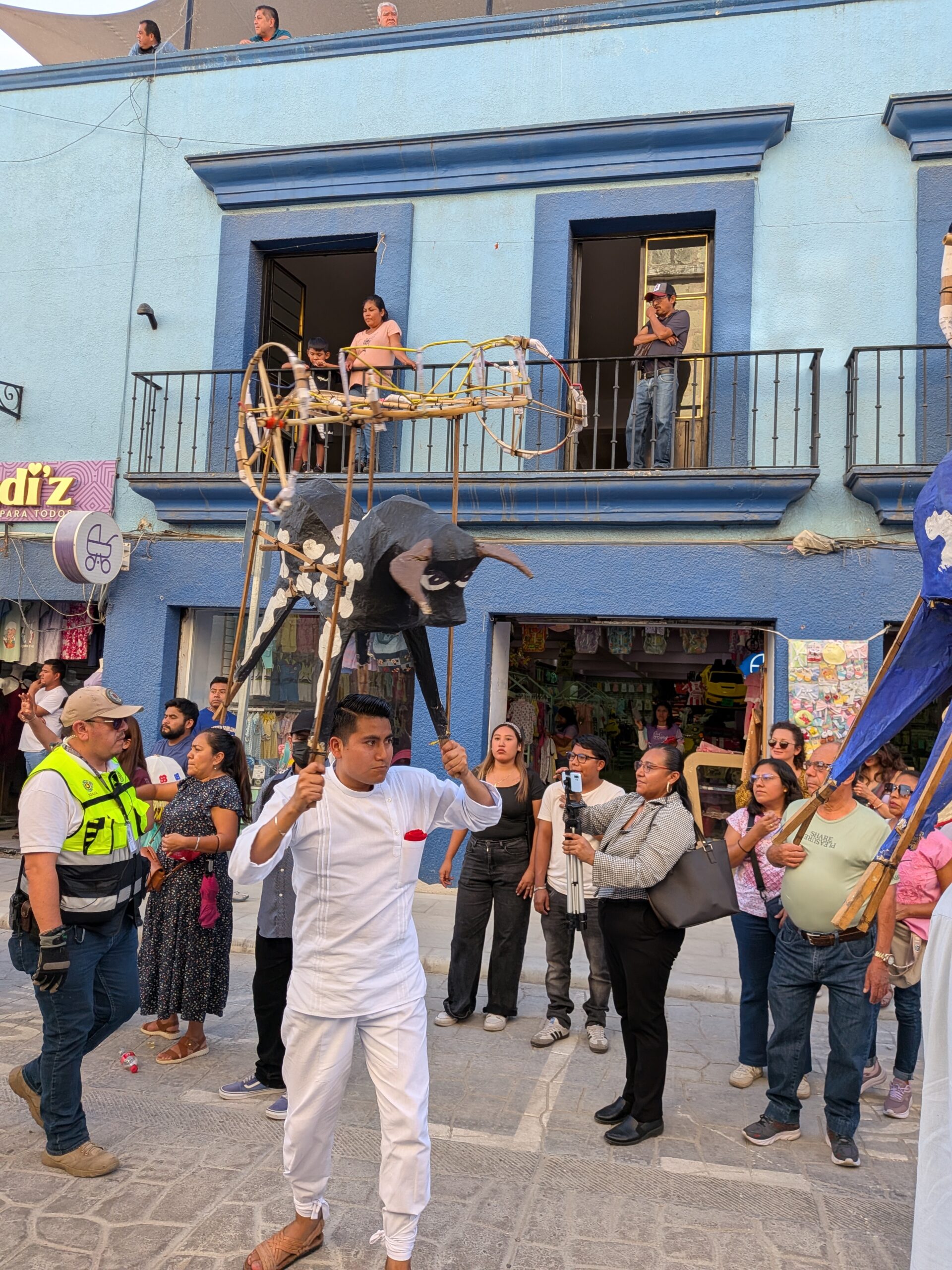
The Guelaguetza festival was approaching during our visit — the annual celebration of Oaxacan indigenous culture held every July, rooted in ancient corn harvest traditions and now featuring two weeks of regional dance, music, artisan markets, and mezcal fairs that draw visitors from around the world. The city was already gearing up. We caught two pre-Guelaguetza parades: the first, a traditional procession of color and enormous spinning balloons and giant papier-mâché characters moving through the streets. The second honored the mercados — vendors participating in the parade, passing out food samples and, generously, copious shots of mezcal. We accepted both. Too much fun.
Oaxaca: We’ll Be Back
Oaxaca is one of those places that earns every superlative you throw at it and then makes you feel like you haven’t found the right words yet. Beautiful, safe, layered with thousands of years of living culture, filled with food and art that operate at a level that makes you recalibrate your standards for both. We may not live here — the airport argument holds — but I haven’t ruled it out for the future. And in the meantime, we will keep coming back.