Malang: Mount Bromo at Sunrise, Rainbow Villages, and the Best Hotel
After the train ride from Yogyakarta winding through East Java’s landscape, we arrived in Malang and checked into the Hotel Tugu Malang. Within about ten minutes we understood that this was not going to be an ordinary hotel stay.
Hotel Tugu Malang: A Living Museum
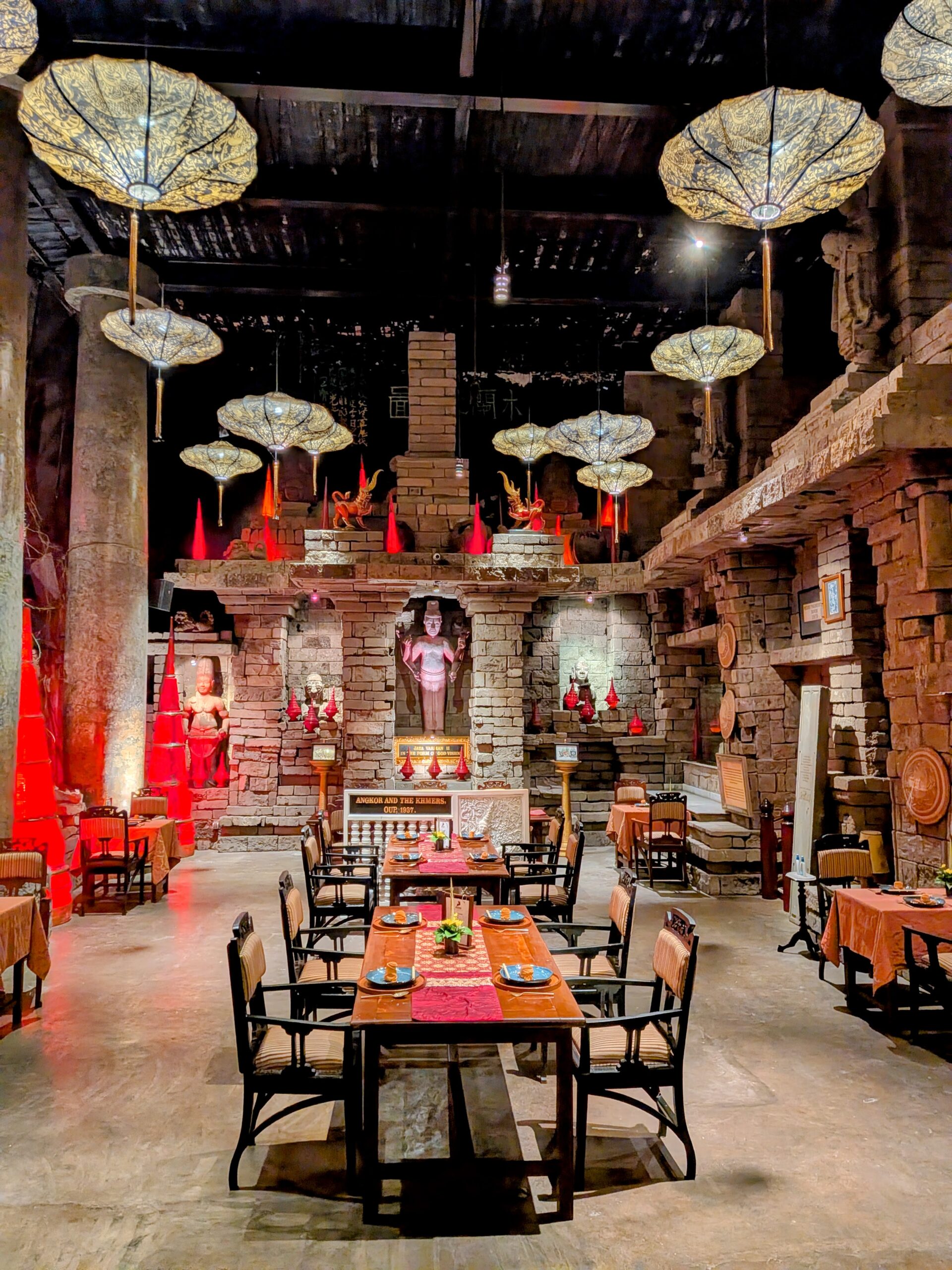
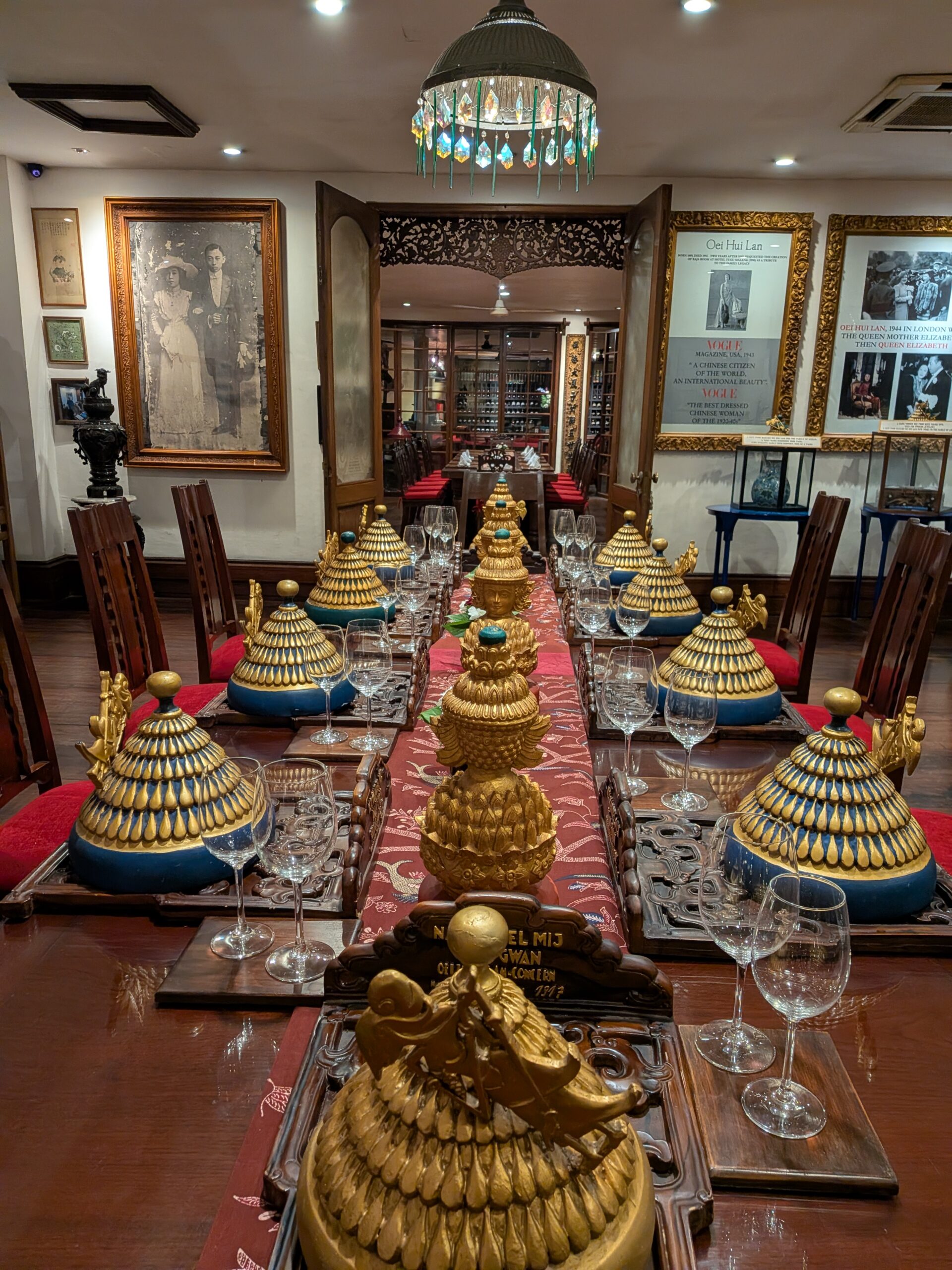
The story of Hotel Tugu begins with one man’s obsession. In 1970, Anhar Setjadibrata was a young medical student working as a pharmaceutical rep, traveling through the Indonesian archipelago and encountering locals who were discarding ancient relics they considered old-fashioned and worthless. Anhar saw something different — beauty, history, the tangible soul of his country — and began collecting them. His collection grew for decades until he realized it needed to be shared. In 1989 he opened Hotel Tugu Malang, the first of what would become a collection of museum hotels across Indonesia.
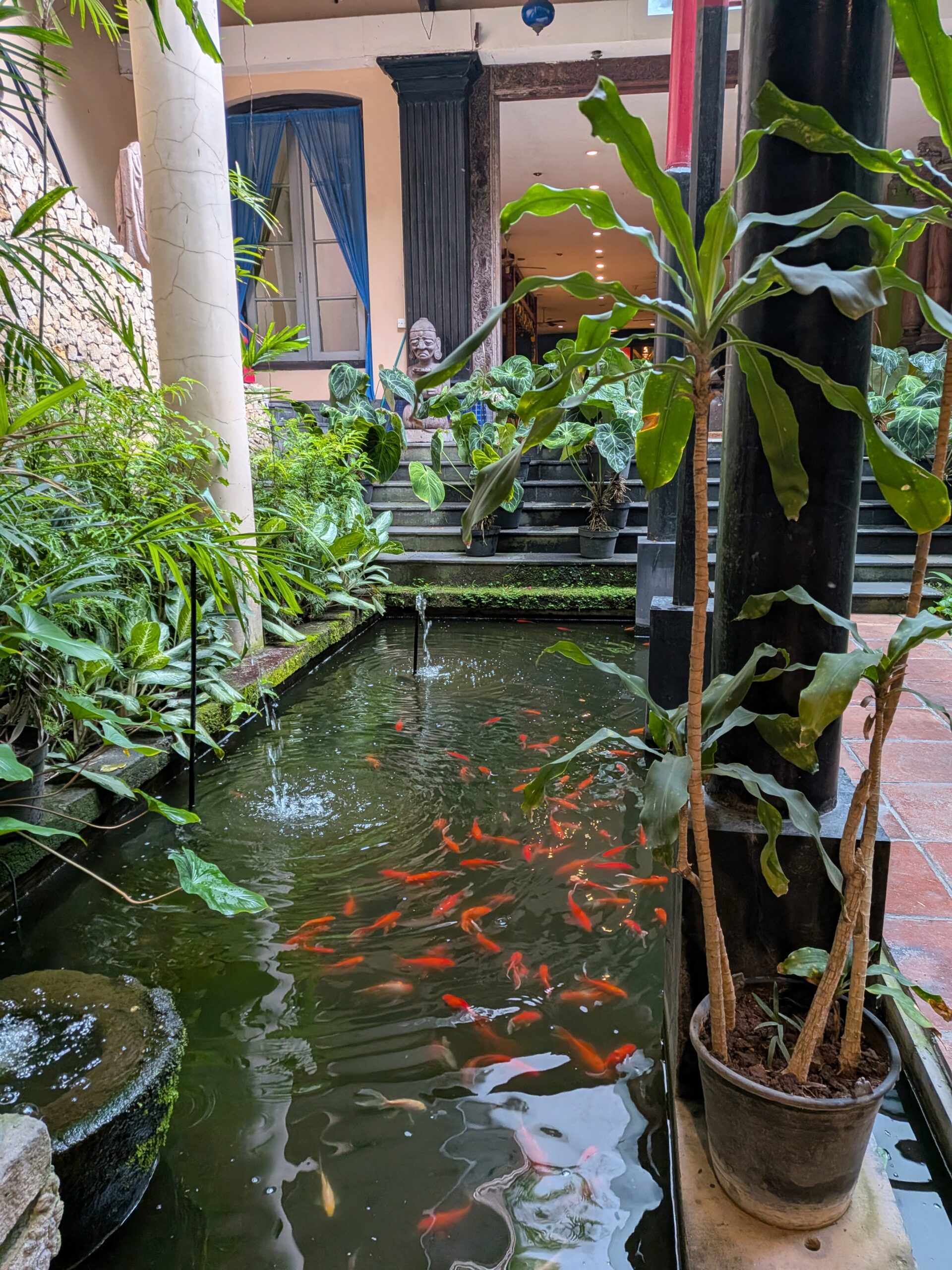
Walking through the hotel is like walking through one of the most thoughtfully curated Asian art museums you’ve ever encountered, except you get to sleep here. Every corner holds something remarkable — Javanese, Chinese, and Dutch colonial antiques filling rooms and corridors that each tell a different story.
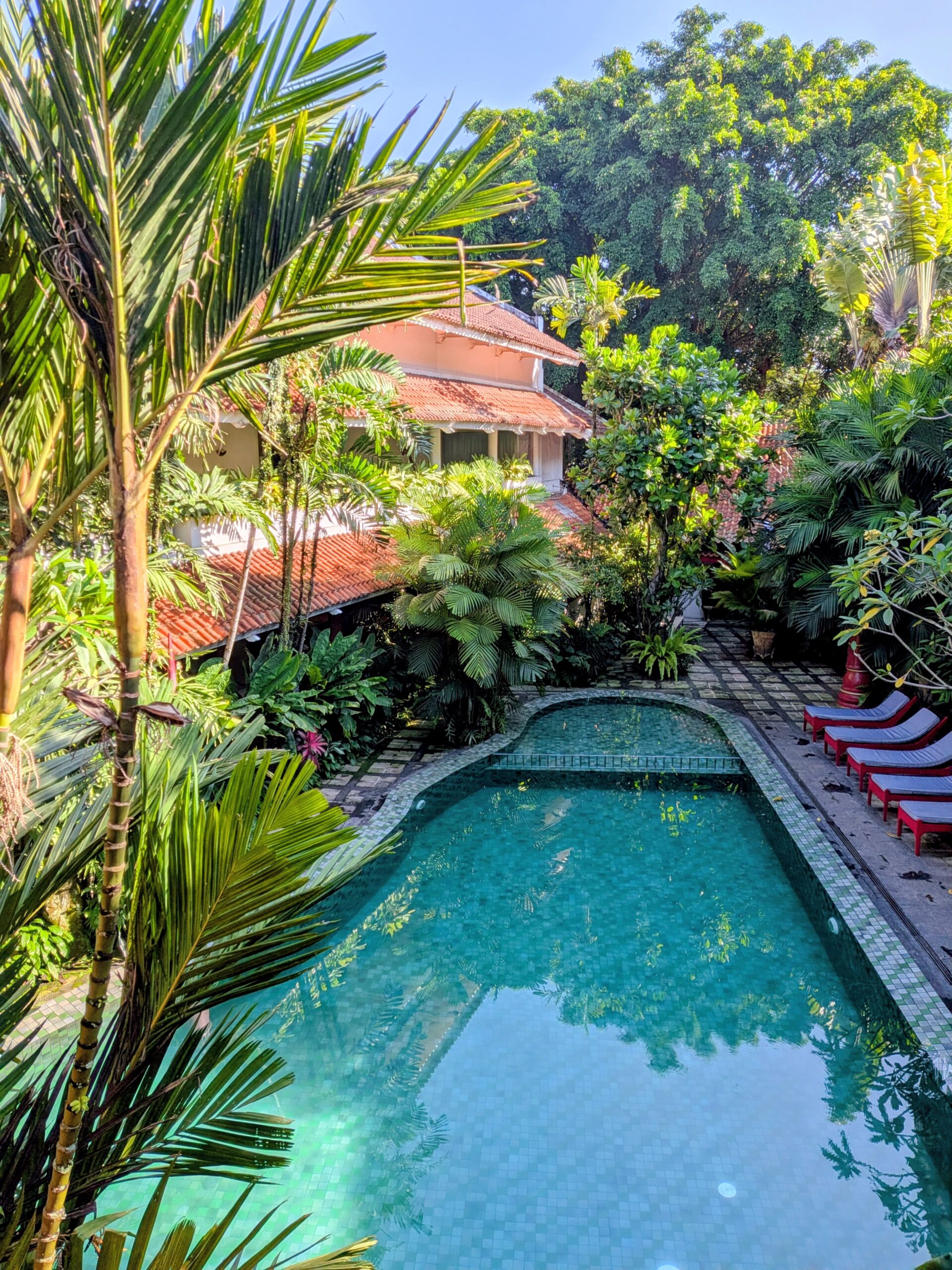
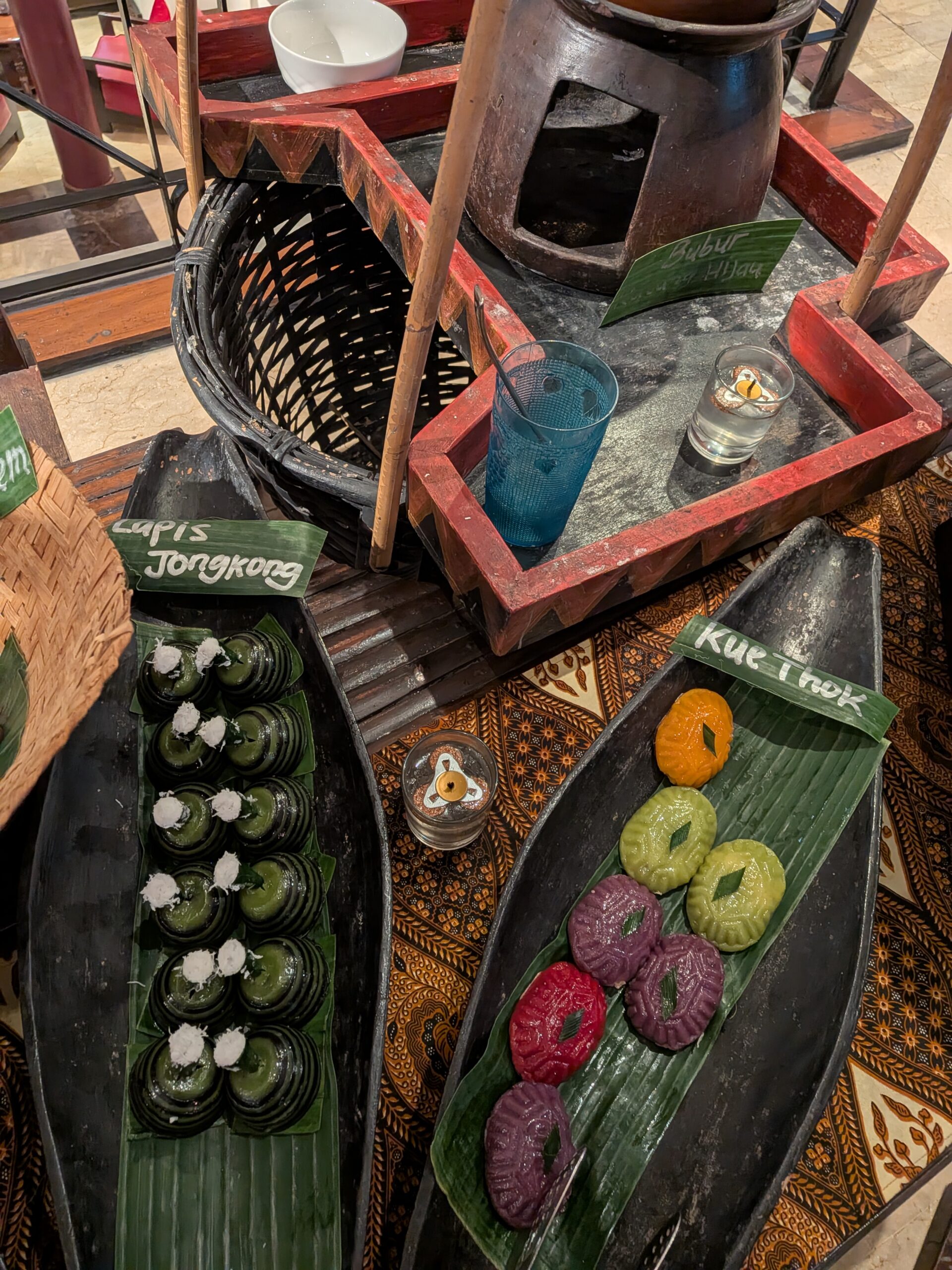
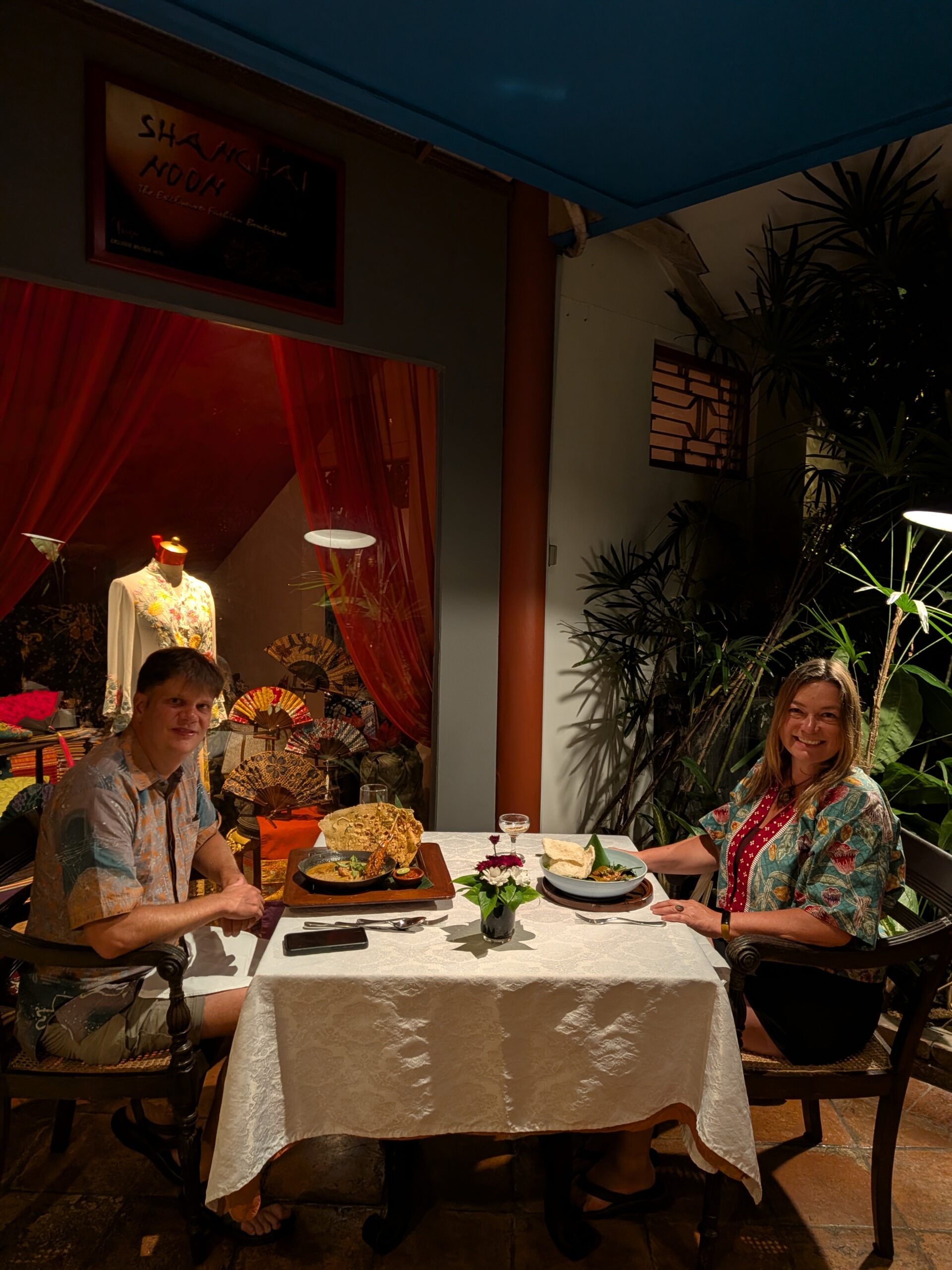
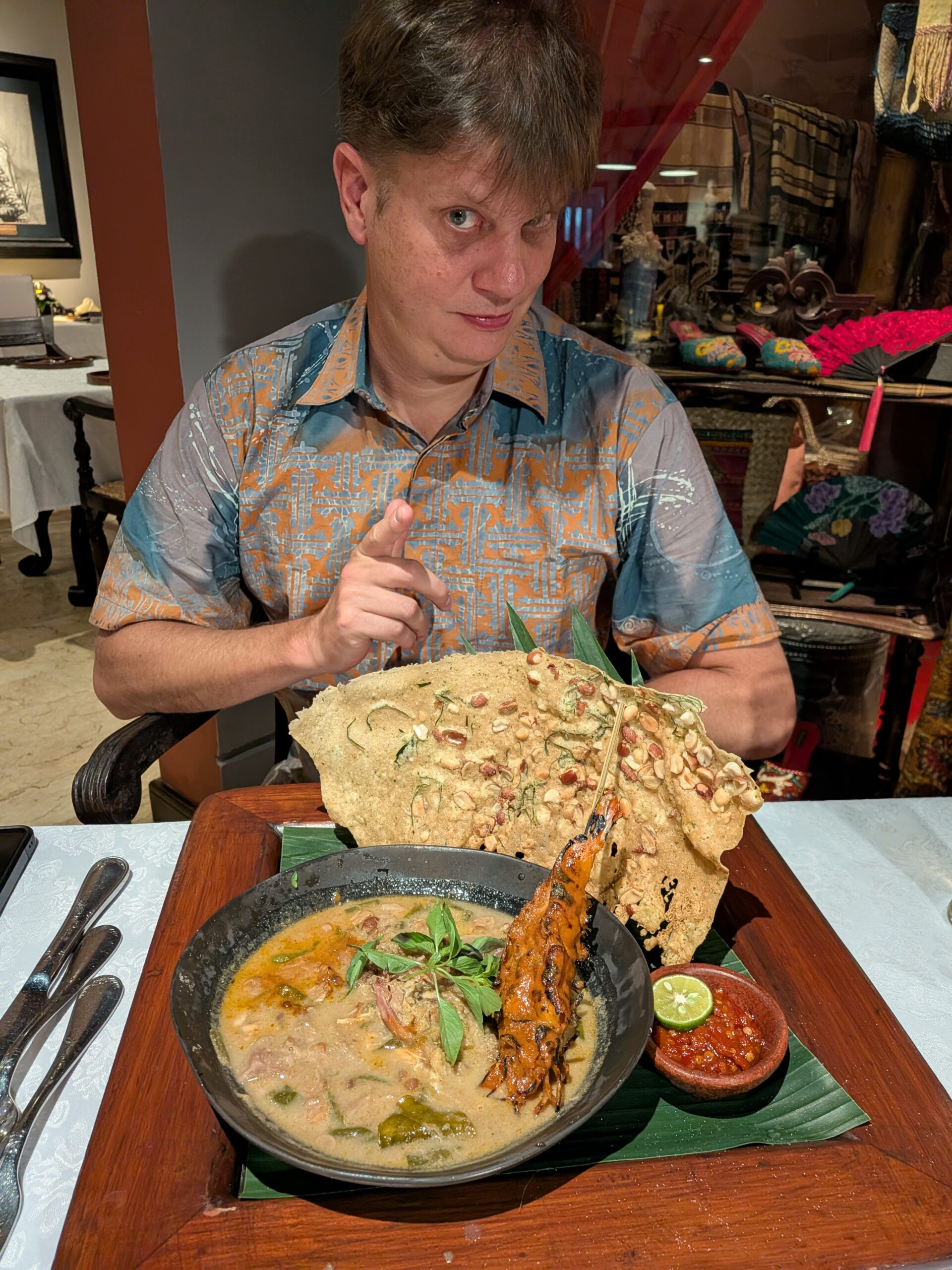
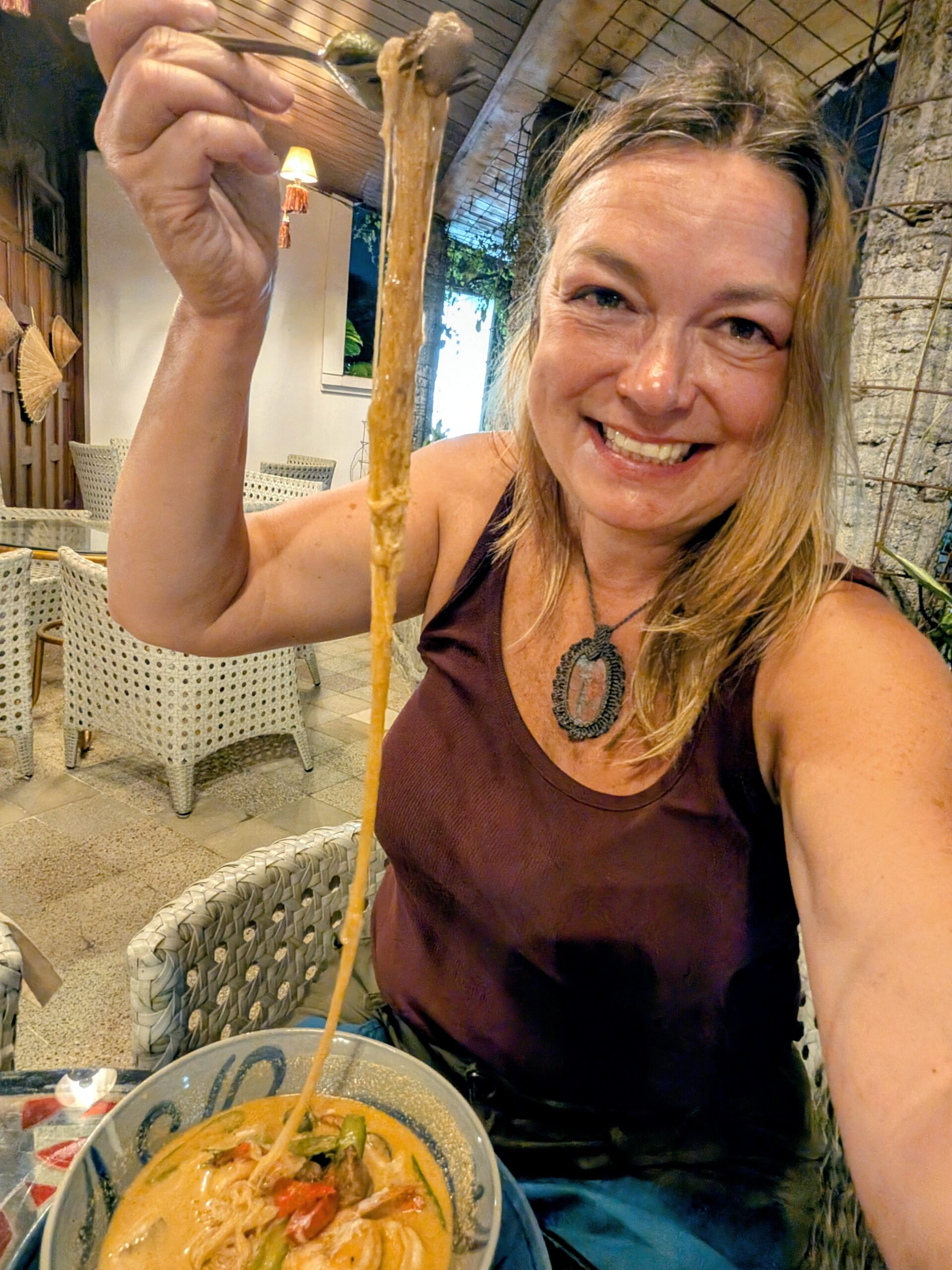
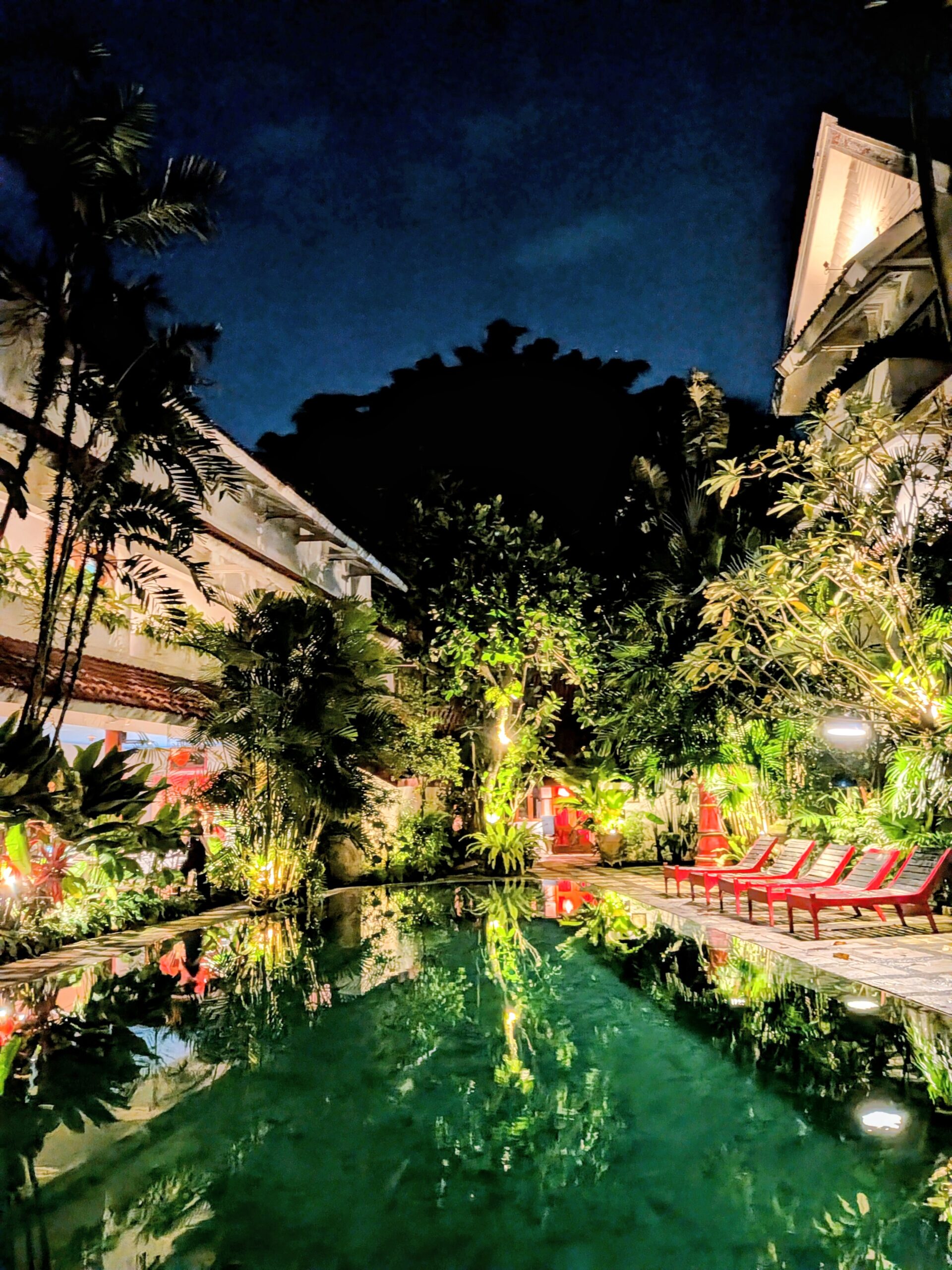
But beyond the collection, what struck us most was the experience of being there. The staff were exceptional — genuinely knowledgeable, warm, and attentive in a way that felt personal rather than scripted. The guided tour of the hotel grounds is offered free to every guest. The food across both the main restaurant, Melati, and SaigonSan, the Vietnamese and Thai restaurant on the property, was extraordinary — the menus enormous, the quality high enough that leaving to eat elsewhere felt unnecessary. There was a full bakery. And every afternoon from 4 to 6pm, complimentary tea was served with a spread of traditional Indonesian snacks that we made a point of never missing. The pool, surrounded by perfectly designed tropical foliage, was its own oasis.
The Colorful Villages: A Story of Paint and Possibility
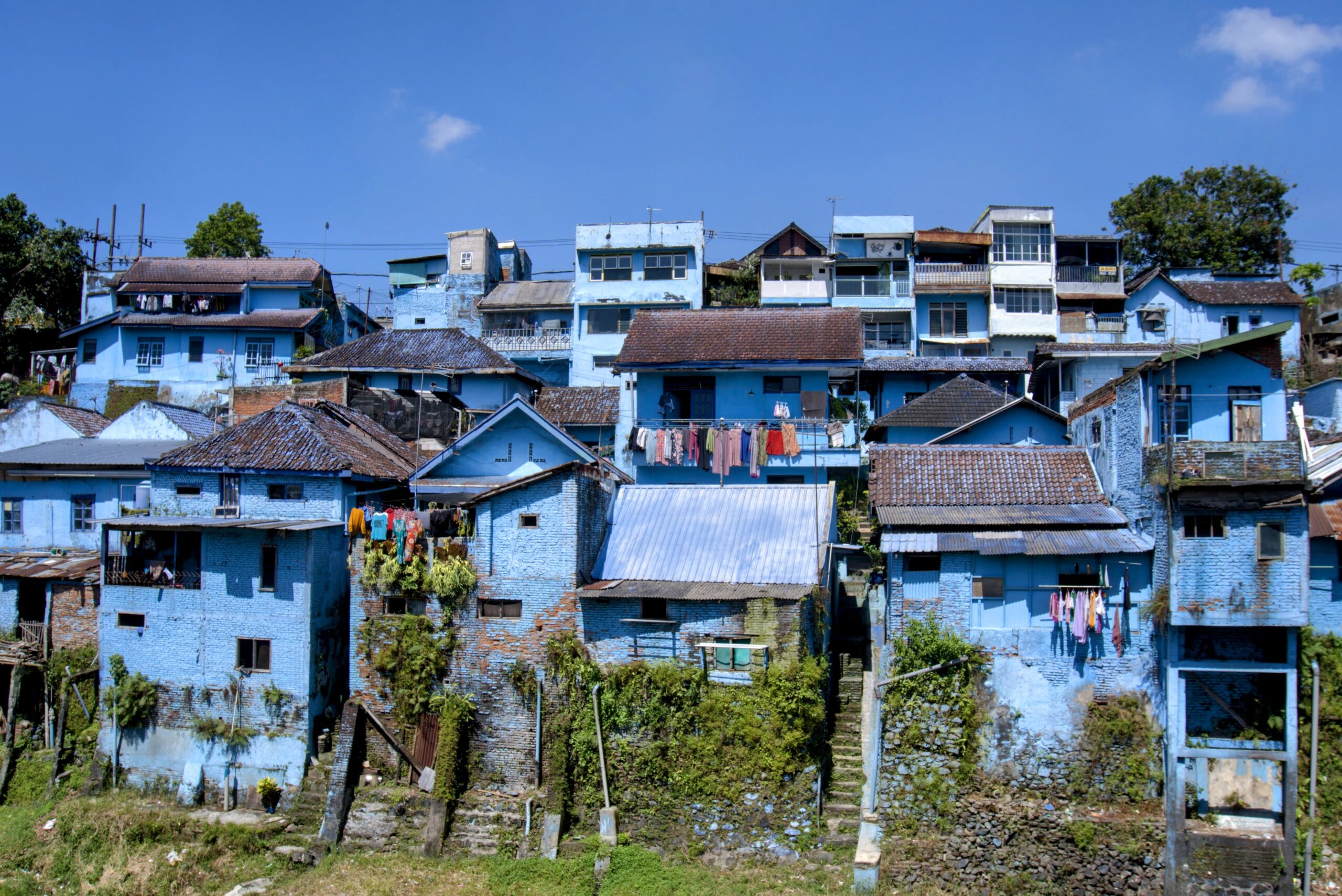
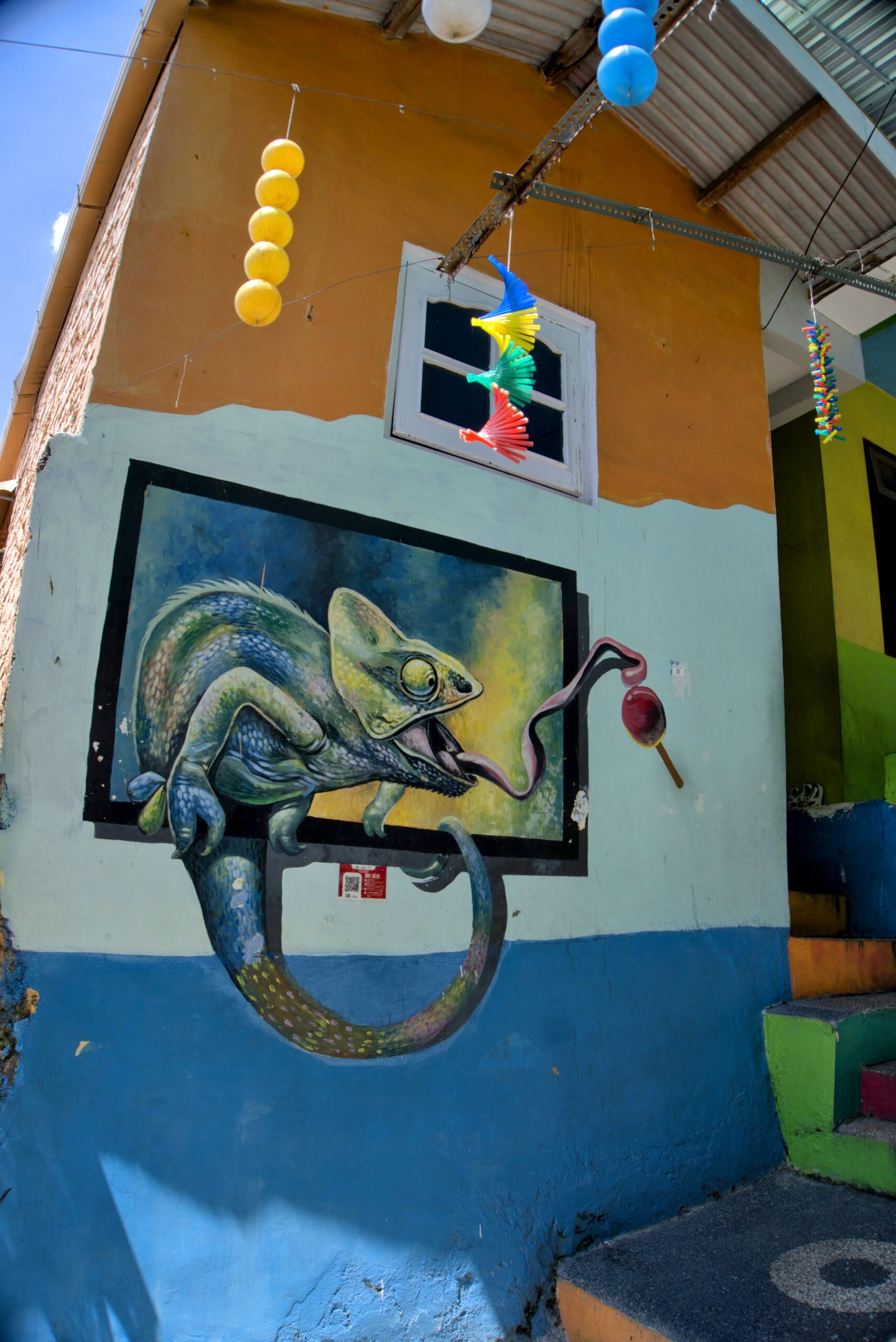
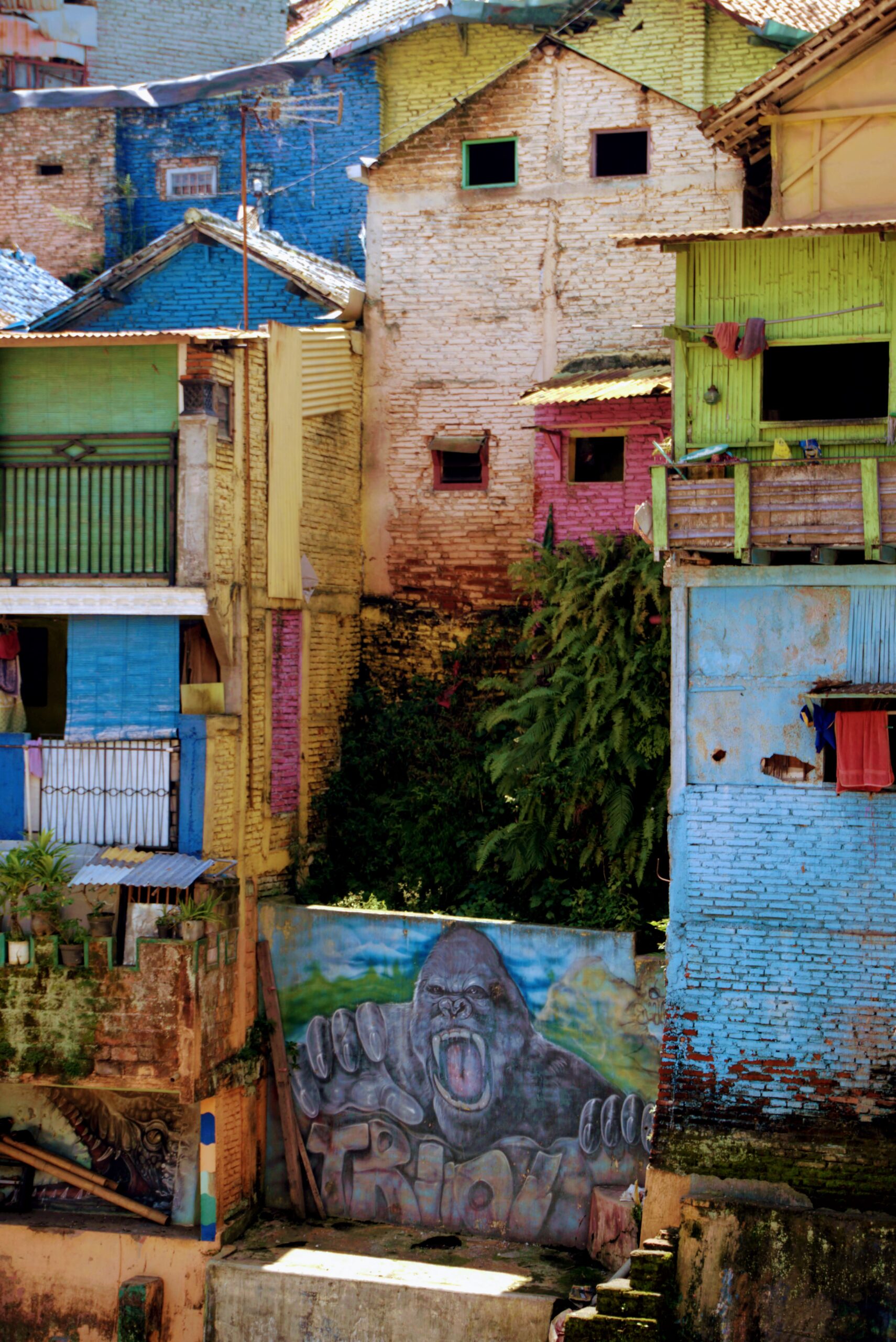
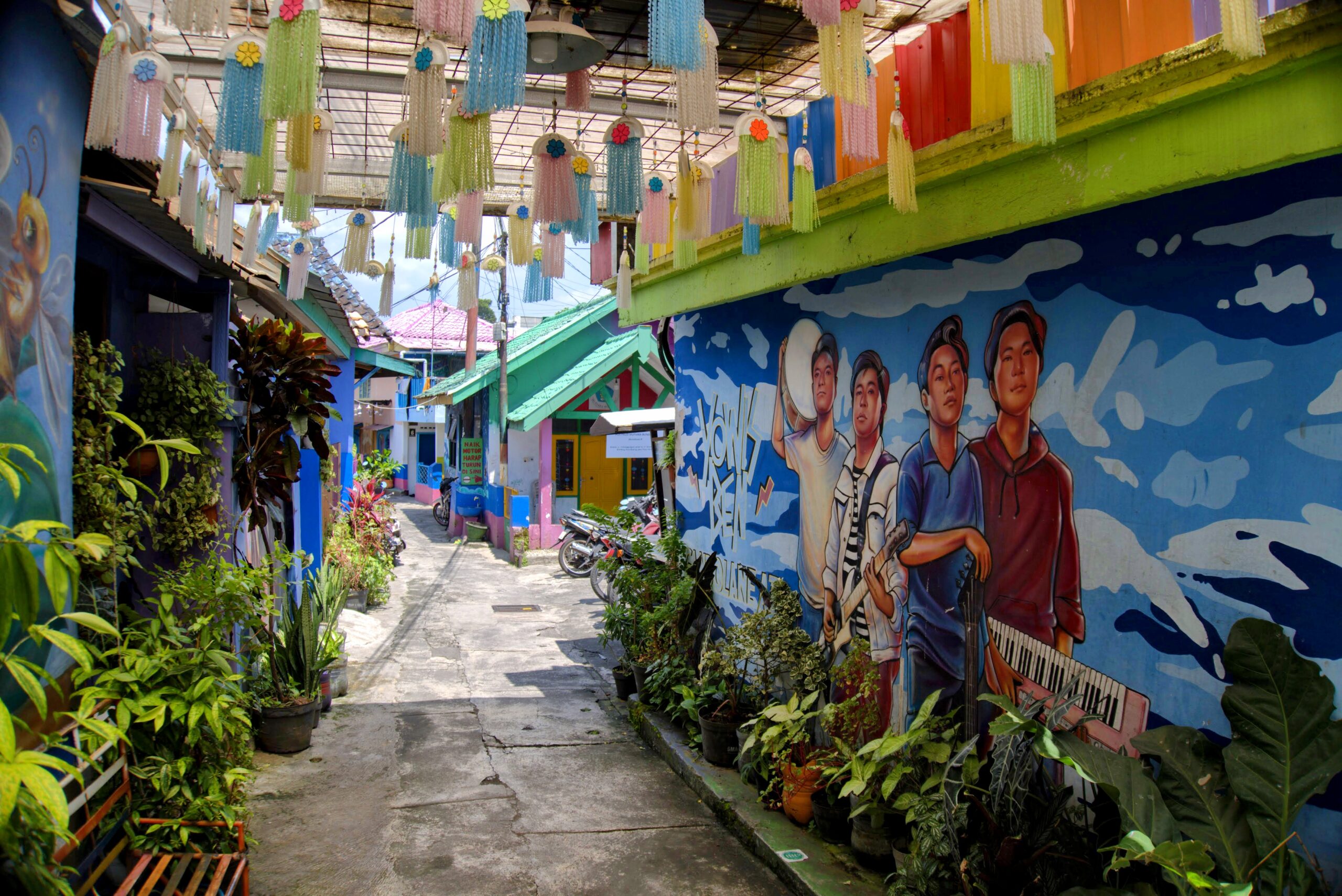
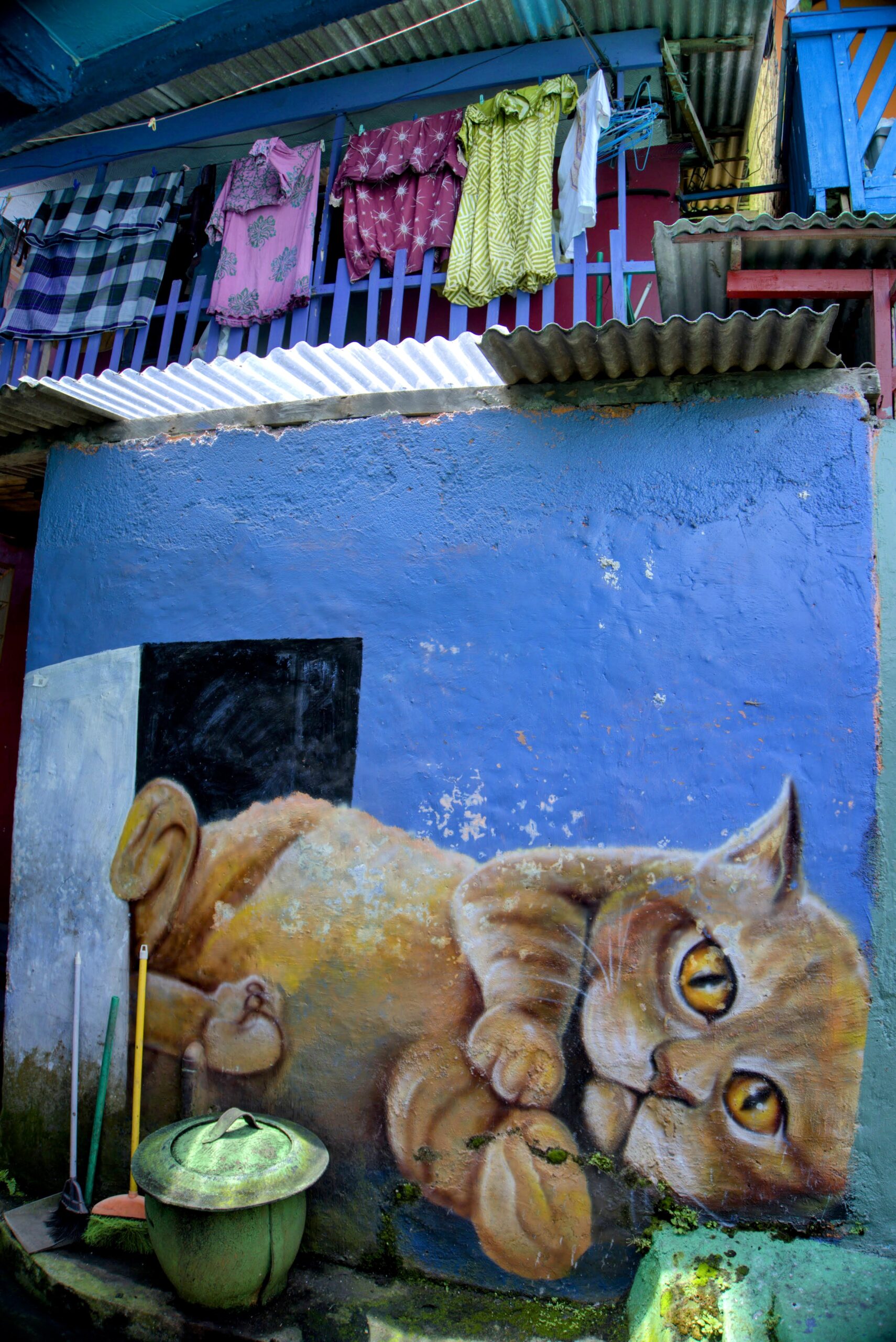
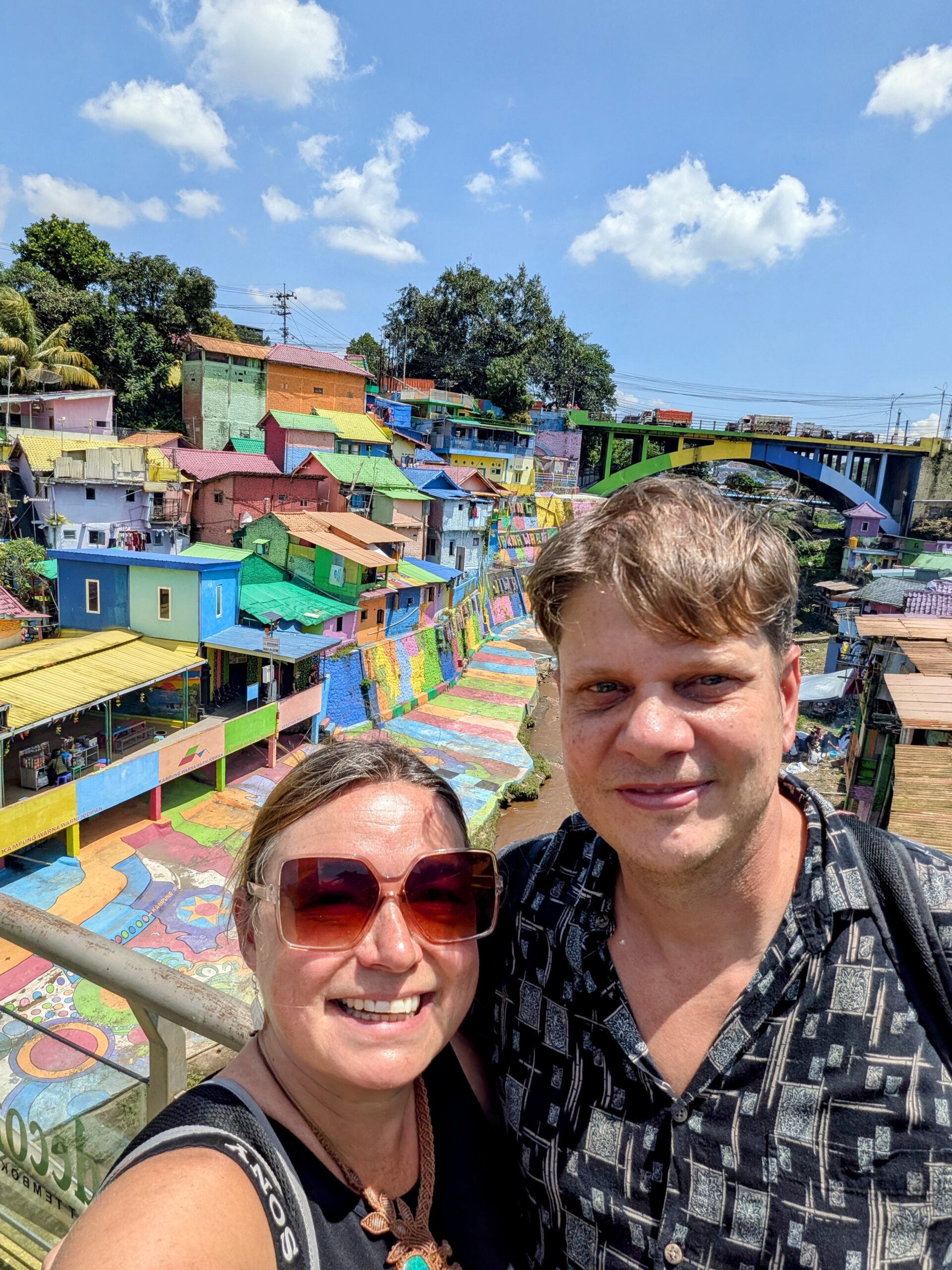
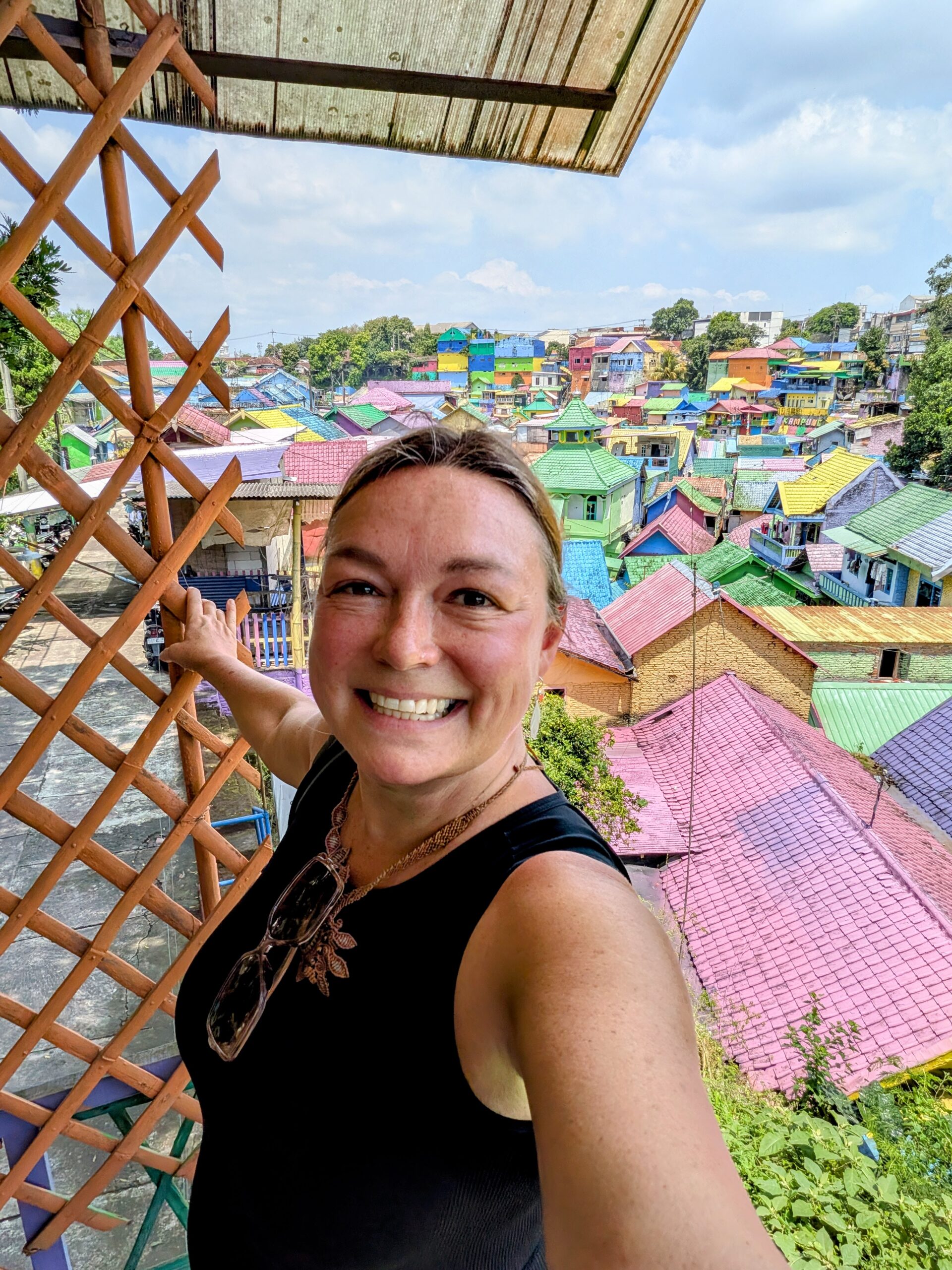
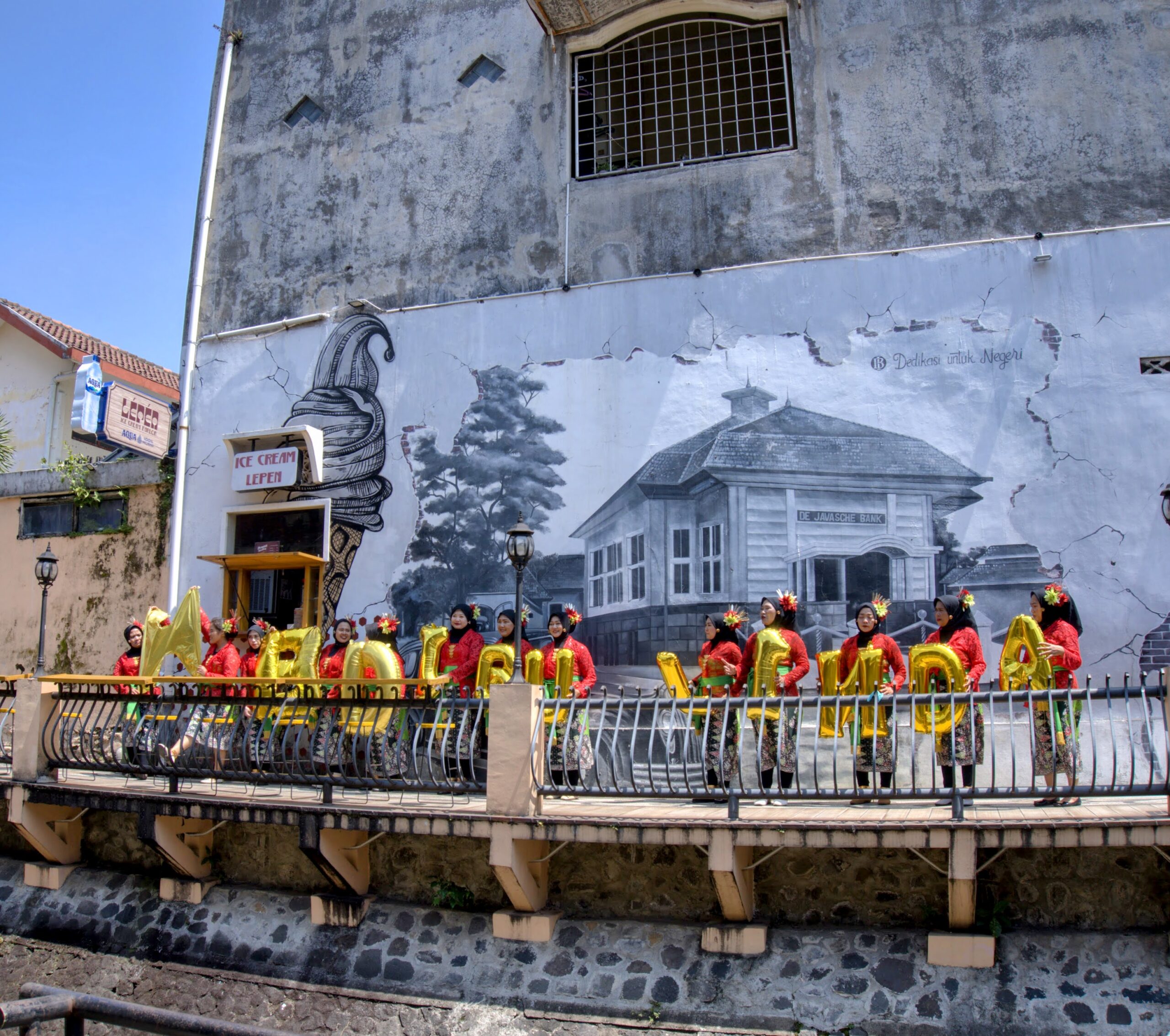
The next day we visited two of Malang’s most visually striking neighborhoods — Kampung Biru Arema, the Blue Village, and the Jodipan area, which encompasses Kampung Warna-Warni (the Rainbow Village) and Kampung Tridi (the 3D Arts Village).
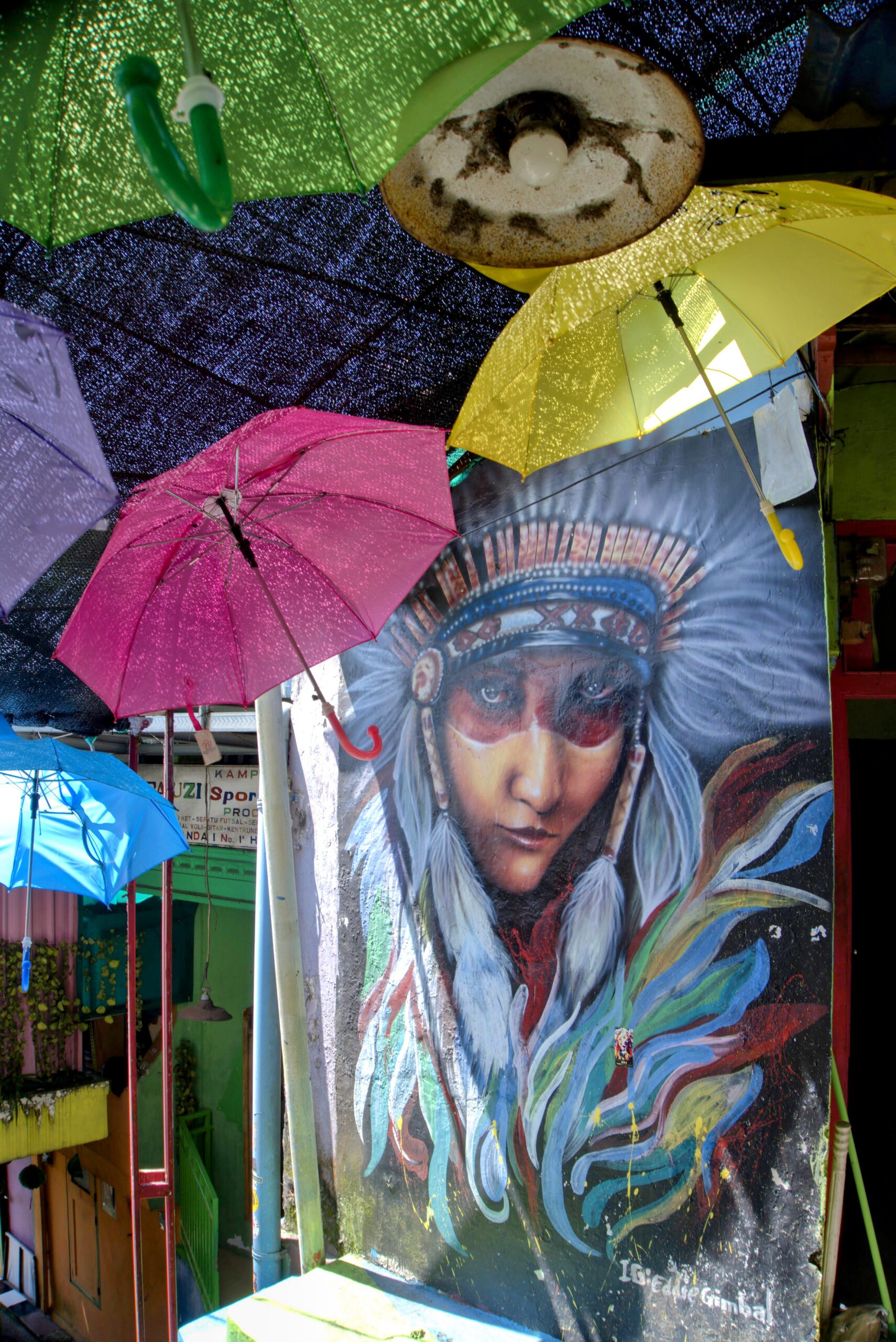
The origin story of Jodipan is genuinely wonderful. Not long ago it was a struggling, rundown slum on the banks of the Brantas River, facing demolition and the displacement of its residents. In 2016 a group of communication students from a nearby university came up with an idea — paint it. They formed a team, partnered with a local paint company that donated over 3 tons of paint, and together with local residents and artists transformed the entire neighborhood into a rainbow of color. The project not only saved the village from demolition but revitalized it entirely, drawing tourists, improving sanitation, and generating income for residents who opened small shops and cafes. Next door, Kampung Tridi answered with 3D murals and art installations. And across the river, Kampung Biru Arema went all in on blue — a tribute to Arema FC, Malang’s beloved football club, whose signature color now covers every surface of the neighborhood.
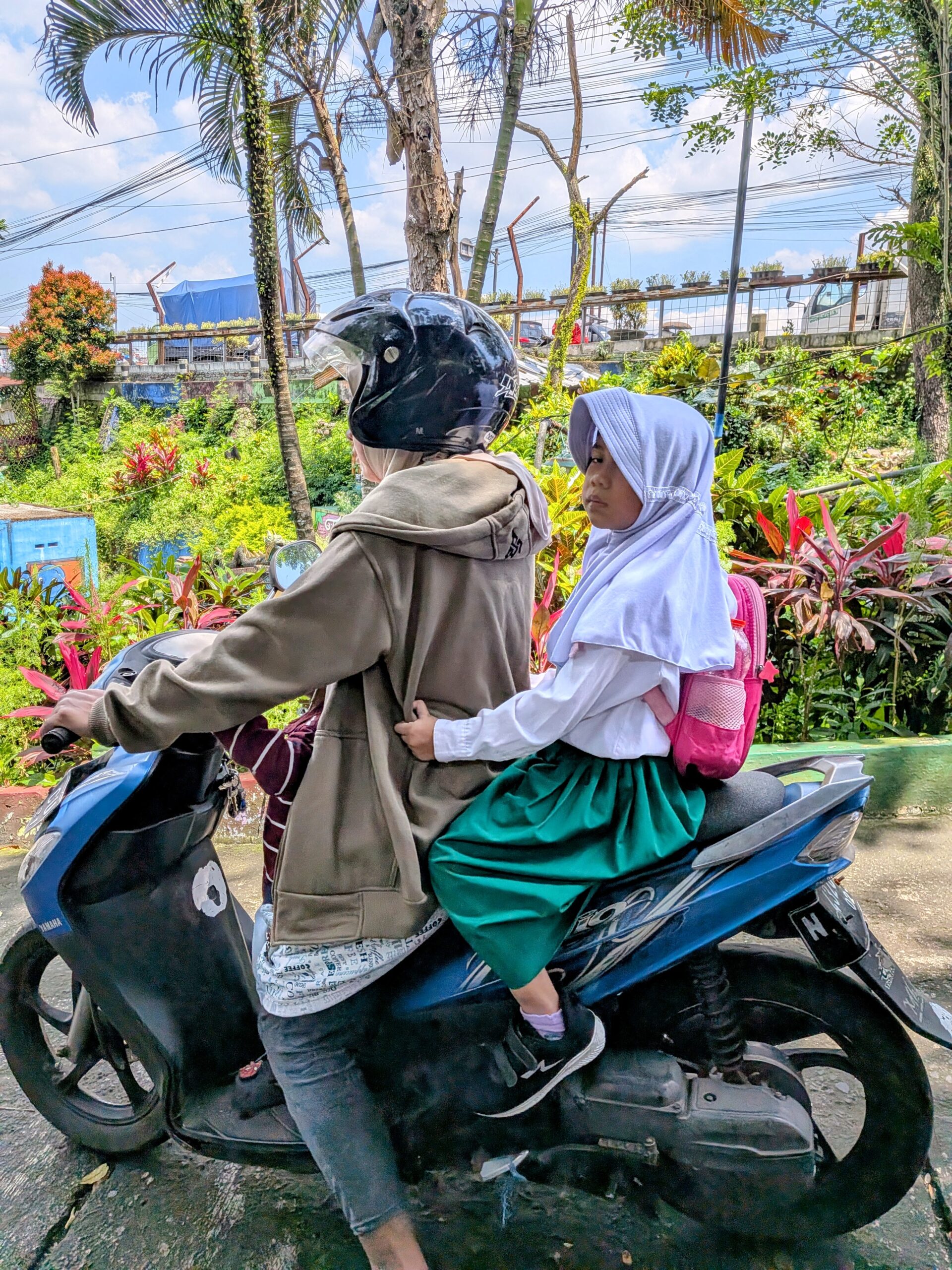
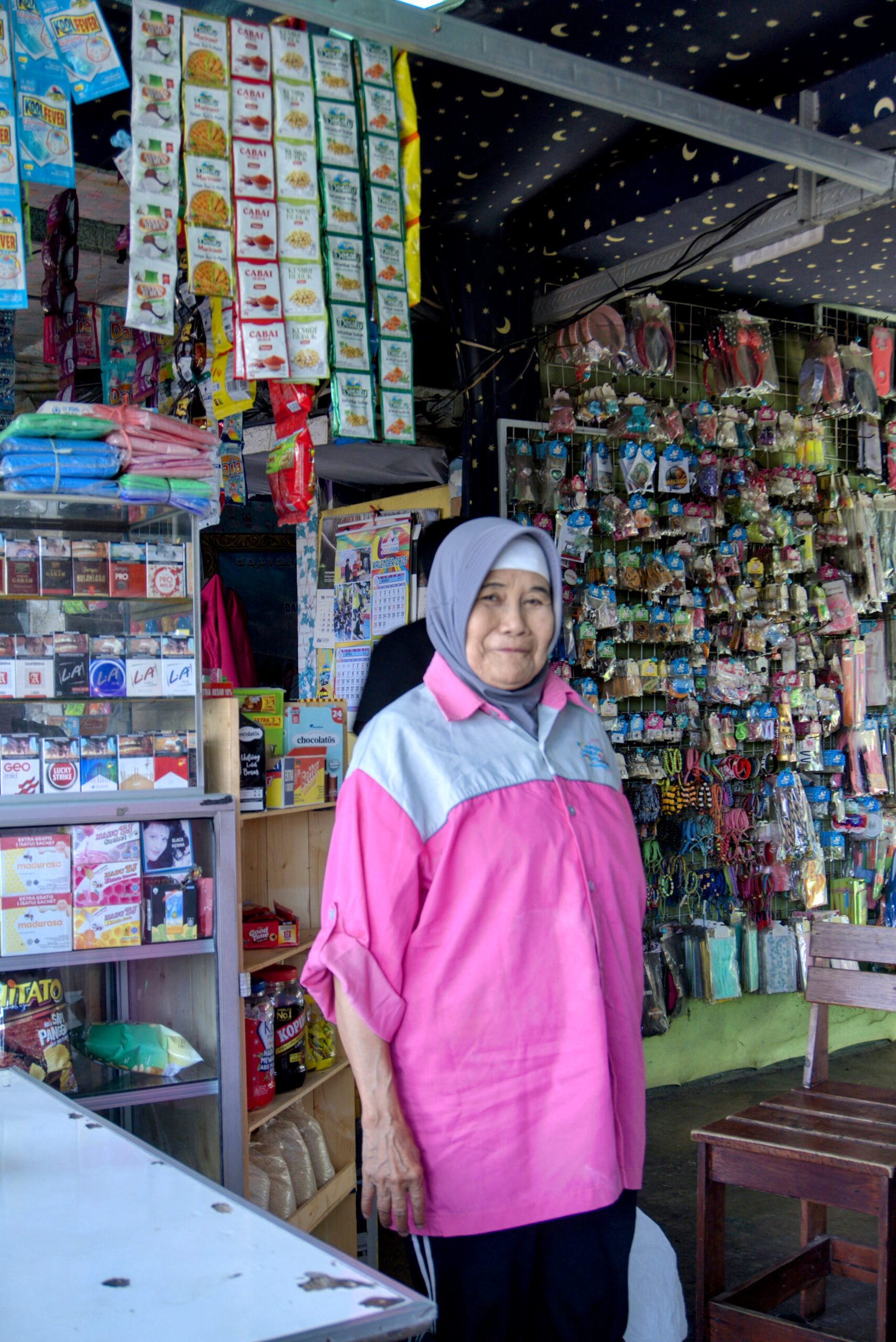
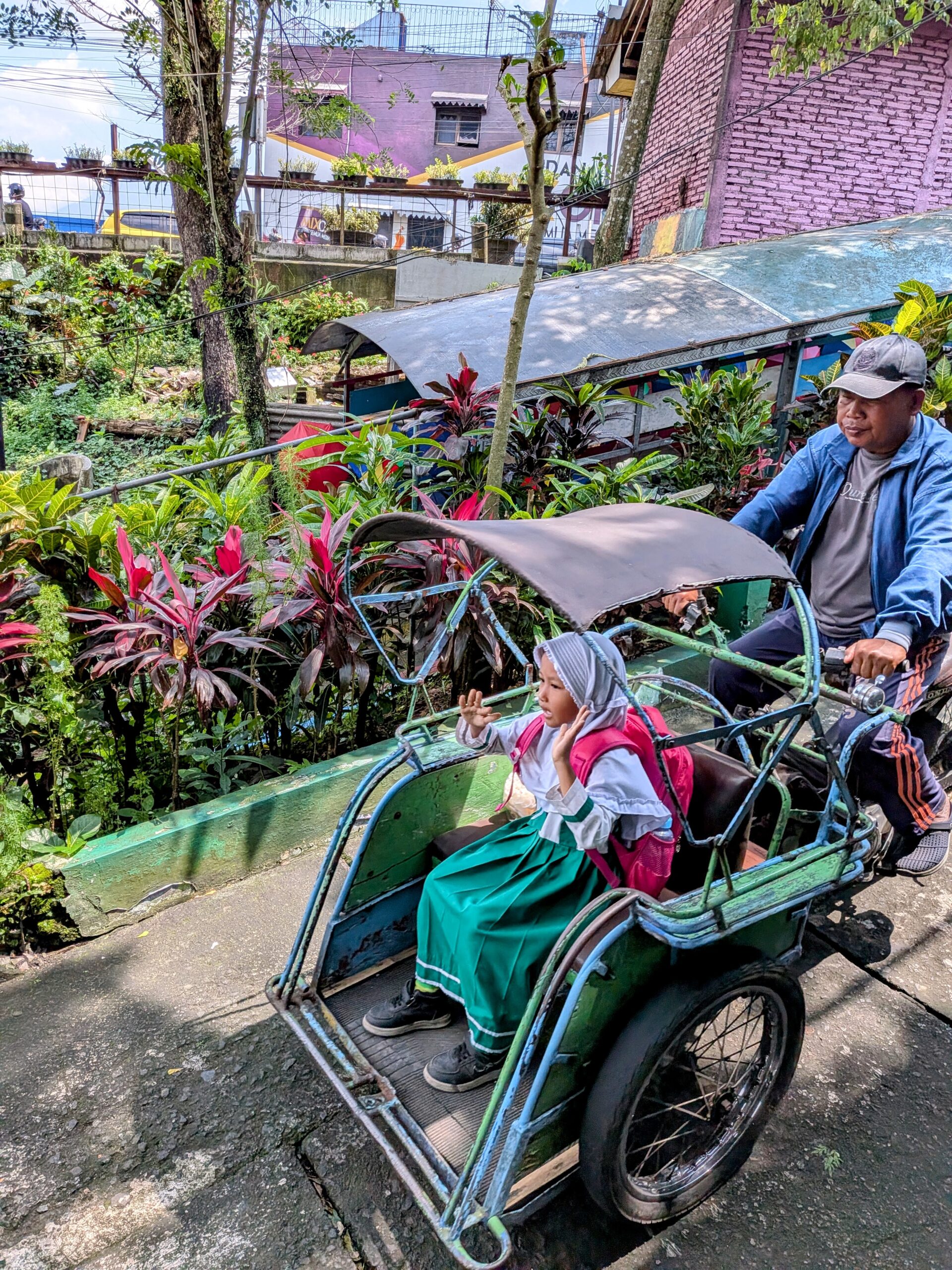
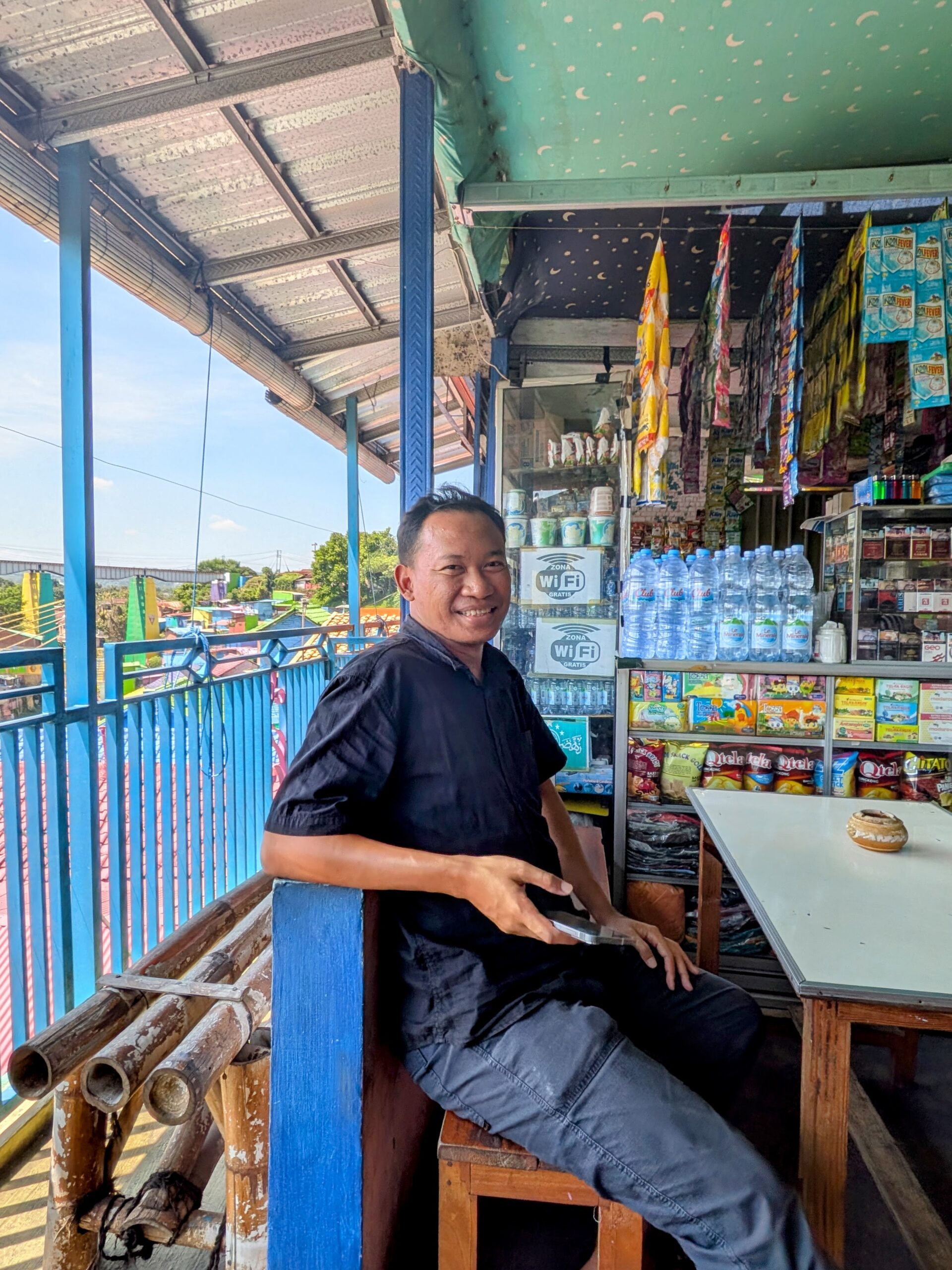
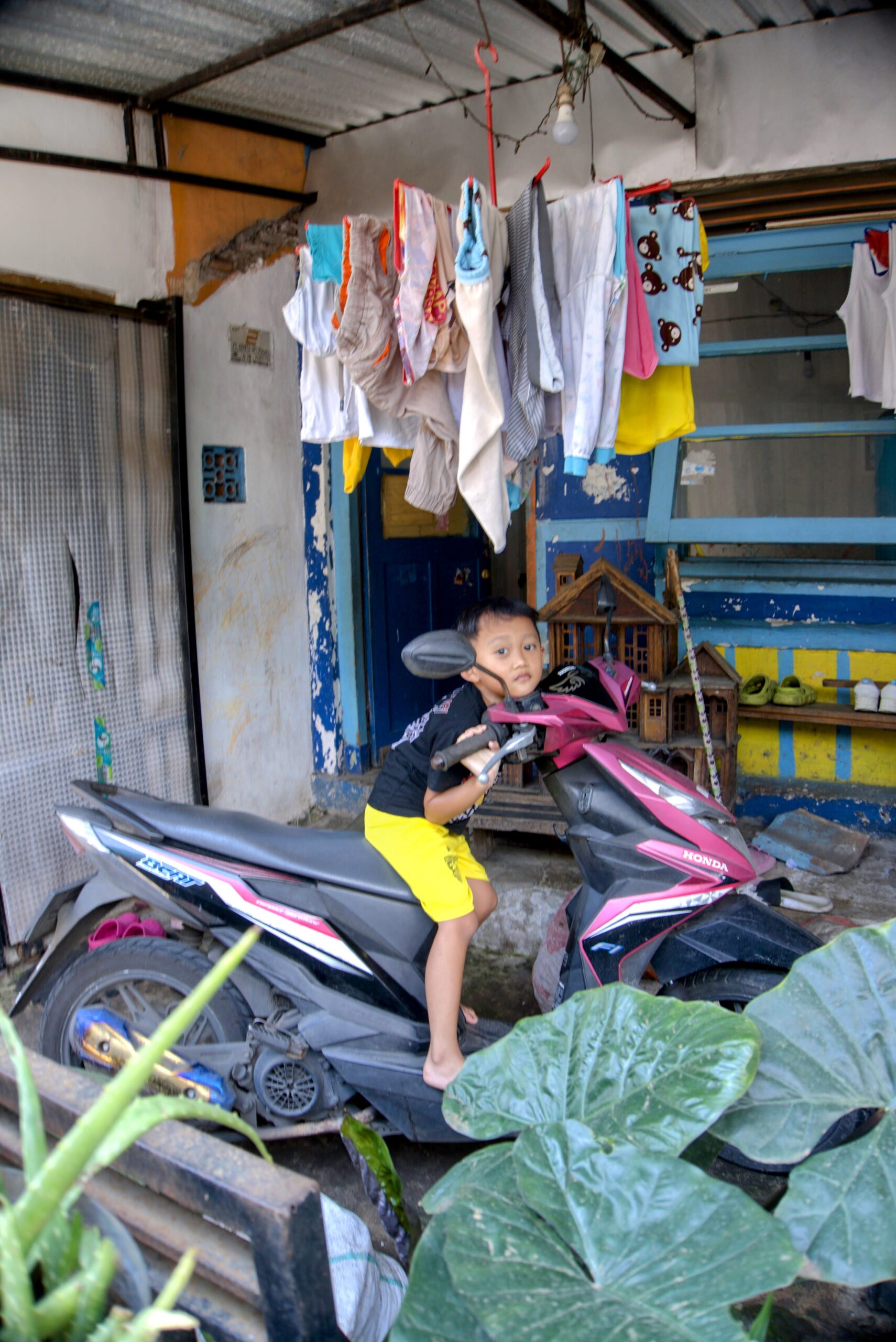
Seeing the villages from a distance first, their colors catching the eye from across the city, you feel pulled toward them. Up close they deliver completely. People in both neighborhoods were warm and welcoming, clearly proud of what they and their community had built together. It is odd in some ways to wander through a place where people actually live, but the residents here have chosen to open their neighborhood to visitors and the benefits are visible everywhere. We sat down for cold iced tea and ended up in a long conversation with a local businessman and tour guide who filled in more of the background and context. The kindness keeps finding you in Indonesia.
Mount Bromo: The Prehistoric Sunrise
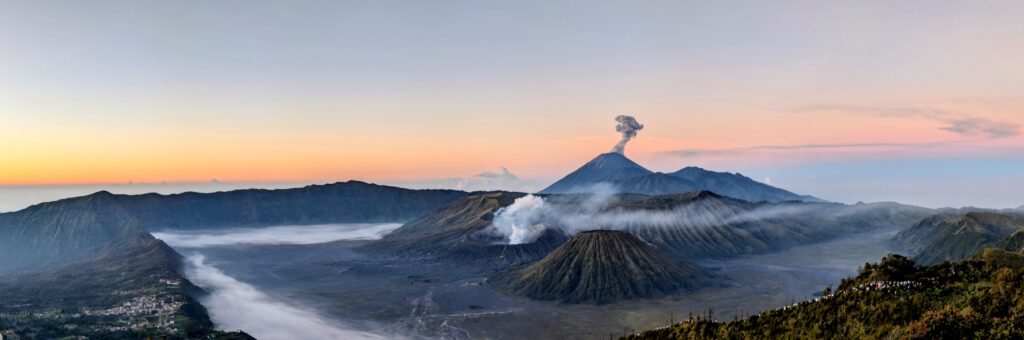
The alarm for the Bromo day went off before 1am. We climbed into a jeep in the dark — Joe in front, me squeezed into the back with three other travelers — and began the ascent up the mountain. I kept my eyes down for most of it. The road climbs steeply into total darkness, with narrow passes and drop-offs. I focused on the excitement ahead.
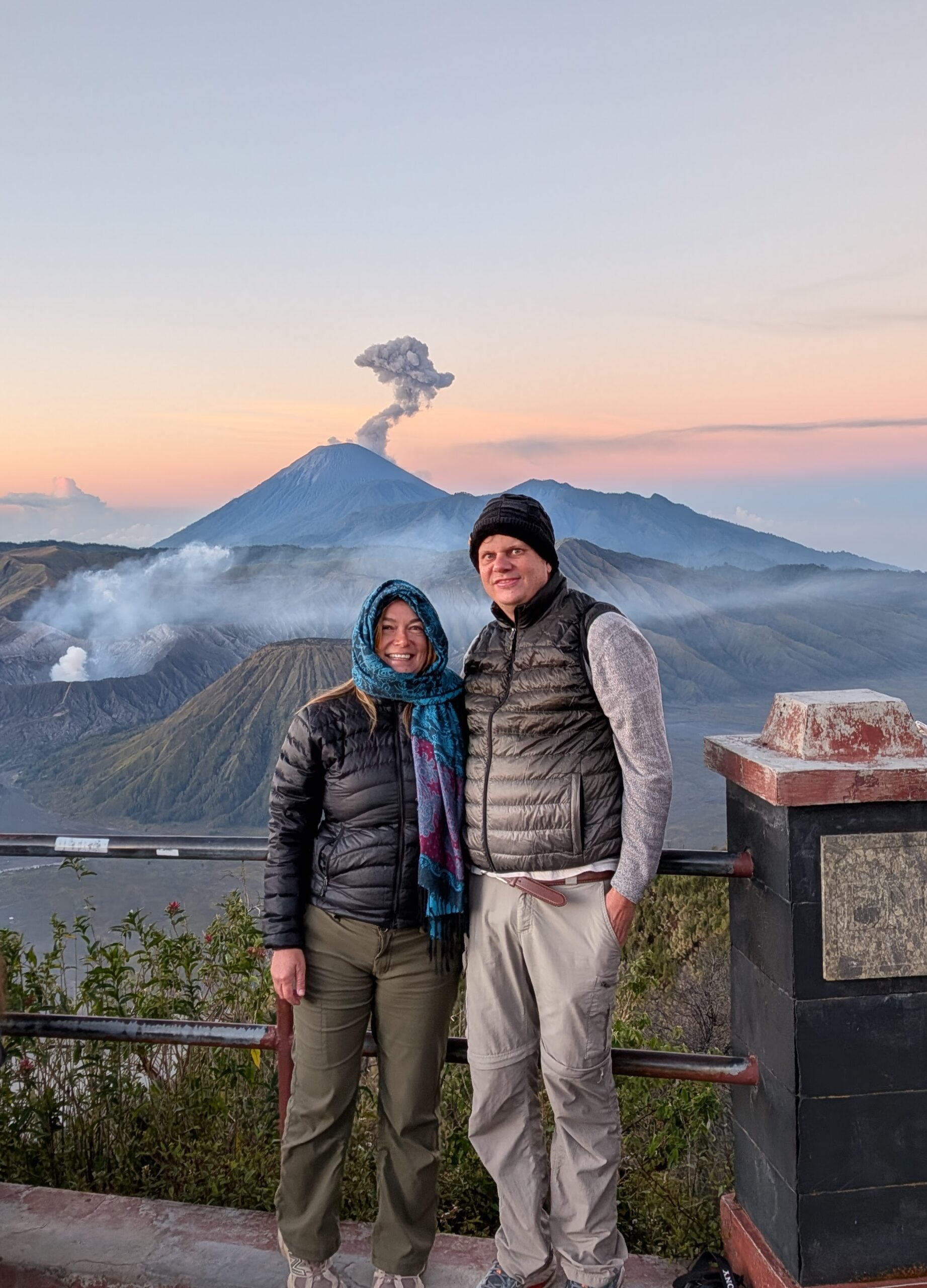
We stopped first at Viewpoint 1, arriving around 330am, where a small community of vendors had materialized in the cold darkness selling coffee and fried bananas to a crowd of huddled visitors. After two weather-disappointed sunrises — Merapi in Yogyakarta, Borobudur’s cloudy morning — I was ready for a win.
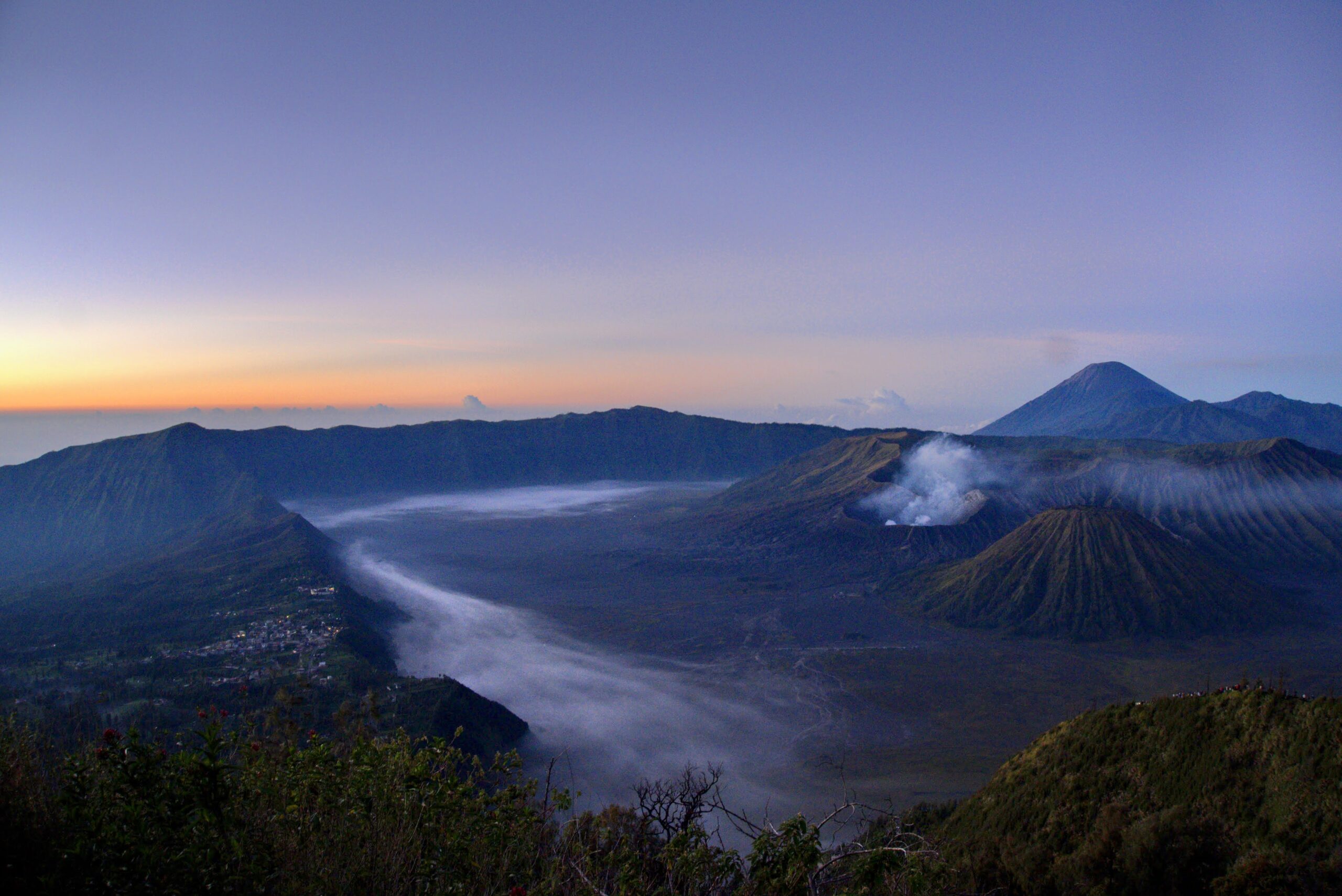
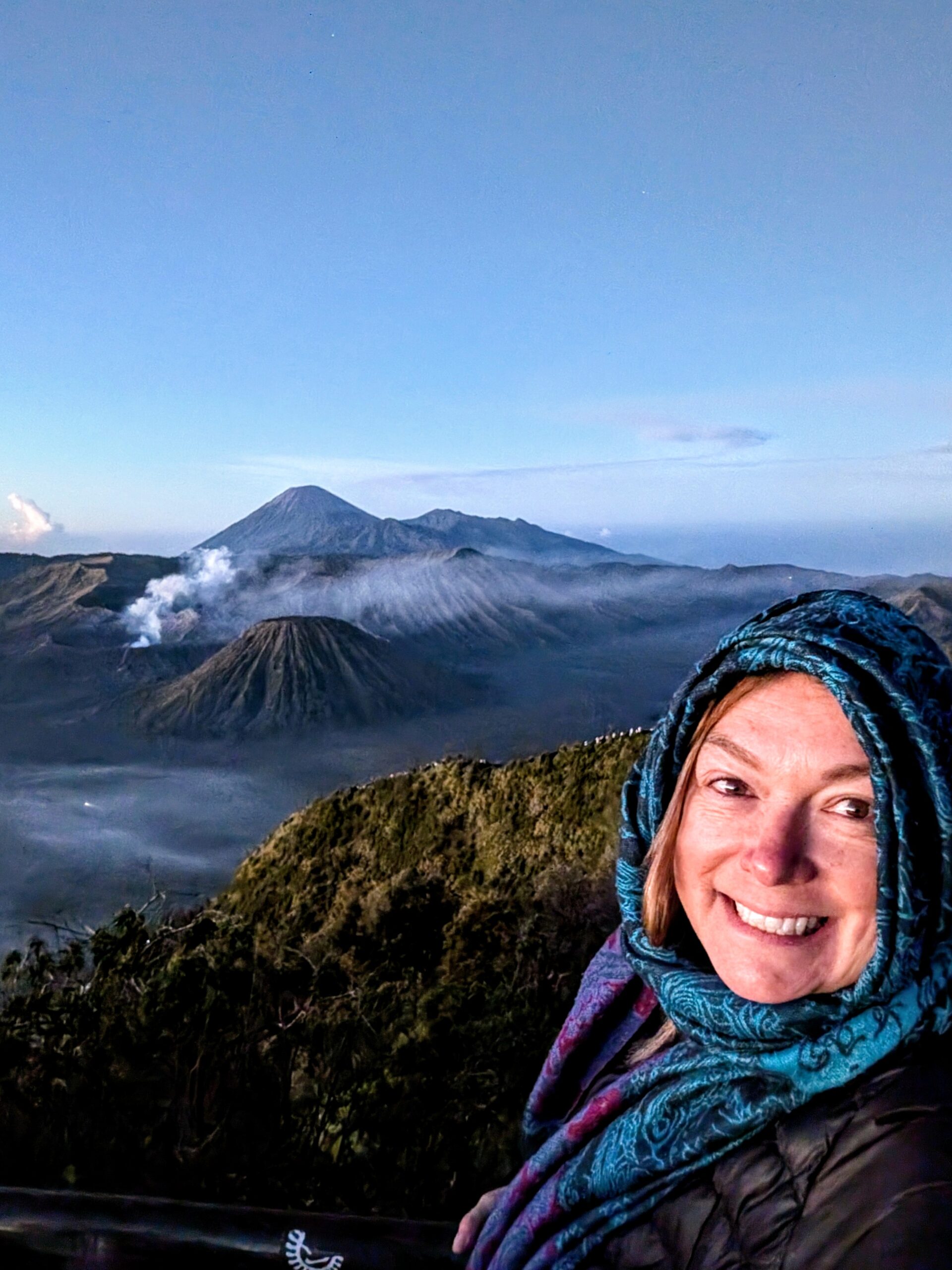
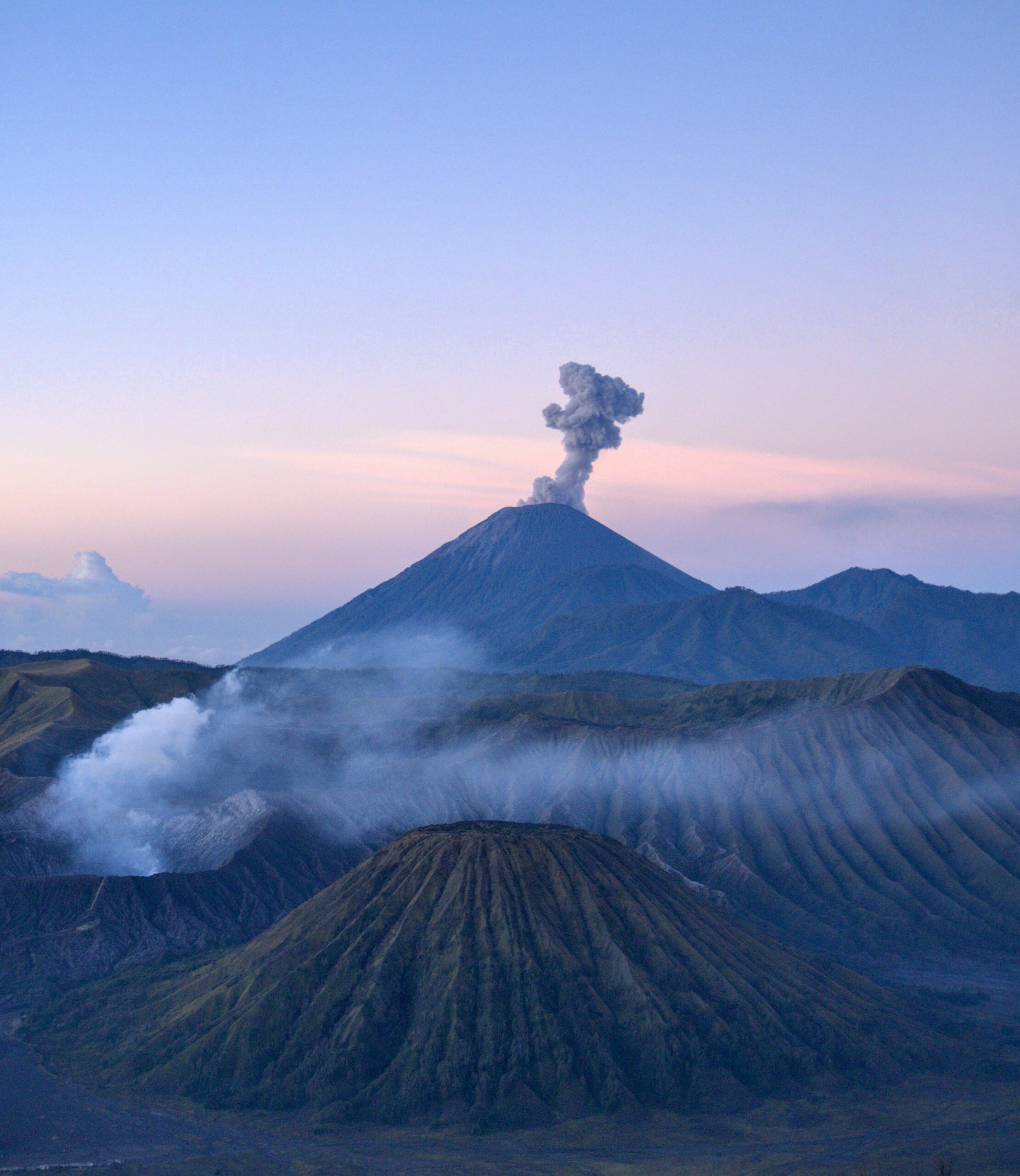
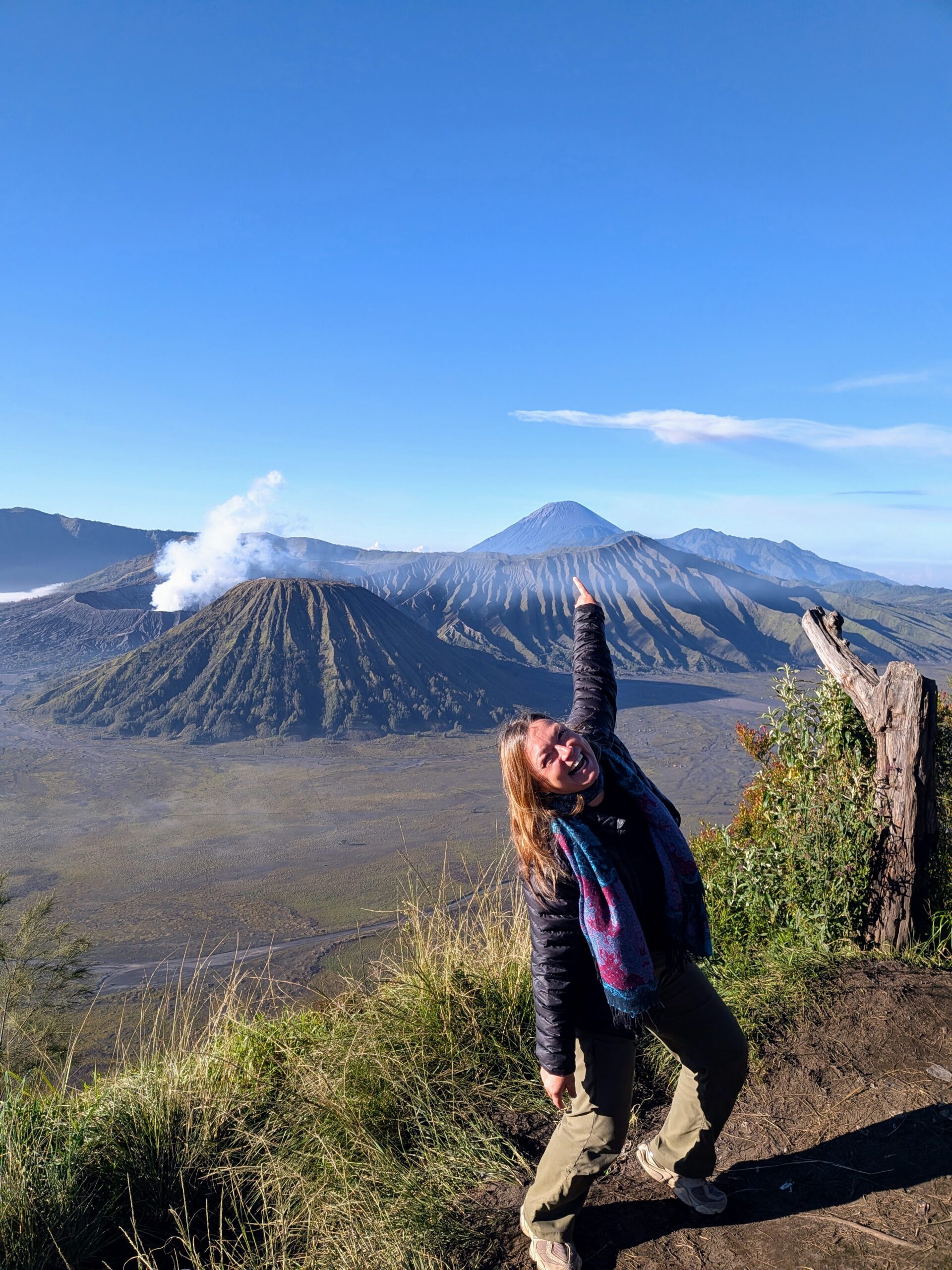
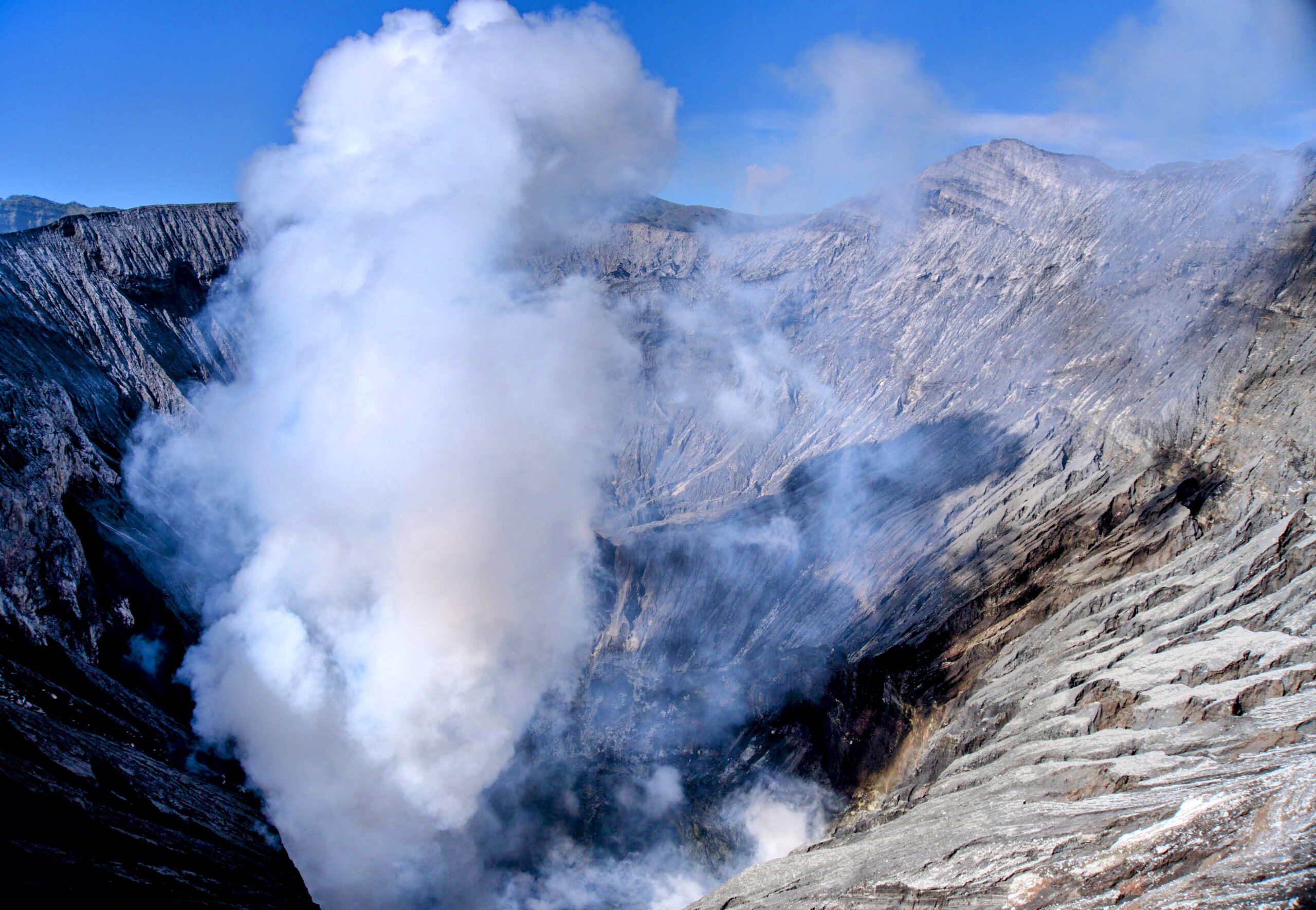
As the light began to gather I started adjusting my phone camera settings, and what appeared on the screen looked epic. The sky was clear. The volcanoes — plural, several of them — were visible in every direction, some of them actively billowing smoke against the pre-dawn sky. The entire landscape felt prehistoric, primordial, like something that existed before humans had words for it. We half expected dinosaurs to emerge from the mist. It was one of the most extraordinary things I have ever seen, and I say that with full awareness of how many extraordinary things this trip contained.
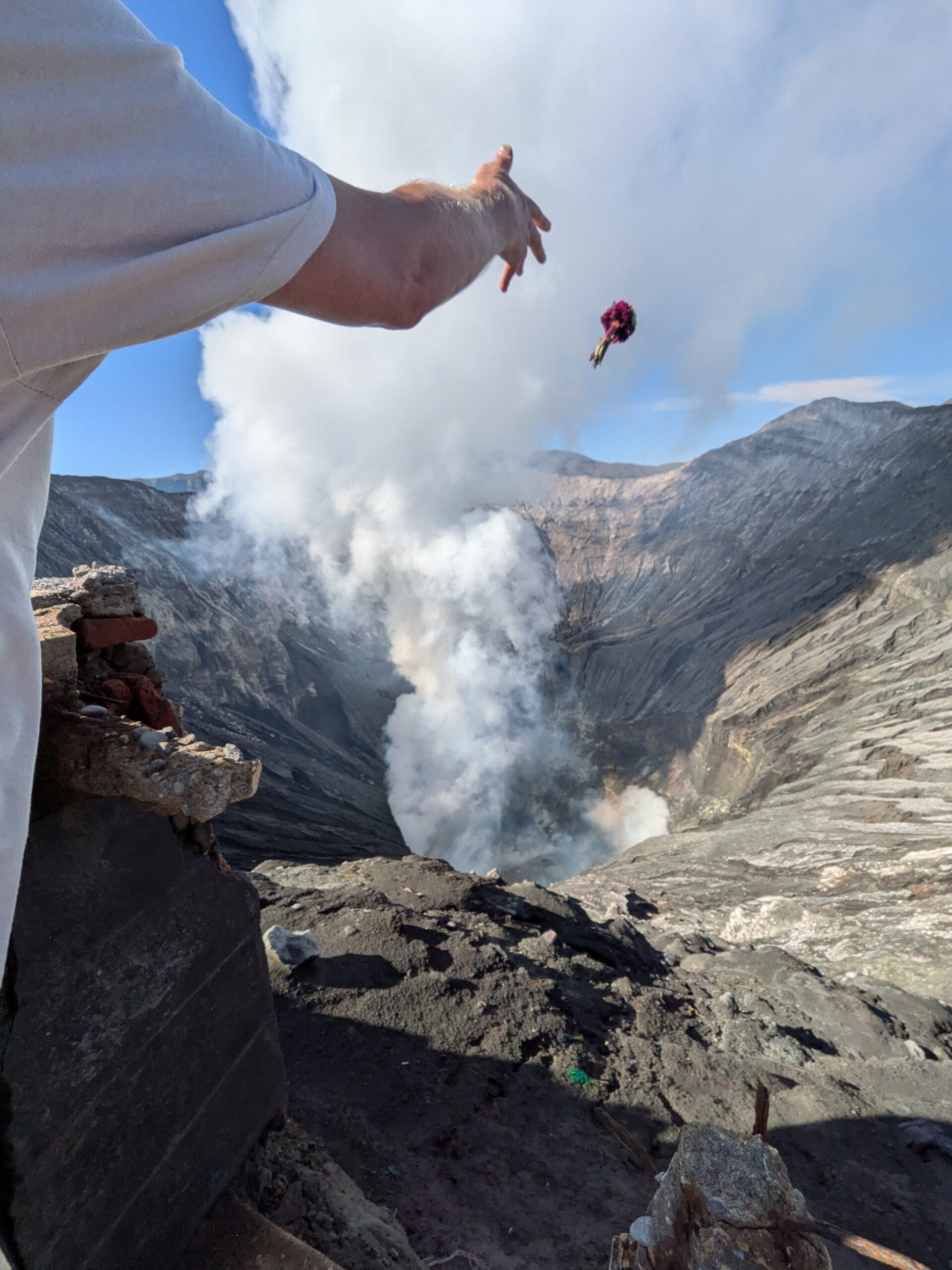
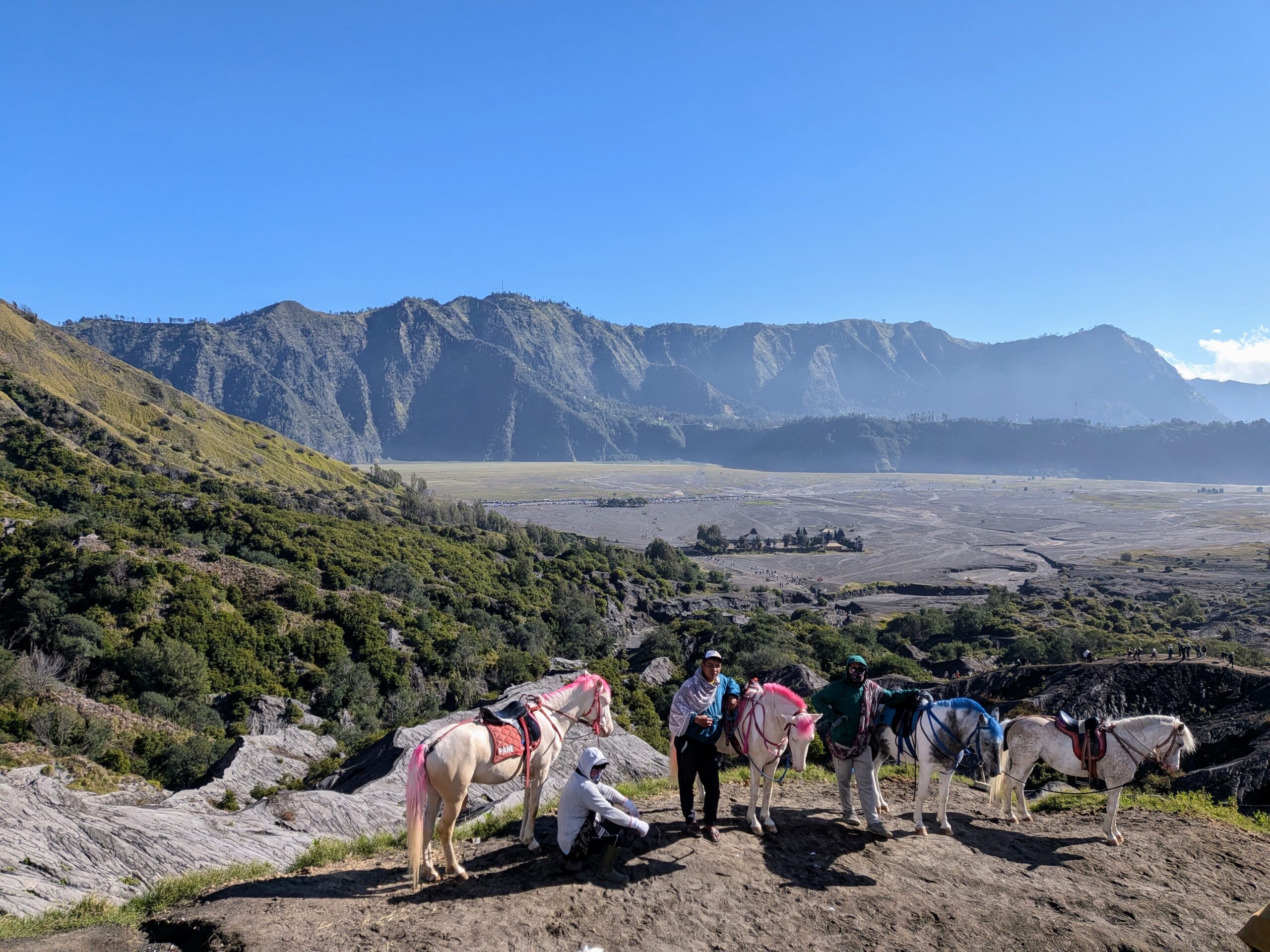
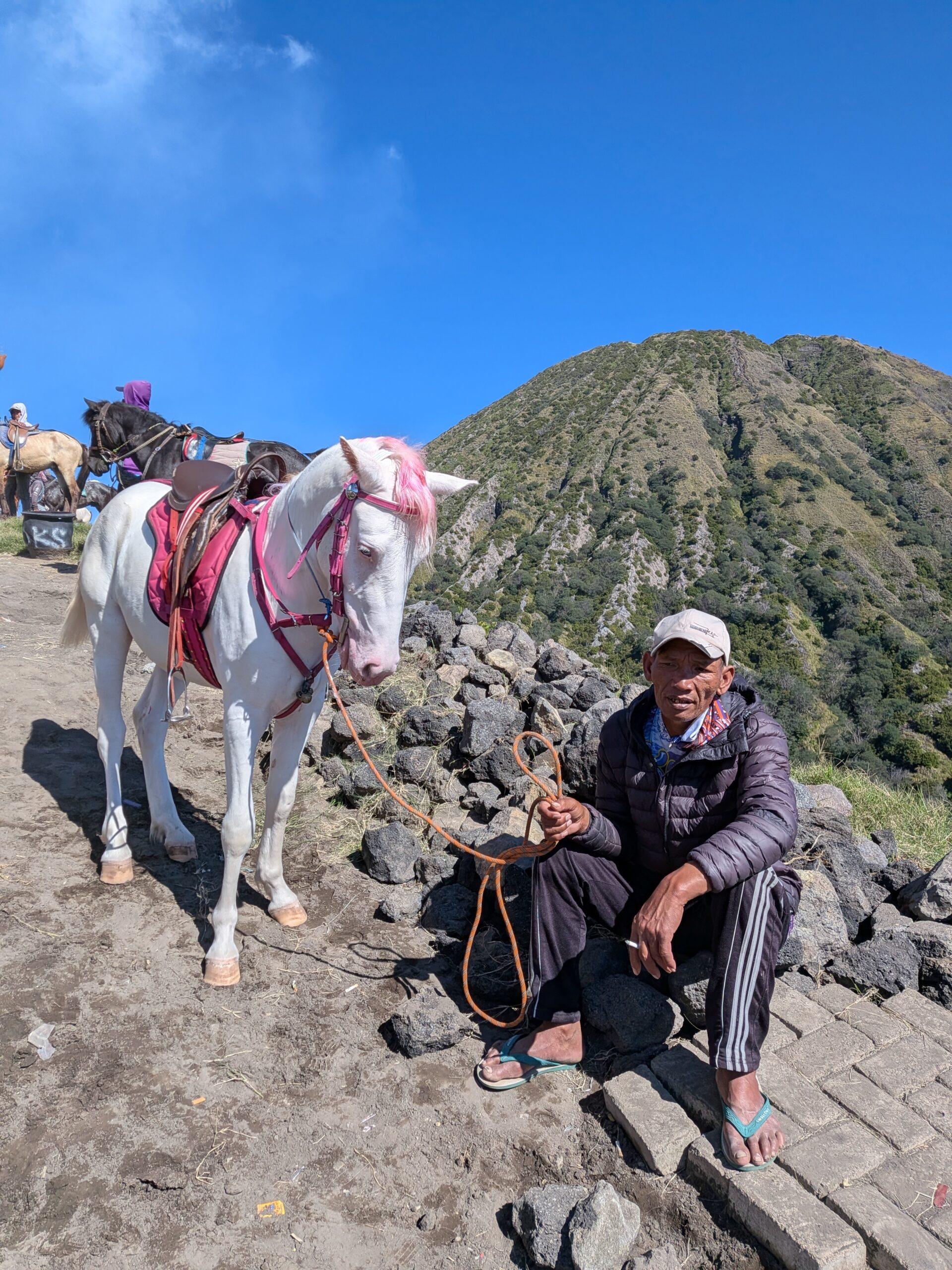
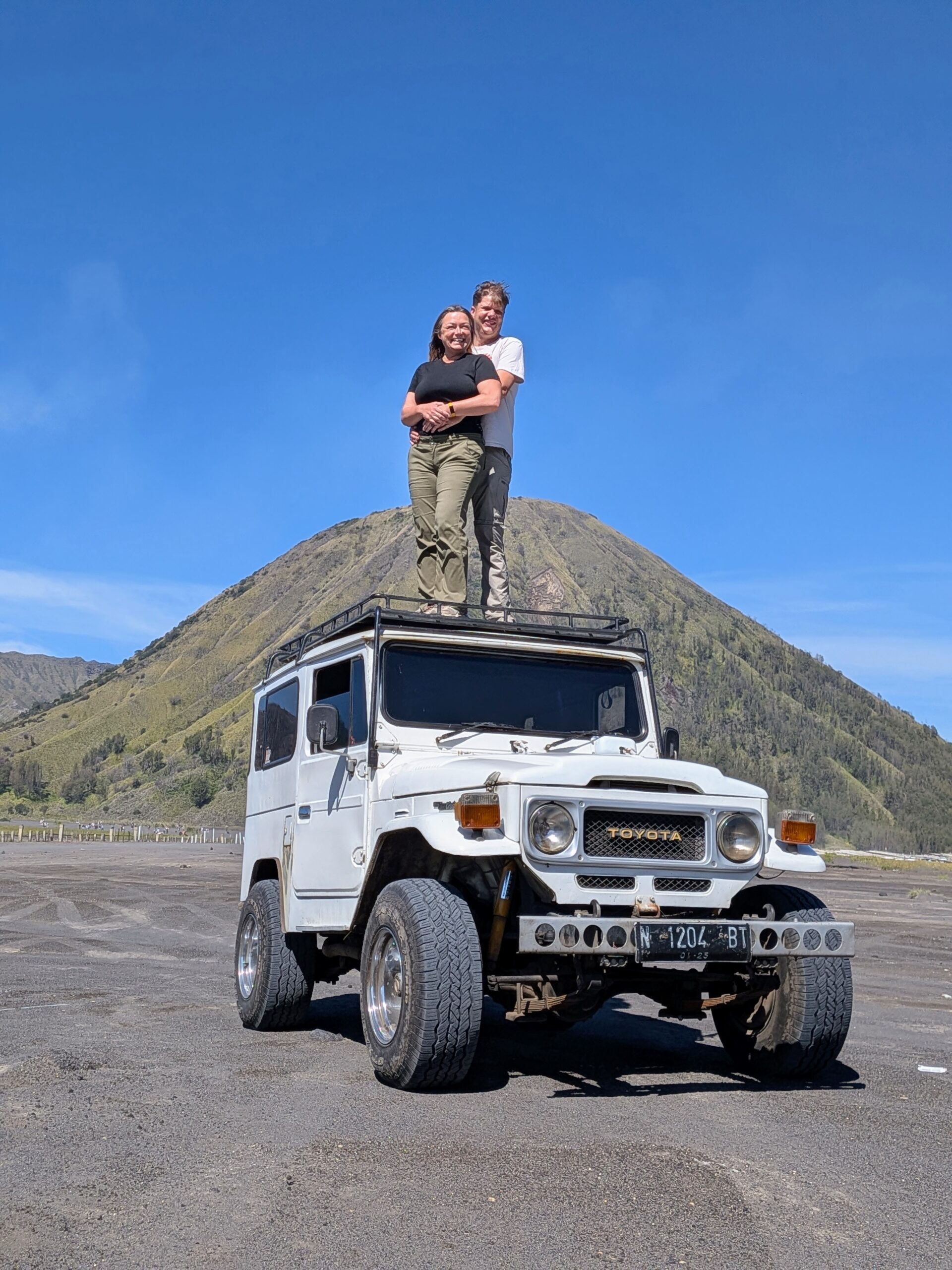
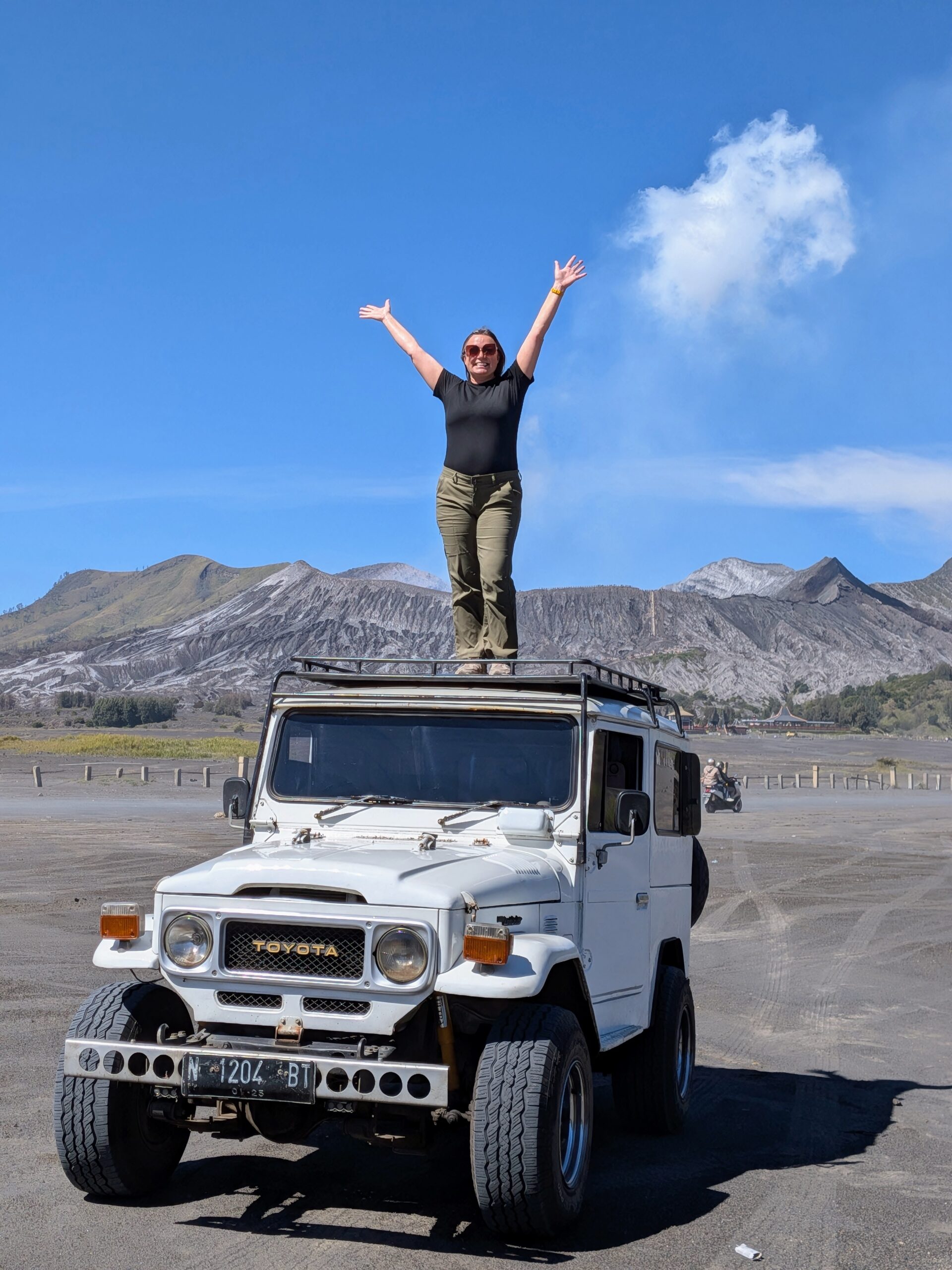
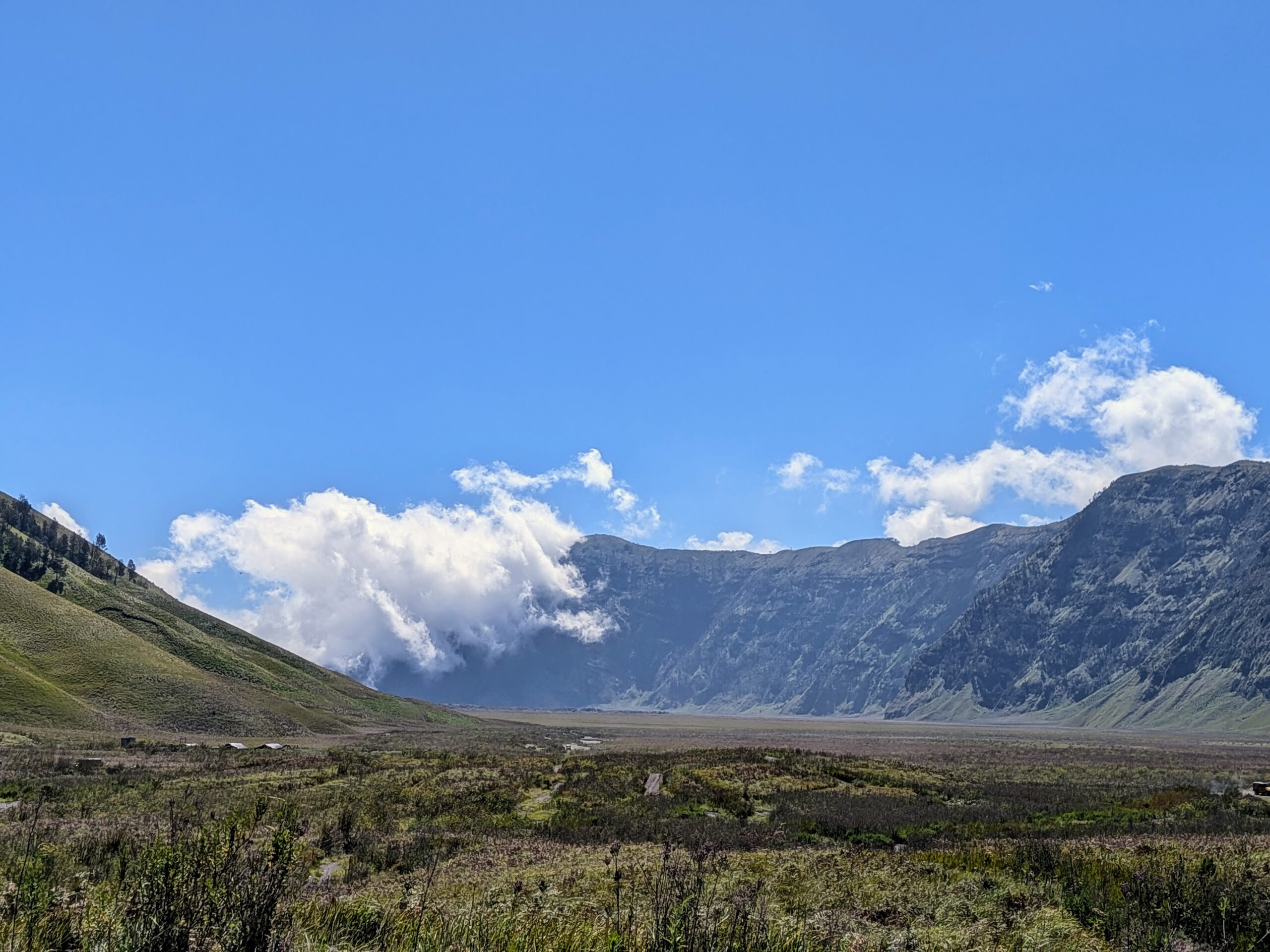
After sunrise we descended to the Sea of Sand — an enormous volcanic plain at the base of the active crater where an entire impromptu village had appeared: vendors selling trinkets and food, horses available for the ride up to the rim. We walked. Standing at the edge, hearing the deep roar of the volcano below, watching the smoke billow out of the crater, was a once in a lifetime experience. Our jeep driver capped the tour with an enthusiastic jeep photo shoot at the base and then drove us back through an impossibly lush green valley — the fertile soil that the volcano’s eruptions have produced over centuries on full display. It was a perfect end to an absolutely extraordinary day.
The Pasar Splendid Bird Market and a Coffee with Strangers
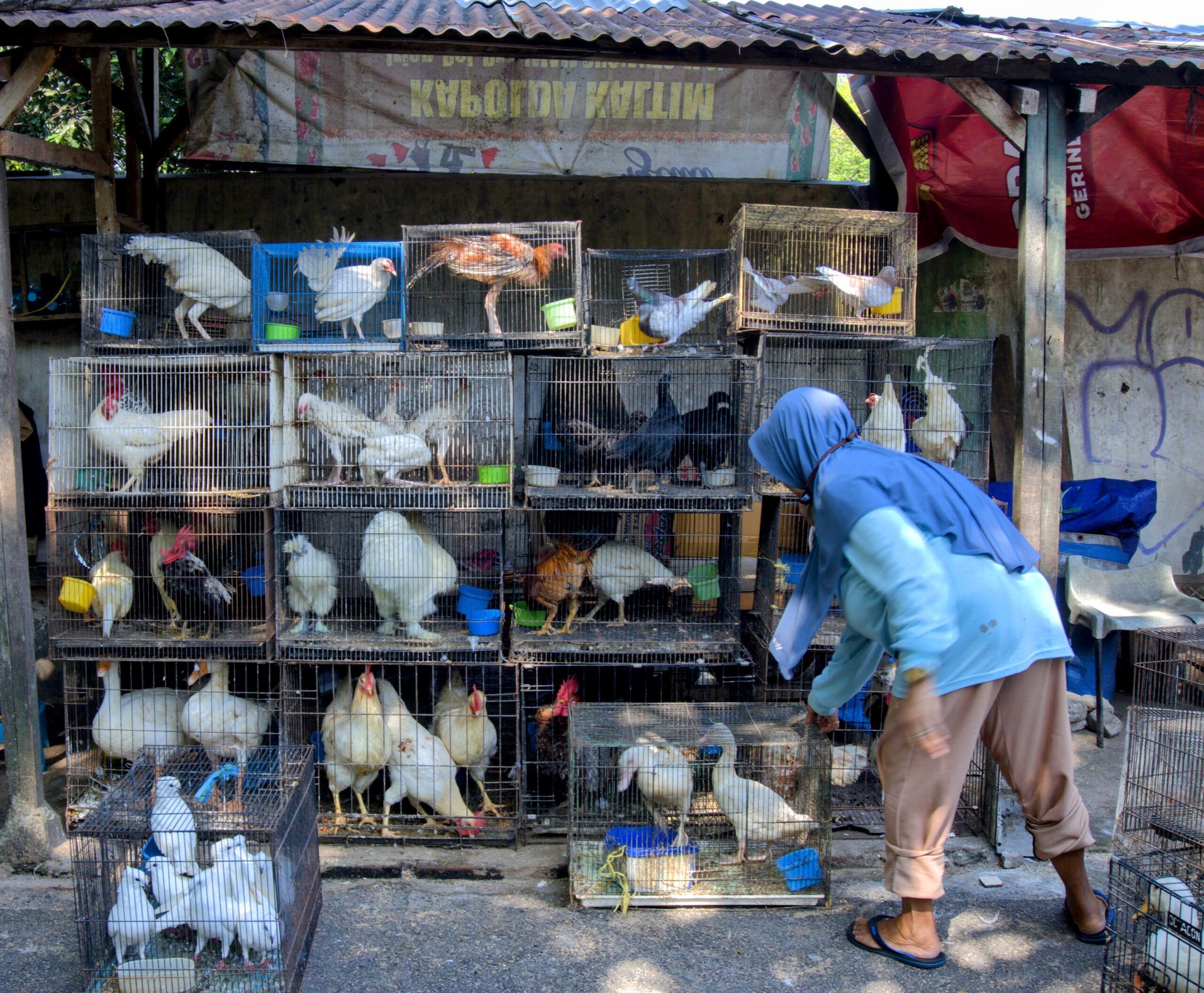
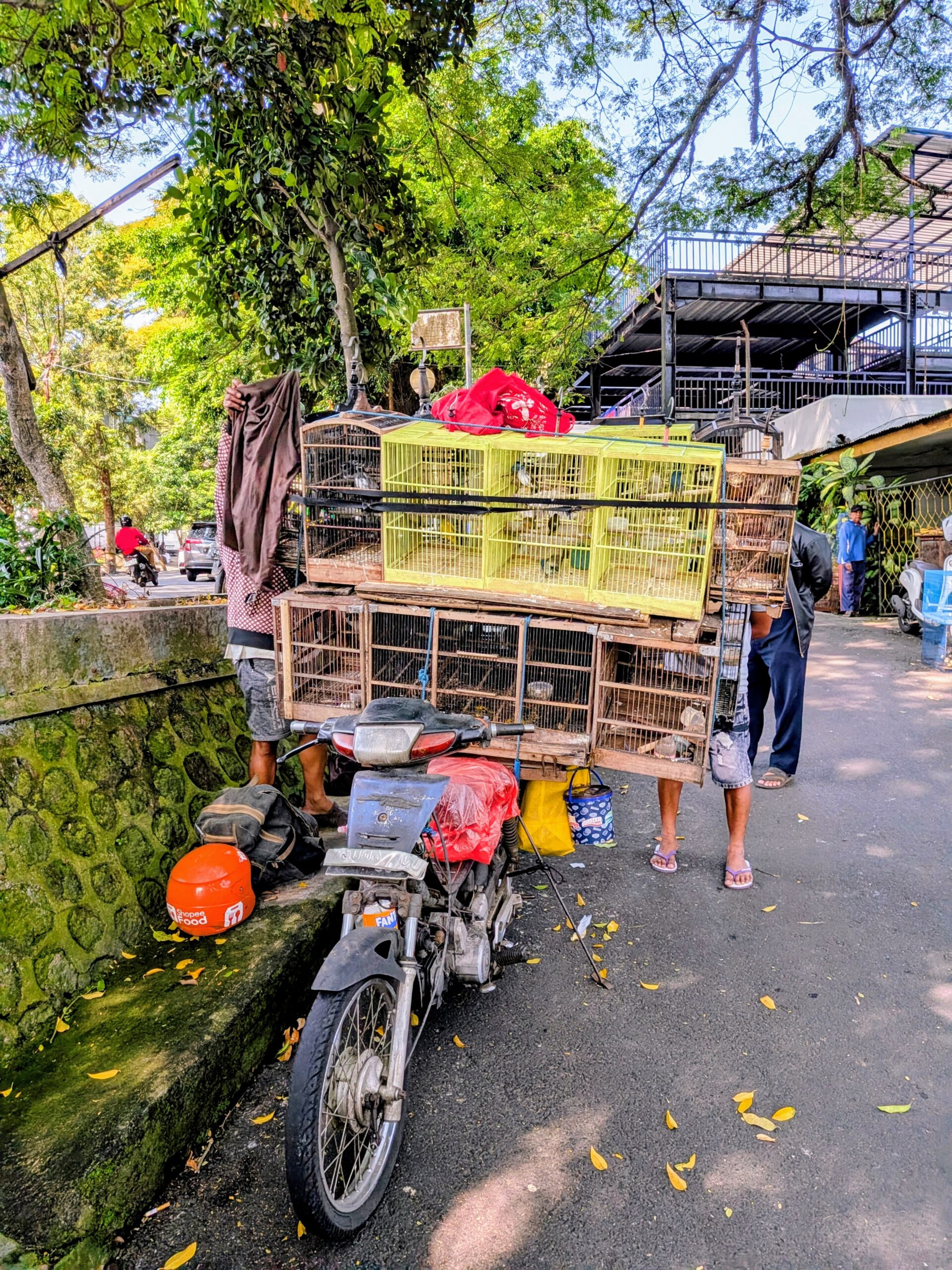
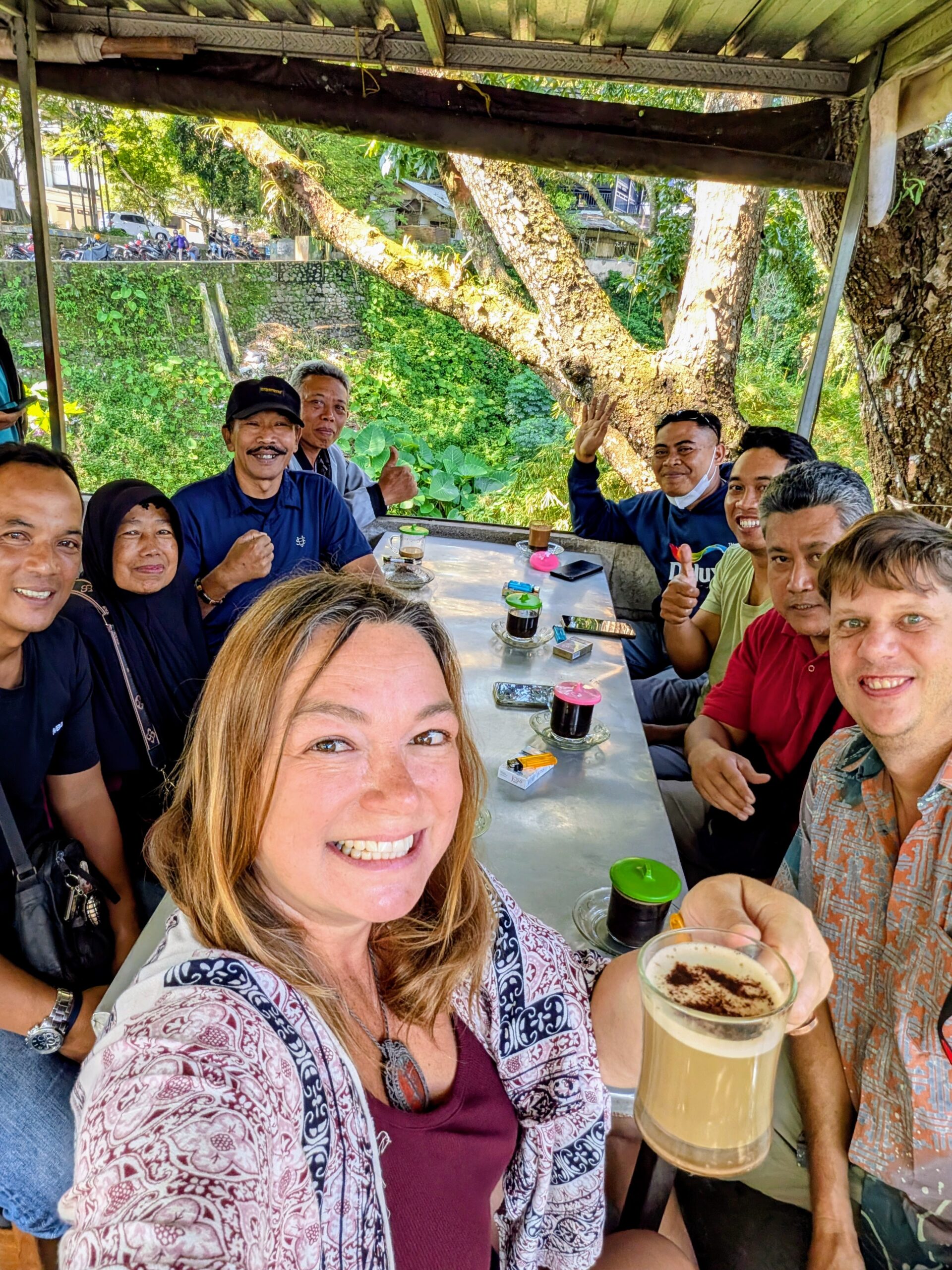
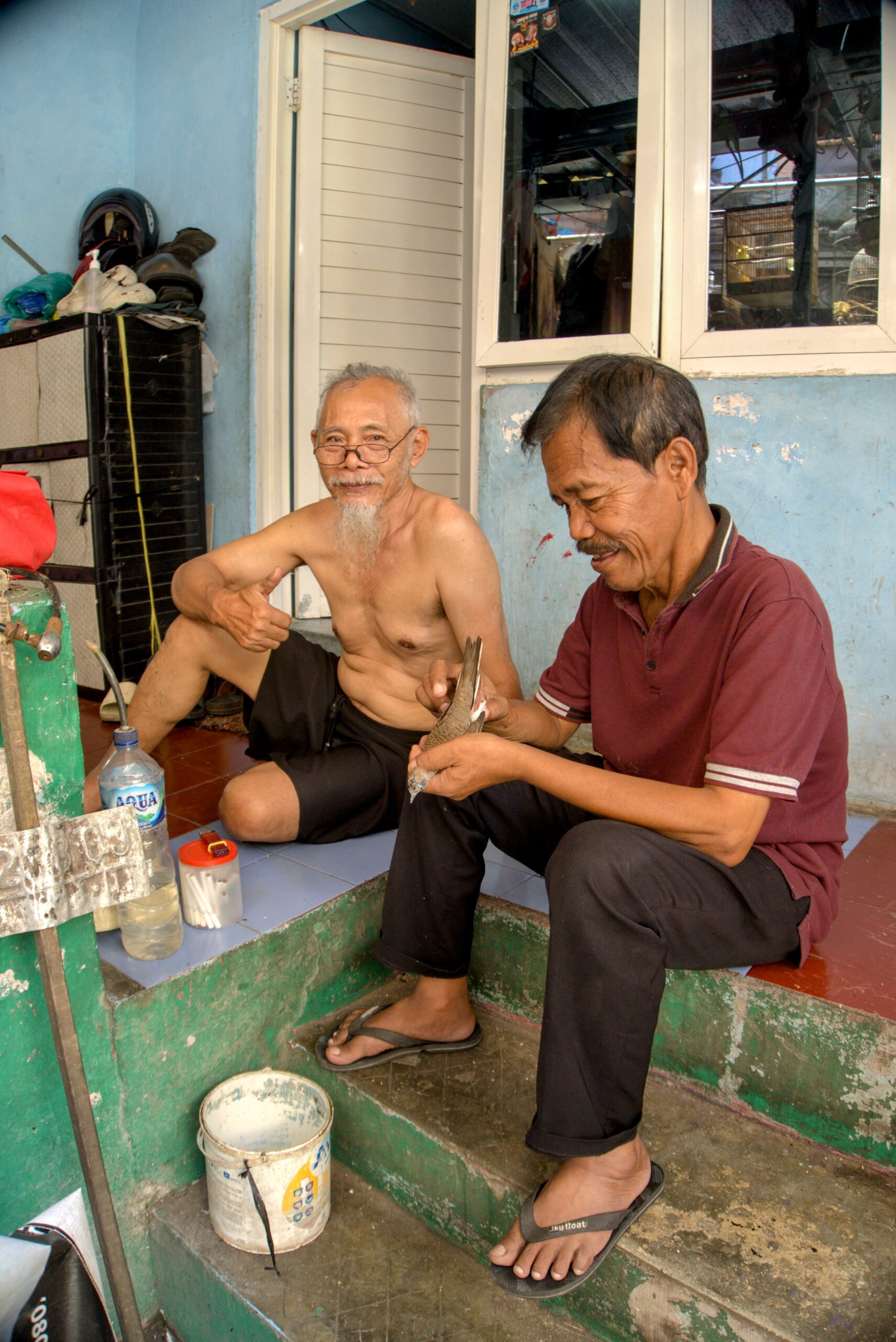
Close to Hotel Tugu is Pasar Splendid Market, known primarily as a bird market — which given everything we had learned about Java’s deep bird-keeping culture in Yogyakarta, felt like a fitting stop. We were wandering through when a group of locals at a large table called us over for coffee. We joined them. With Google Translate as our bridge we spent a delightful stretch of time getting to know each other, sharing coffee, laughing across the language barrier. The kindness here is not a tourist performance. It just keeps happening, unprompted, everywhere.
Kajoetangan Heritage Village
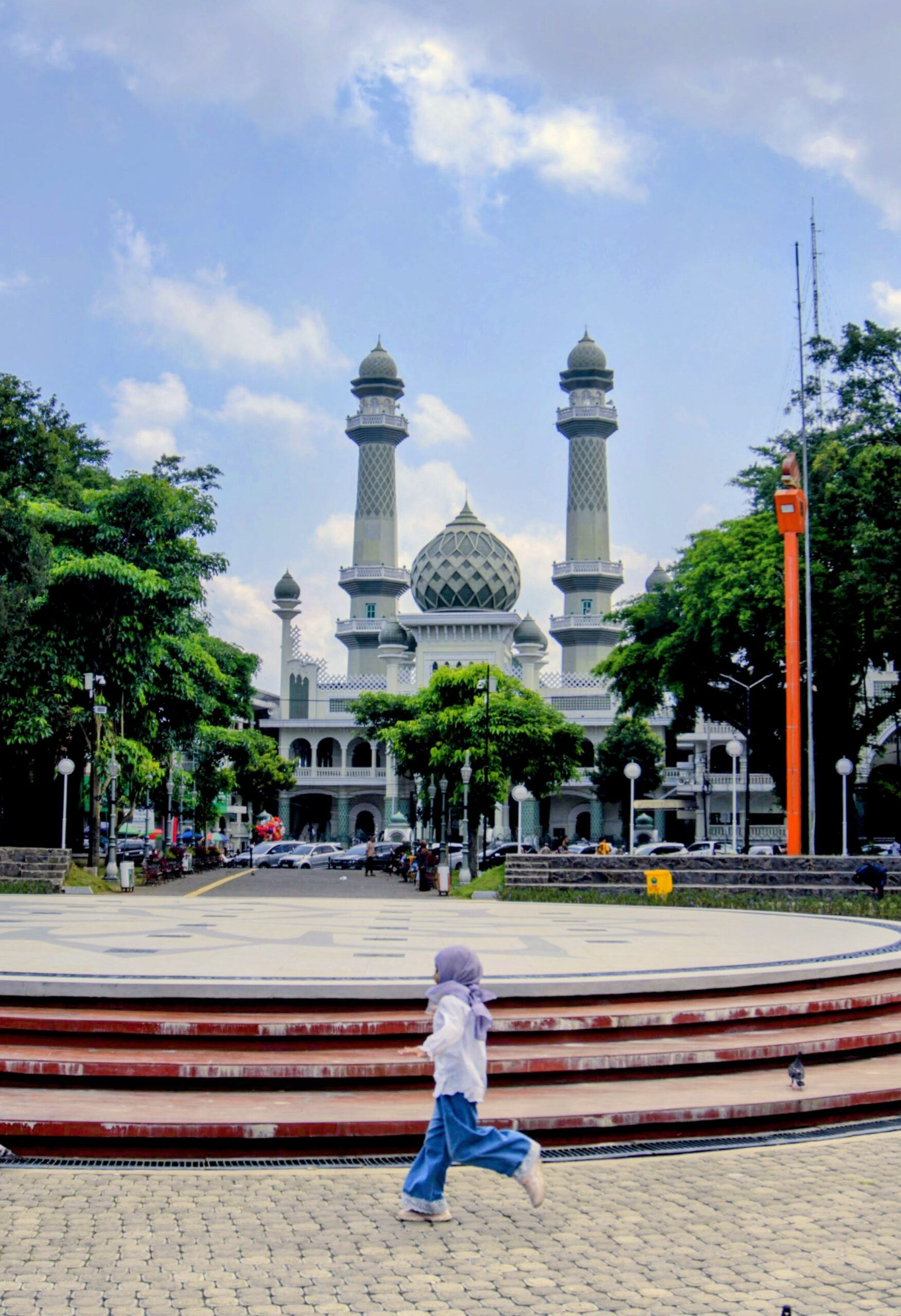
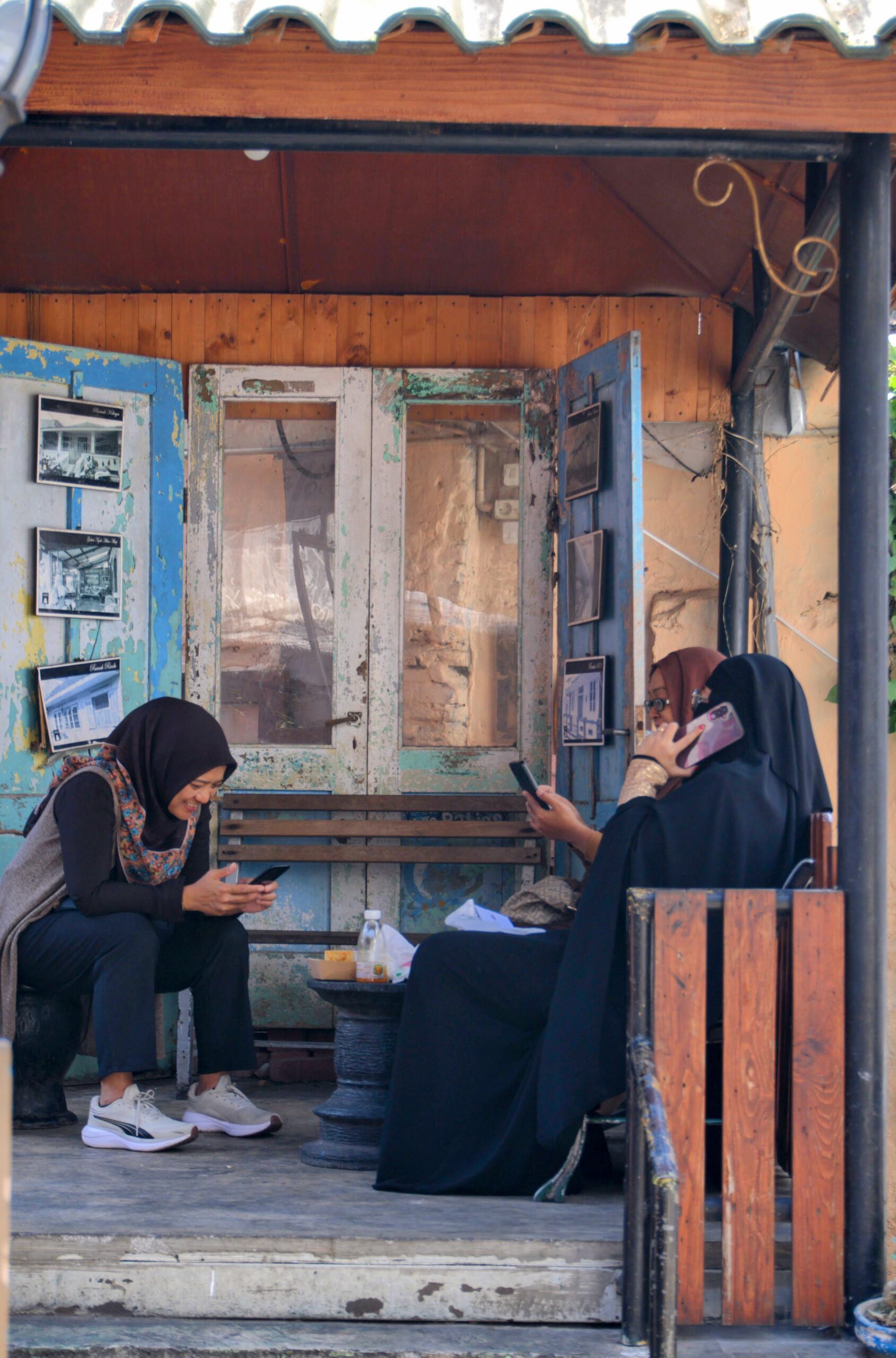
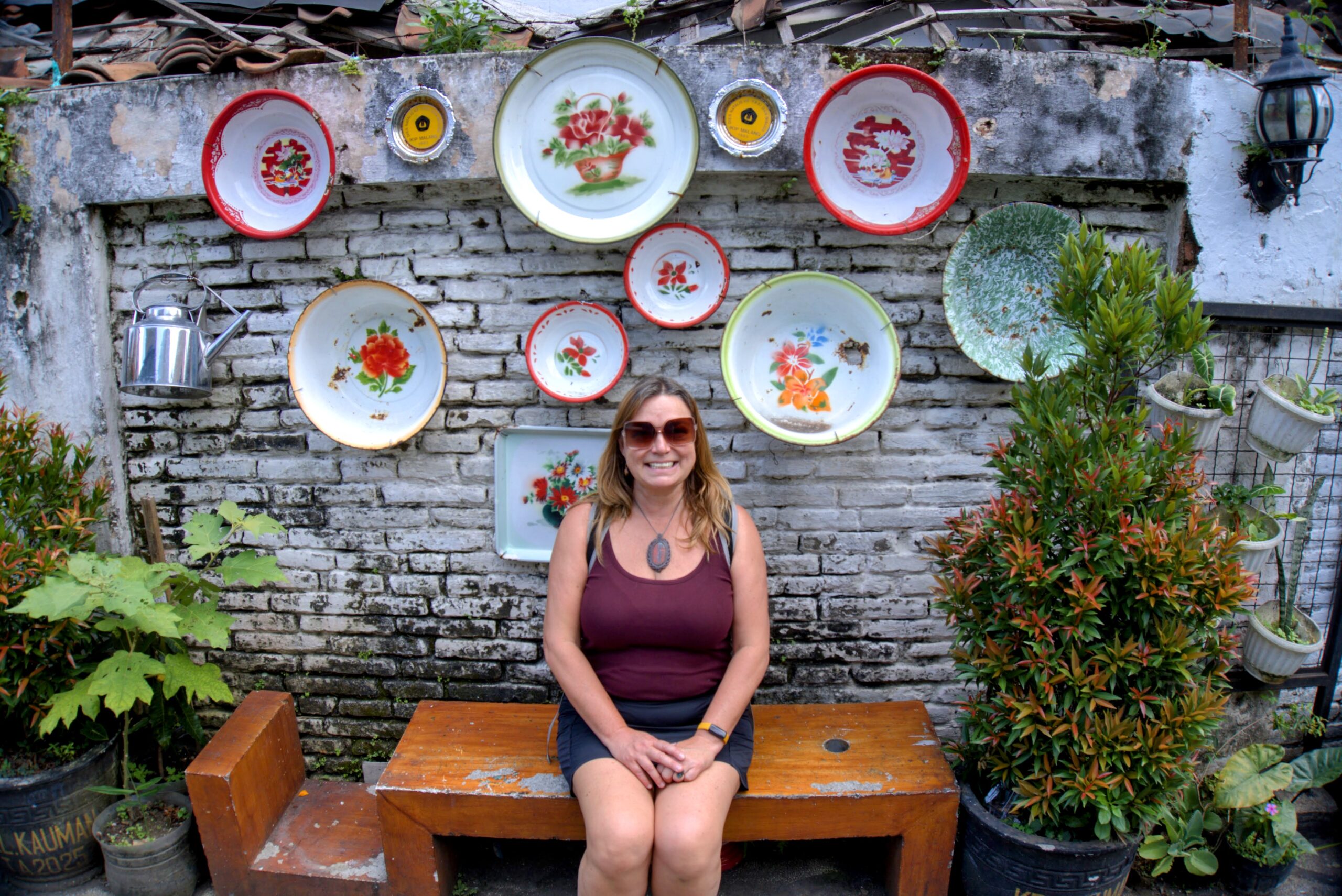
We also spent time in Kajoetangan Heritage Village — one of the oldest neighborhoods in Malang, with roots going back to the 13th century and a Dutch colonial history that shaped much of its architecture. Today the neighborhood has been officially designated a heritage tourism destination, and wandering its alleys you can still feel the layers of history in the preserved Dutch colonial buildings, the old mosques, the antique shops, and the family homes that have stood here for generations.
Coffee, a Temple, and the Cats of Malang
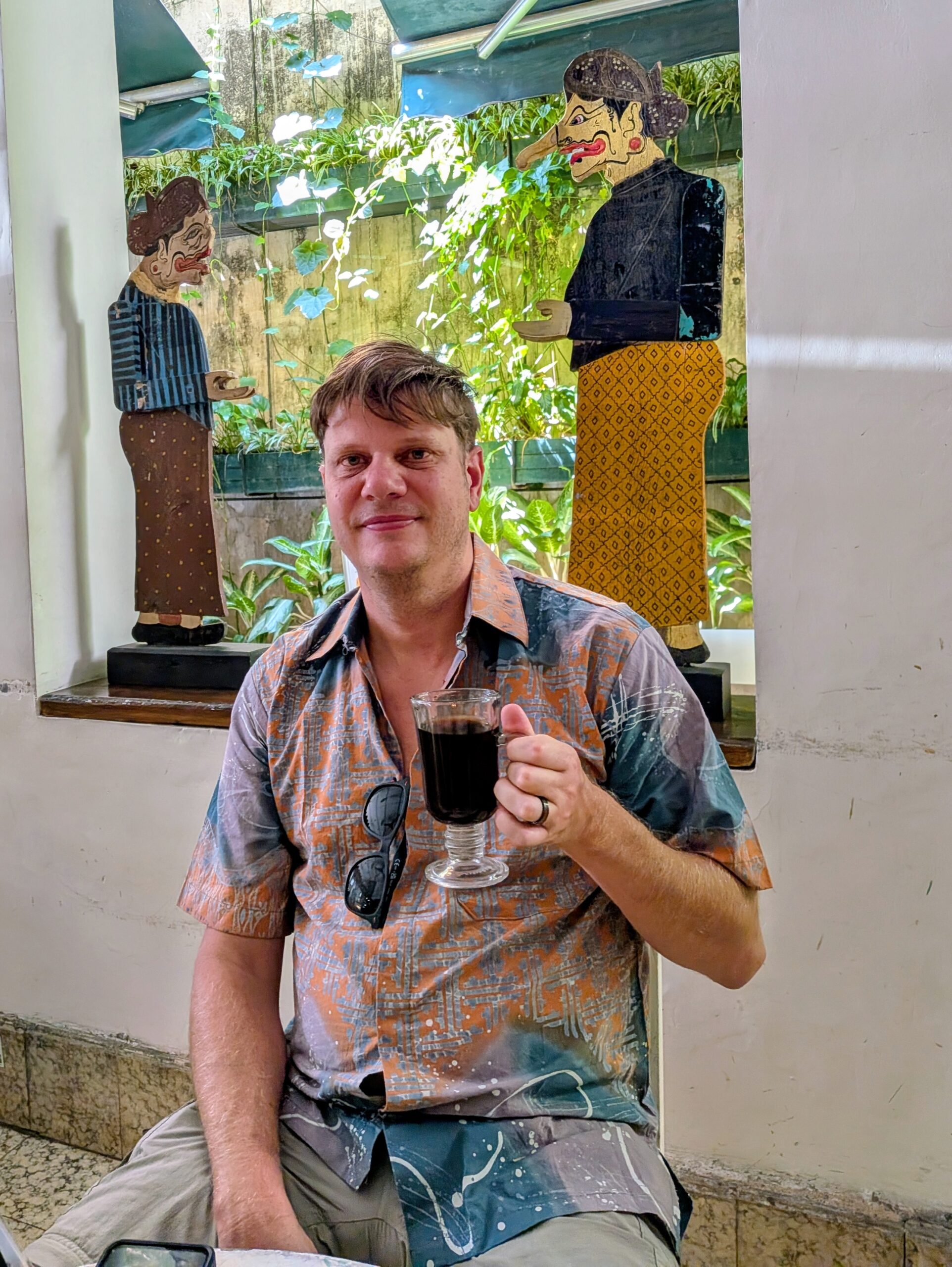
Malang takes its coffee seriously. We dipped into several cafes including All About Koffie by Kawisari — strong, bold cups served in spaces that reflect the city’s genuine café culture.
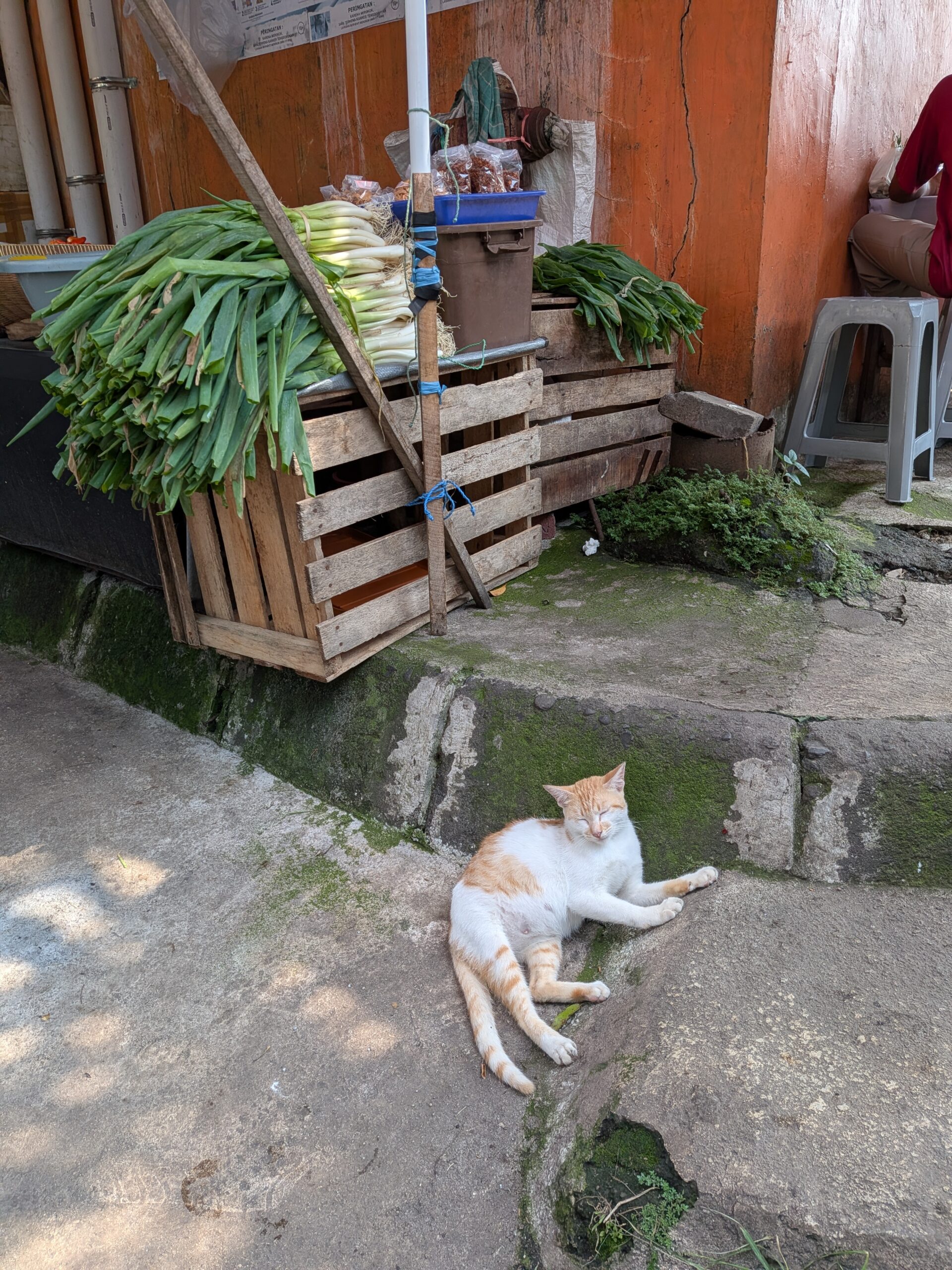
One thing worth noting for visitors: in Muslim culture, dogs are not generally welcomed, but cats are an entirely different matter. They rule the streets of Indonesia — lounging in patches of sun, entirely unbothered, kings of everywhere they choose to rest.
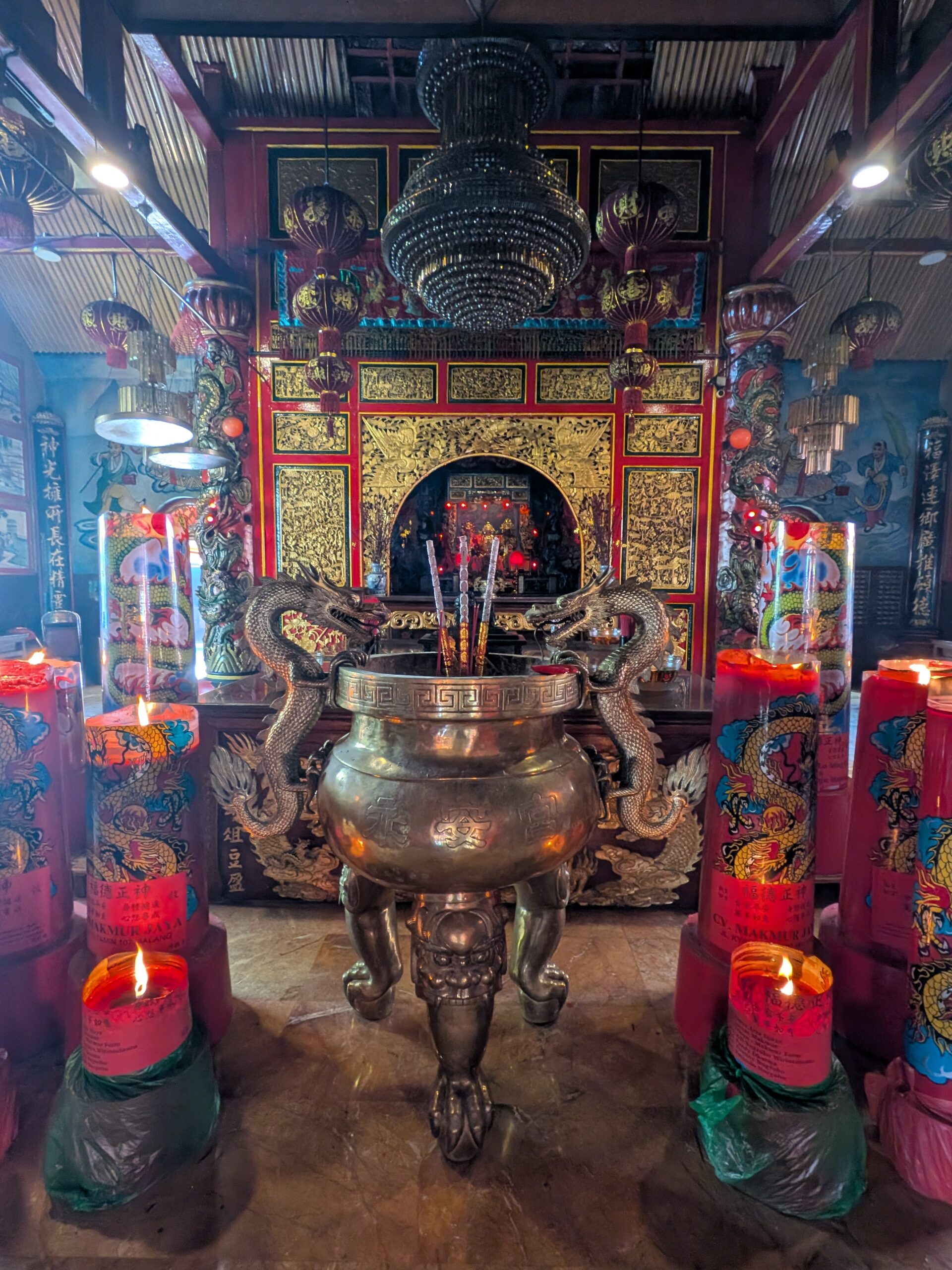
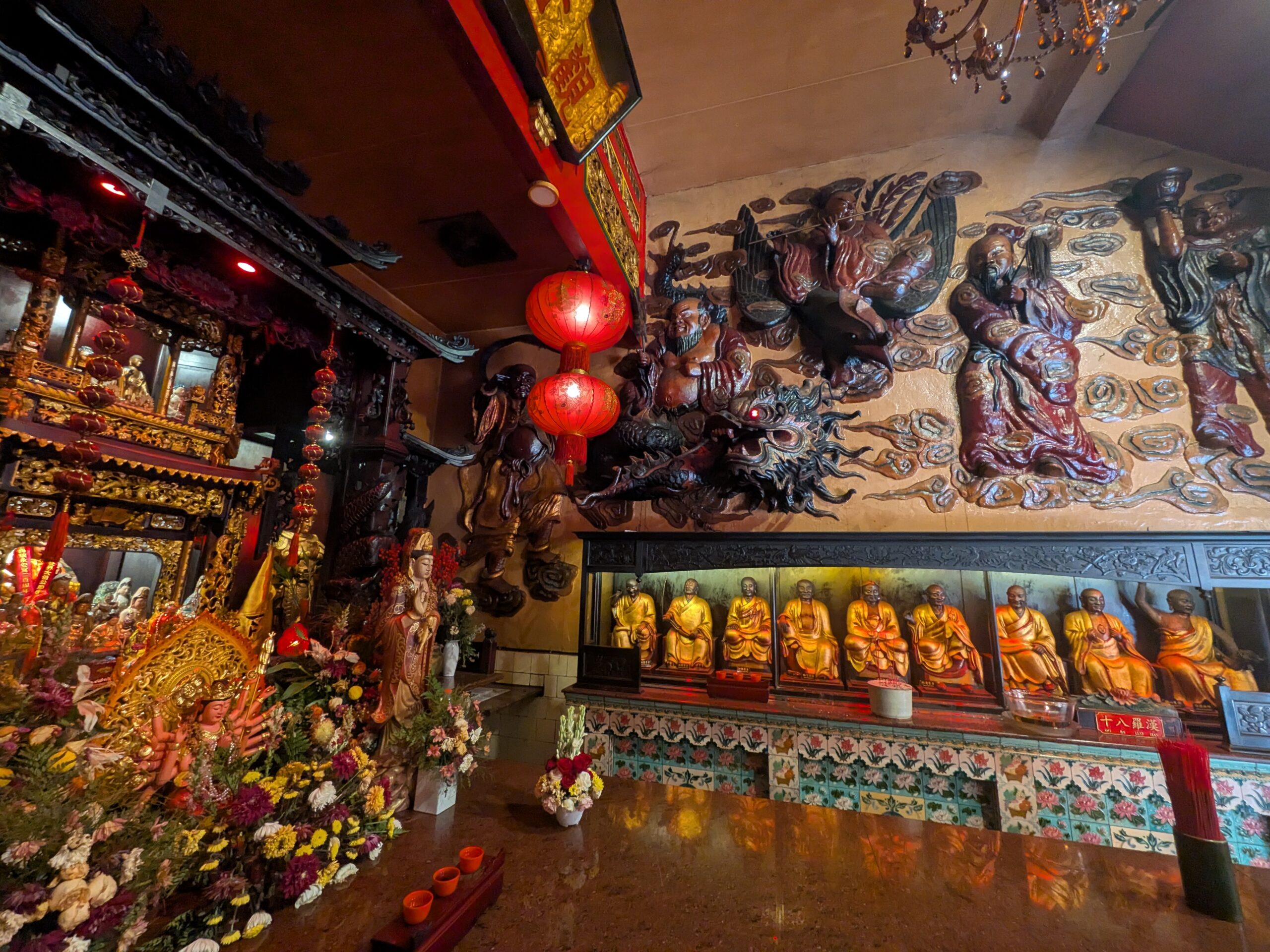
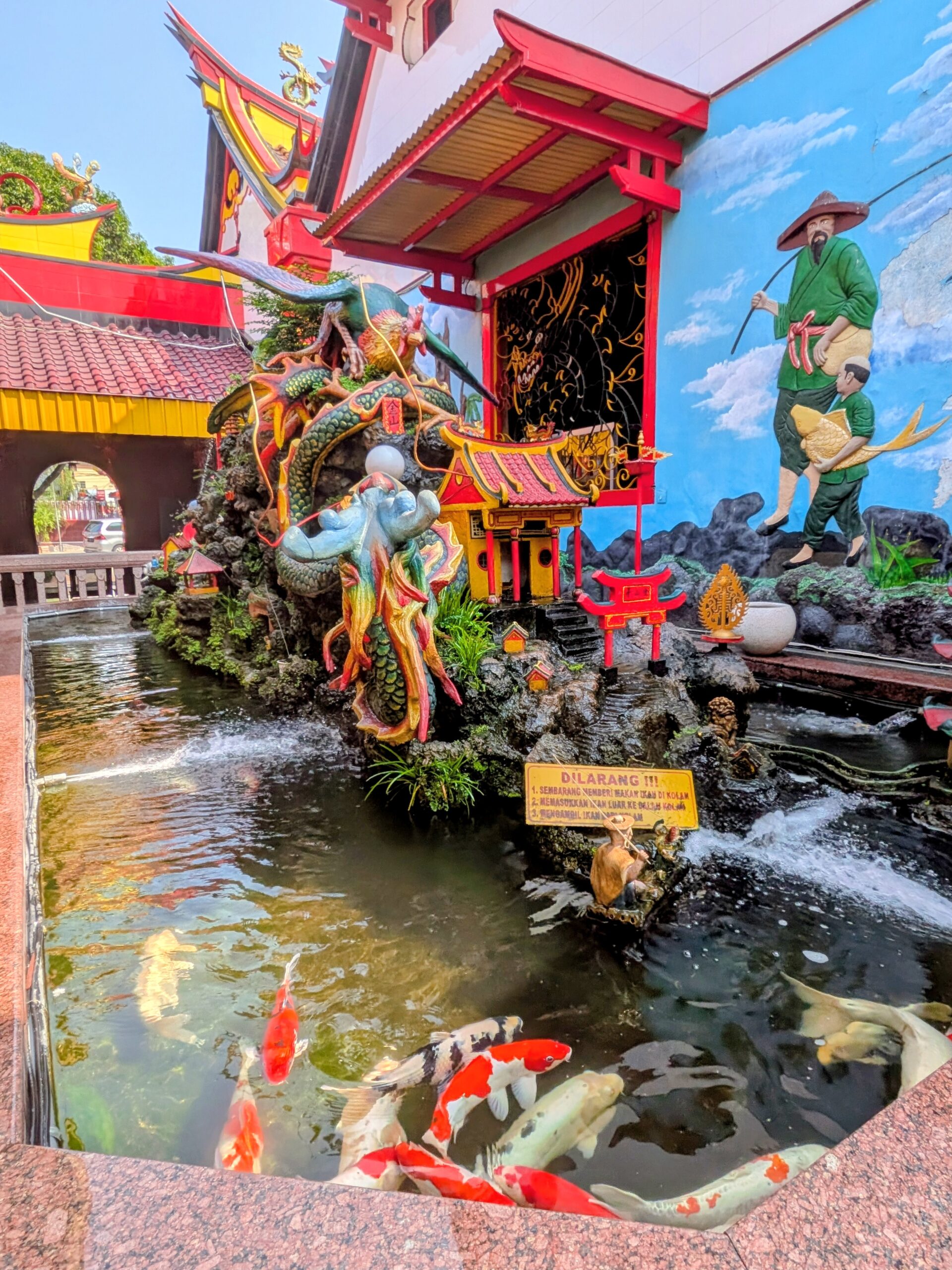
We also visited Klenteng Eng An Kiong, a 200-year-old Chinese temple that was significantly larger and more intricate than we anticipated. Room after room to explore, detailed shrines, incense smoke drifting through the air — a beautiful and unexpected discovery that reminded us how layered Malang’s cultural heritage really is.
Malang: More Than a Base Camp
Most people come to Malang as a staging point for Mount Bromo, and it is an excellent one. But it would be a mistake to treat it as only that. It is a friendly, walkable city with genuine depth — extraordinary hotel, colorful community stories, heritage streets, strong coffee, and people who genuinely welcome you. We loved our time here.
Next stop: Labuan Bajo and the Komodo Islands.