Covered in Flour and Loving It: Carnaval at Lake Chapala
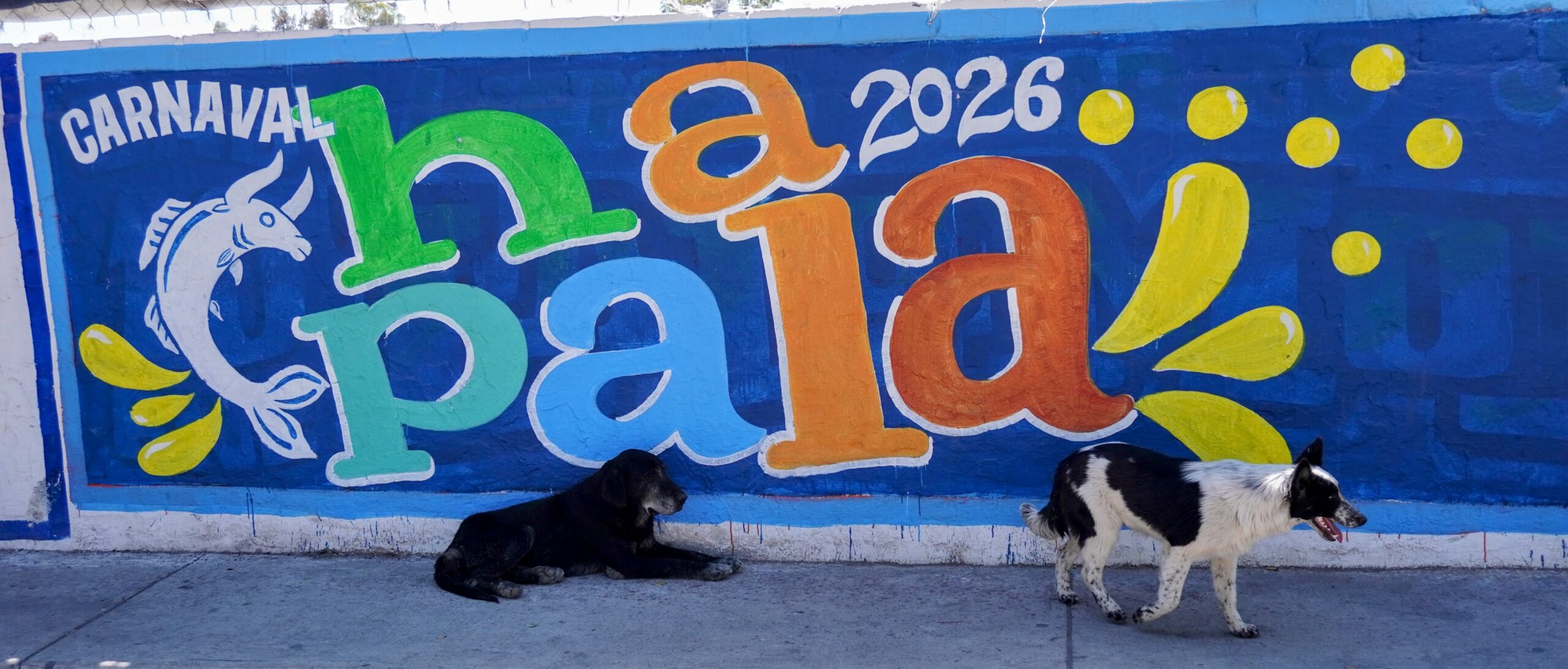
Before moving here, I had no idea that Carnaval was even a thing at Lake Chapala. But one of the many surprises Mexico keeps handing us is just how deeply and joyfully even smaller communities celebrate this season. Carnaval here is not a footnote. It is a full-throated, weeks-long, flour-covered event, and I am still smiling thinking about it.
The Opening Act: Entierro del Mal Humor in Chapala
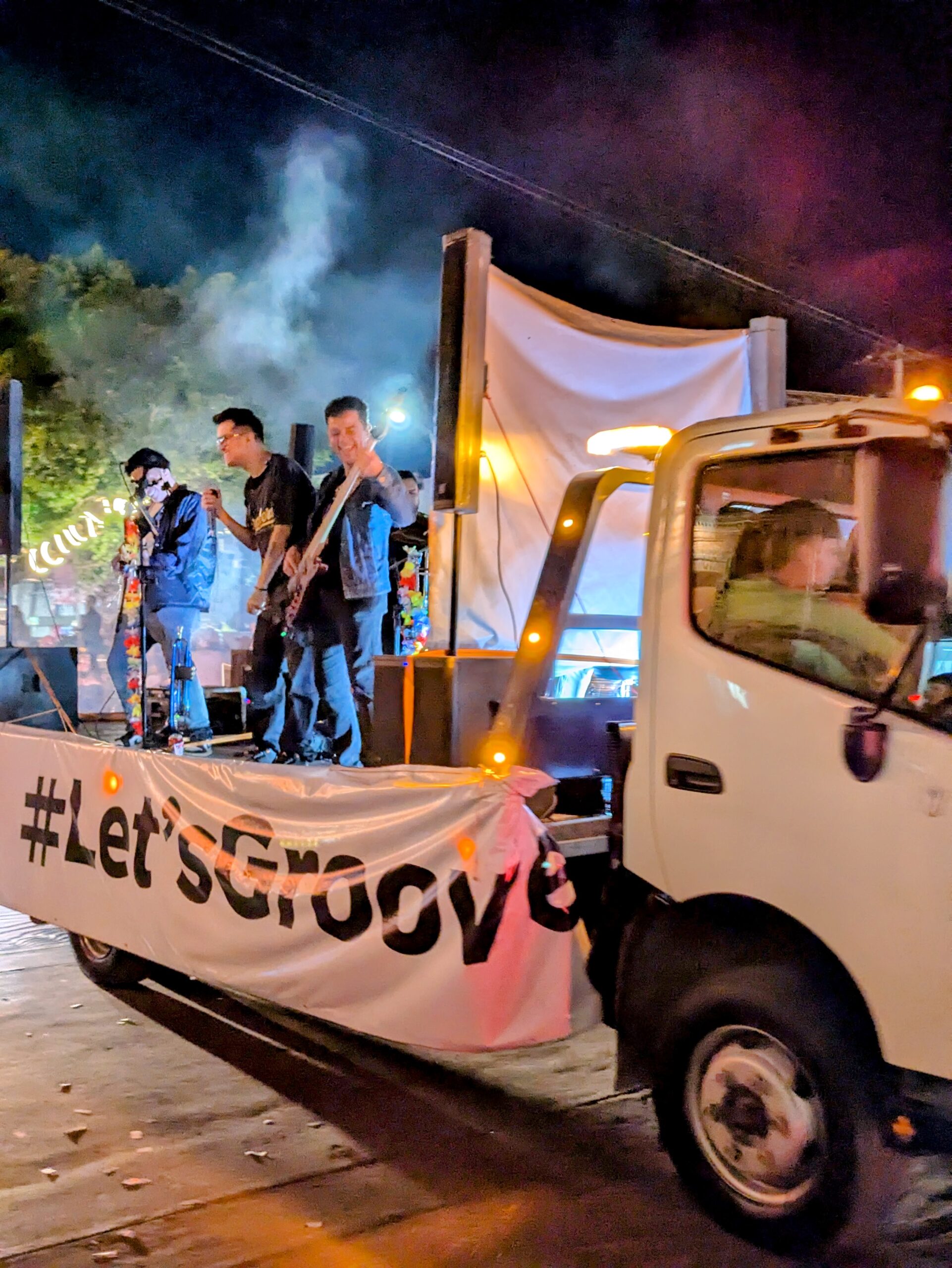
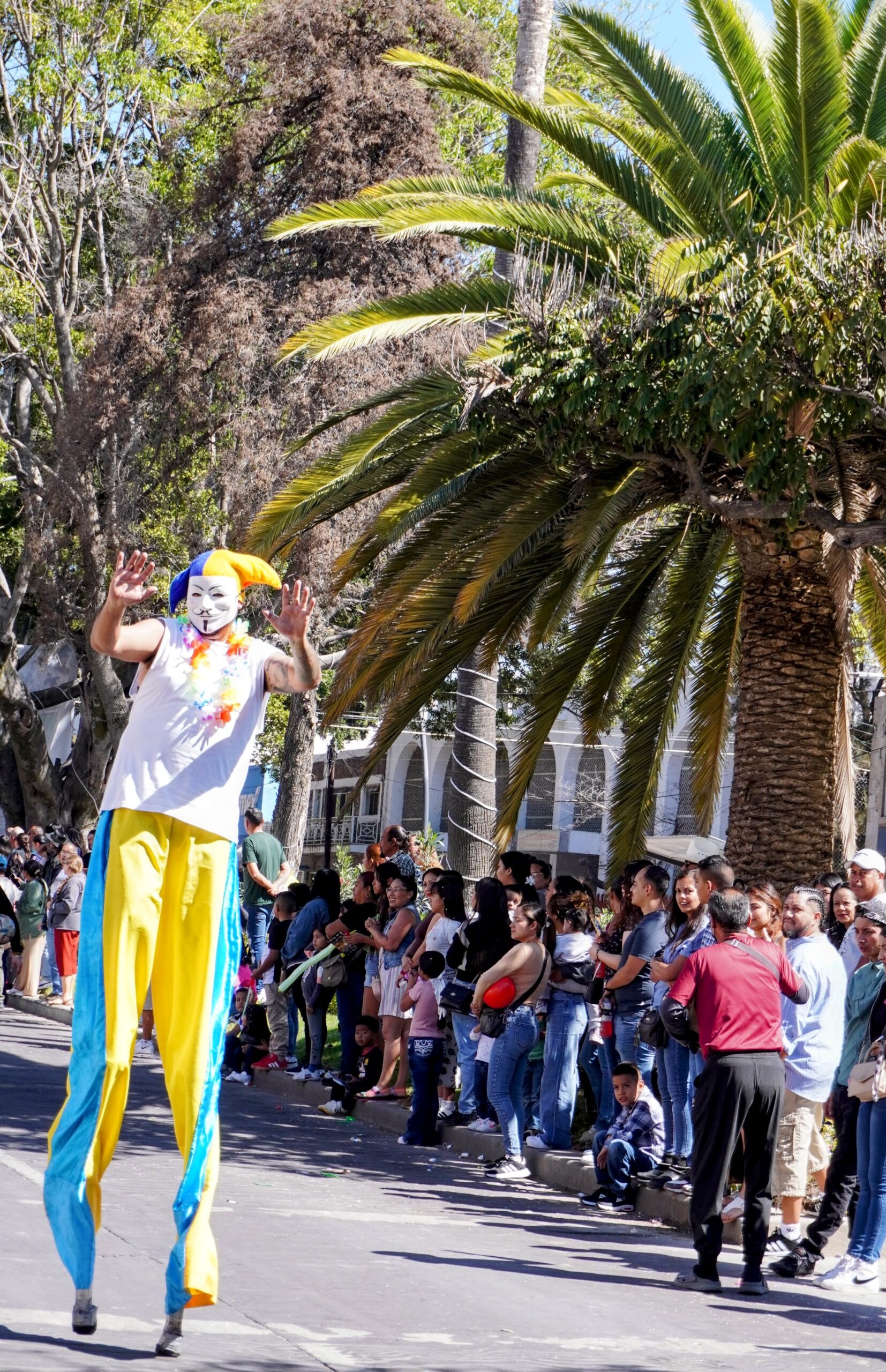
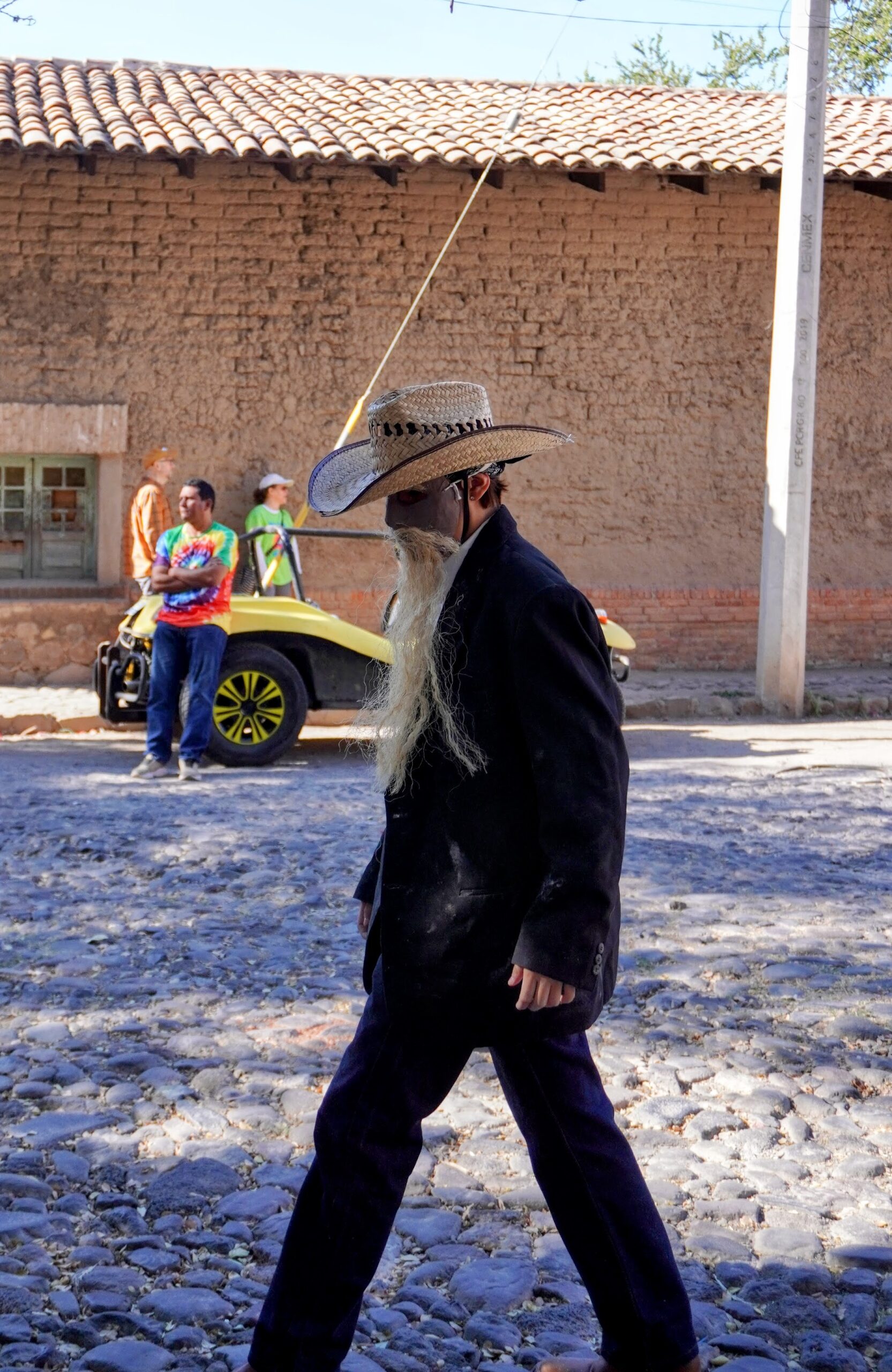
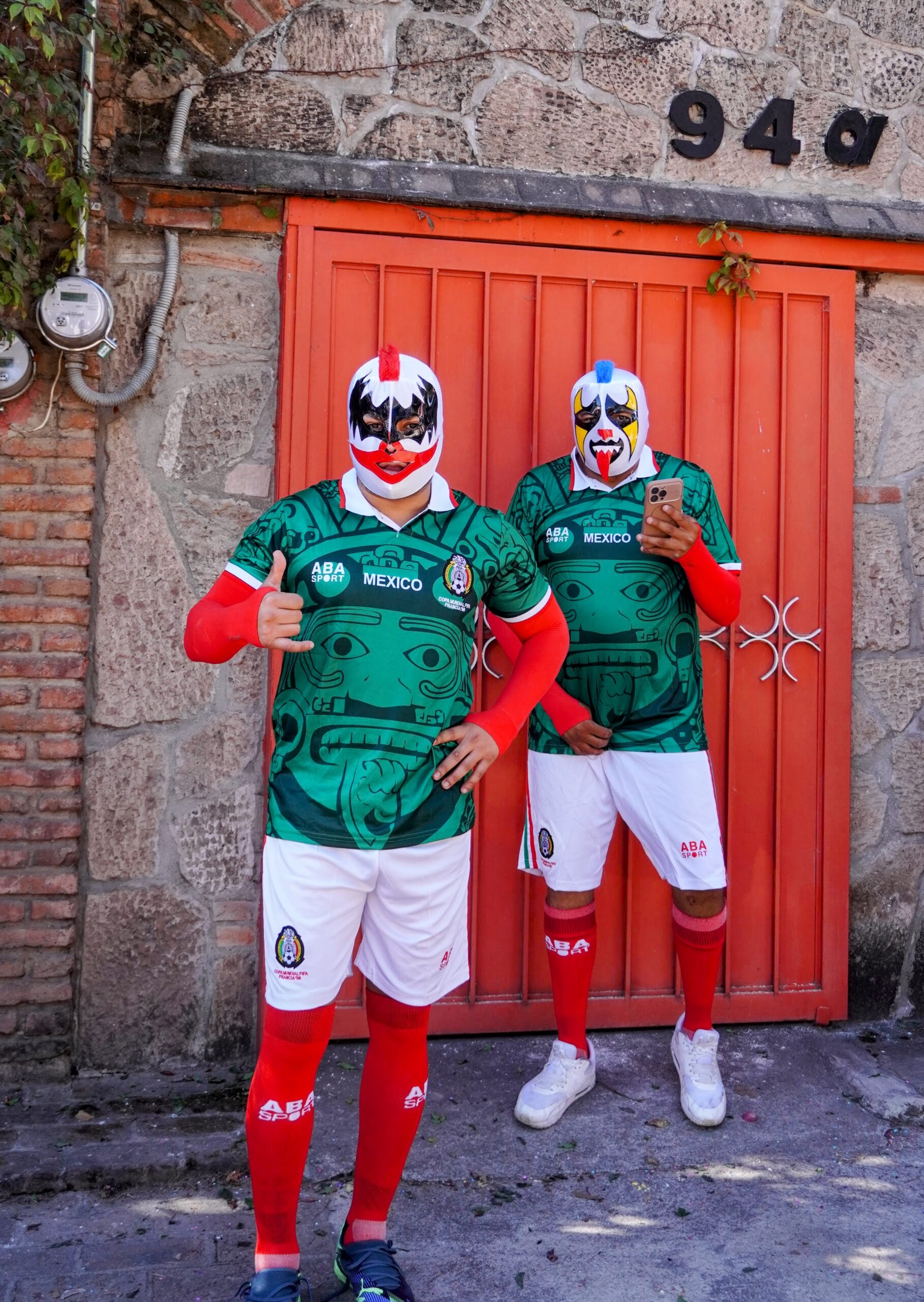
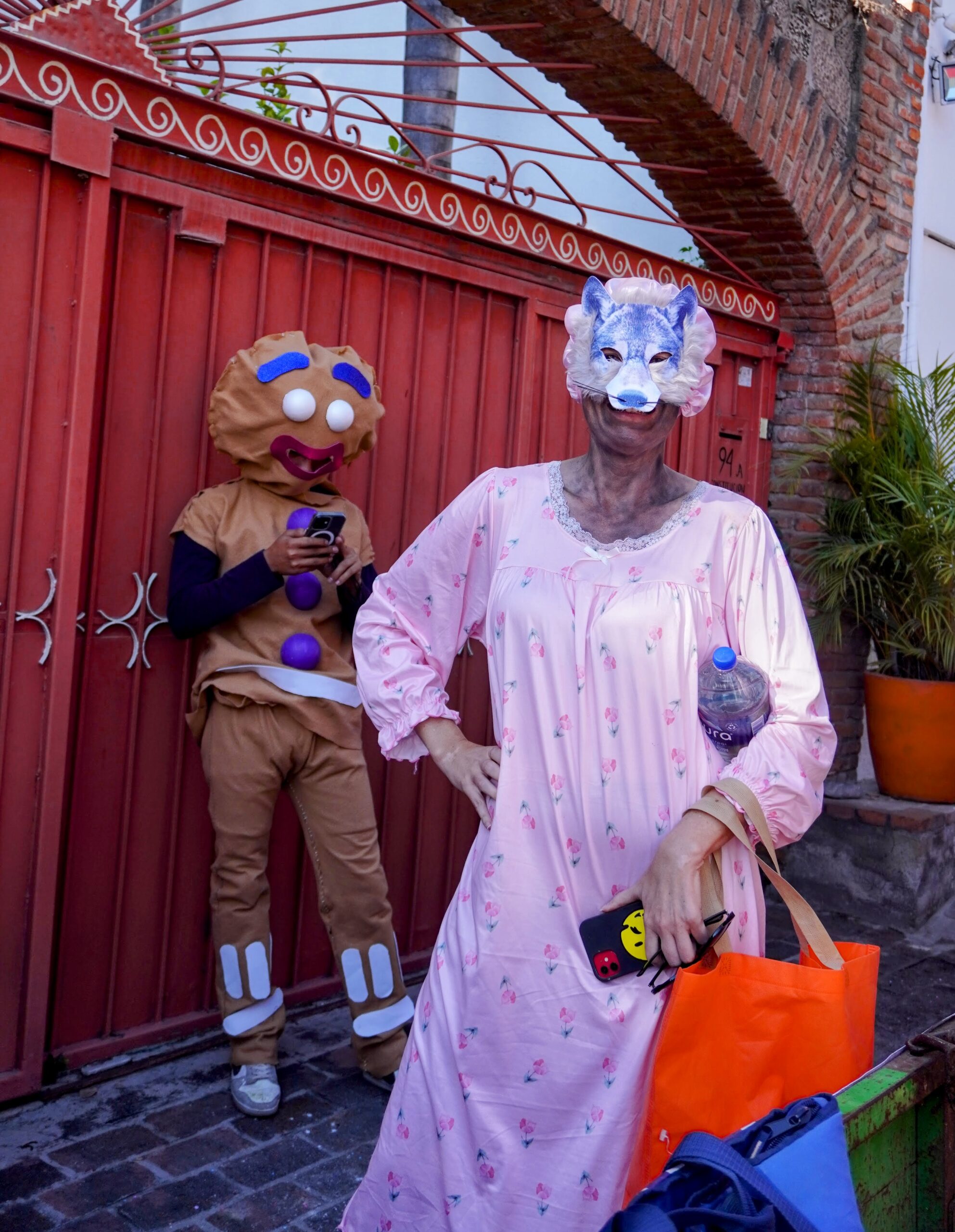
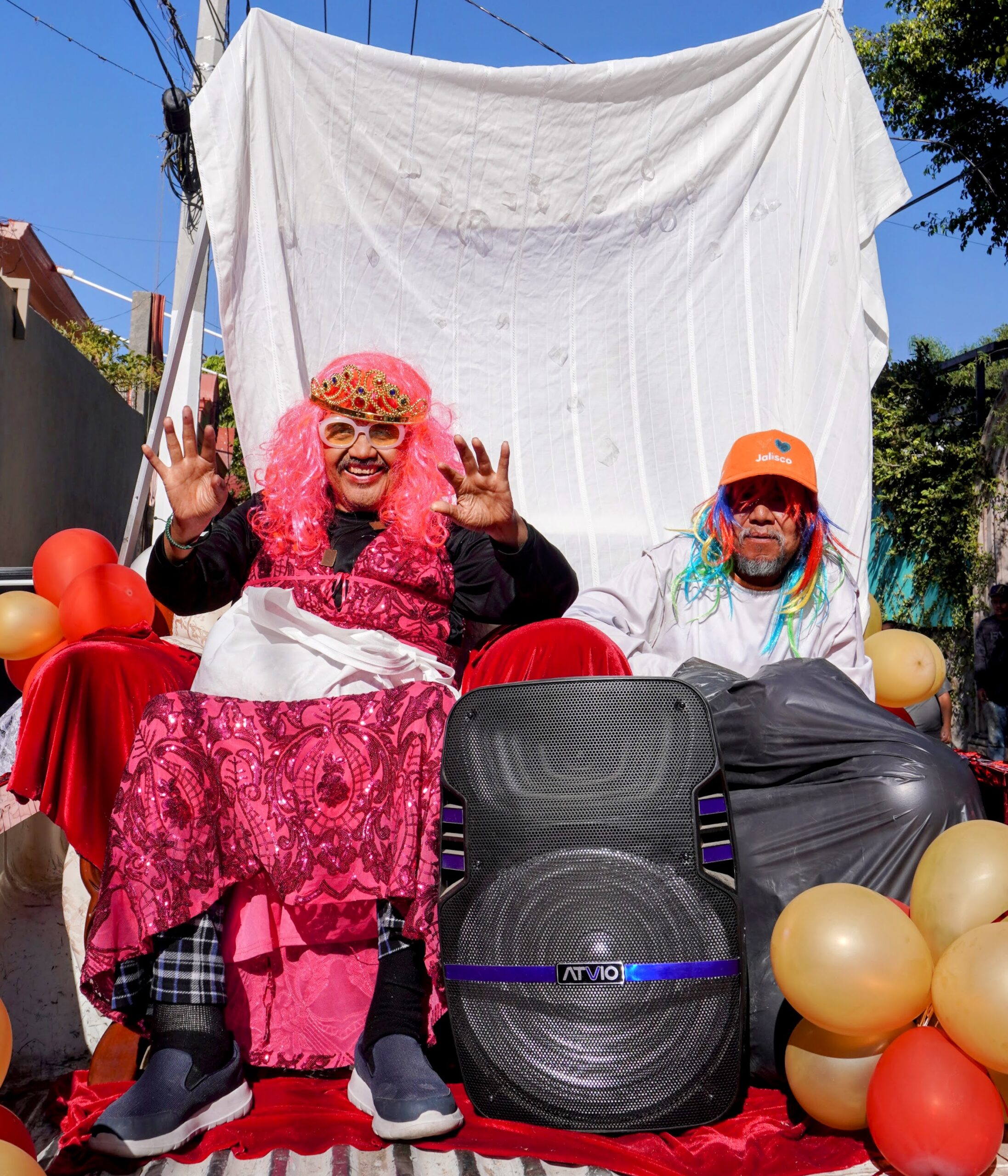
It all kicked off with the Entierro del Mal Humor parade in Chapala — the “Burial of Bad Humor” — a tradition that sets the tone perfectly for everything that follows. The idea is simple and wonderful: you bury the bad vibes, the complaints, the grumpiness of the past year, and make way for celebration. The parade was lively and full of character, and it immediately made clear that this community takes its Carnaval seriously.
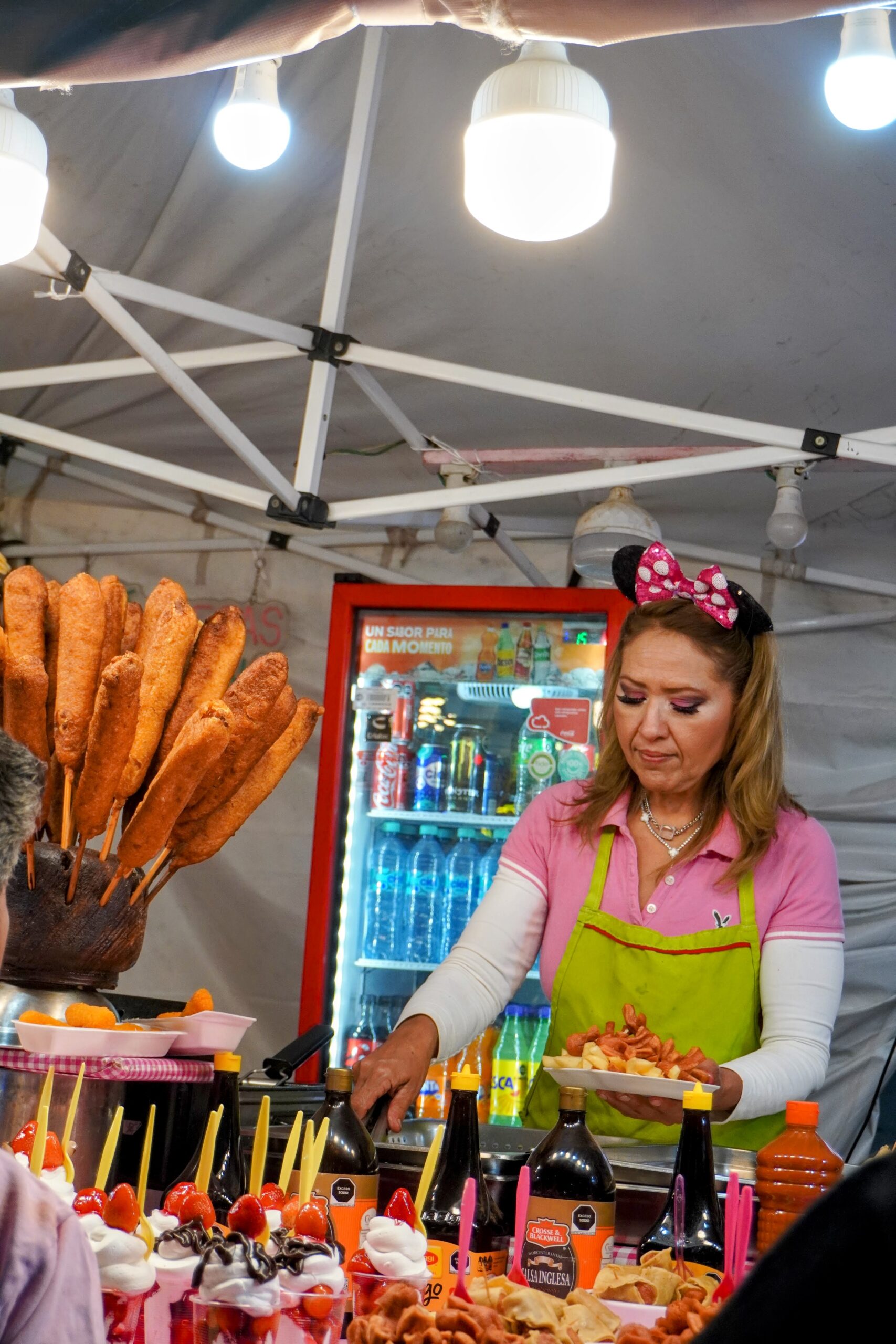
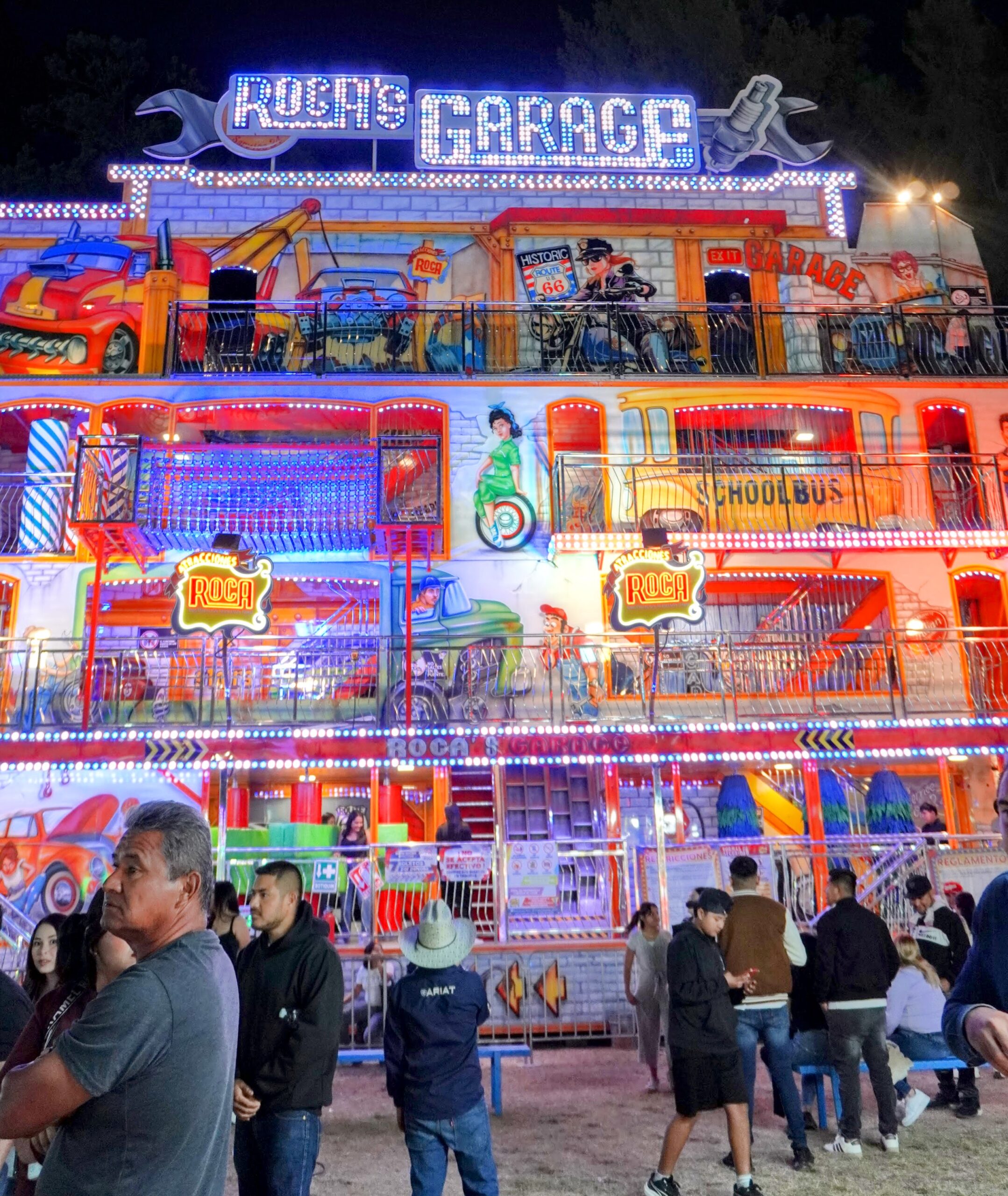
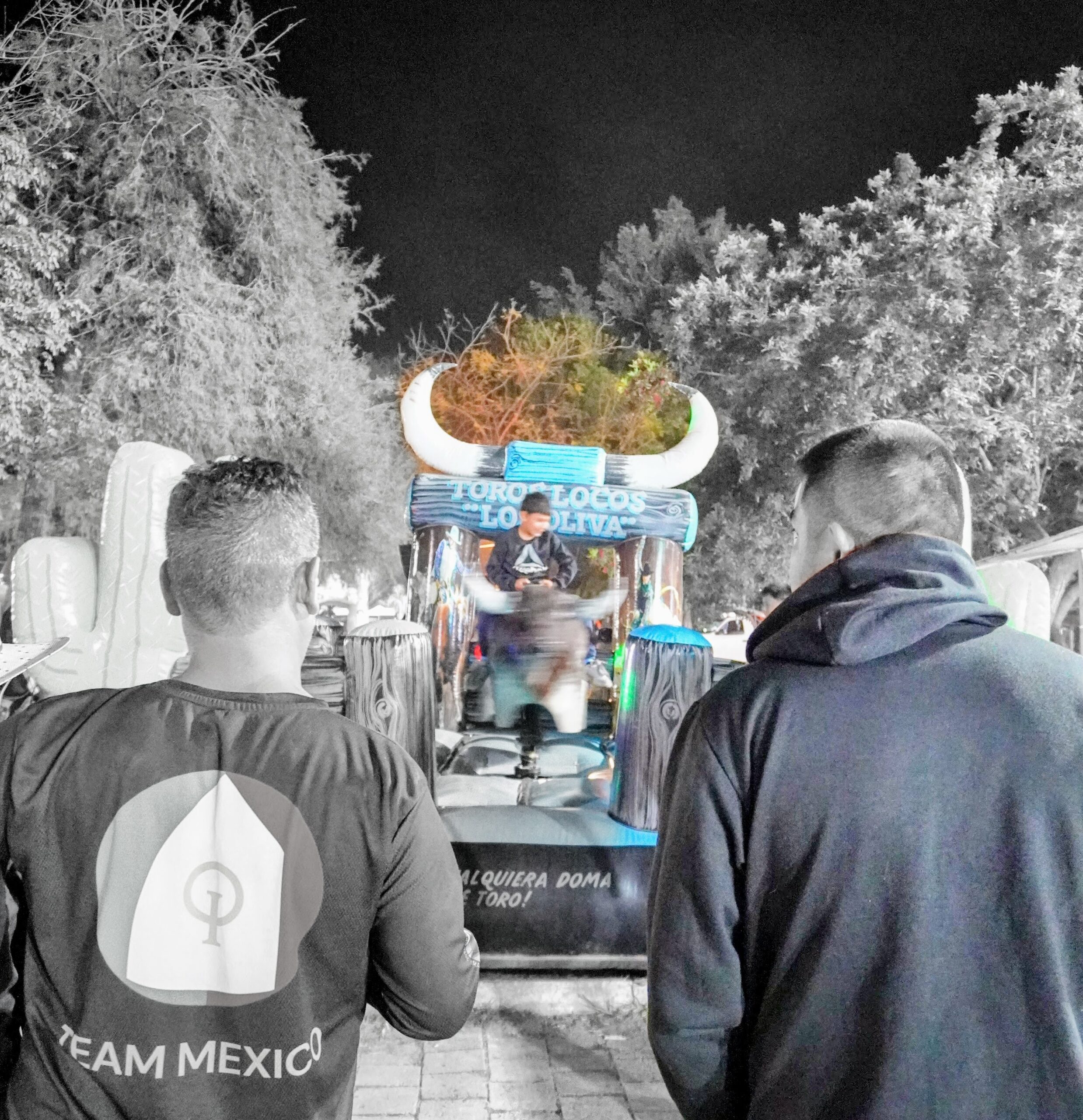
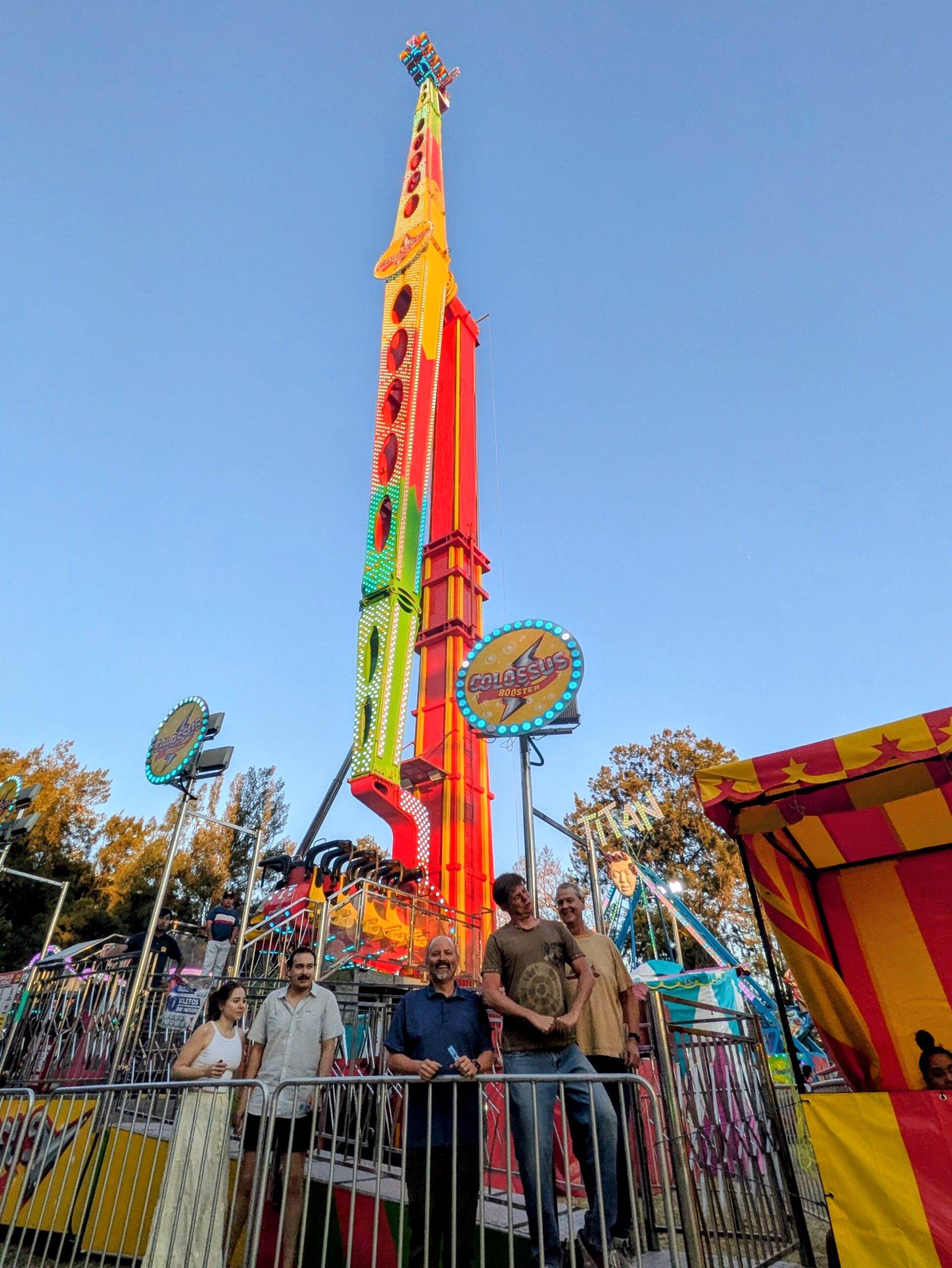
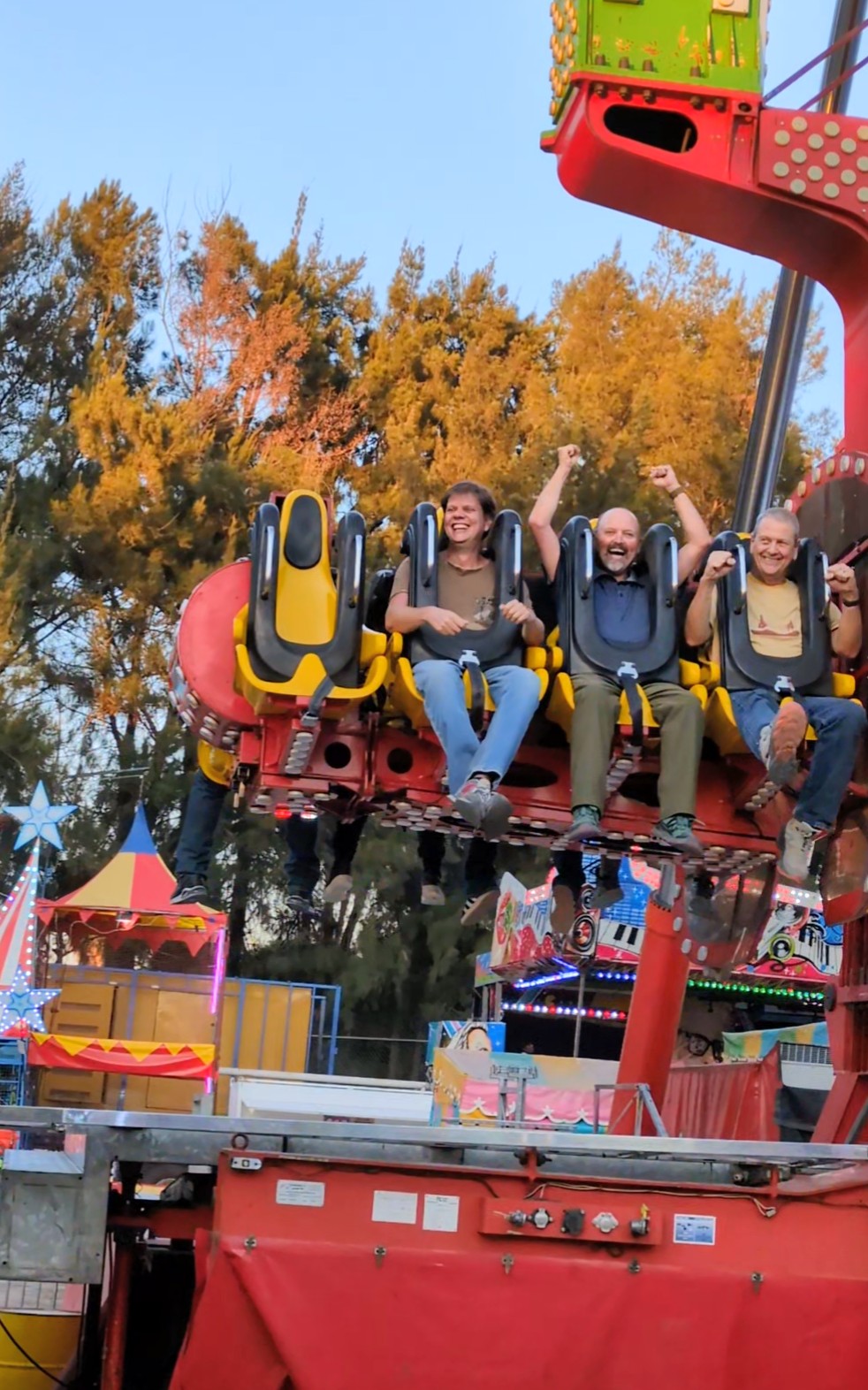
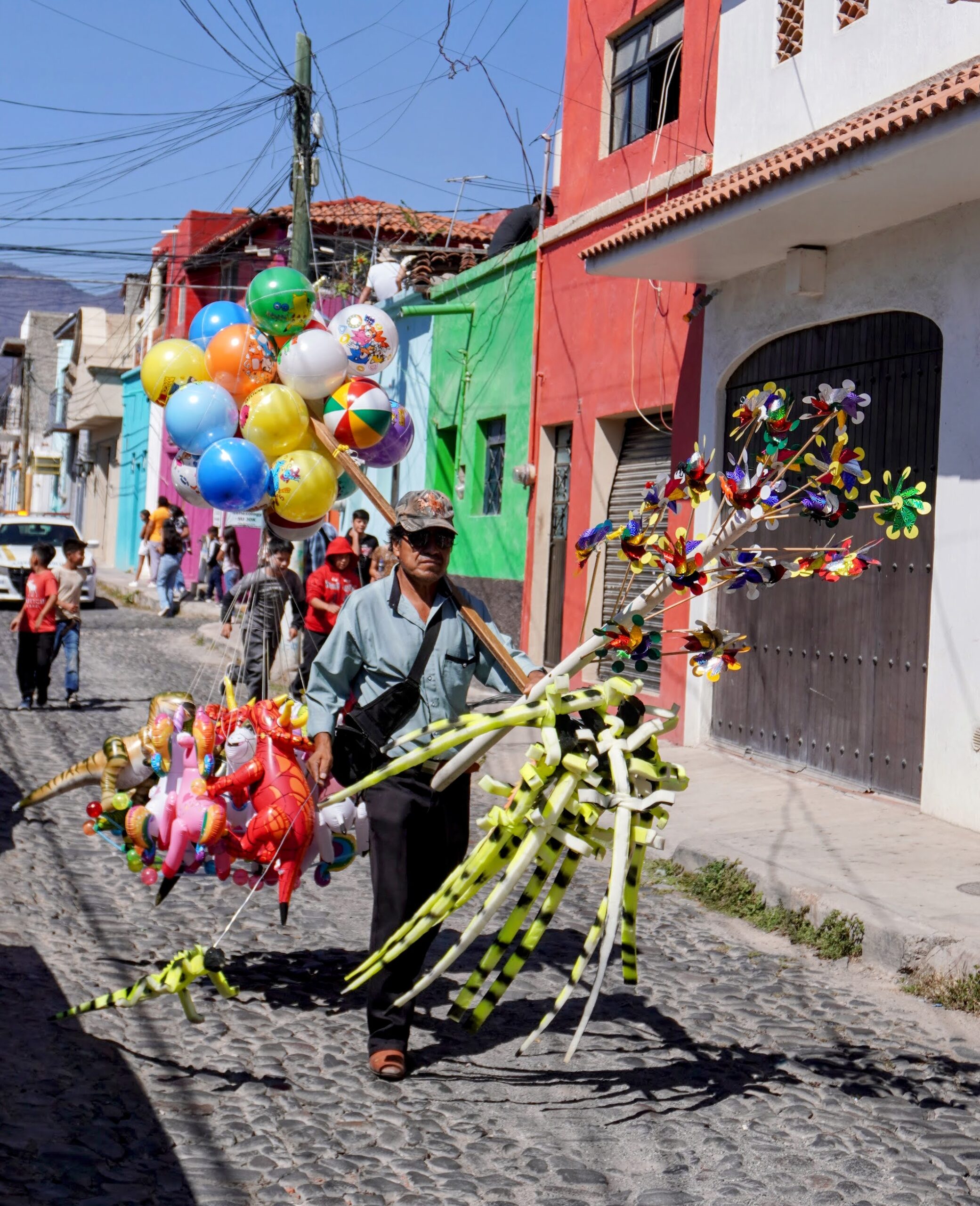
After the parade, we made our way to the Carnaval grounds at Cristiania Park, and the scale of it caught us off guard. The park was transformed into a sprawling fairground with rides, games, food stalls, drinks, and a massive music stage anchoring it all. It had real carnival energy — chaotic, bright, loud, and fun. Larry, Jeremy, and Joe spotted the Hammer ride looming over everything and decided that was a non-negotiable. I stayed safely on the ground, terrified even just watching that thing spin. They had the time of their lives. I kept my dignity. We’ll call it even.
The Sayacas: A Tradition Like No Other
One of the most distinctive and fascinating elements of Carnaval in Ajijic is the Sayacas — and they deserve their own explanation, because nothing quite prepares you for them. Every Sunday in February leading up to Lent, the Sayacas take over the streets of Ajijic in a series of pre-Carnaval parades.
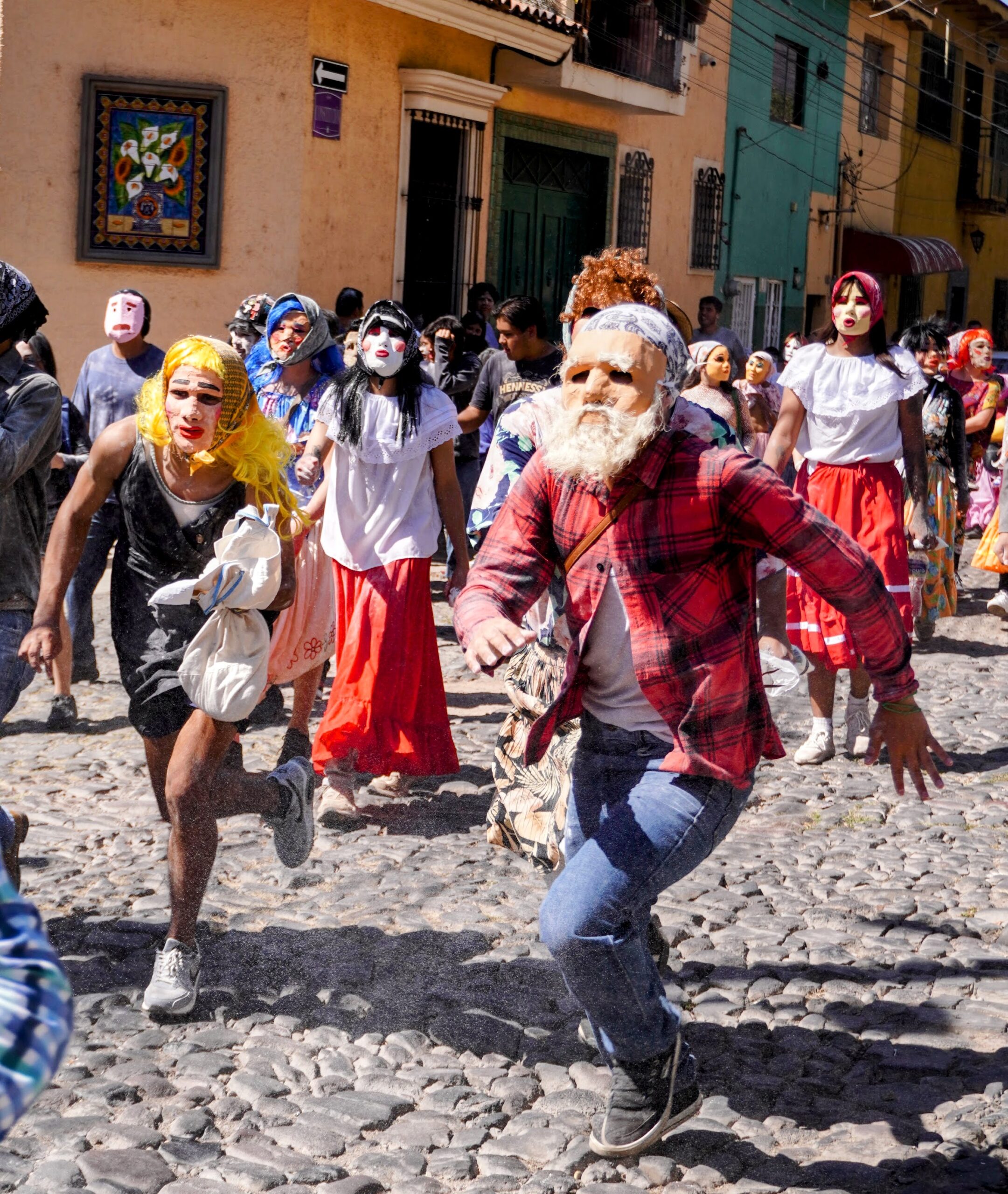
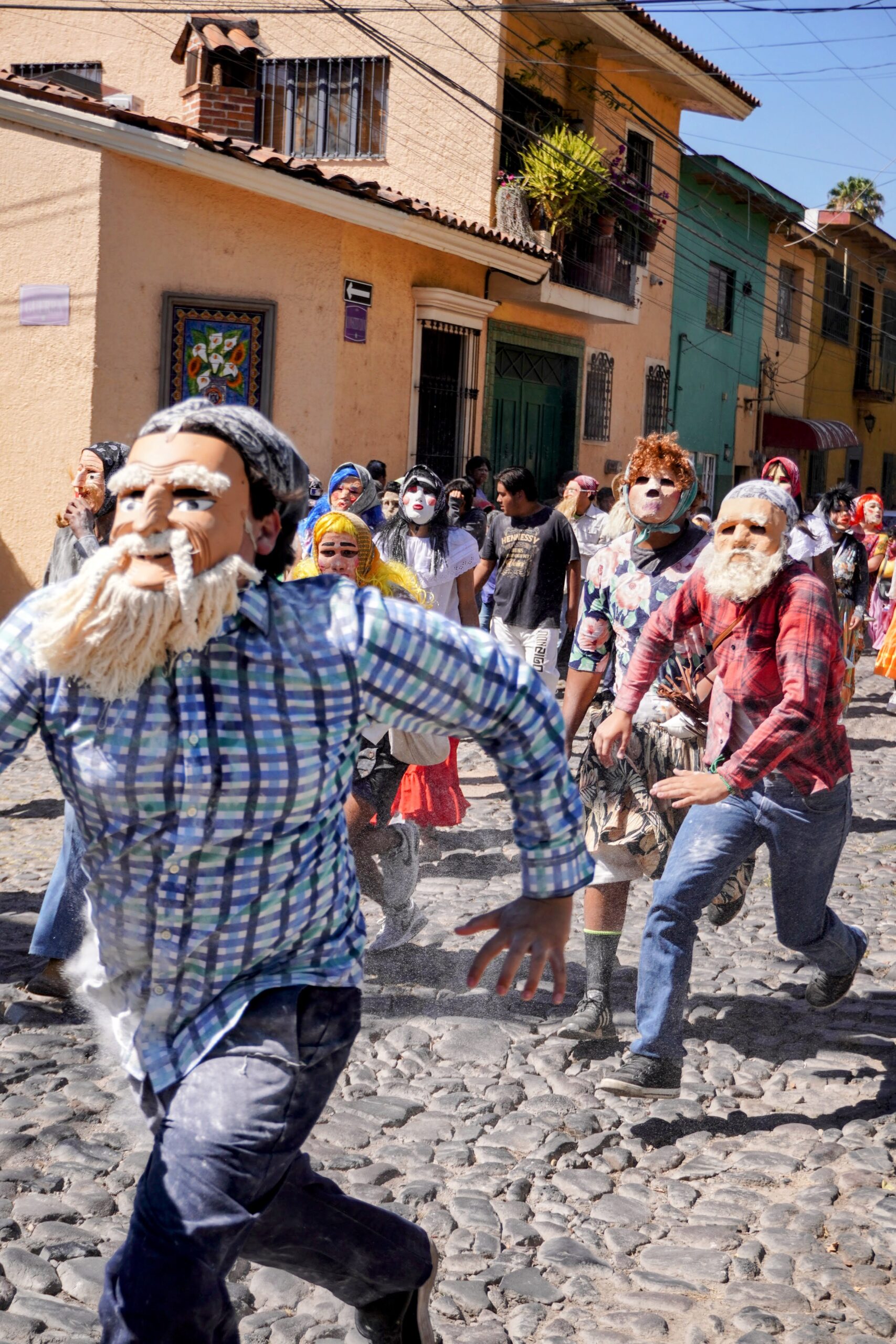
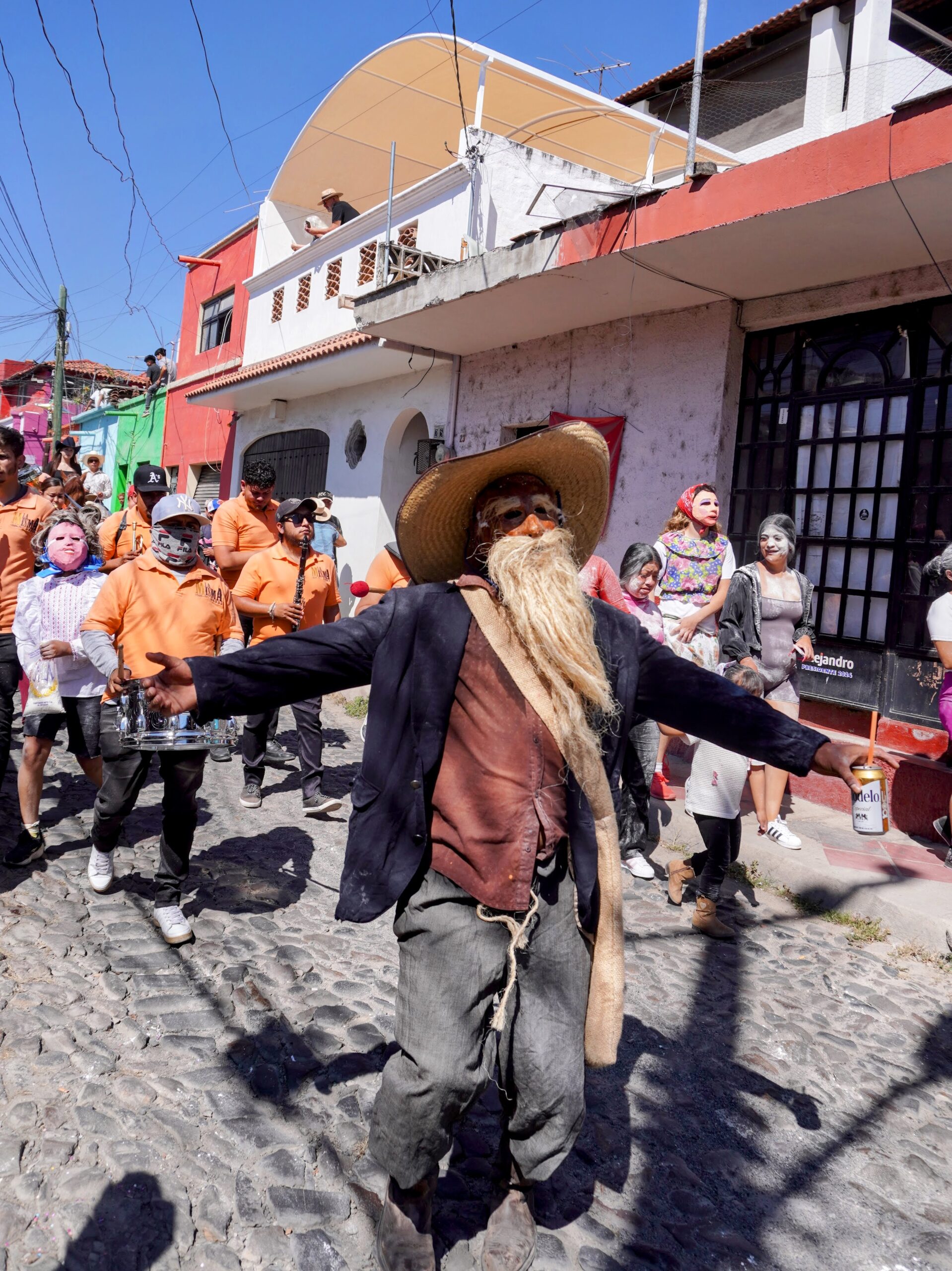
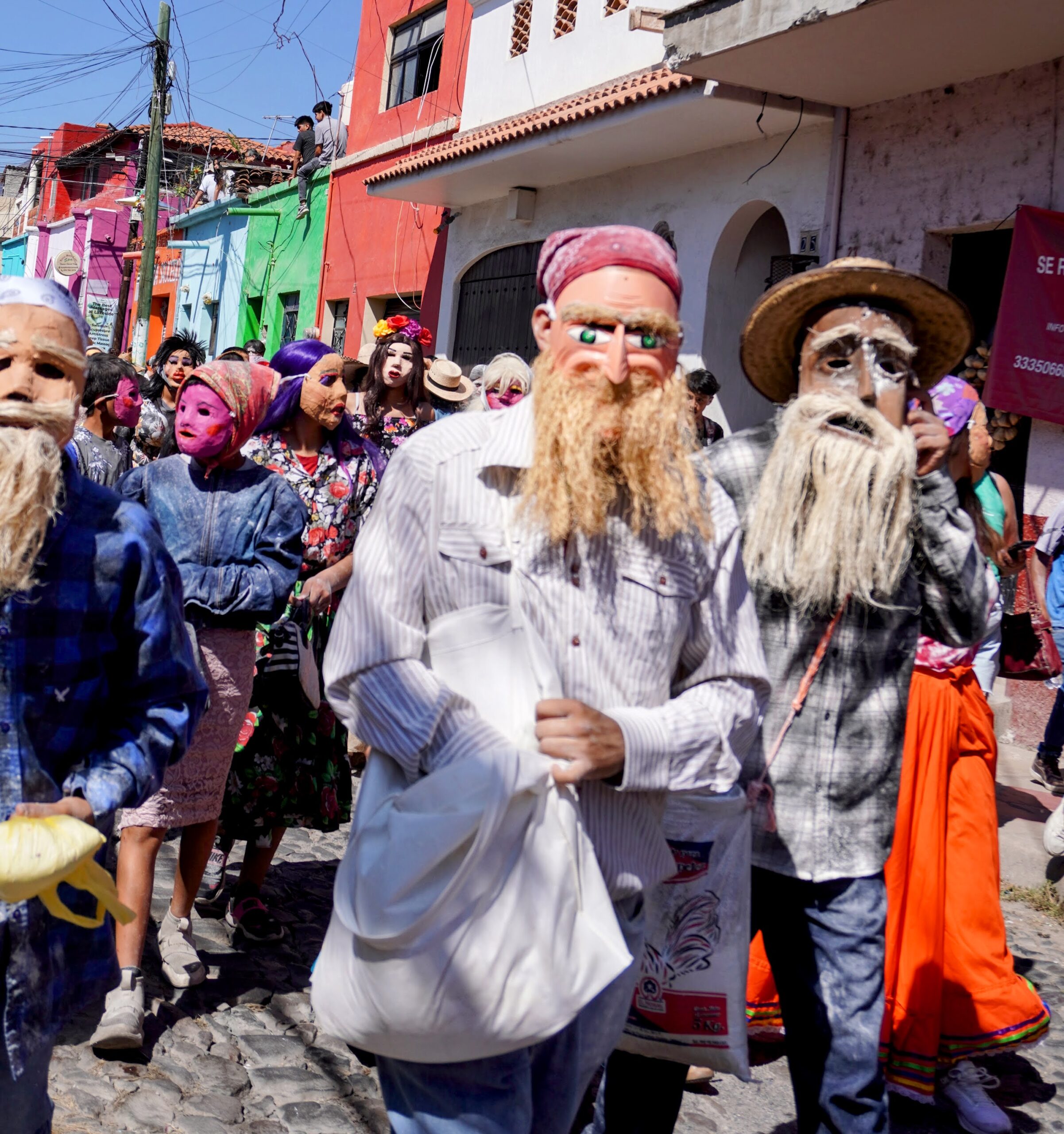
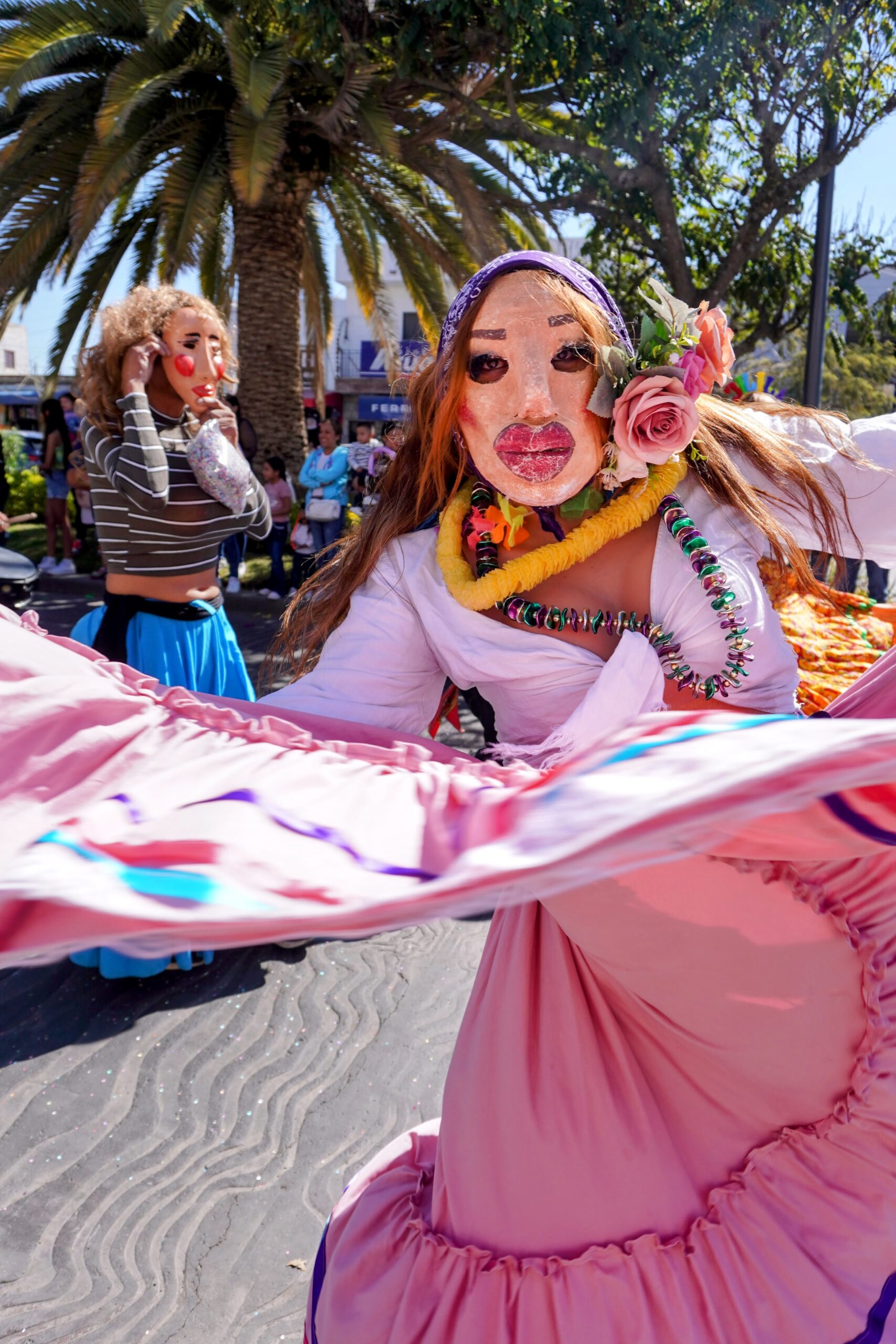
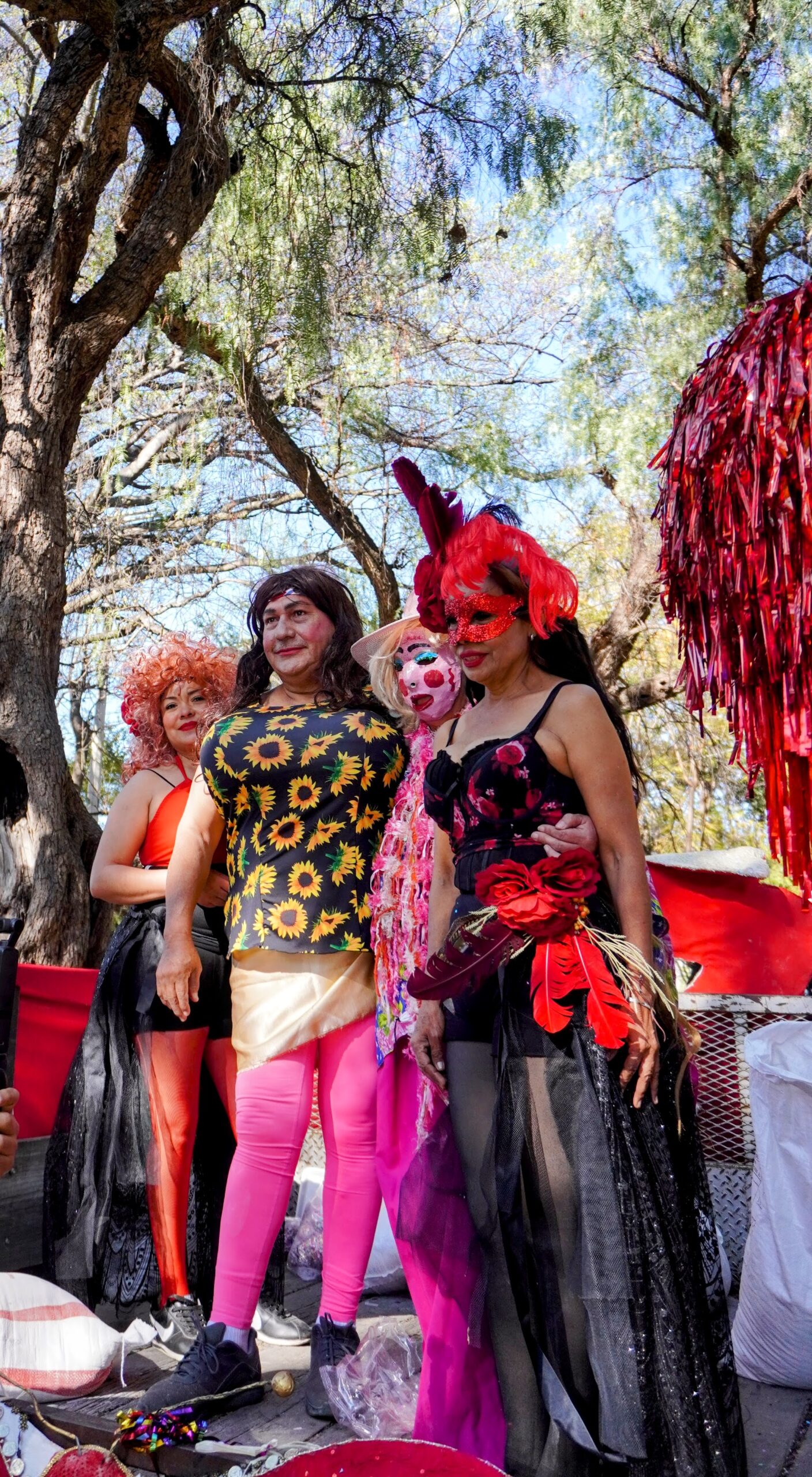
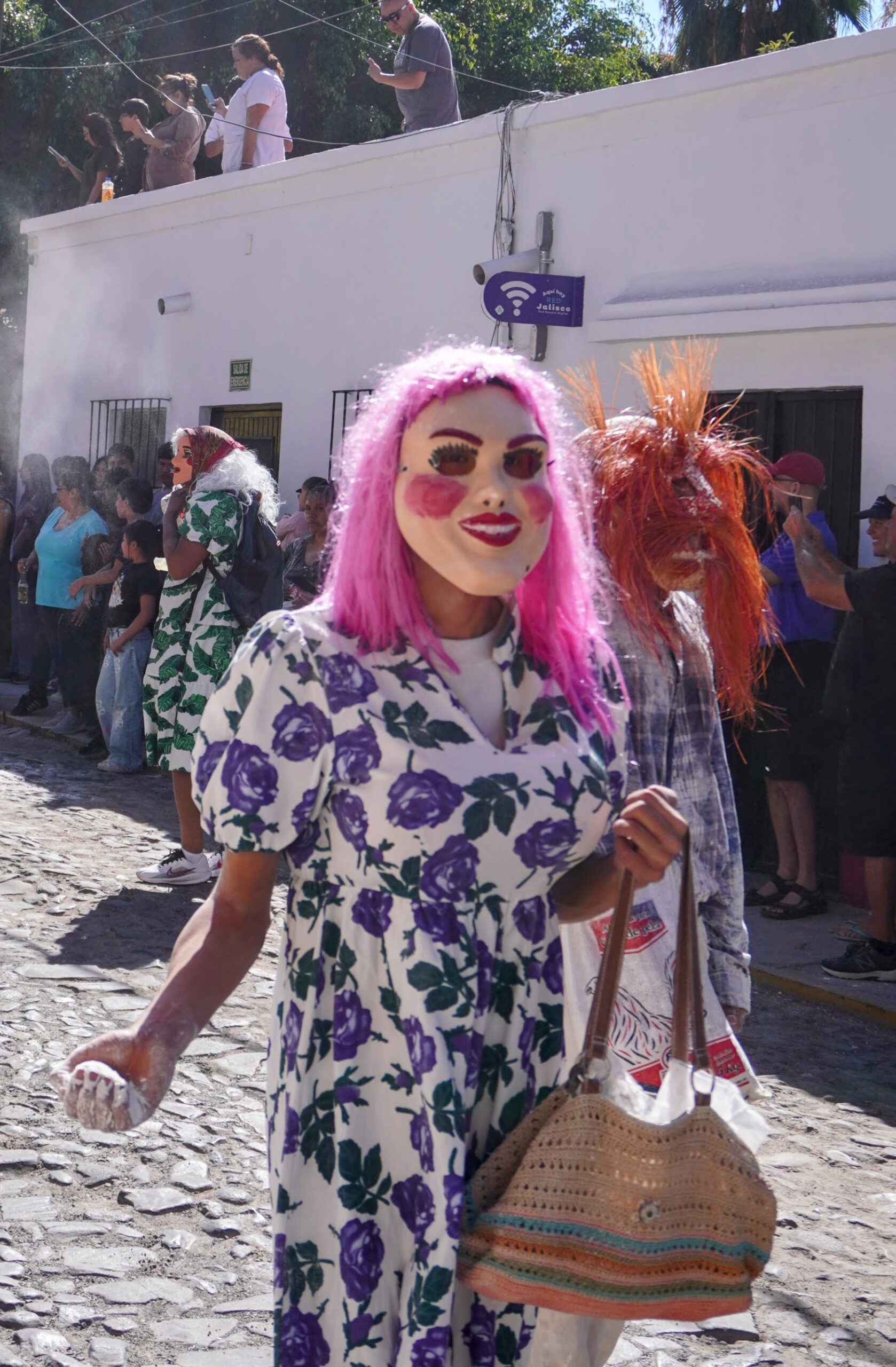
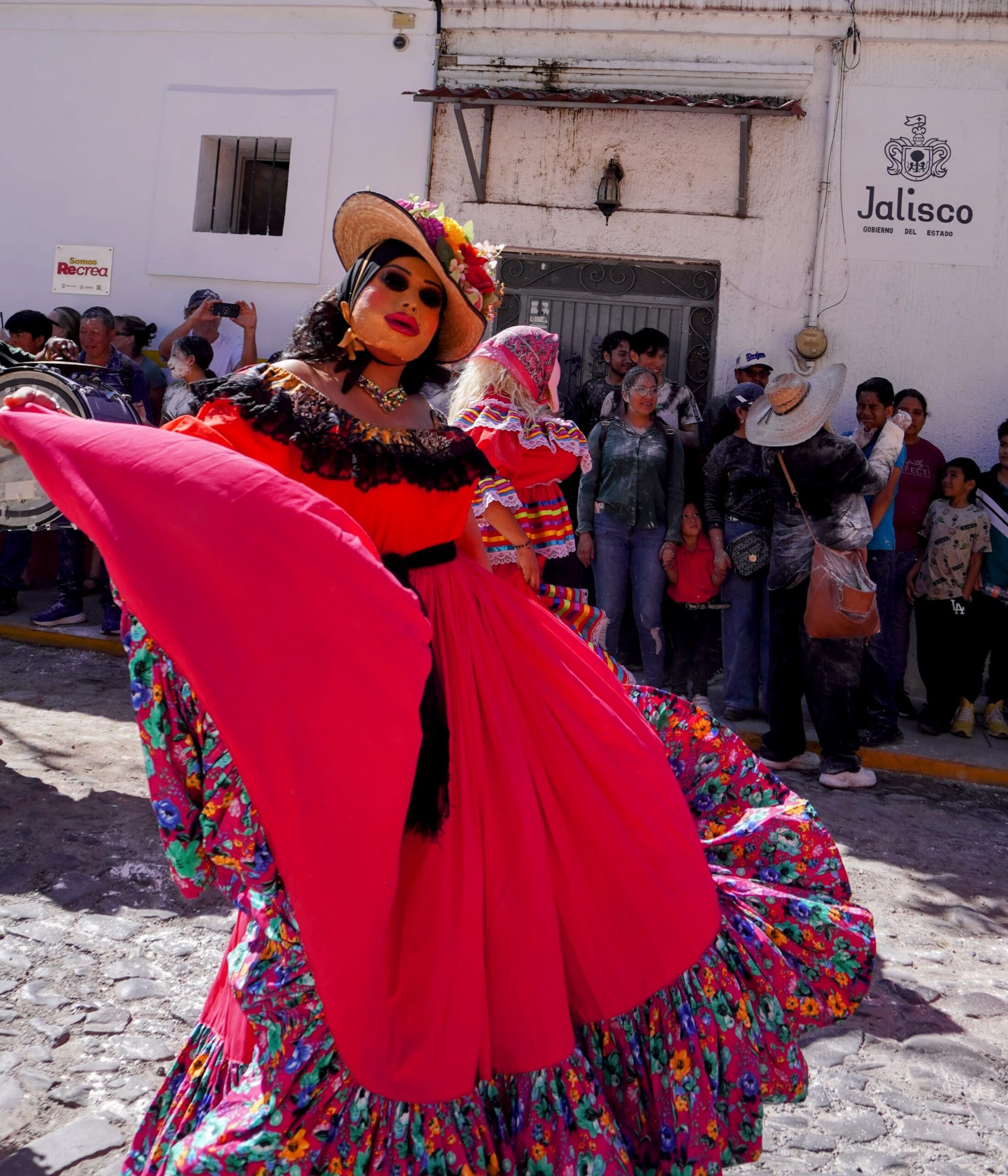
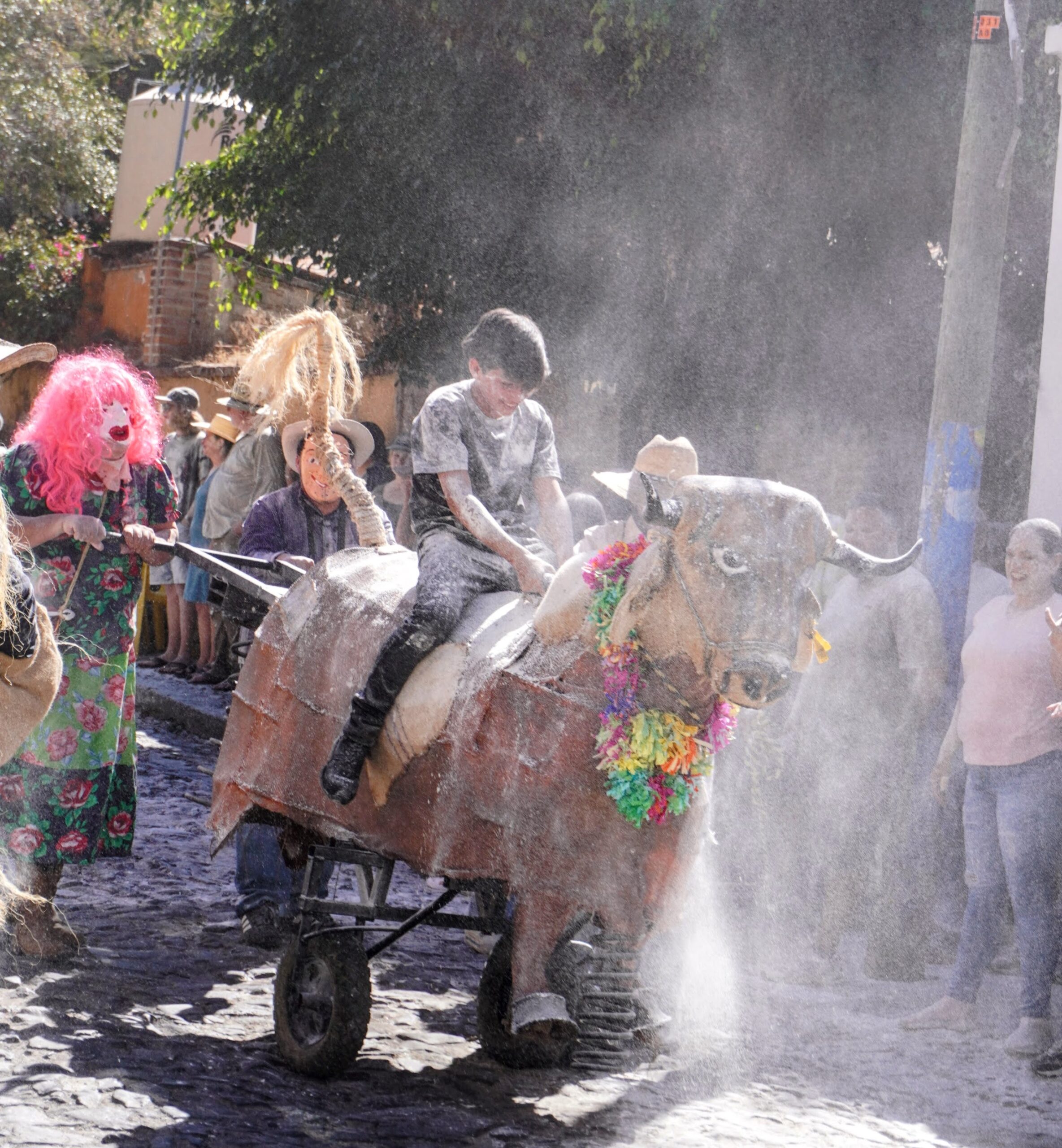
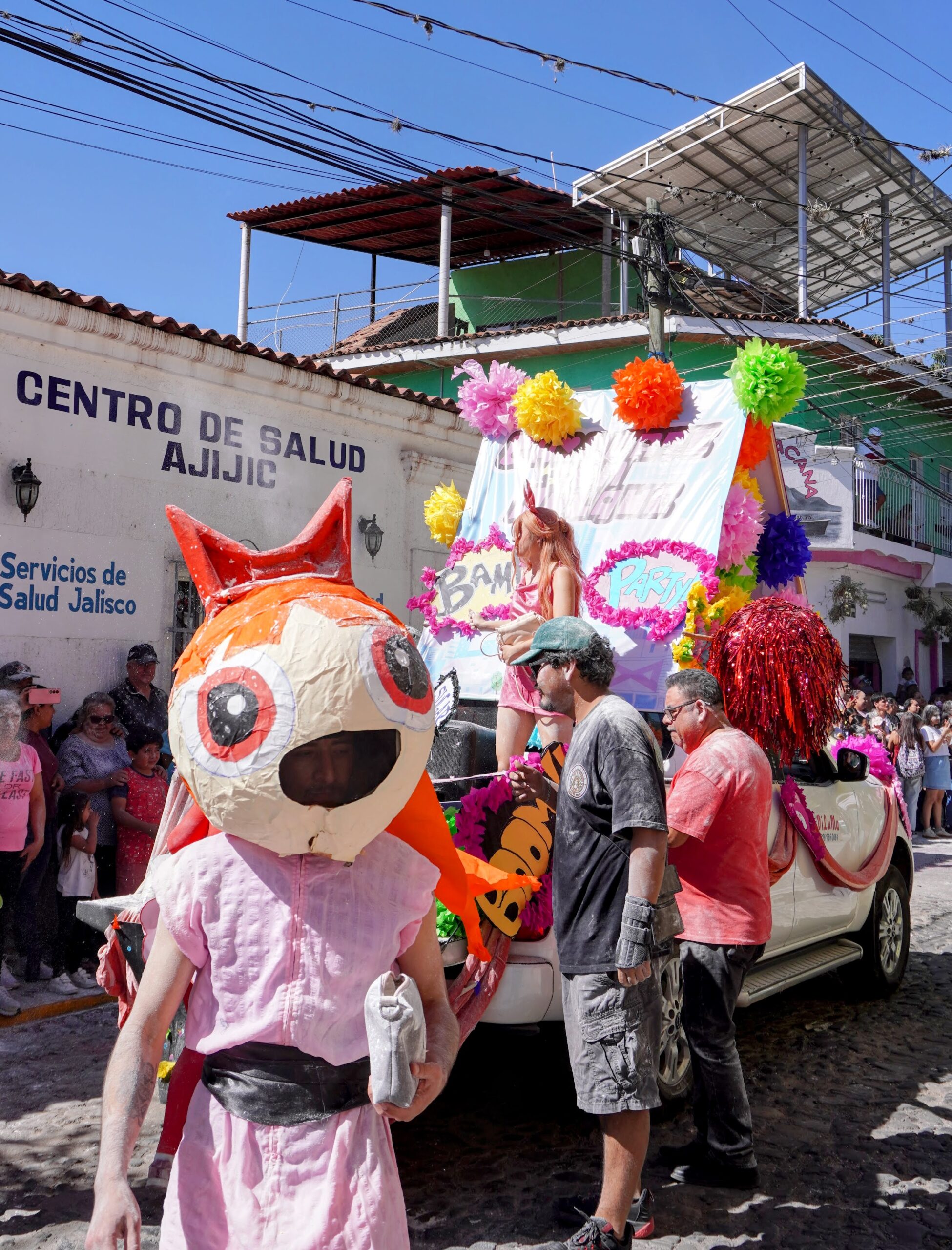
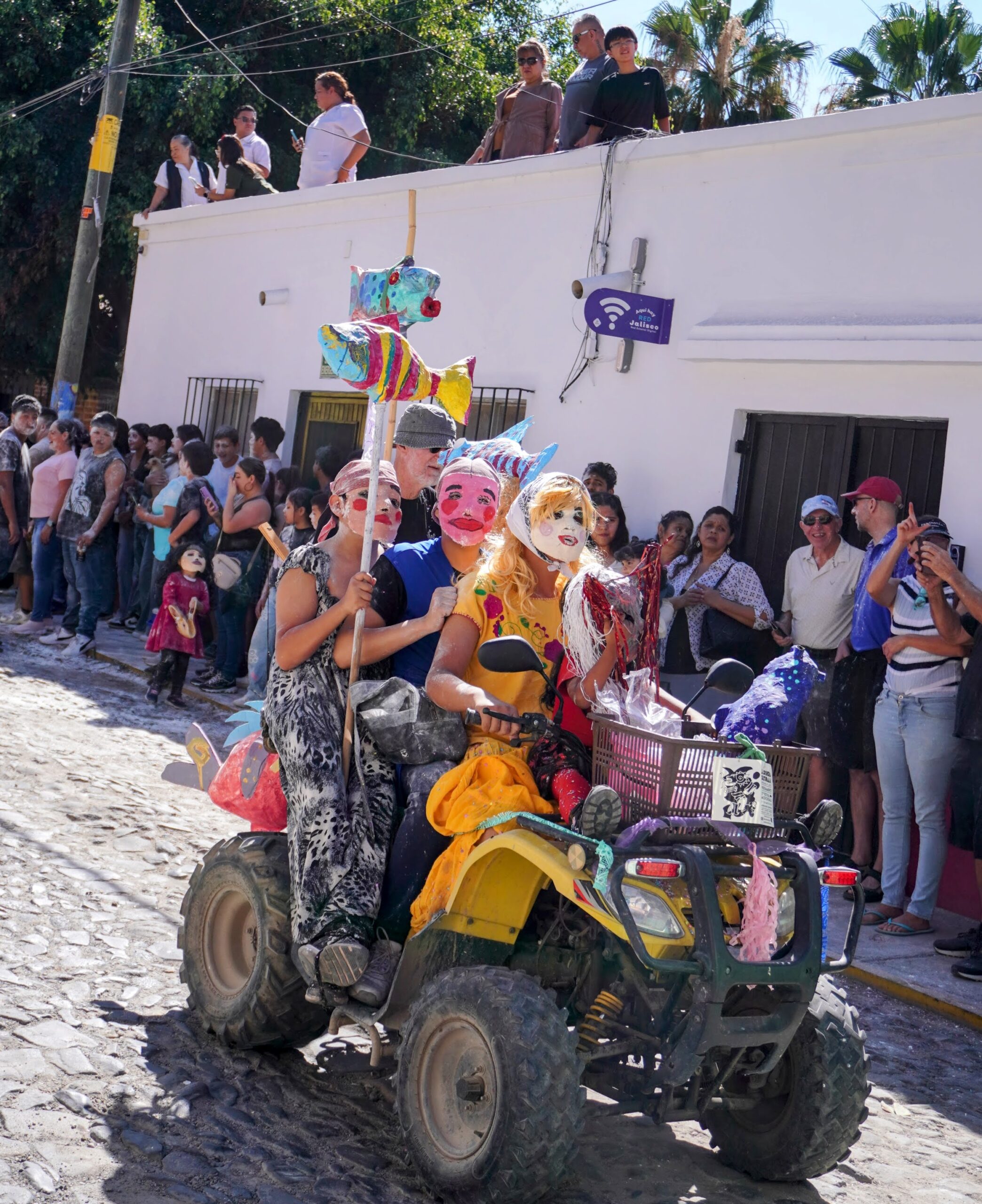
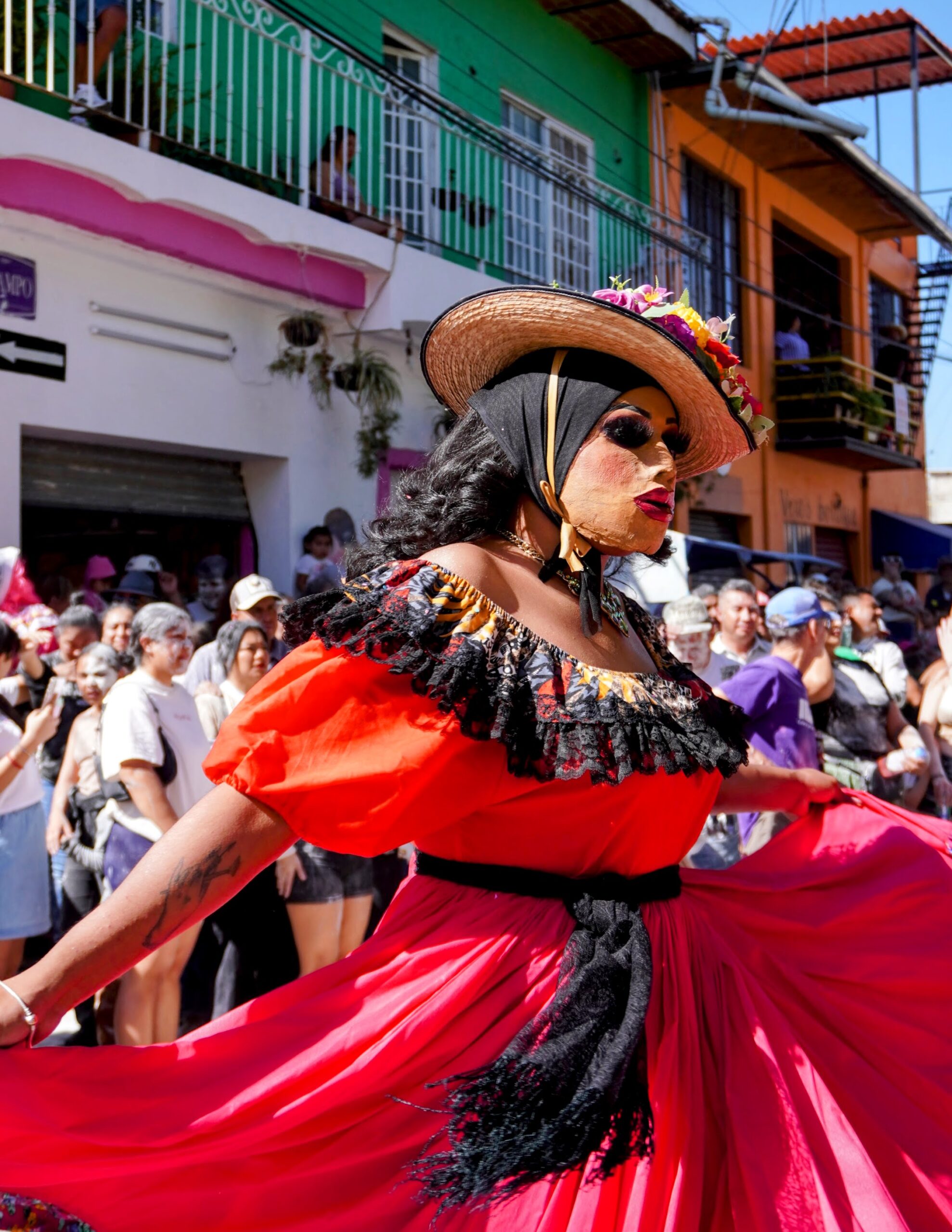
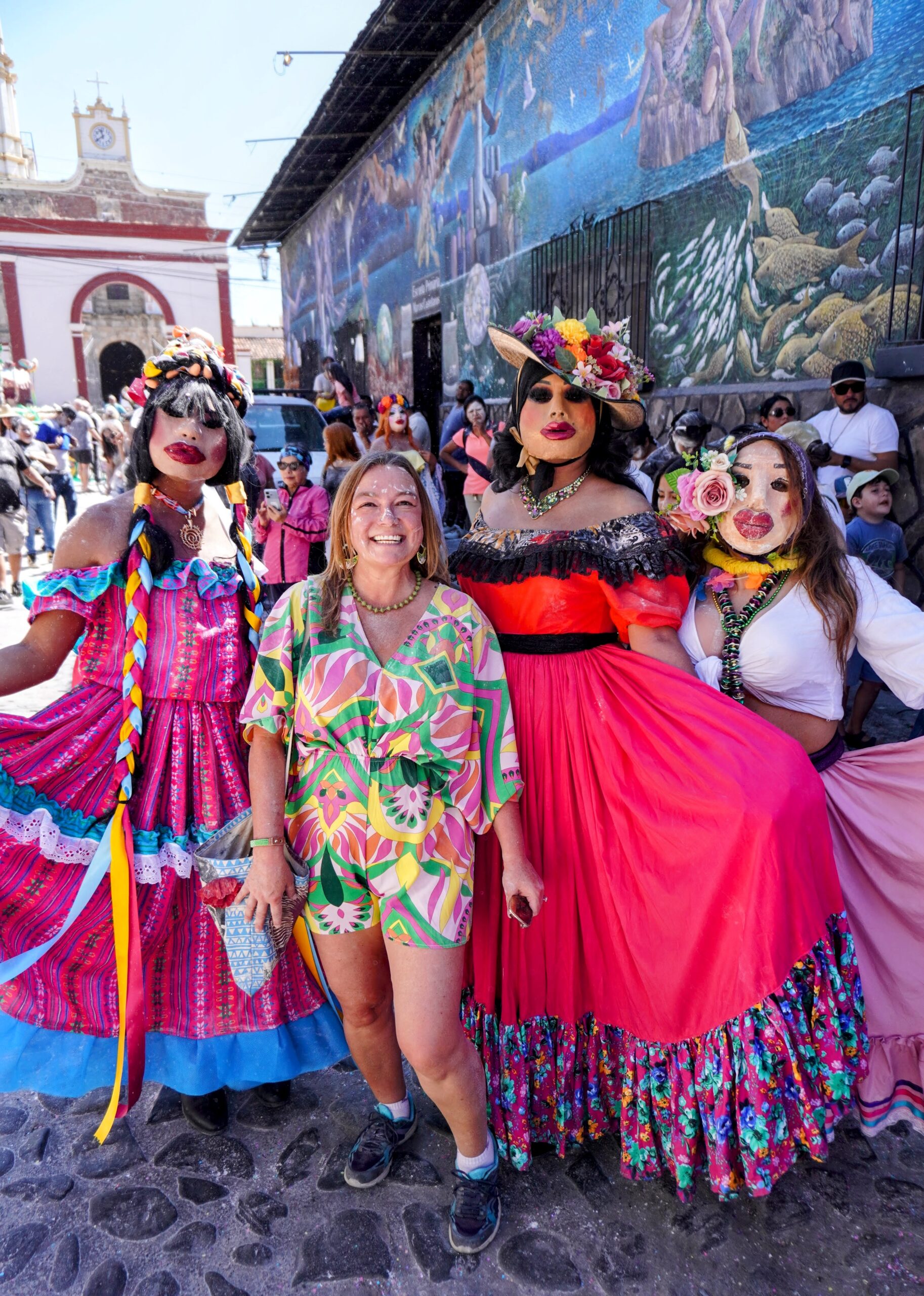
The Sayacas are masked characters rooted in a pre-Hispanic legend native to Ajijic. Today, Sayacas dress in colorful, exaggerated feminine costumes, complete with papier-mâché masks, wild wigs, and shapely balloons tucked under their clothes — all played by locals of all ages and genders. And they come armed with bags of flour.
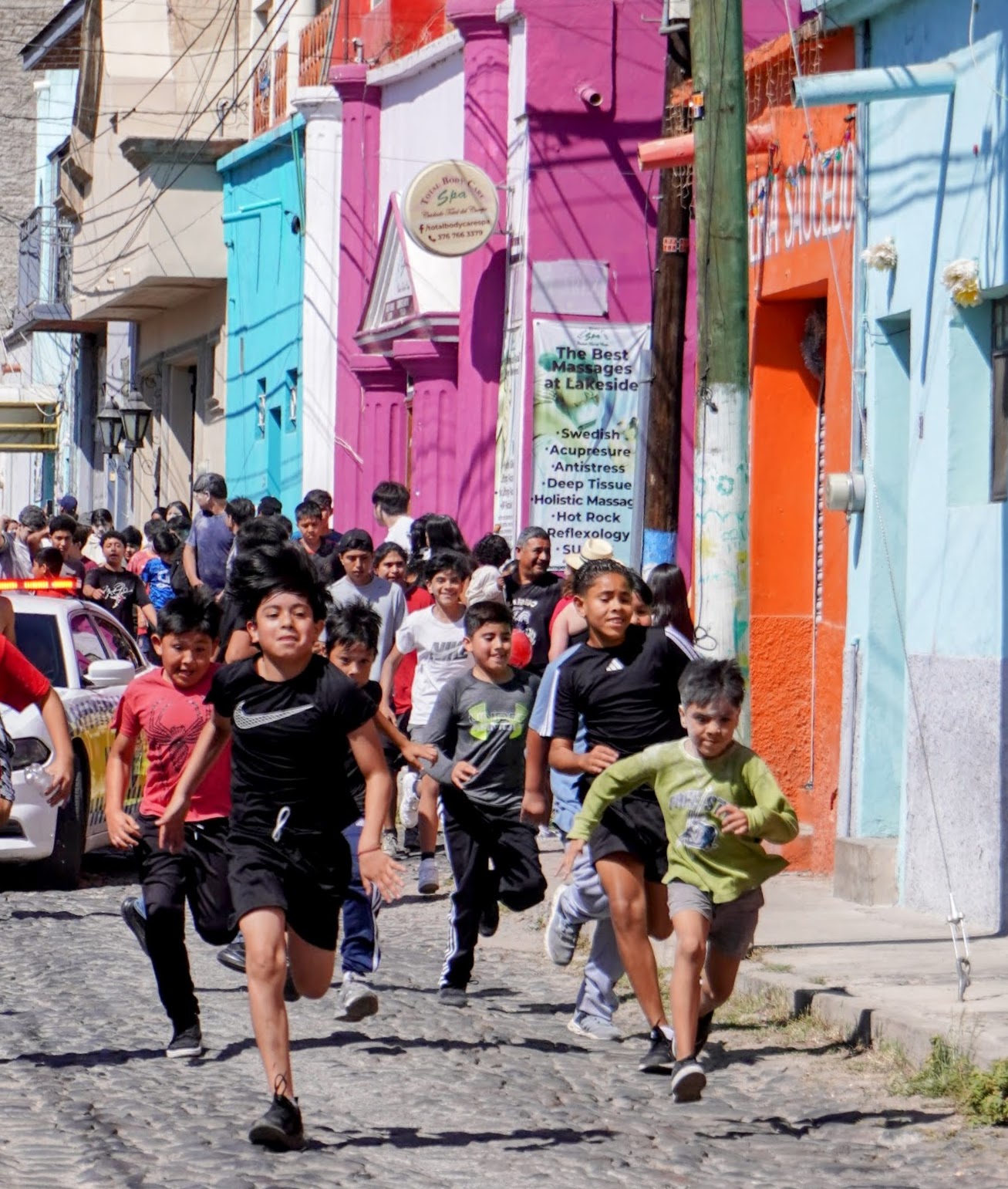
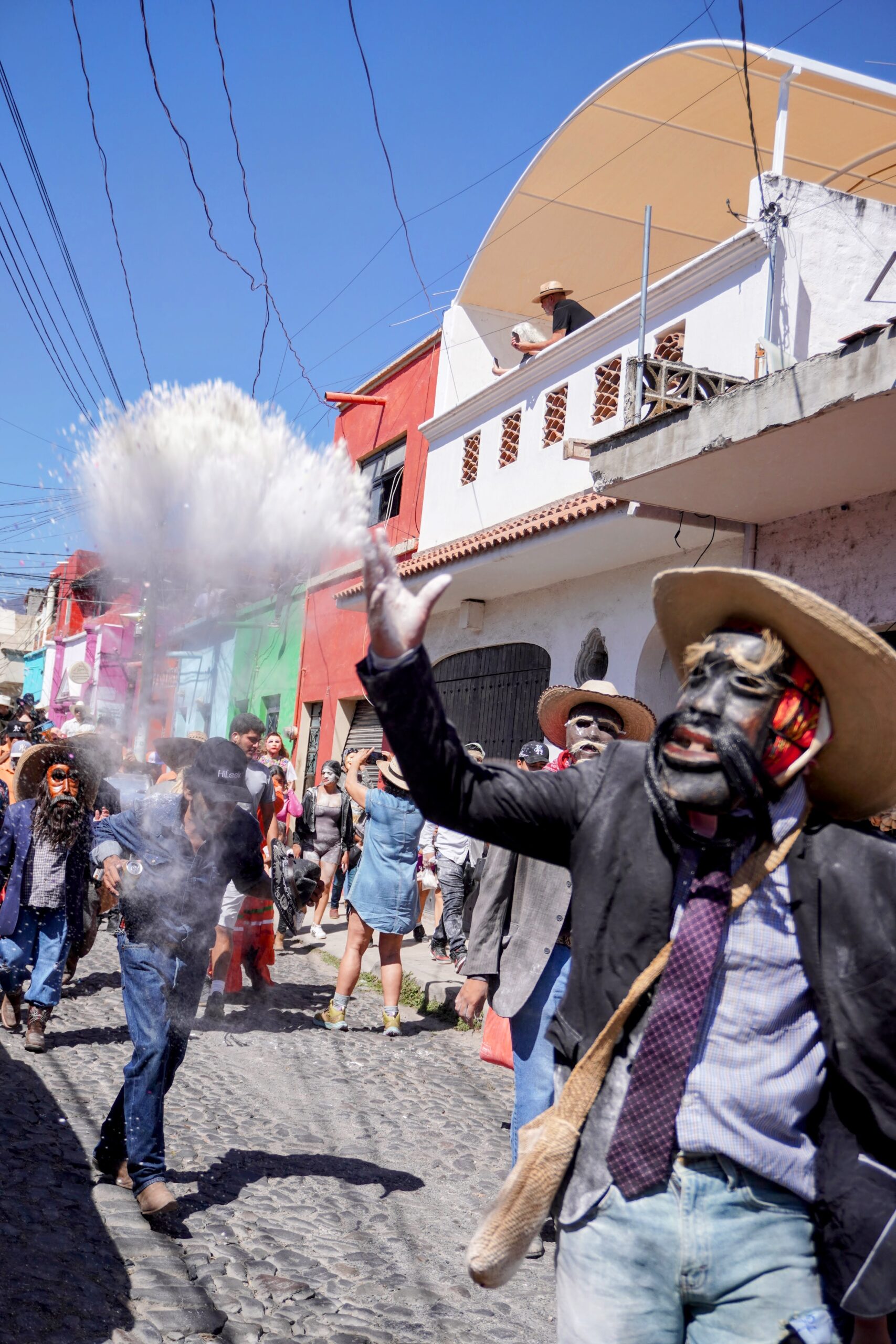
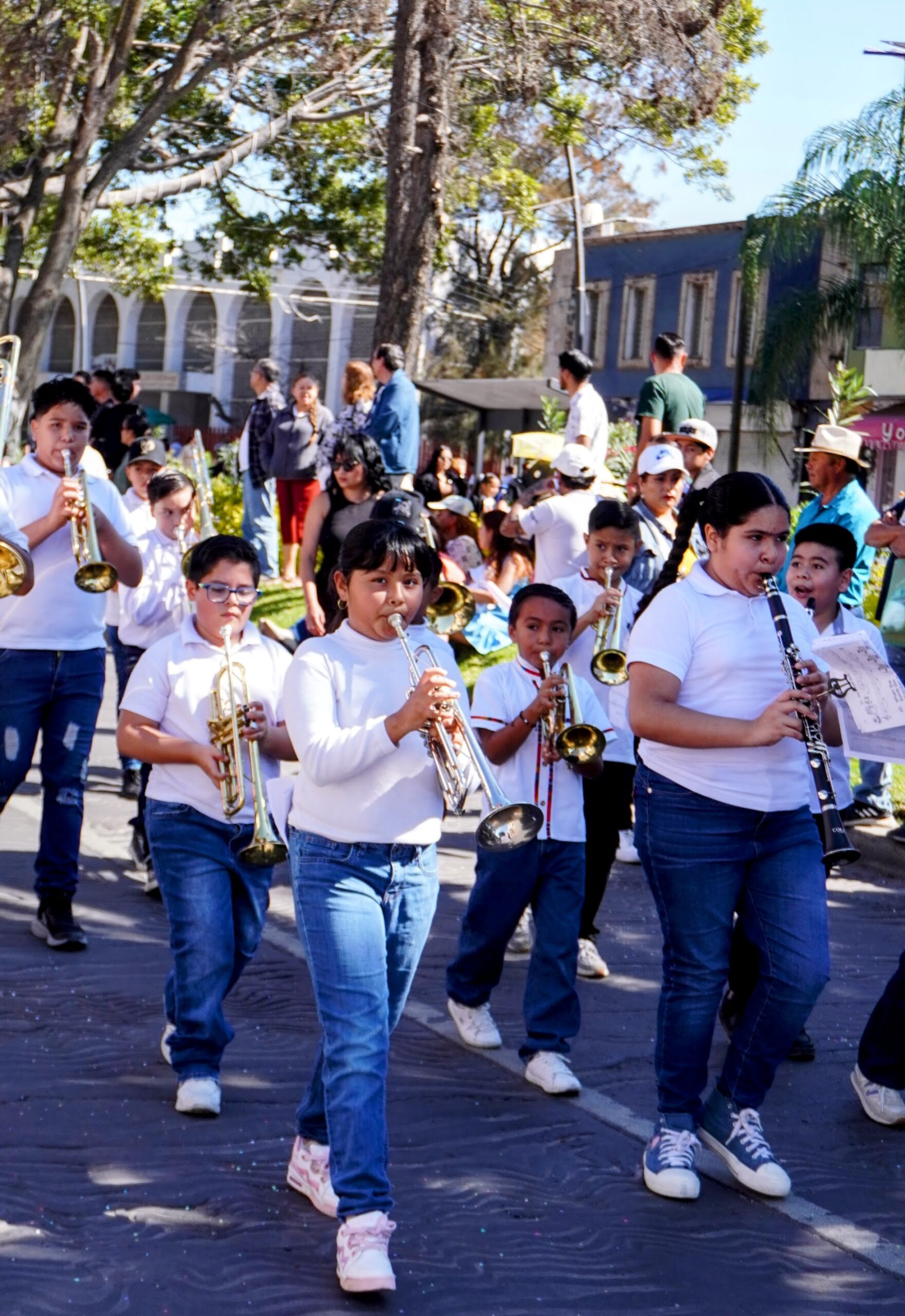
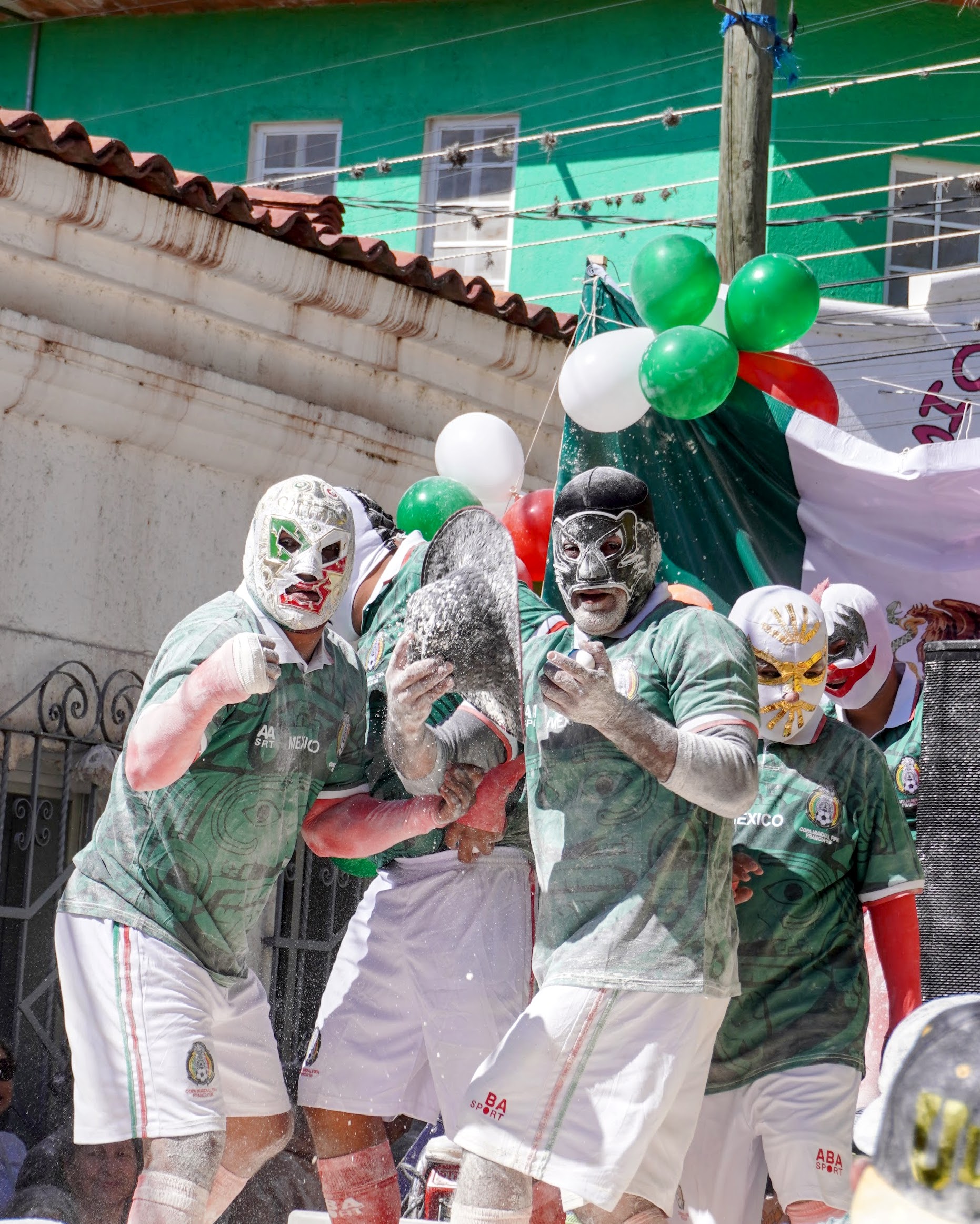
The legend has it that female twin, furious that boys kept running away from her, began throwing ground corn at them in retaliation — and that is how the flour tradition was born. Whatever the origins, the result is spectacular chaos. The Sayacas march through town accompanied by a brass band, dancing and carrying on, chasing children and spectators alike, flinging fistfuls of flour at everyone in sight.
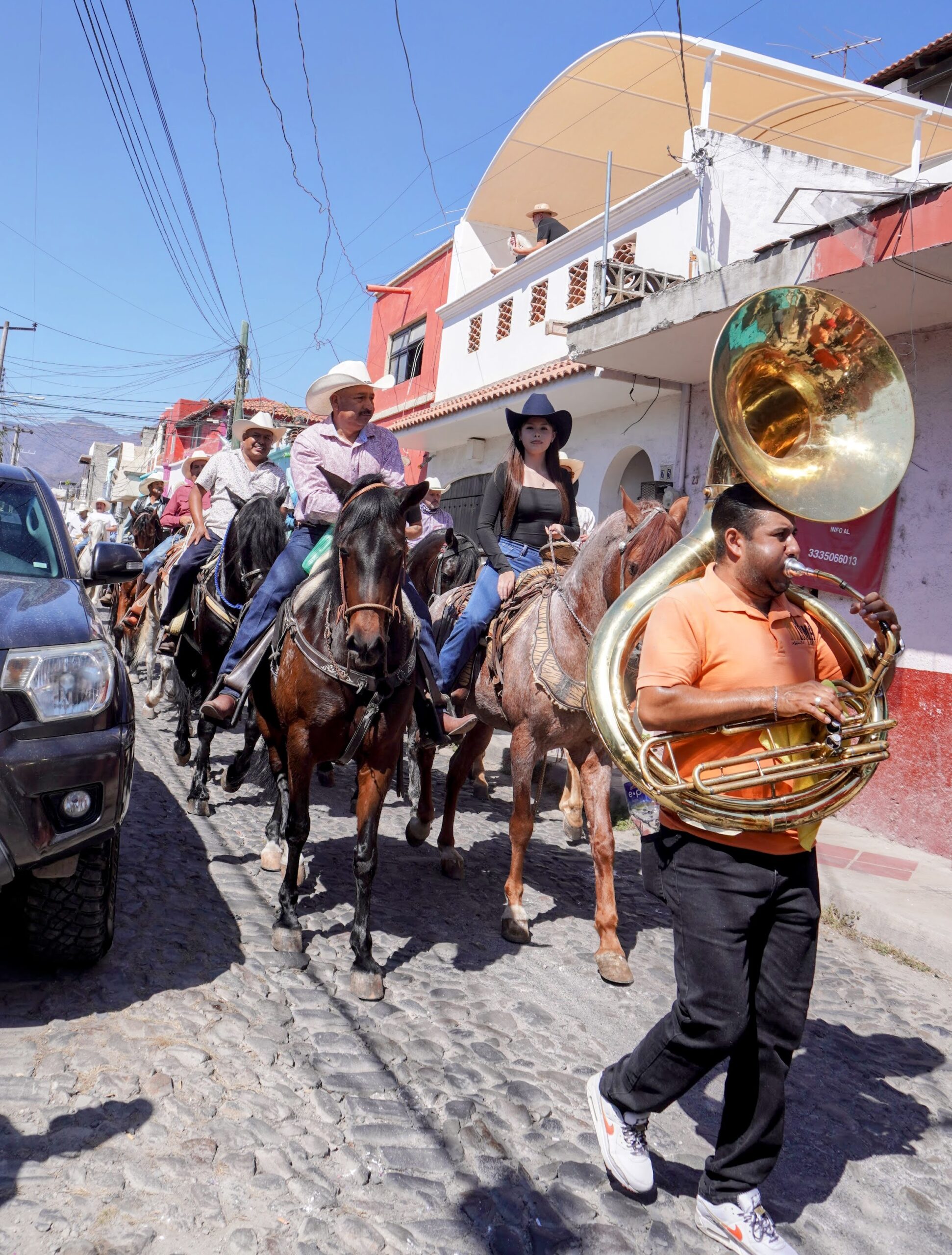
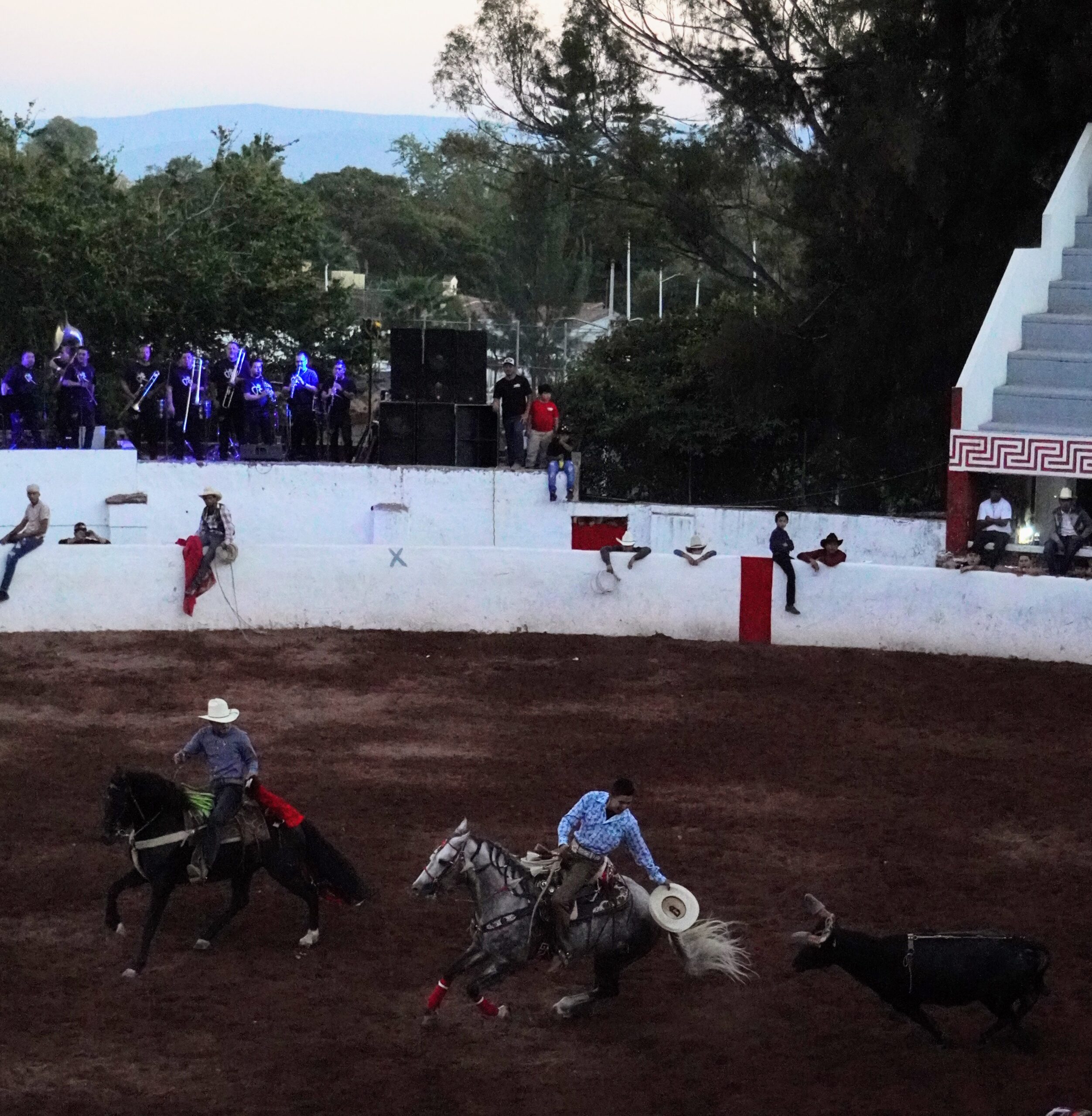
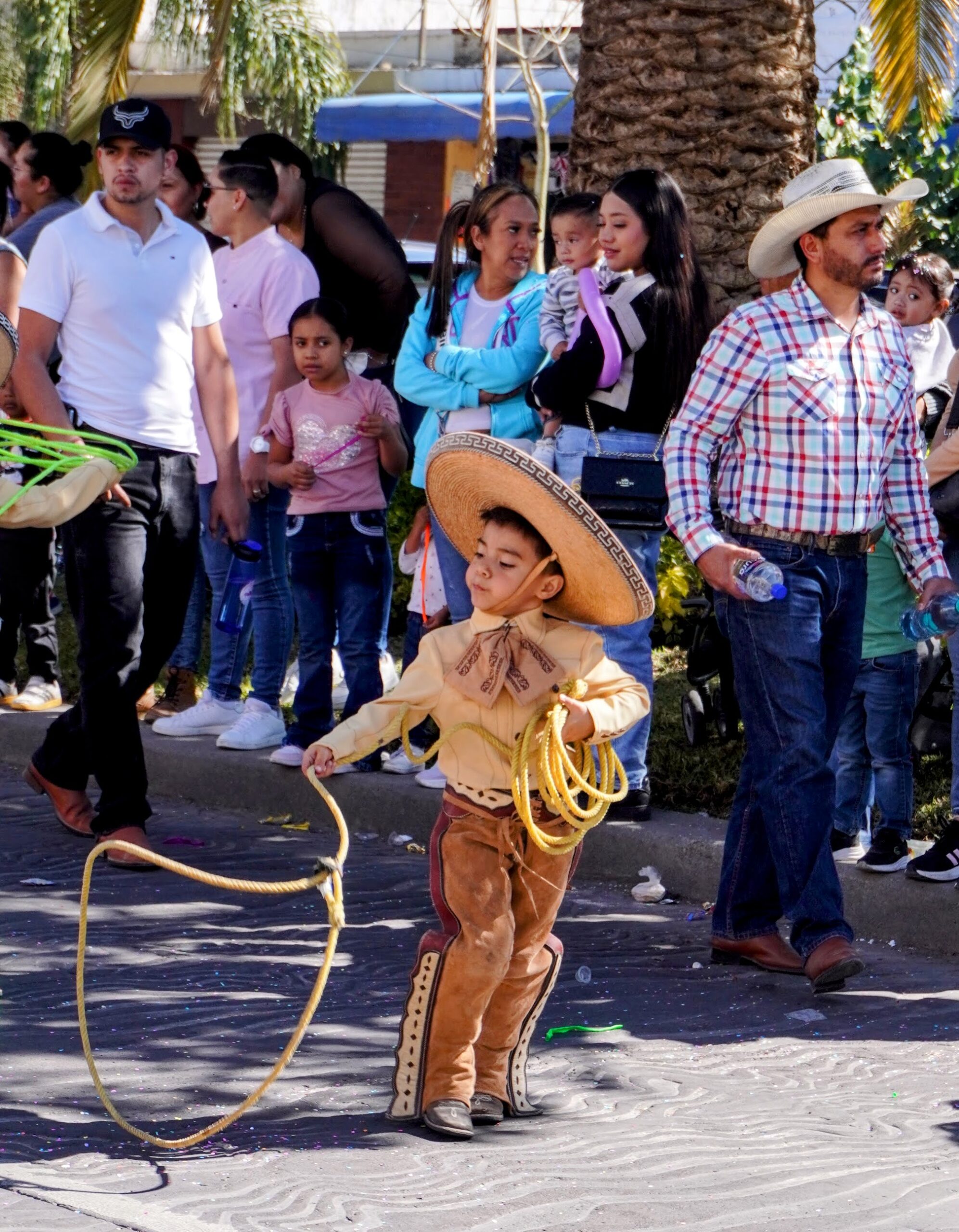
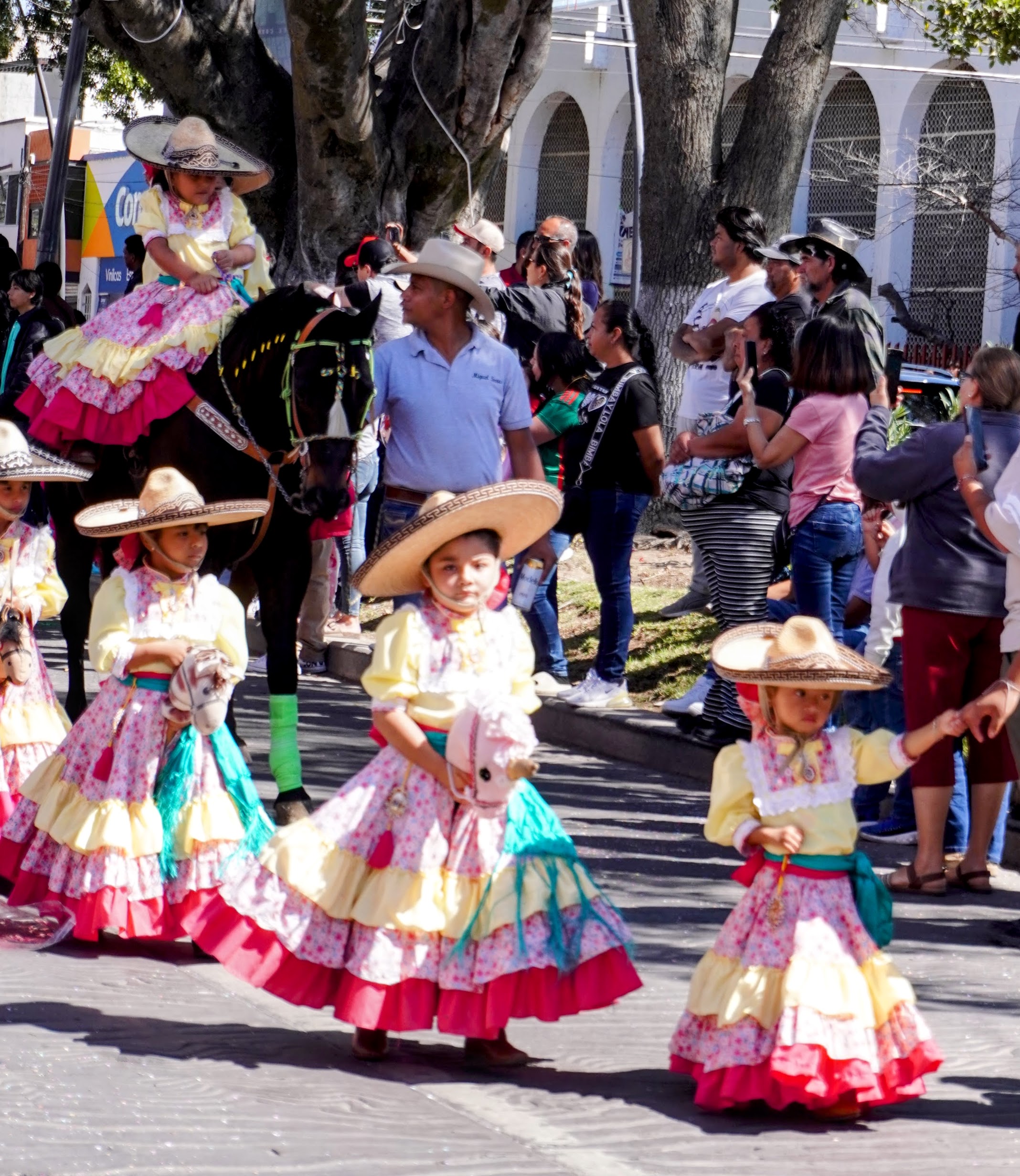
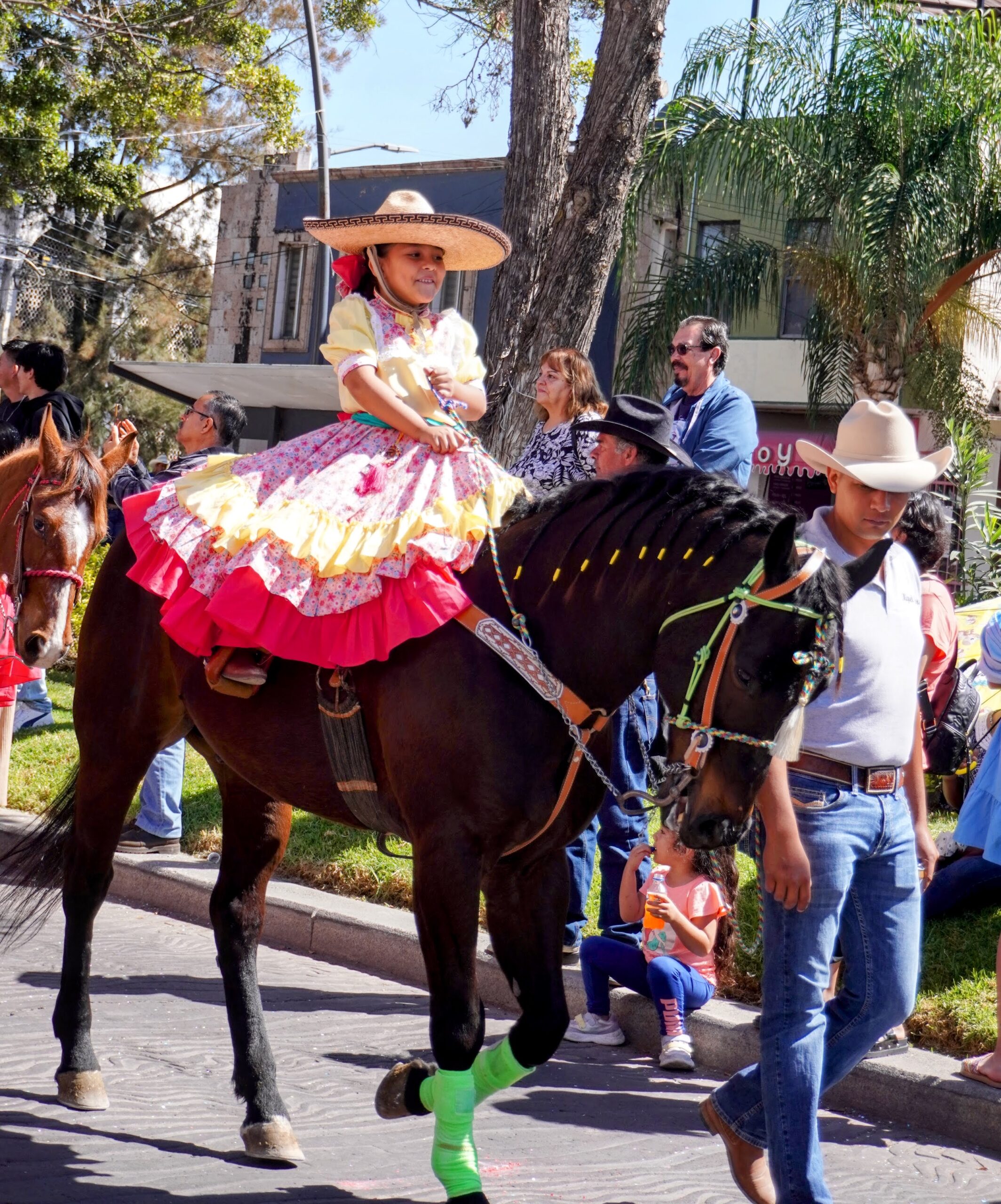
That same evening, there was a bit of a rodeo at the Lienzo Charro — a jaripeo, with bull riding and charro horsemanship that’s been part of Ajijic’s Carnaval tradition for over 150 years. It was interesting to witness, deeply rooted in local culture, though I’ll confess I spent most of it quietly rooting for the bulls.
The Main Parade in Chapala
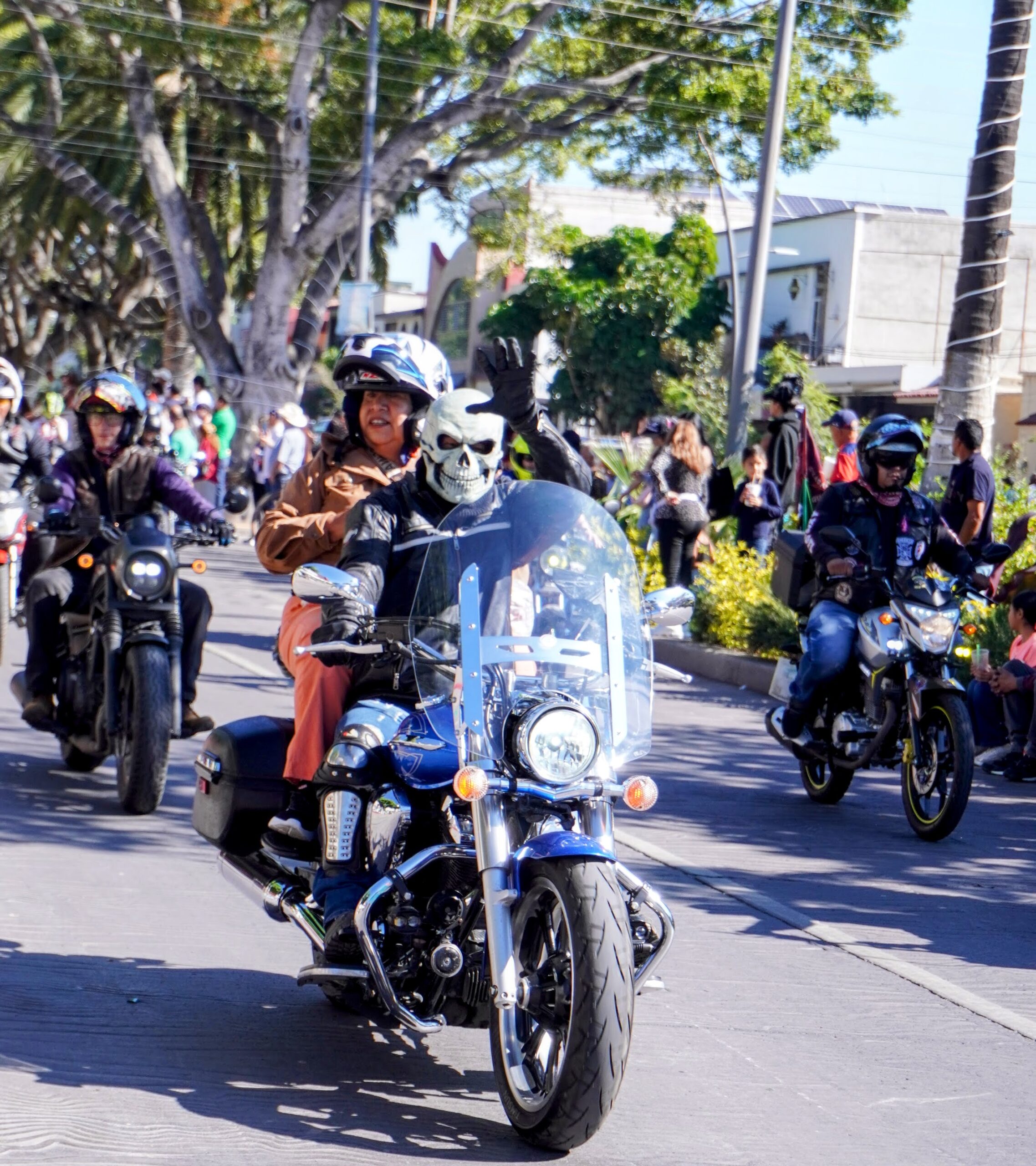
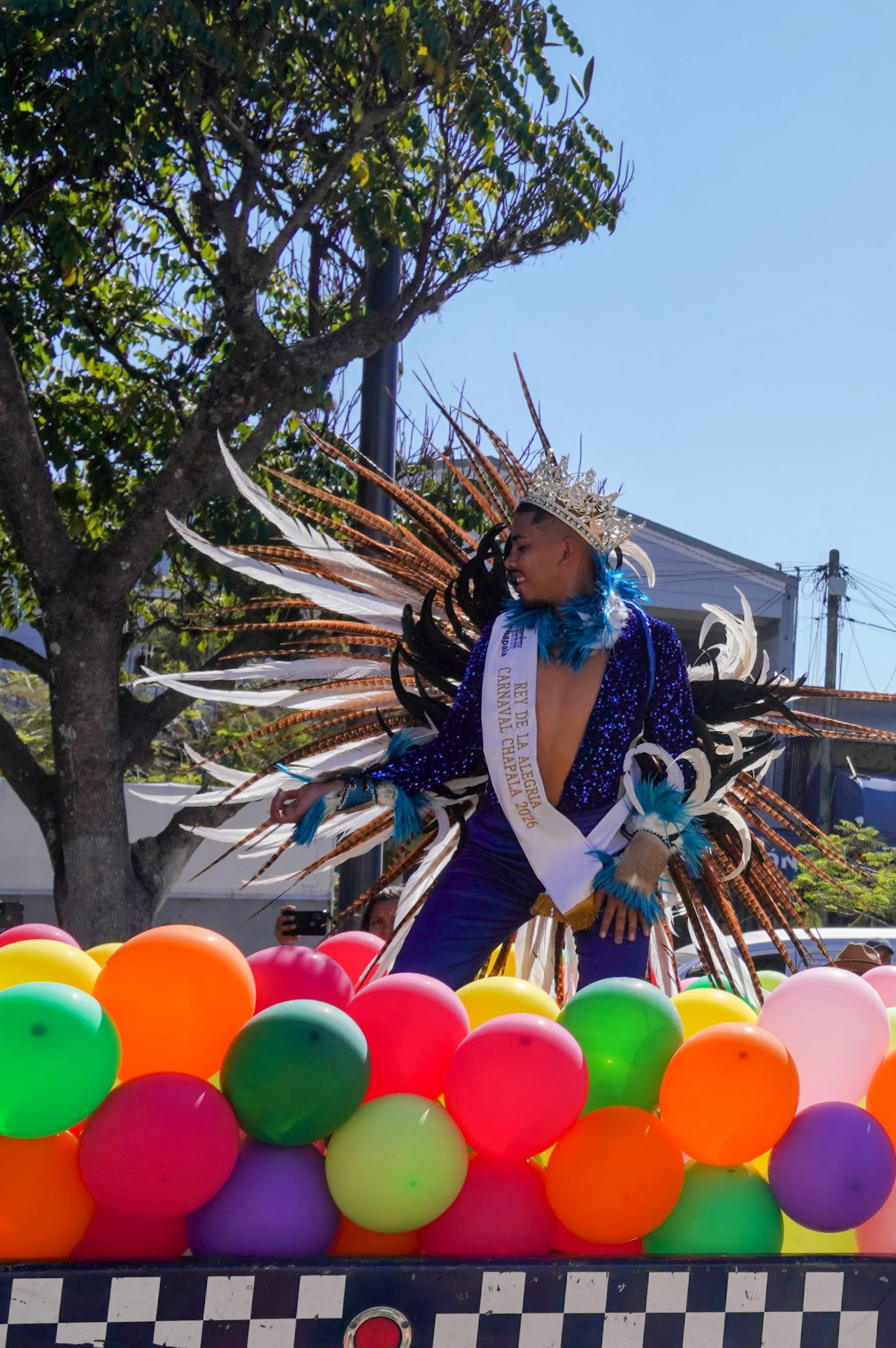
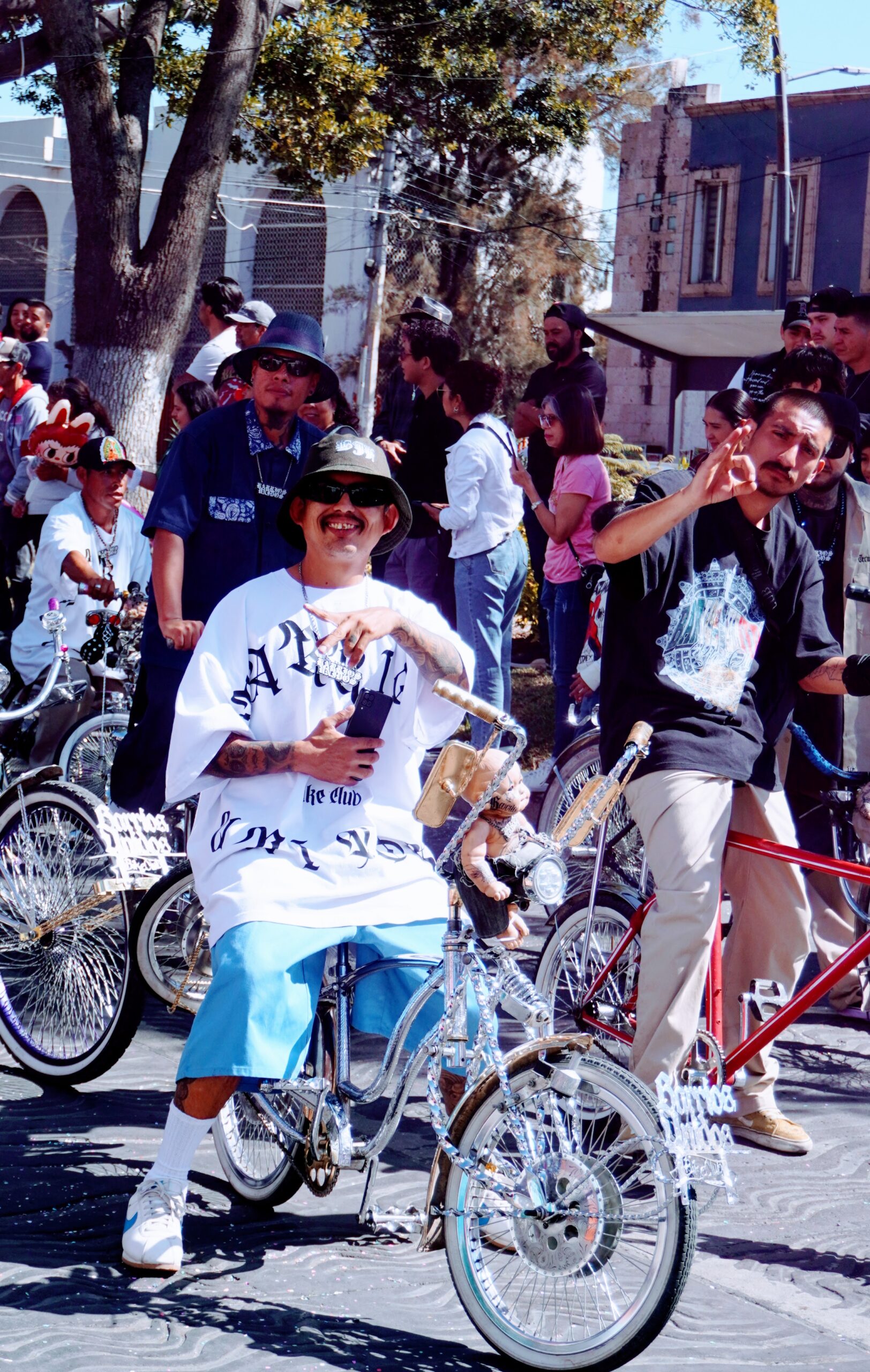
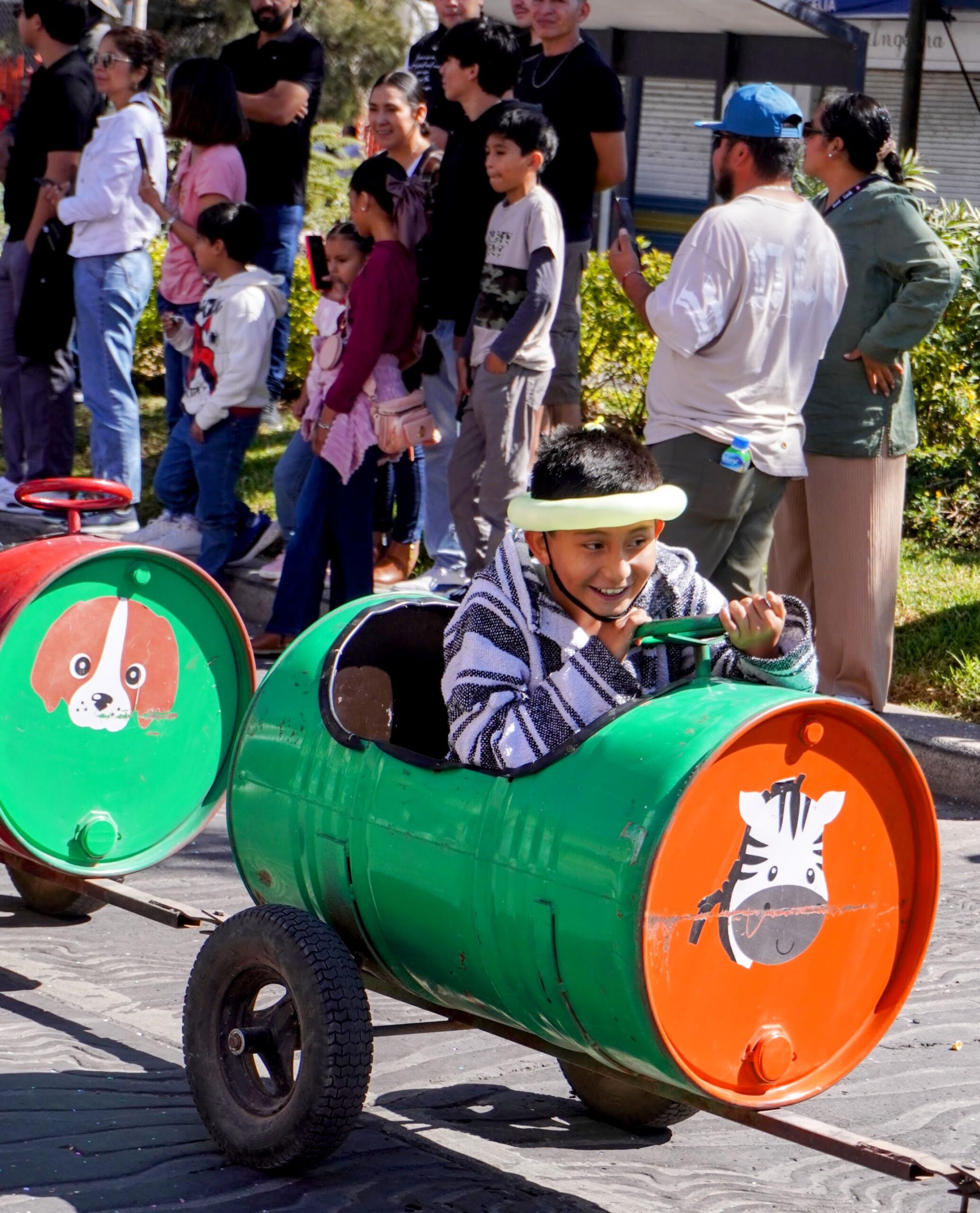
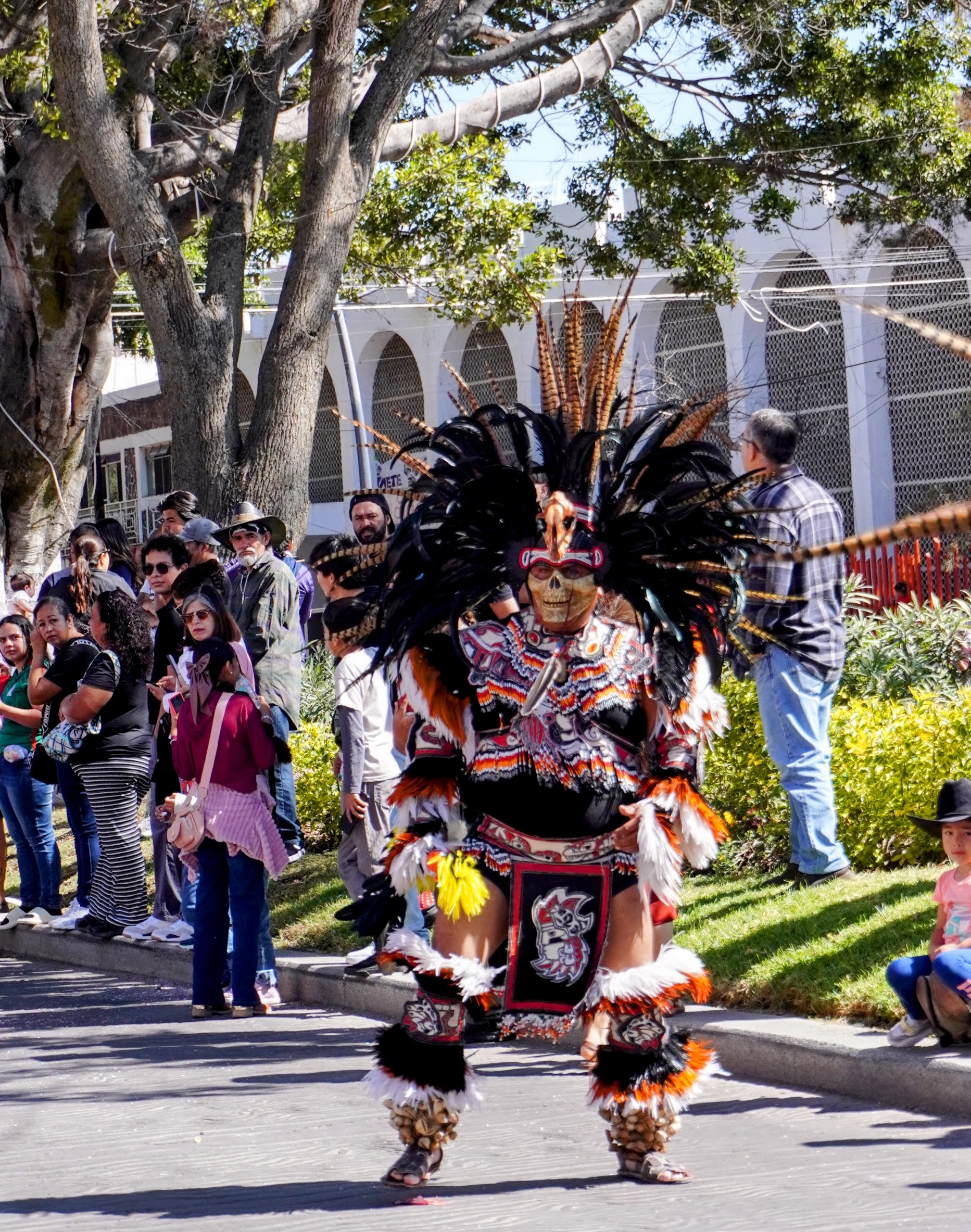
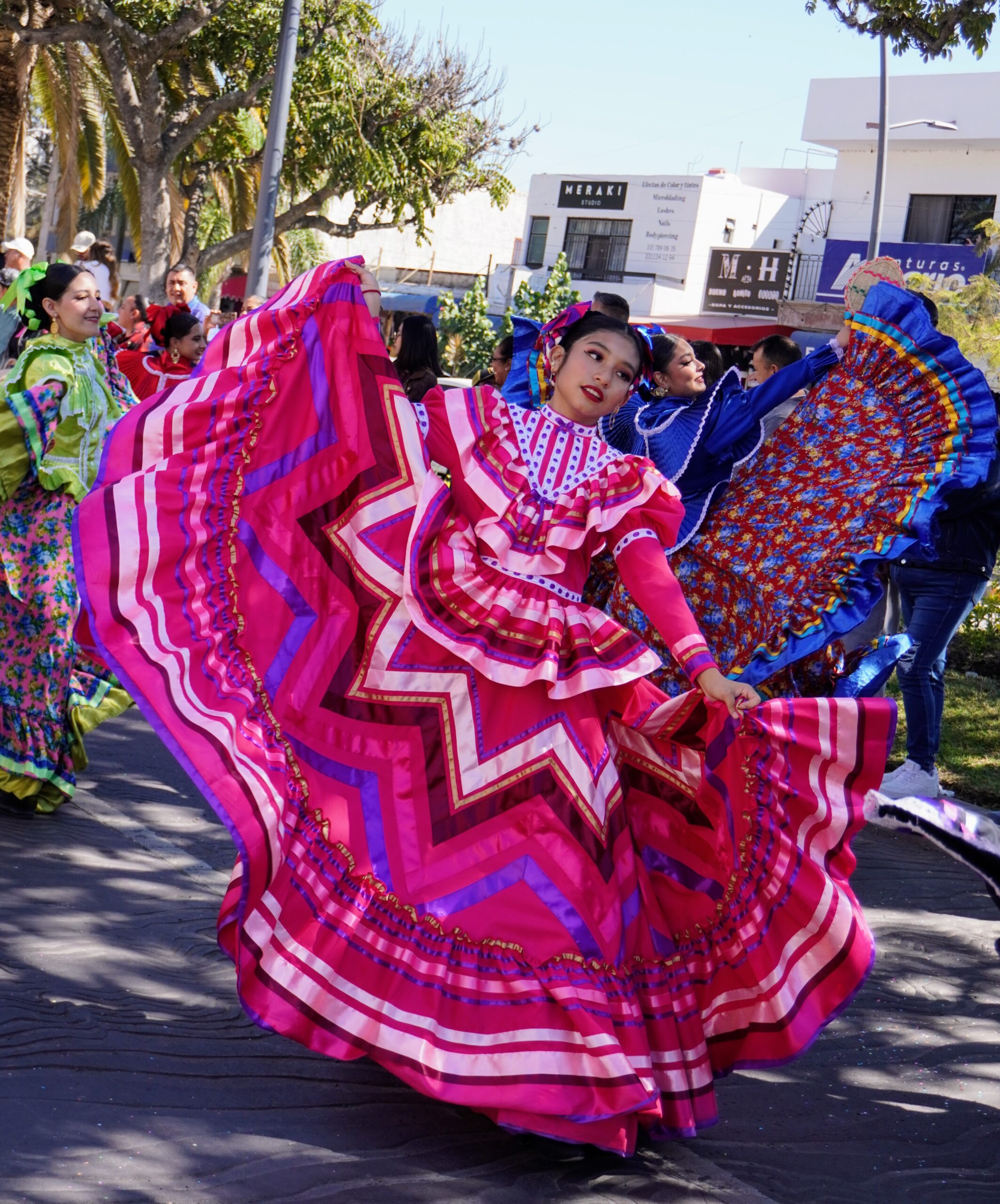
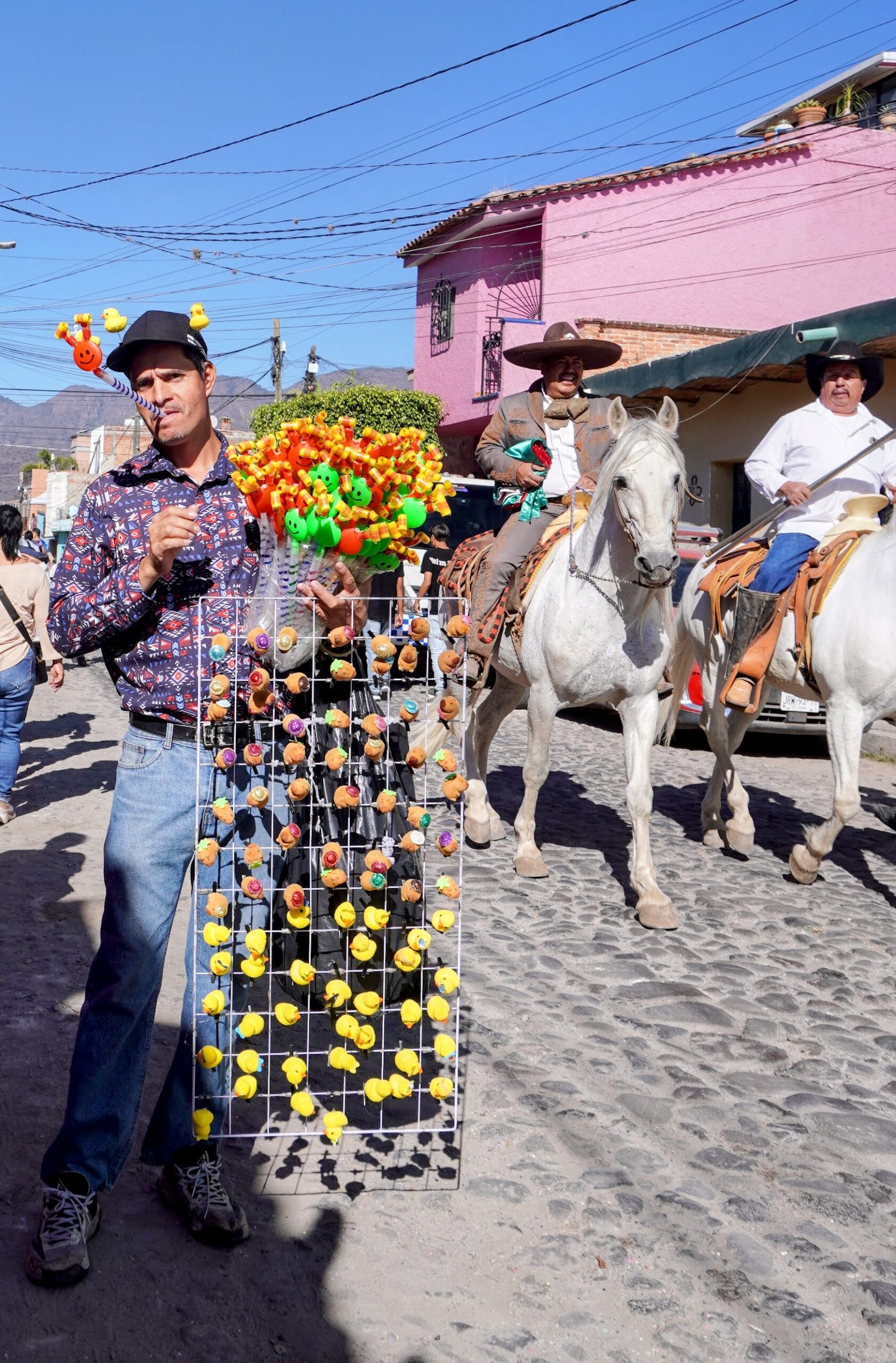
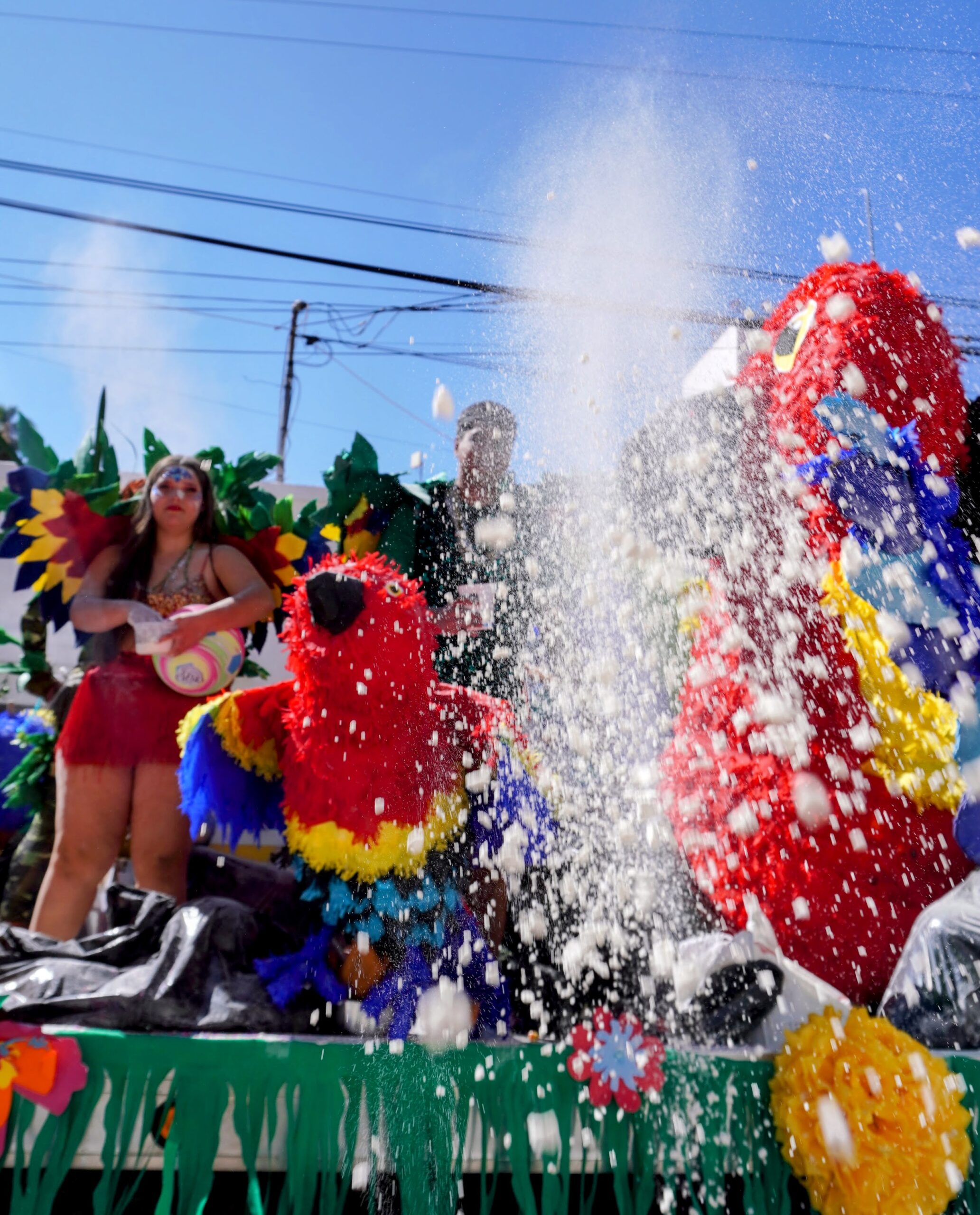
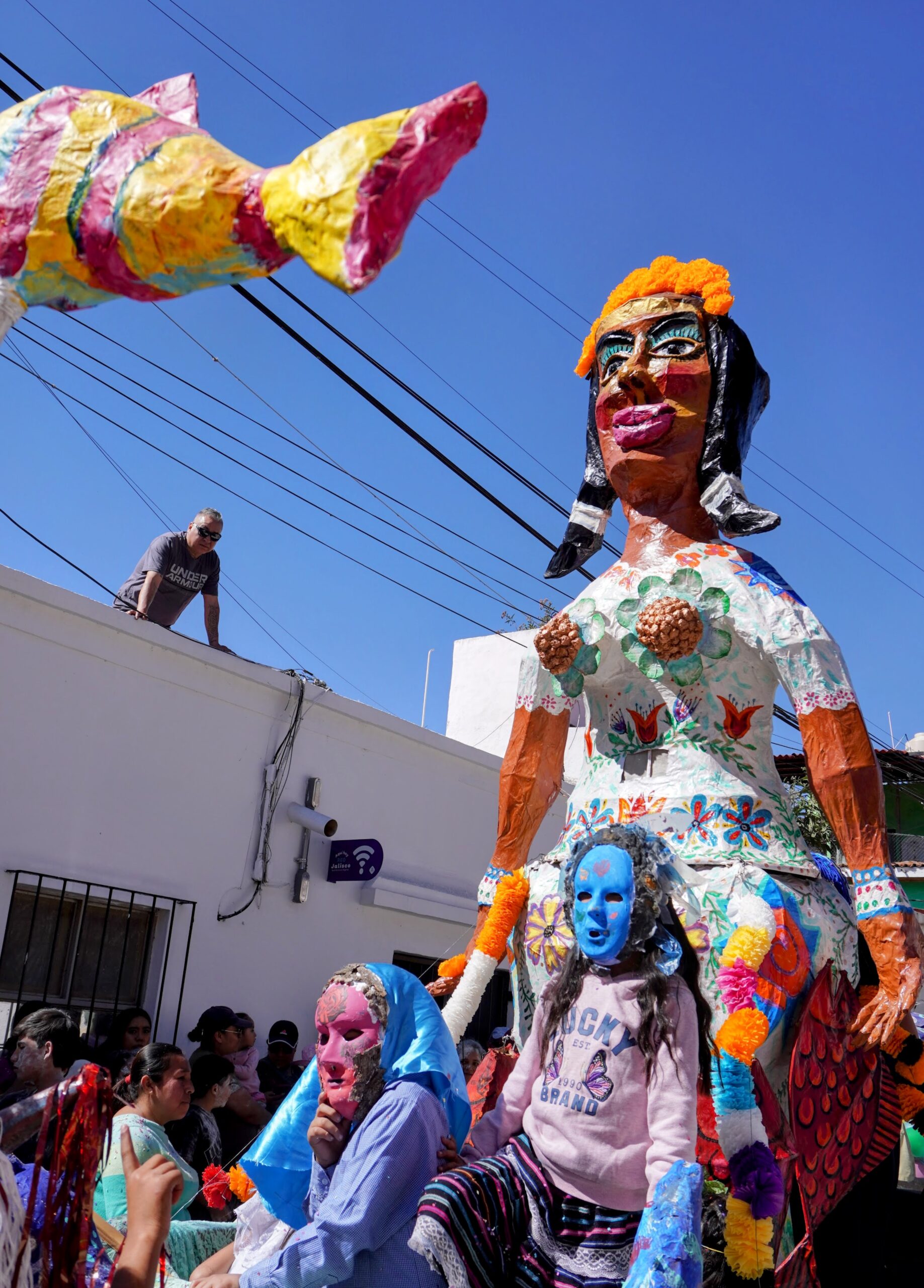
The big Chapala parade did not disappoint. It opened with a thunderous motorcycle procession that you felt before you saw — hundreds of bikes rolling through in formation. Then came the floats, the music, the color. The spirit of the whole thing was infectious!
Gran Silencio on the Big Stage
Back at Cristiania Park, one of the real highlights of Carnaval season was catching El Gran Silencio on the main stage. They are a beloved Mexican ska and fusion band out of Monterrey — high energy, eclectic, the kind of music that you can’t help but dance to. The crowd was electric, the night was warm, and the whole thing felt like exactly the kind of experience you move to Mexico hoping to stumble into. Loud, joyful, communal, and completely alive.
Martes de Carnaval: The Flour Finale in Ajijic
And then came Tuesday. Mardi Gras. Martes de Carnaval. The main event in Ajijic.
I knew there would be flour. The Sayacas had given me a preview. I thought I understood what I was in for.
I did not.
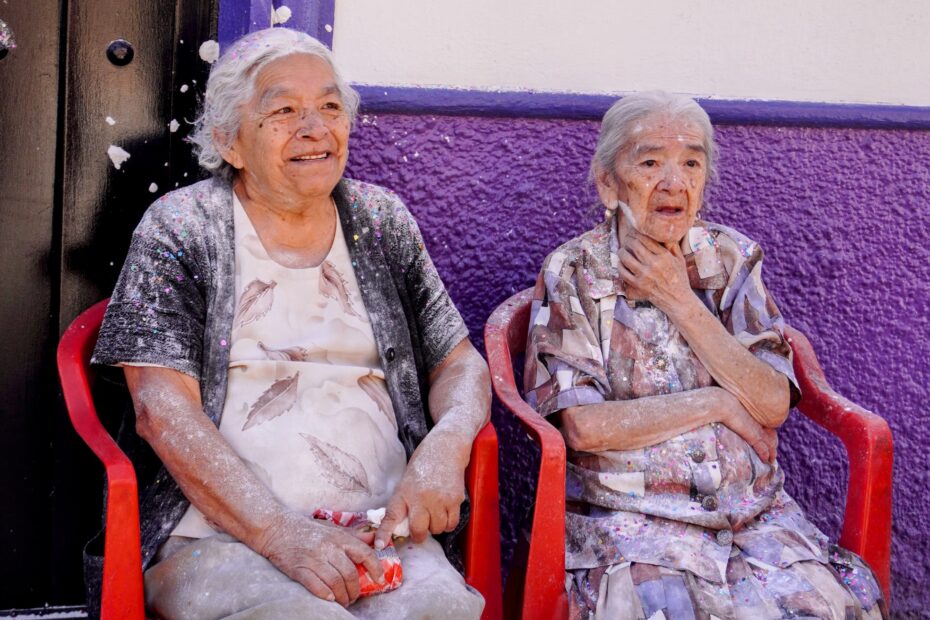
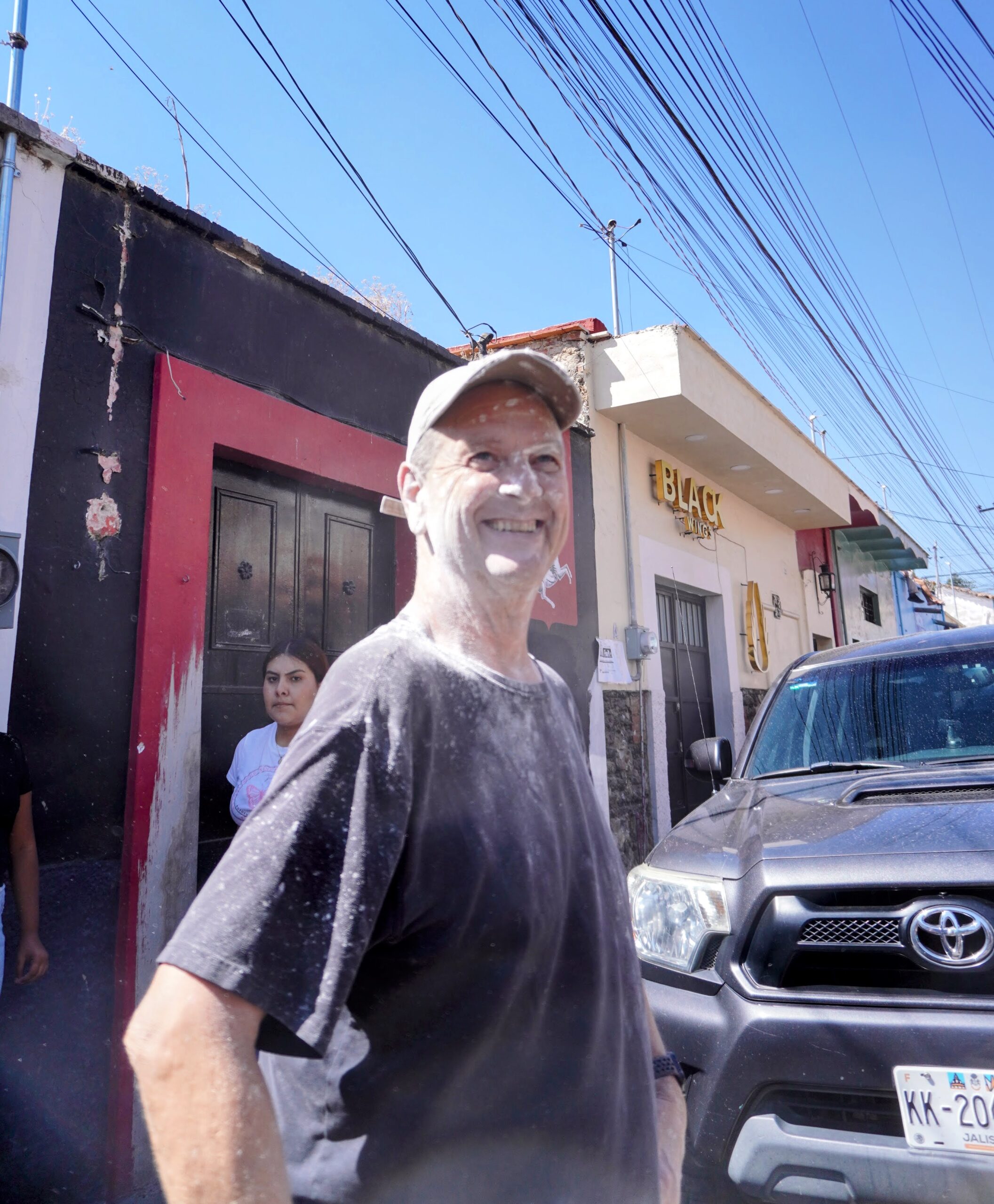
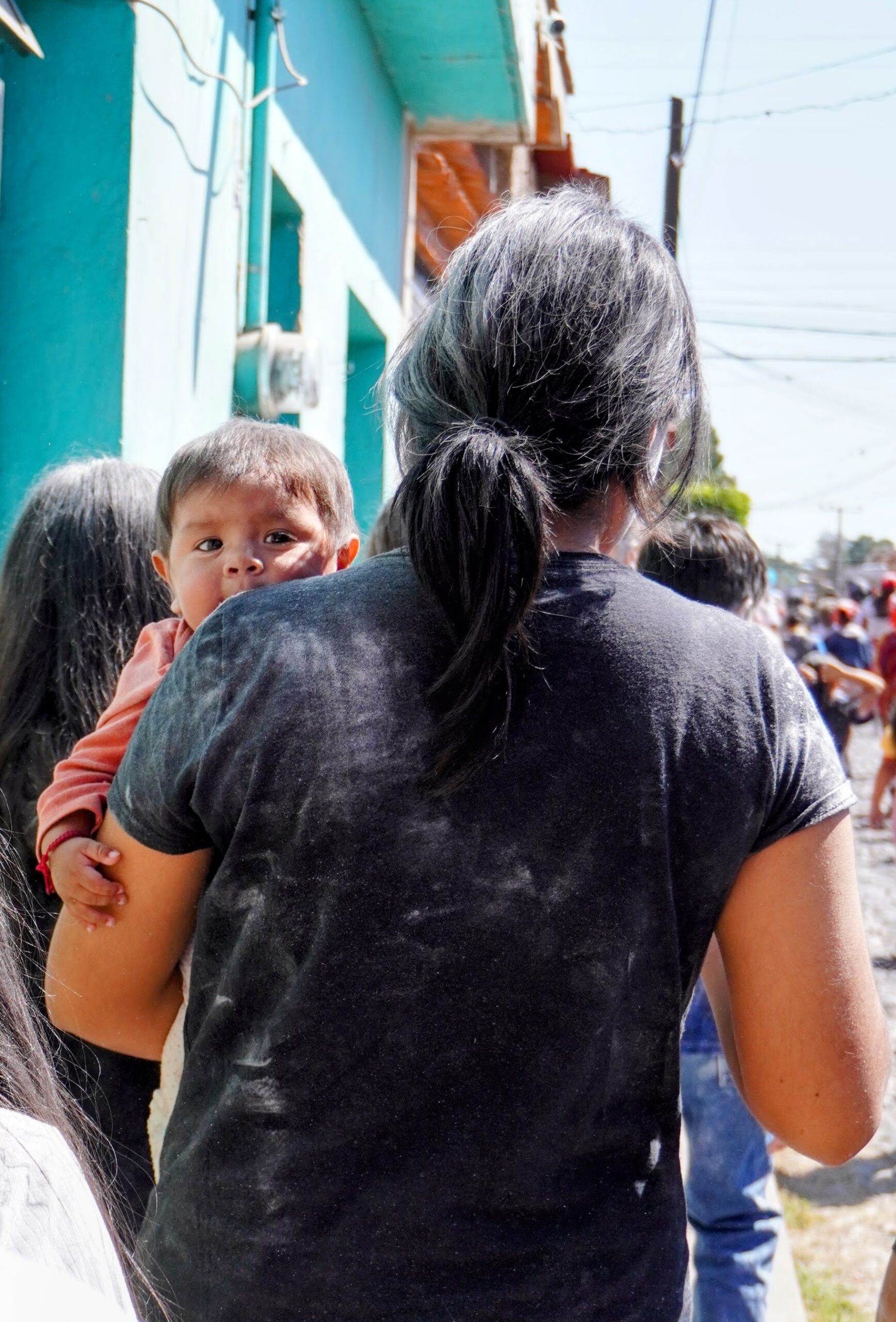
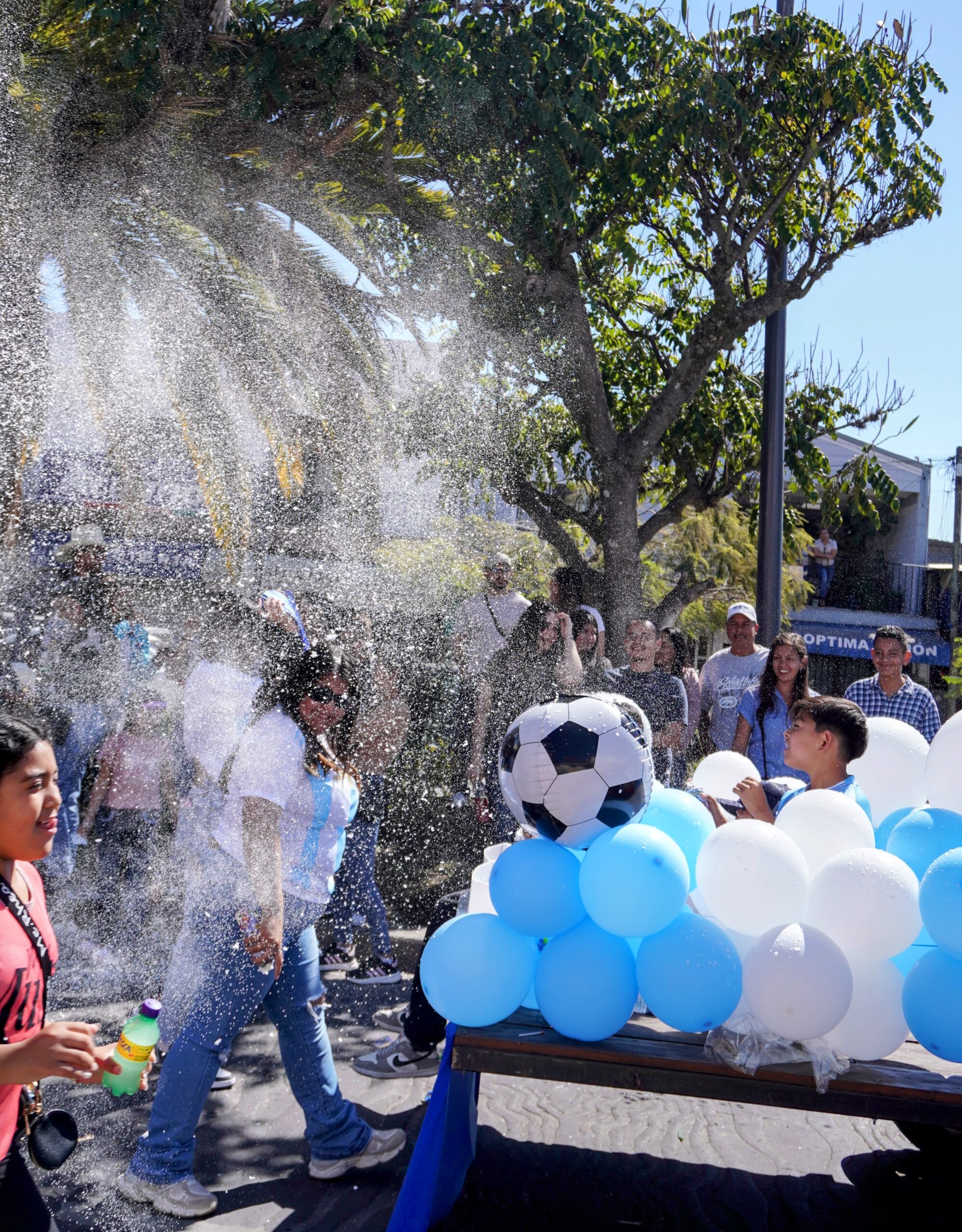
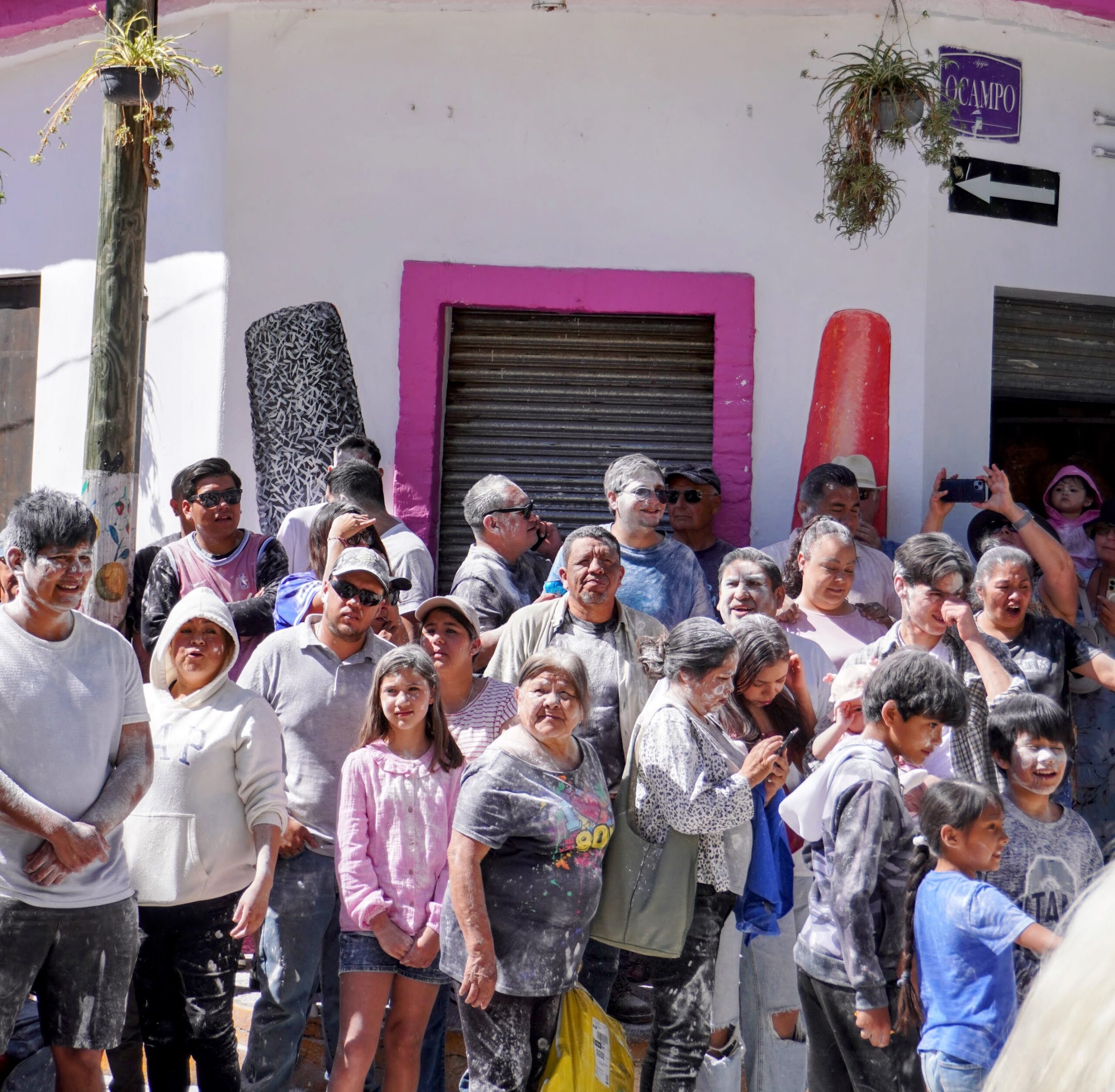
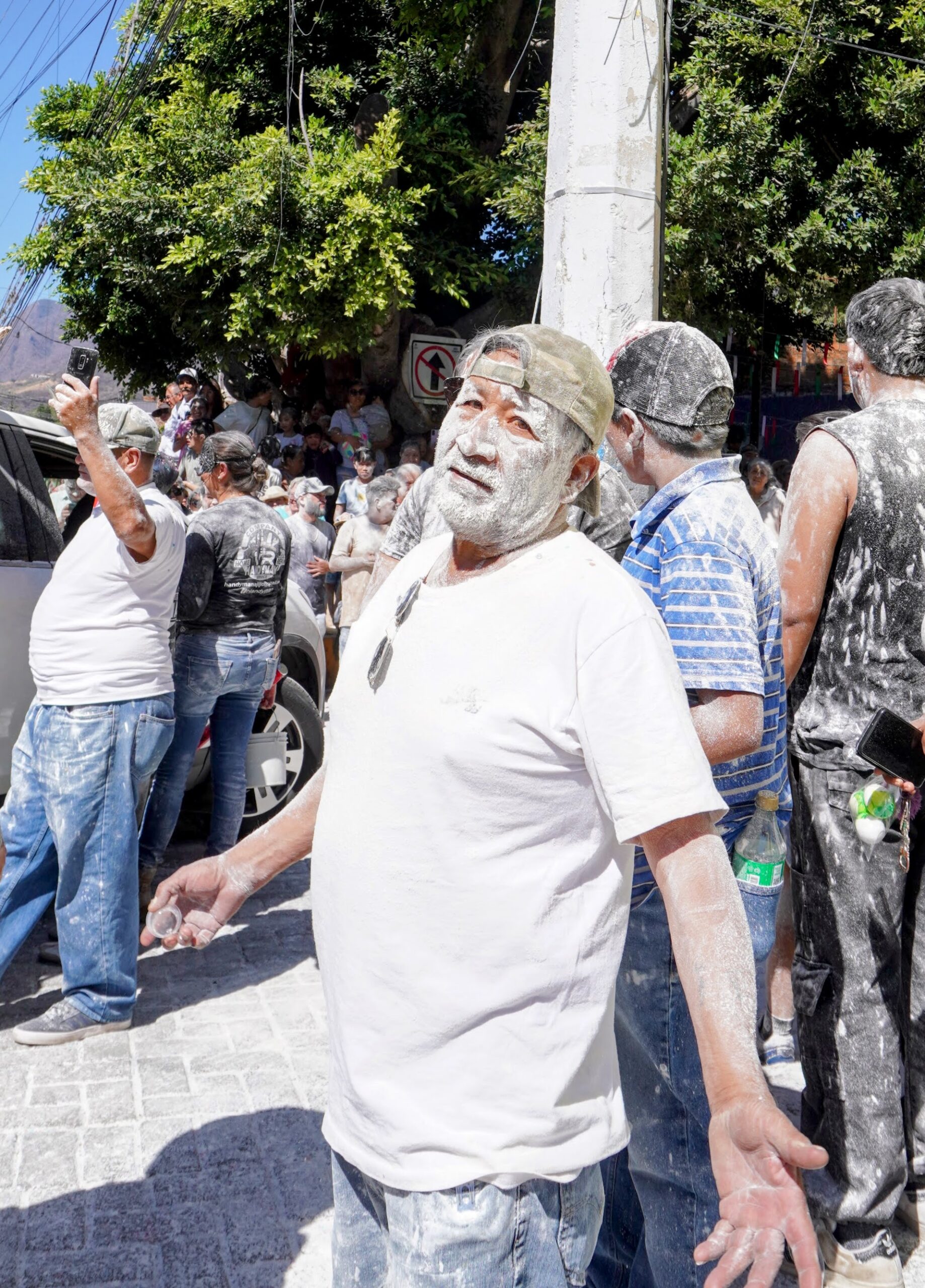
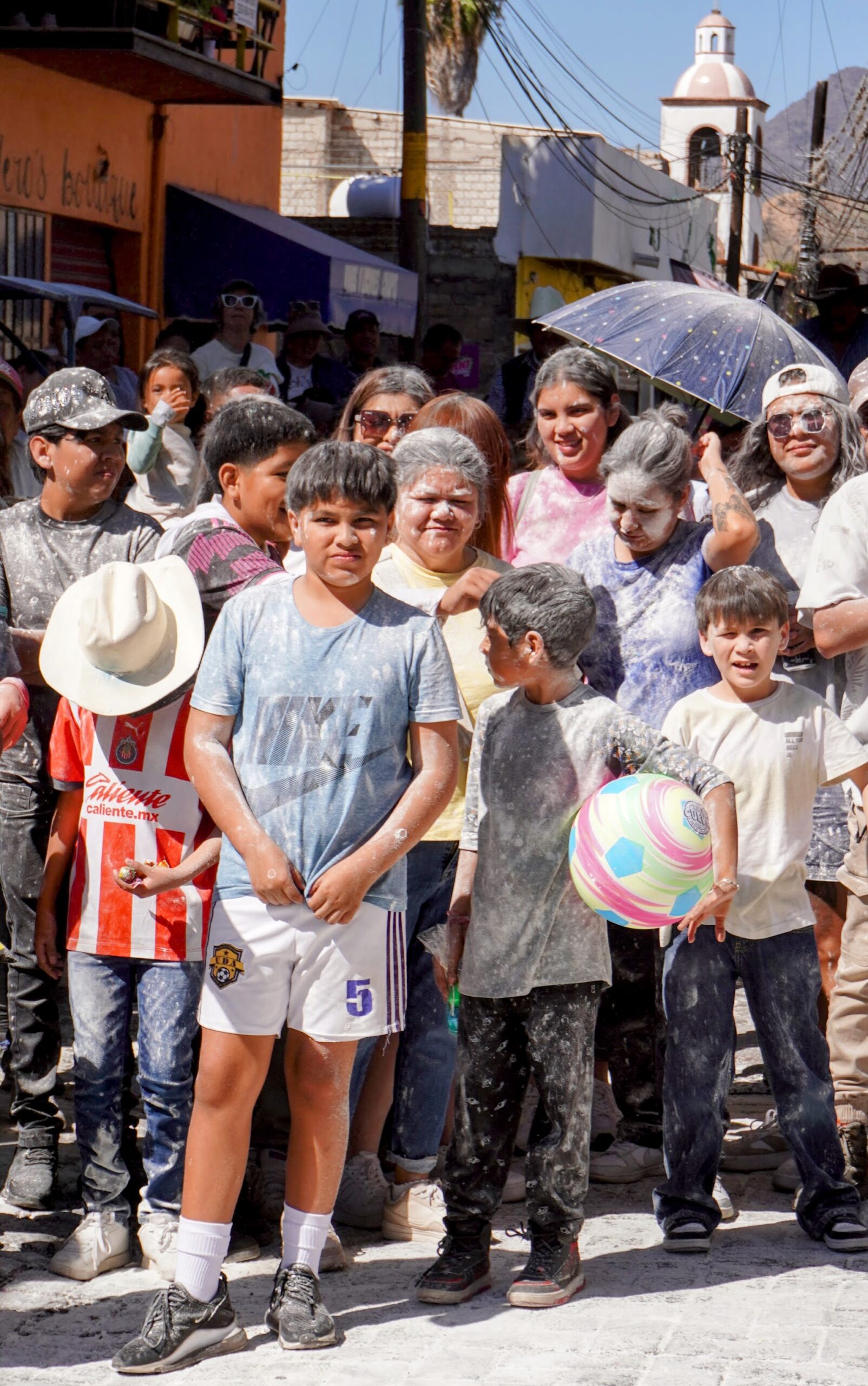
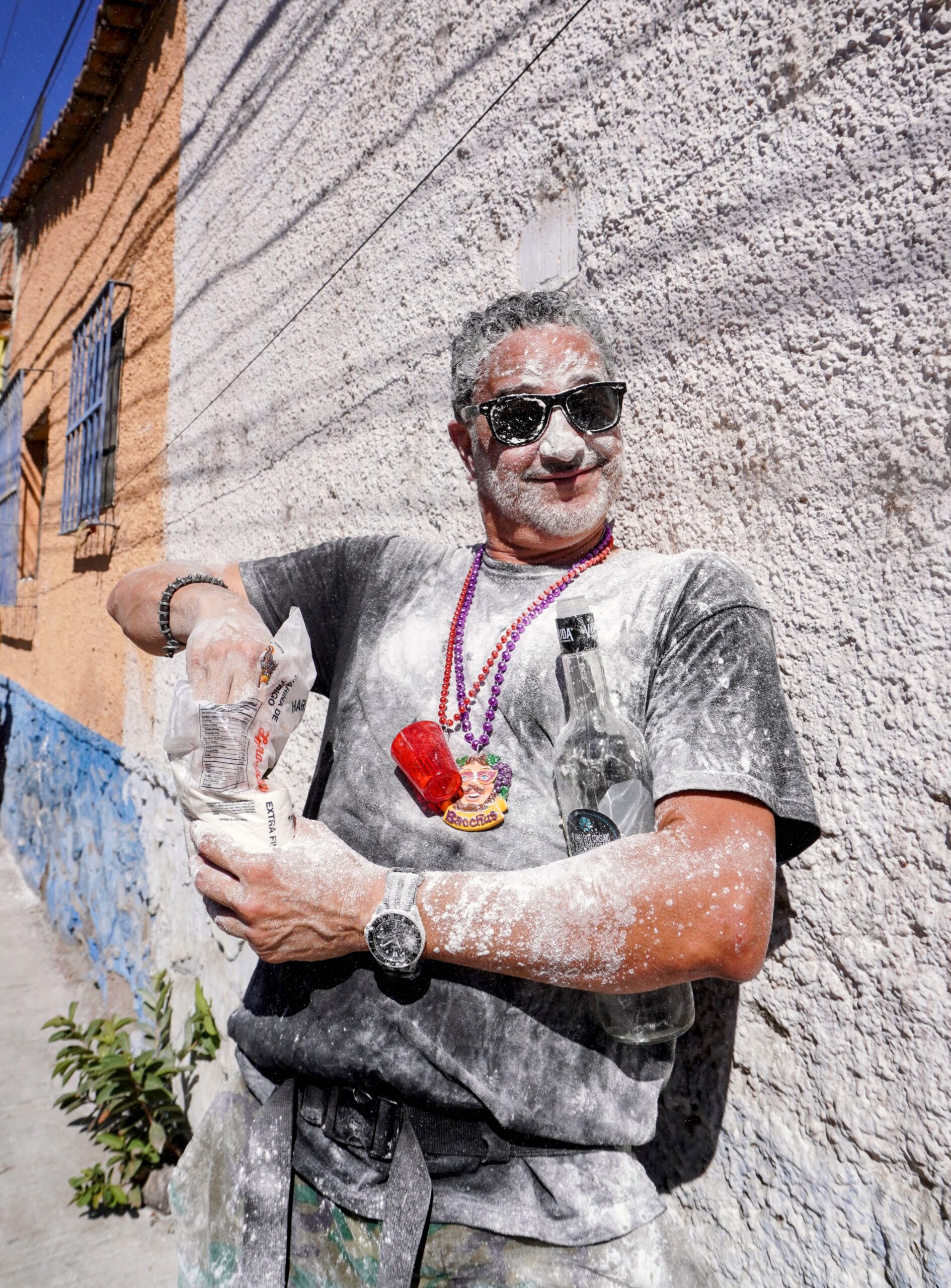
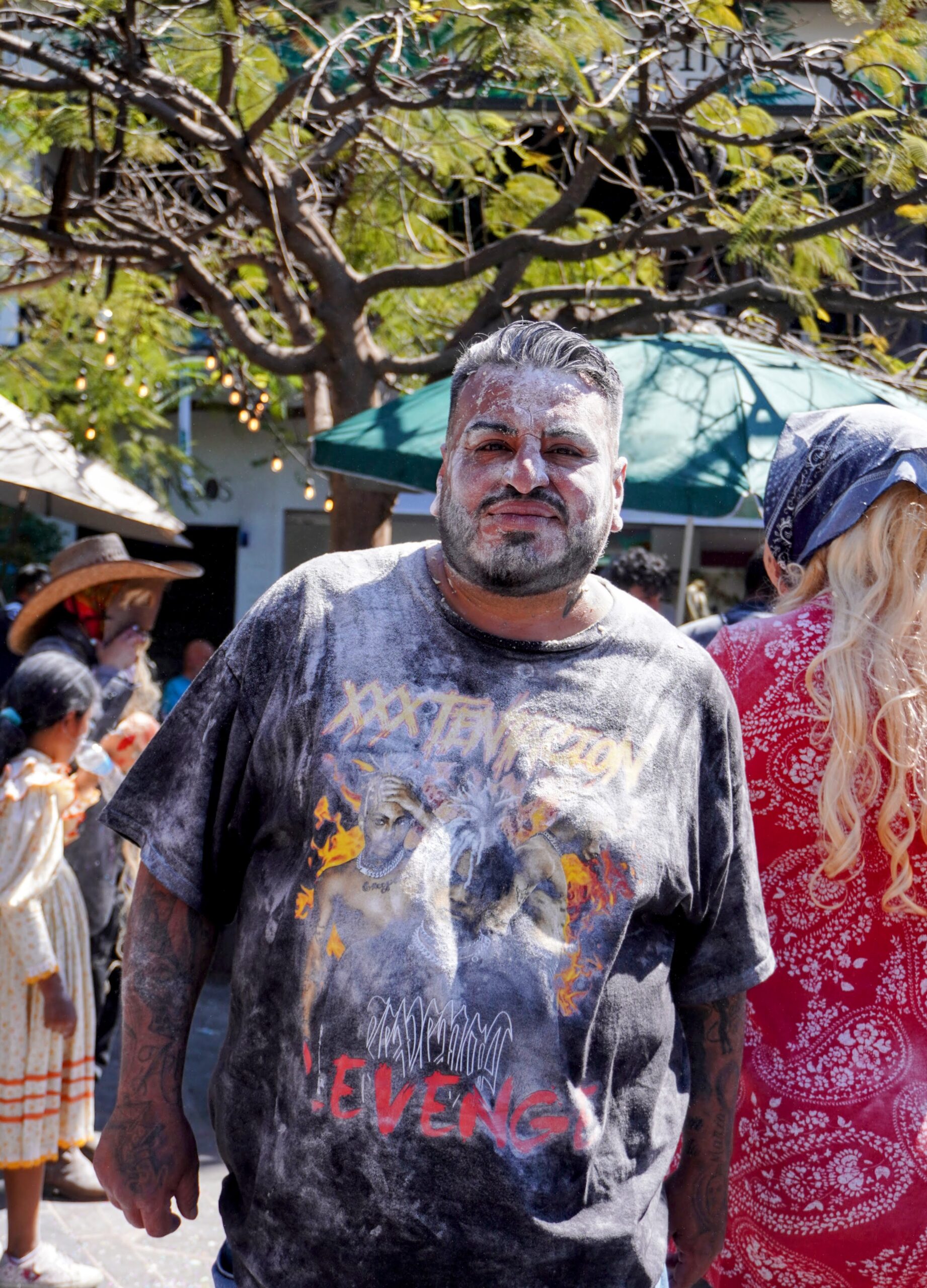
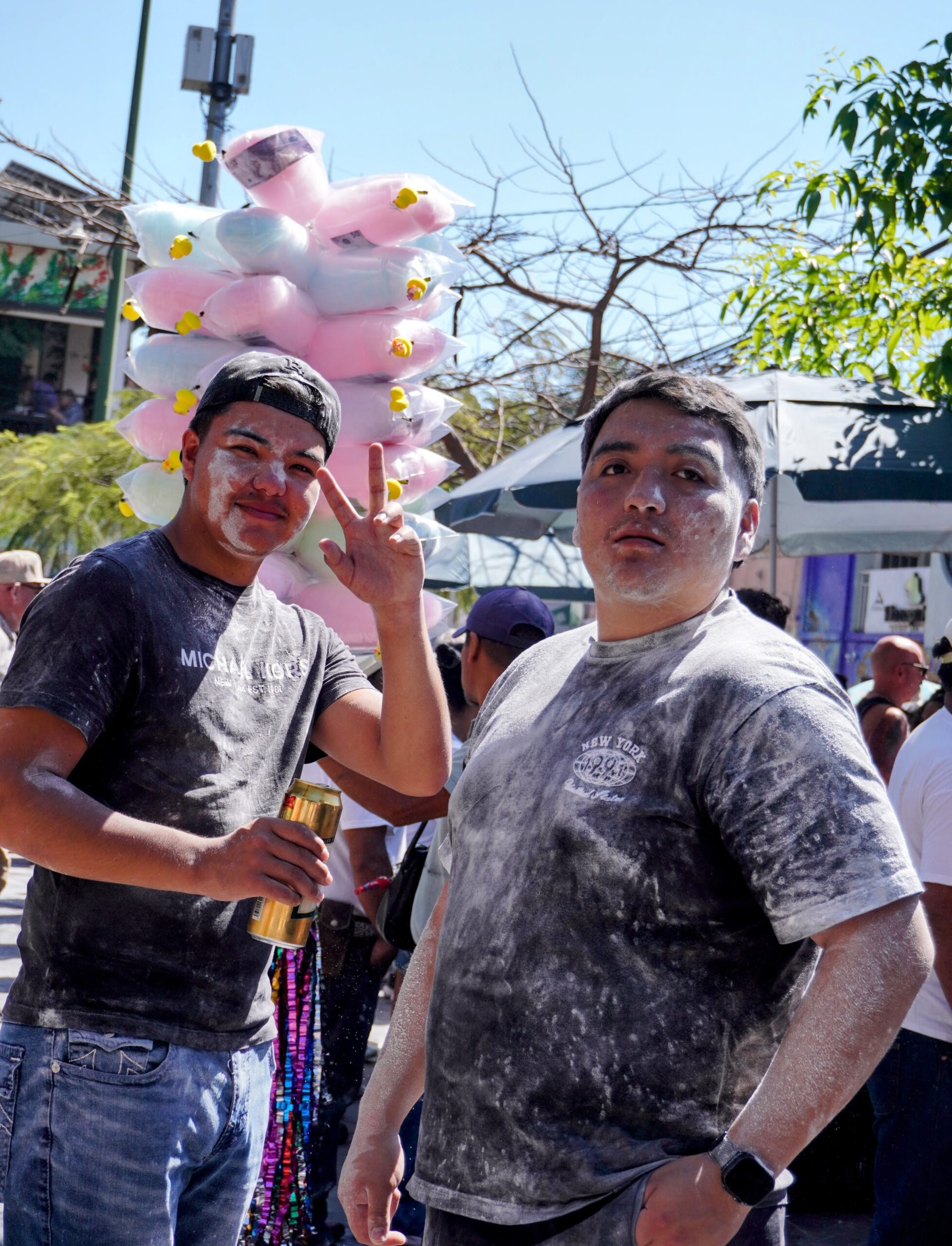
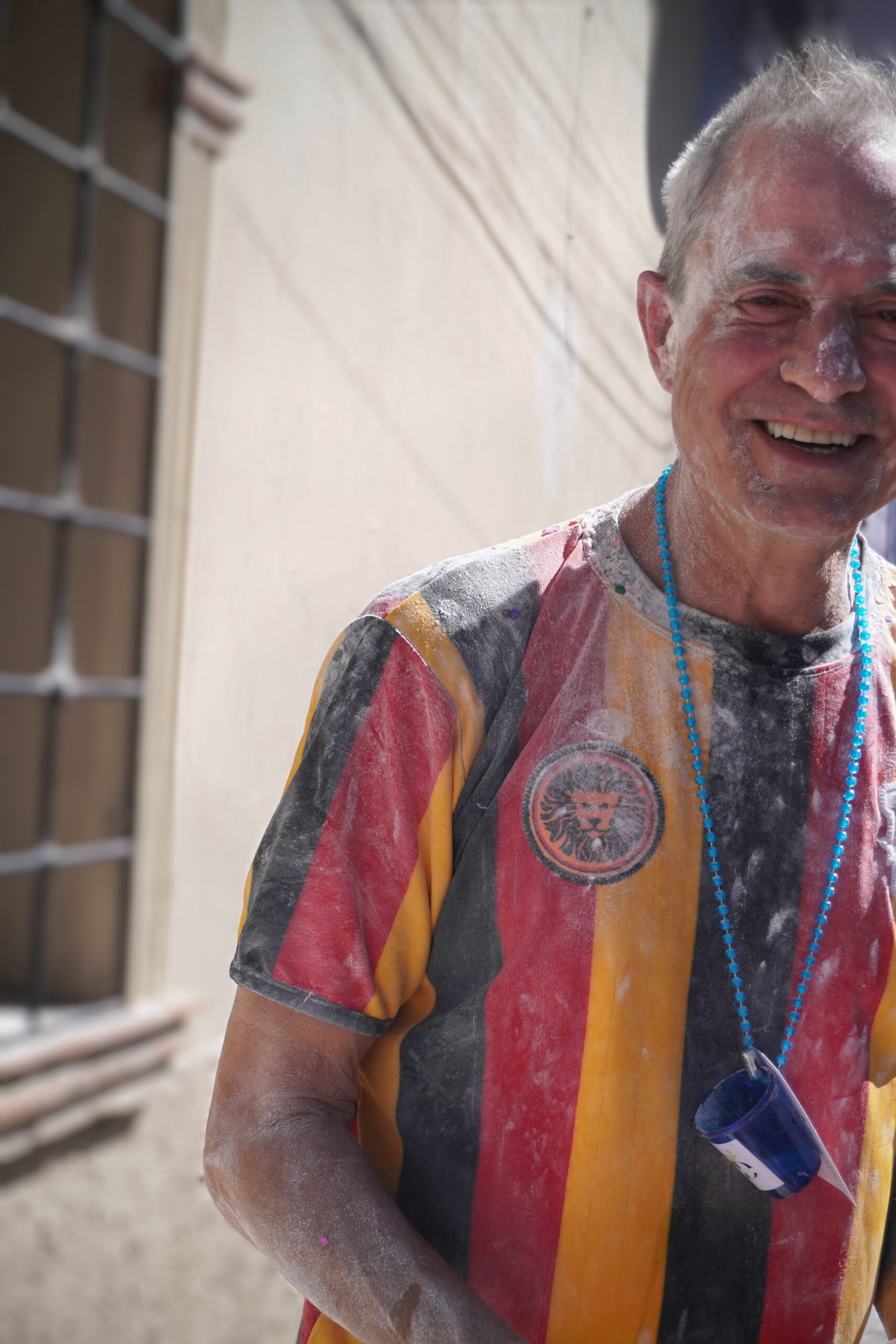
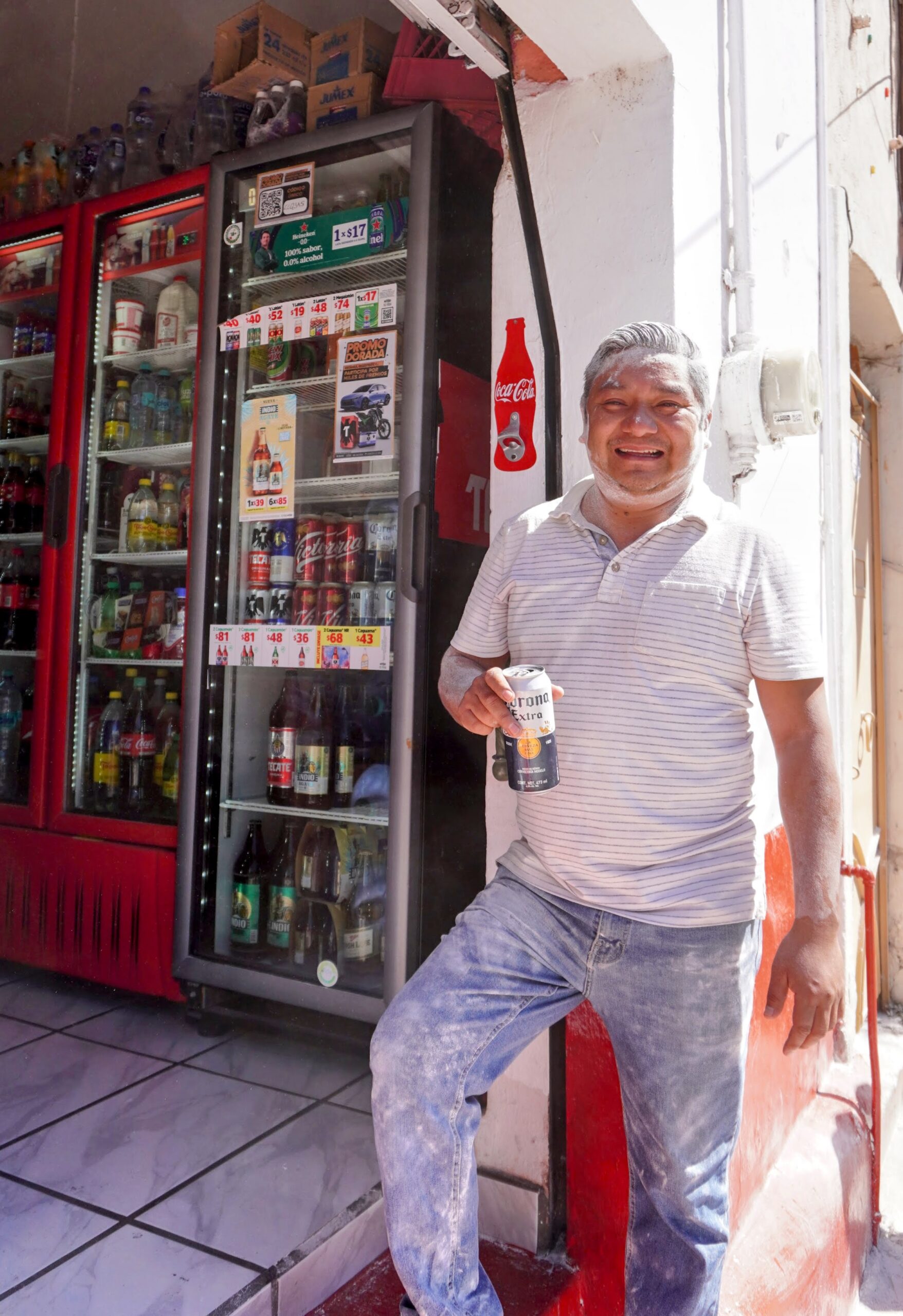
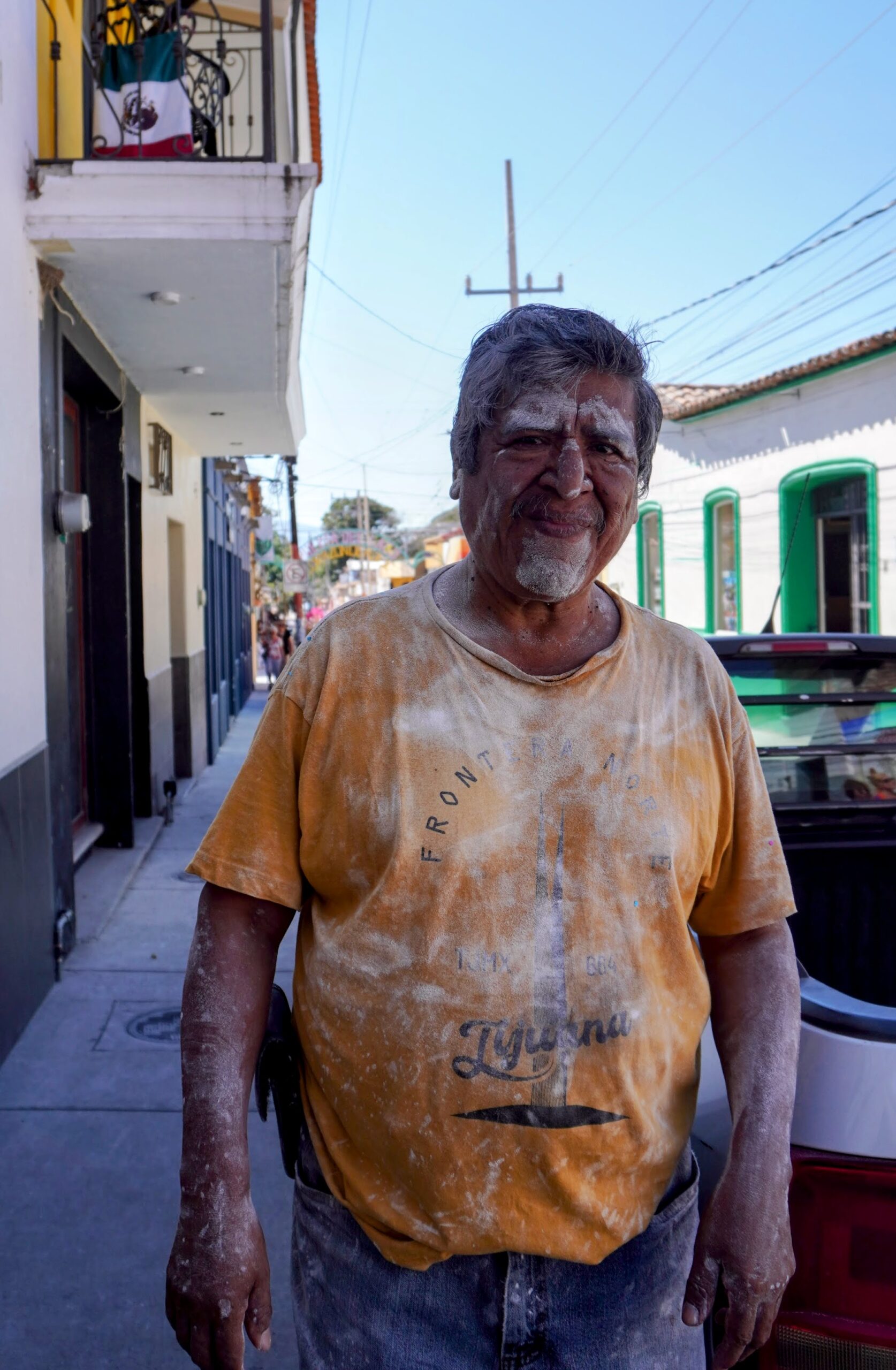
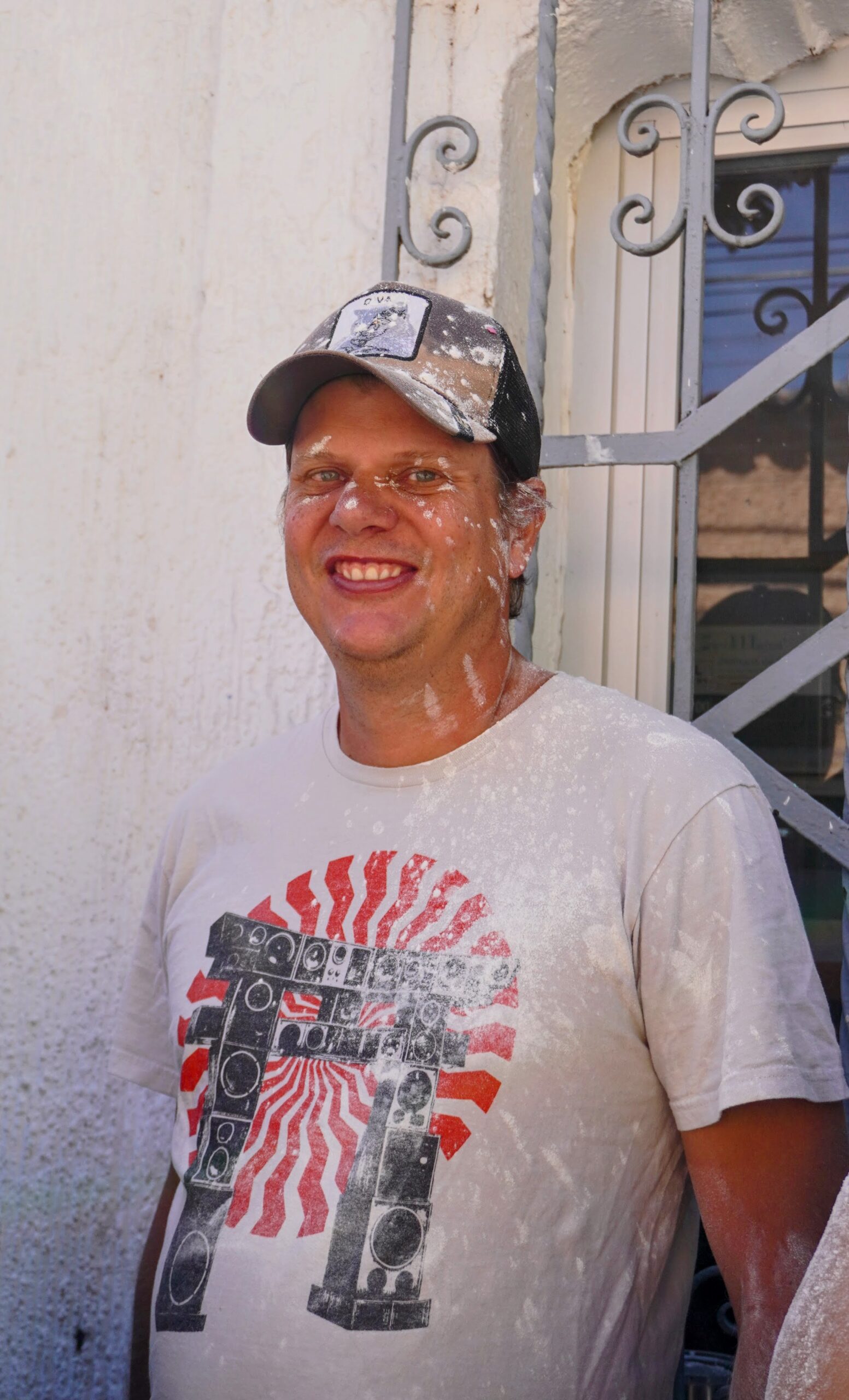
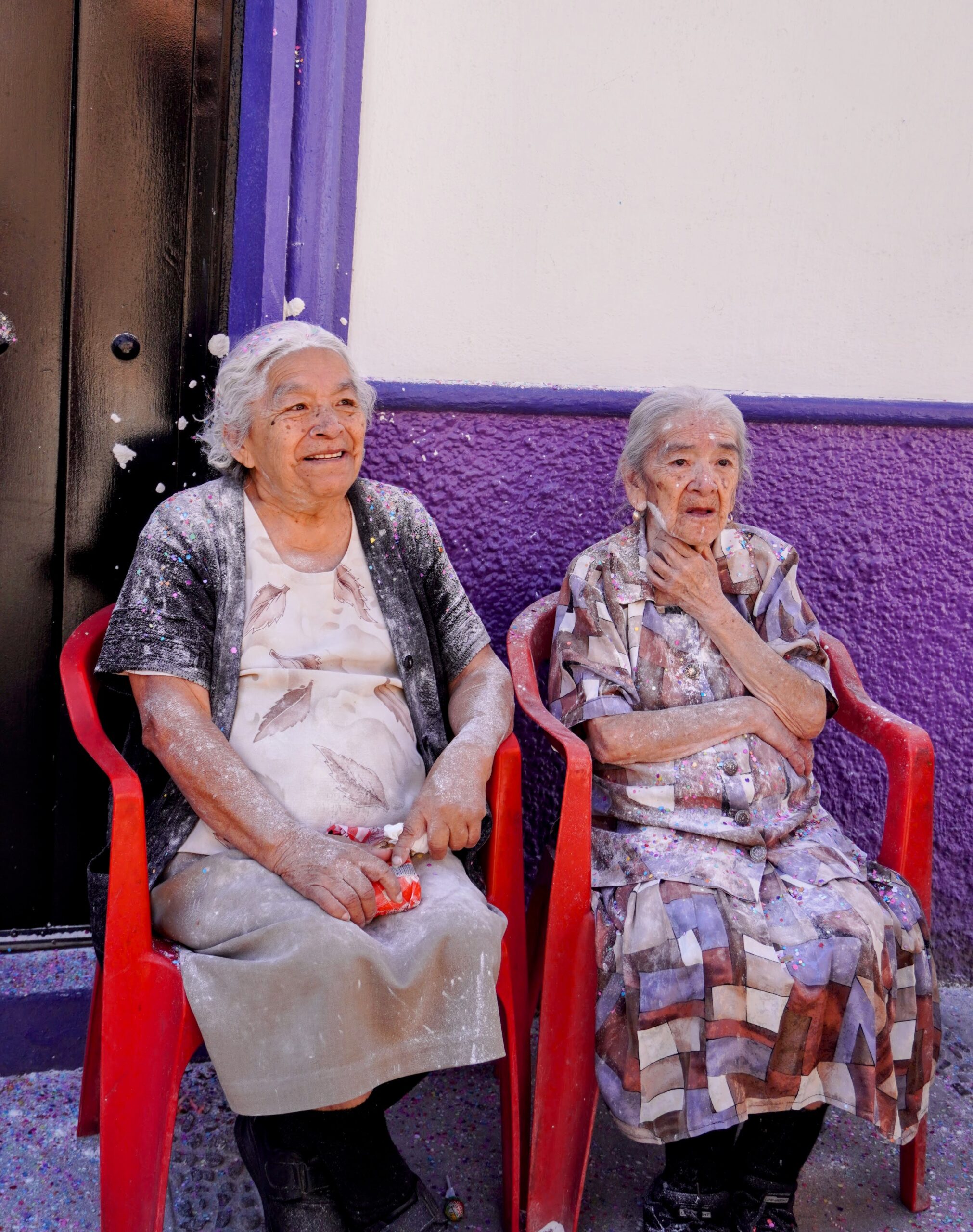
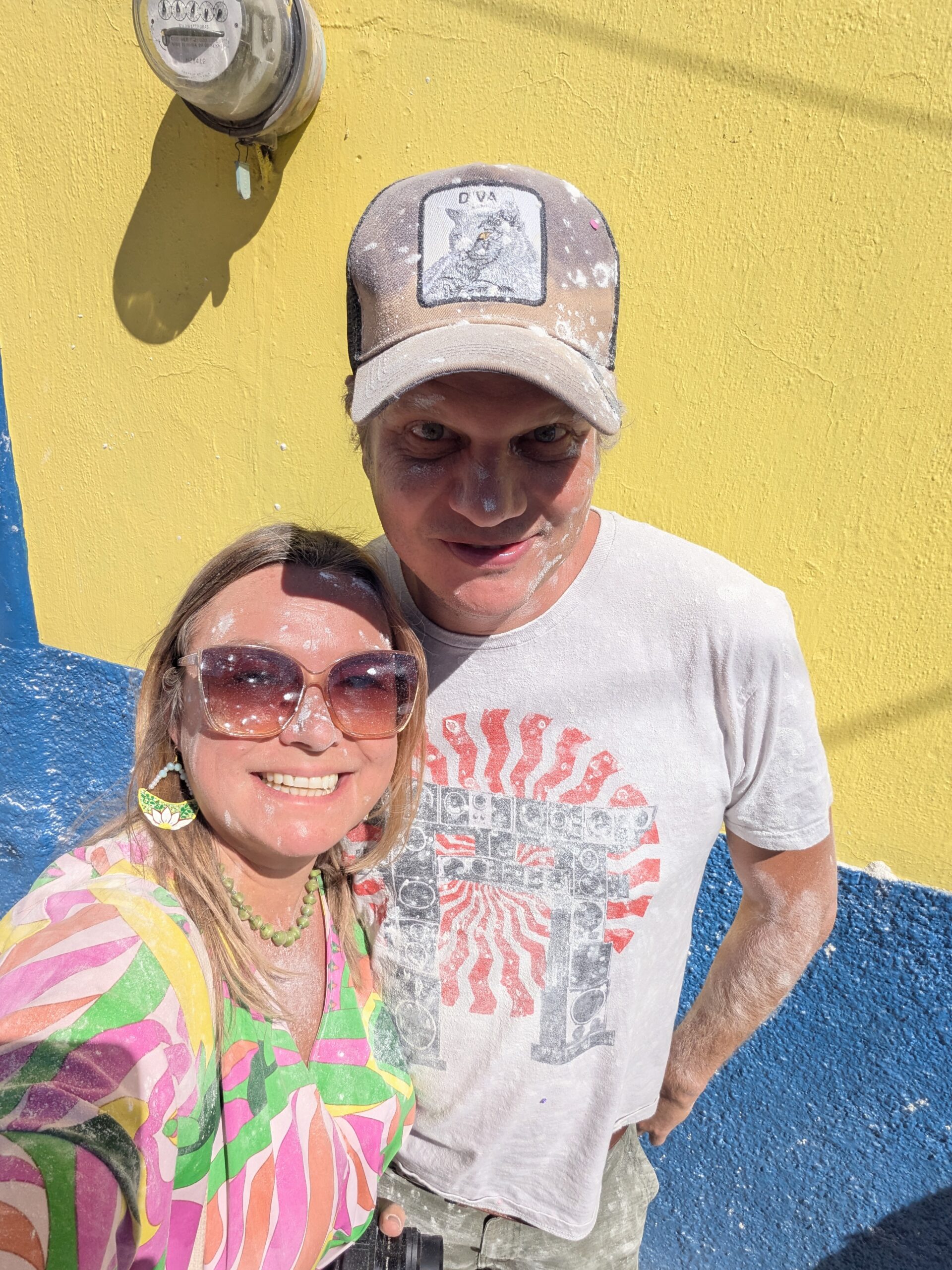
Every single float, every marching group, every Sayaca, every participant — all of them armed with bags of flour, throwing it into the crowd without mercy. There is no watching from a safe distance. There is no keeping clean. The streets fill with a white haze, and within minutes, everyone around you is coated head to toe. We all looked like we’d walked through a snowstorm made entirely of baking supplies. It was absolutely wild, and it was absolutely wonderful.
The night ended with Skarnaval — a ska fest capping off the entire season, featuring La Filomena Band, a luchador surf-ska act that leaned fully into the absurdity and fun of the evening.
Carnaval Is Now on the Permanent Calendar
This is one of those things that genuinely surprised us about life at Lake Chapala — that a small lakeside community puts on a Carnaval of this scale, with this much heart, history, and participation. The Sayacas, the parades, the music, the flour fights, the rodeo, the fairgrounds — it all adds up to something much bigger than a single event. It’s a celebration of community and tradition, repeated year after year, passed from one generation to the next and we are here for it!