Worth the Wait: A First Trip to Tequila
I had been wanting to make this trip since we moved to Jalisco. Every time we drove past those sweeping blue agave fields on the highway I felt the pull a little more. But I’ll be honest — I kept hesitating. I had this nagging worry that it would all feel too touristy, too packaged, the authentic soul of the place long since hollowed out for the benefit of visitors.
I was wrong to hesitate. Tequila was worth the wait!
A Little Background on Why This Place Matters
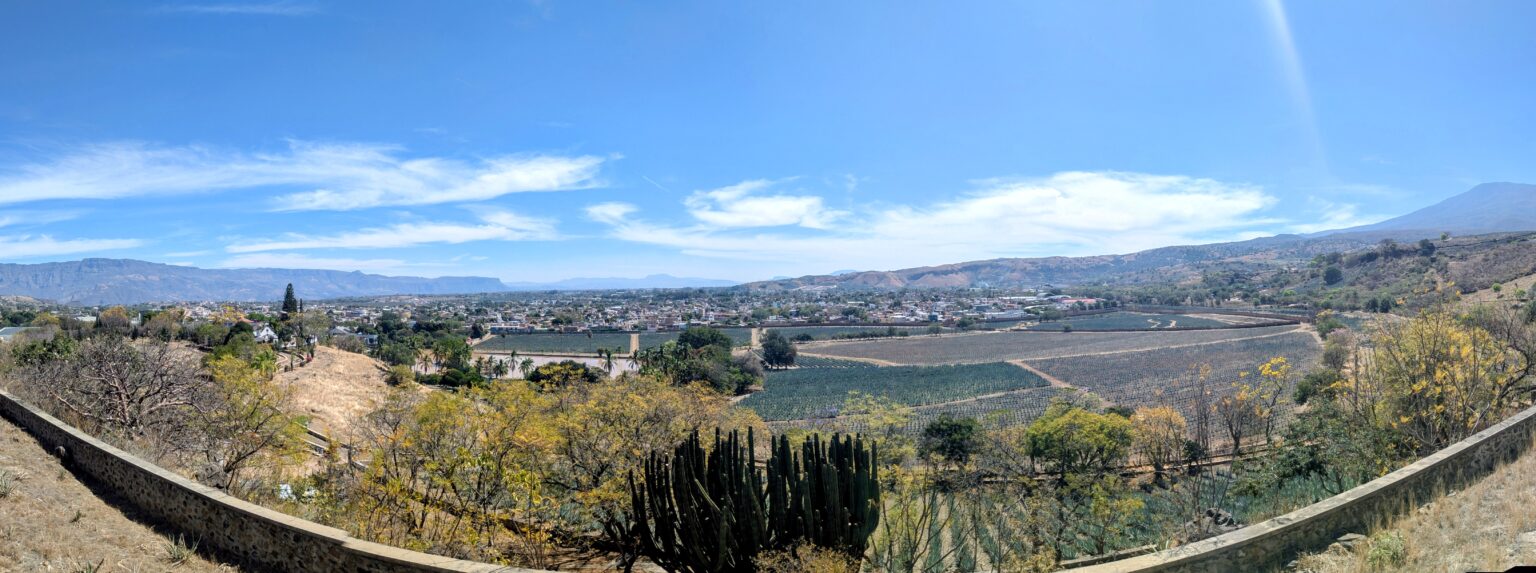
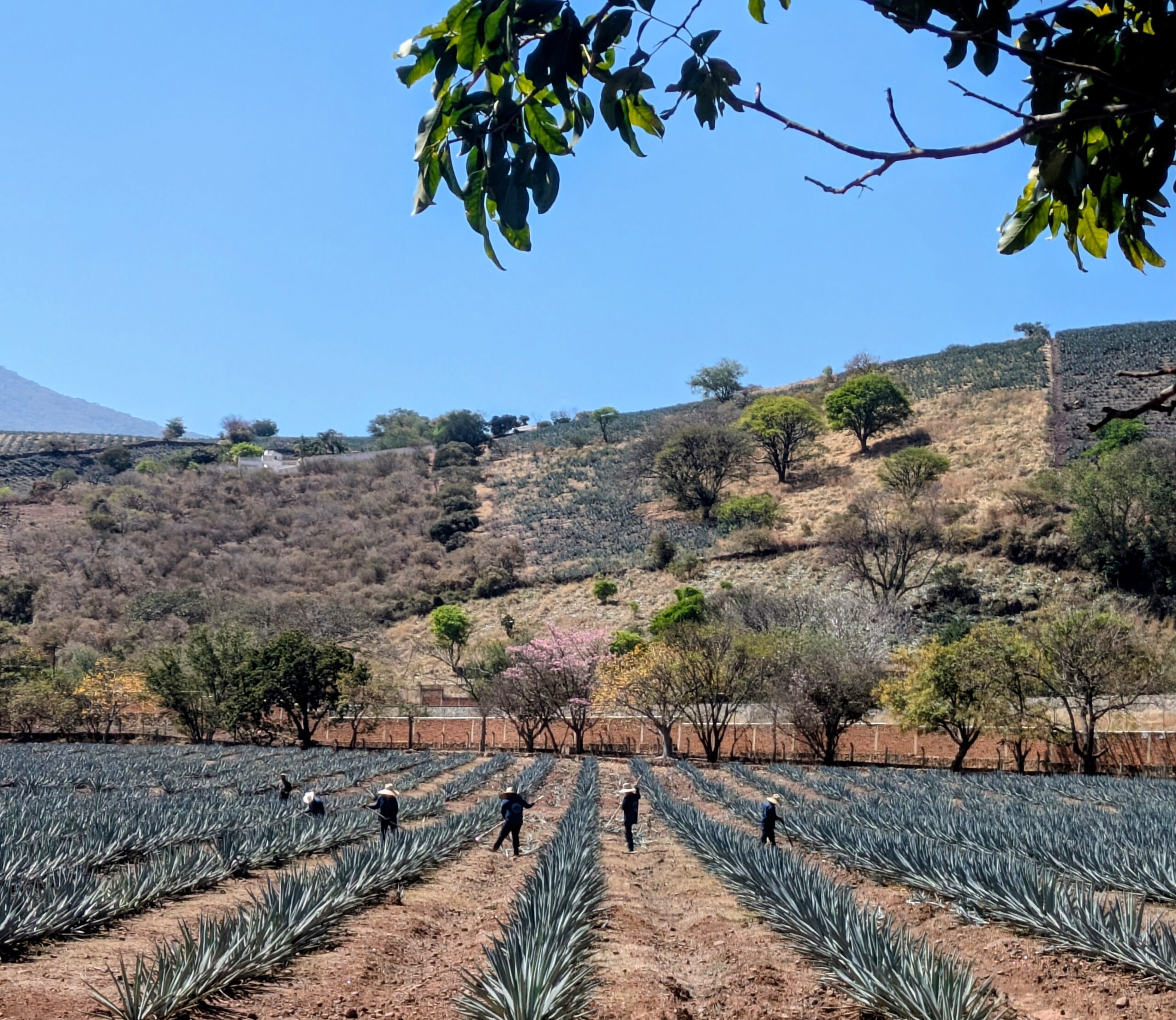
Tequila isn’t just a town that happens to share its name with Mexico’s most famous spirit — it is the birthplace of it. The entire industry traces back to this region of Jalisco, where the blue agave plant grows in rich volcanic soil on the slopes of an extinct volcano. By Mexican law and international designation, true tequila can only be produced in specific regions of Mexico, with Jalisco at its heart. The agave fields you pass on the drive in — those long, silvery-blue rows stretching across the hillsides — are not scenery. They are the source of everything.
The town itself has been producing tequila since the 16th century, when the Aztec practice of fermenting agave was transformed by Spanish distillation techniques into something new.
Sunday Evening in Centro: Cantaritos and La Capilla
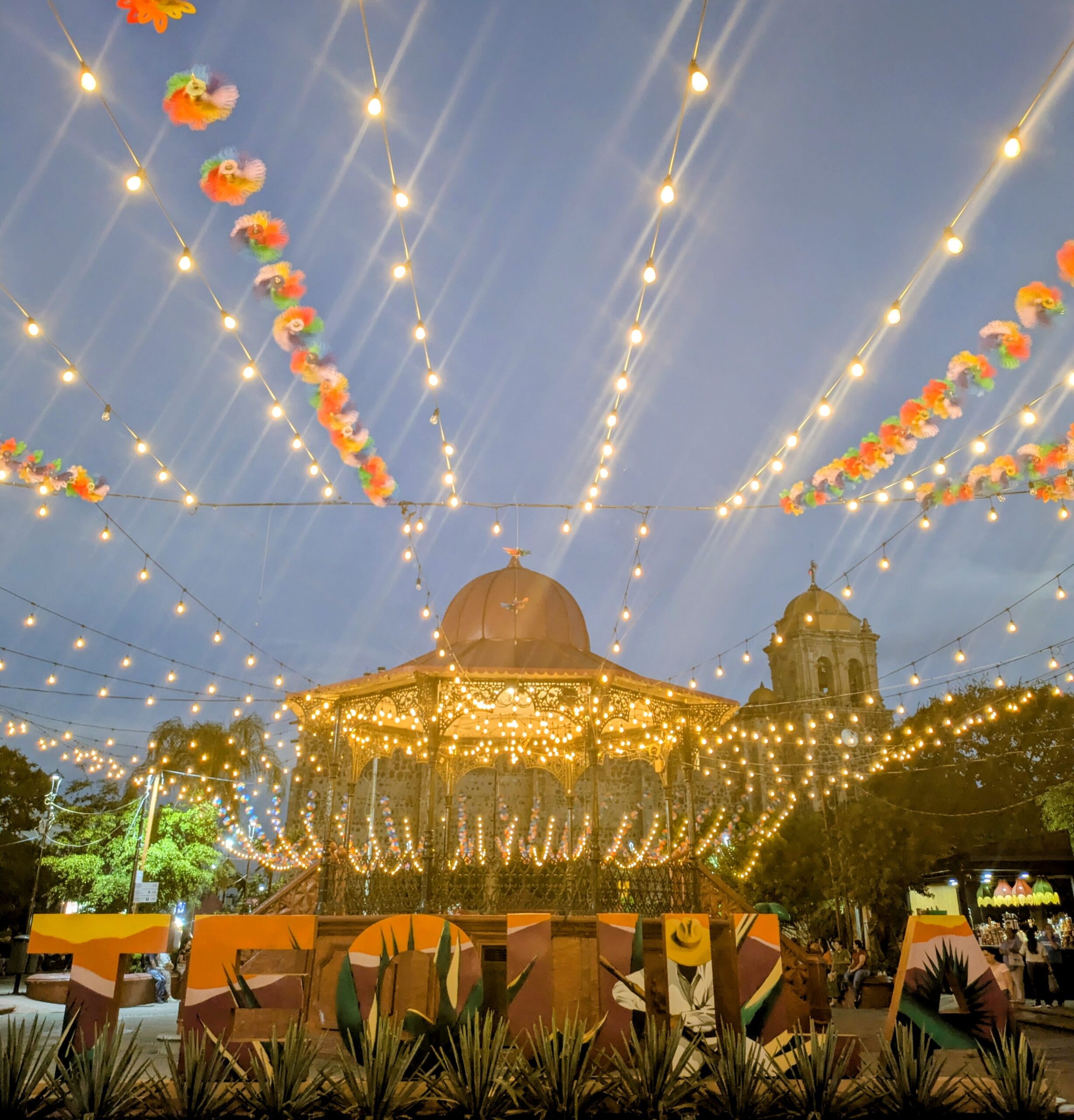
We arrived on a Sunday evening, which turned out to be perfect timing. Most of the weekend crowds had already headed home, and the centro felt relaxed and genuinely local.
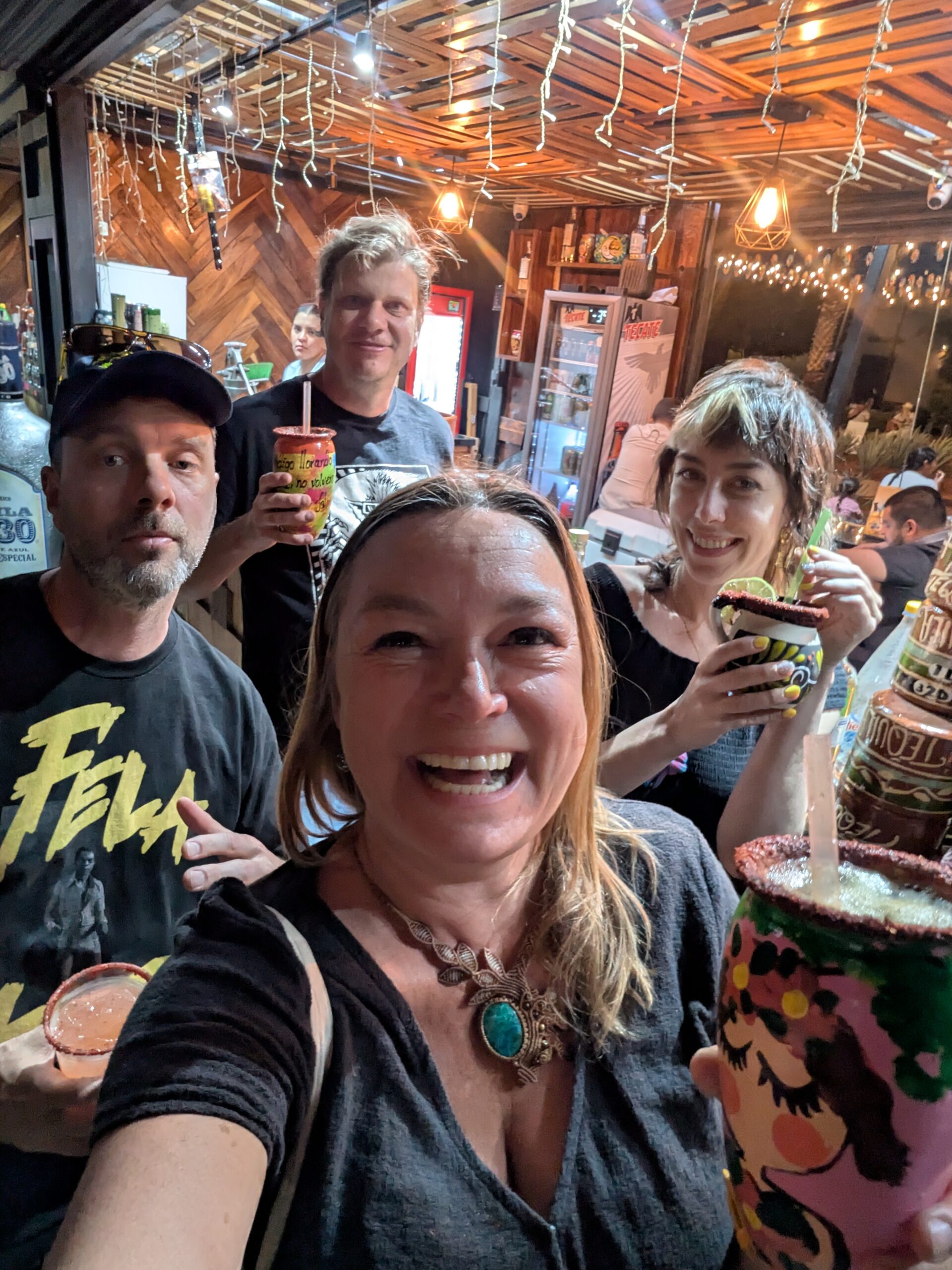
Our first stop was to find cantaritos — the traditional clay cups that are as much a part of the Tequila experience as the drink itself. The vessels are hand-thrown and often hand-painted, and choosing one felt like the right way to start. Since it was International Women’s Day, I found one painted with a colorful, bold woman. We ordered our cantaritos — tequila mixed with citrus and grapefruit soda, served in the clay cup with a salted rim — and settled in to watch families play in the square while a street musician serenaded whoever was listening.
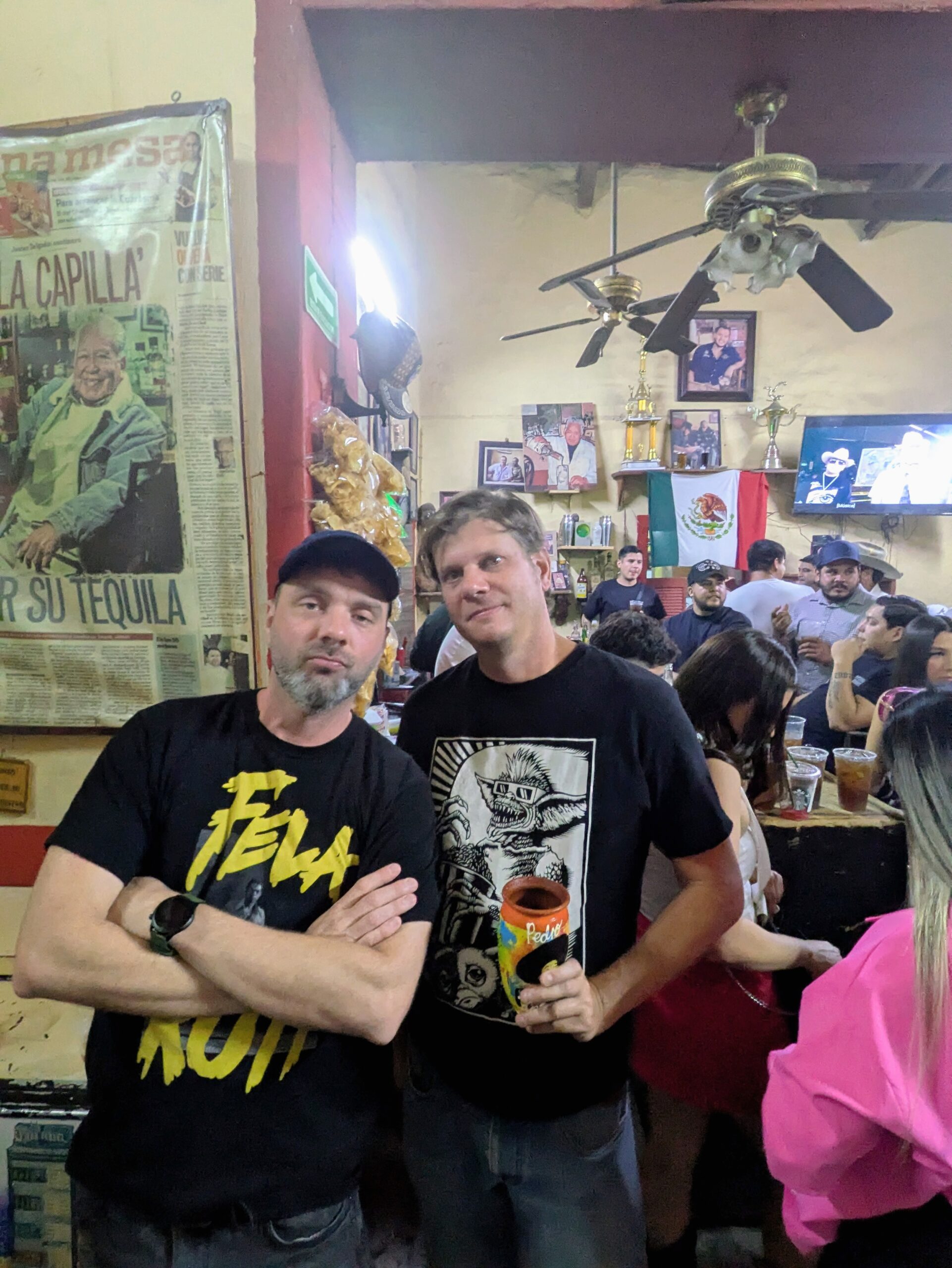
From there we made our way to La Capilla, the oldest bar in Tequila and the home of the Batanga — tequila, Coca-Cola, fresh lime juice, and a salted rim. The Batanga is not complicated, but it is delicious, and drinking one in the bar where it was invented, with a brass band rattling the walls and a crowd of locals around us, was exactly the kind of experience that makes travel worth doing. The whole scene reminded me of New Orleans — loud, warm, a little chaotic, deeply alive.
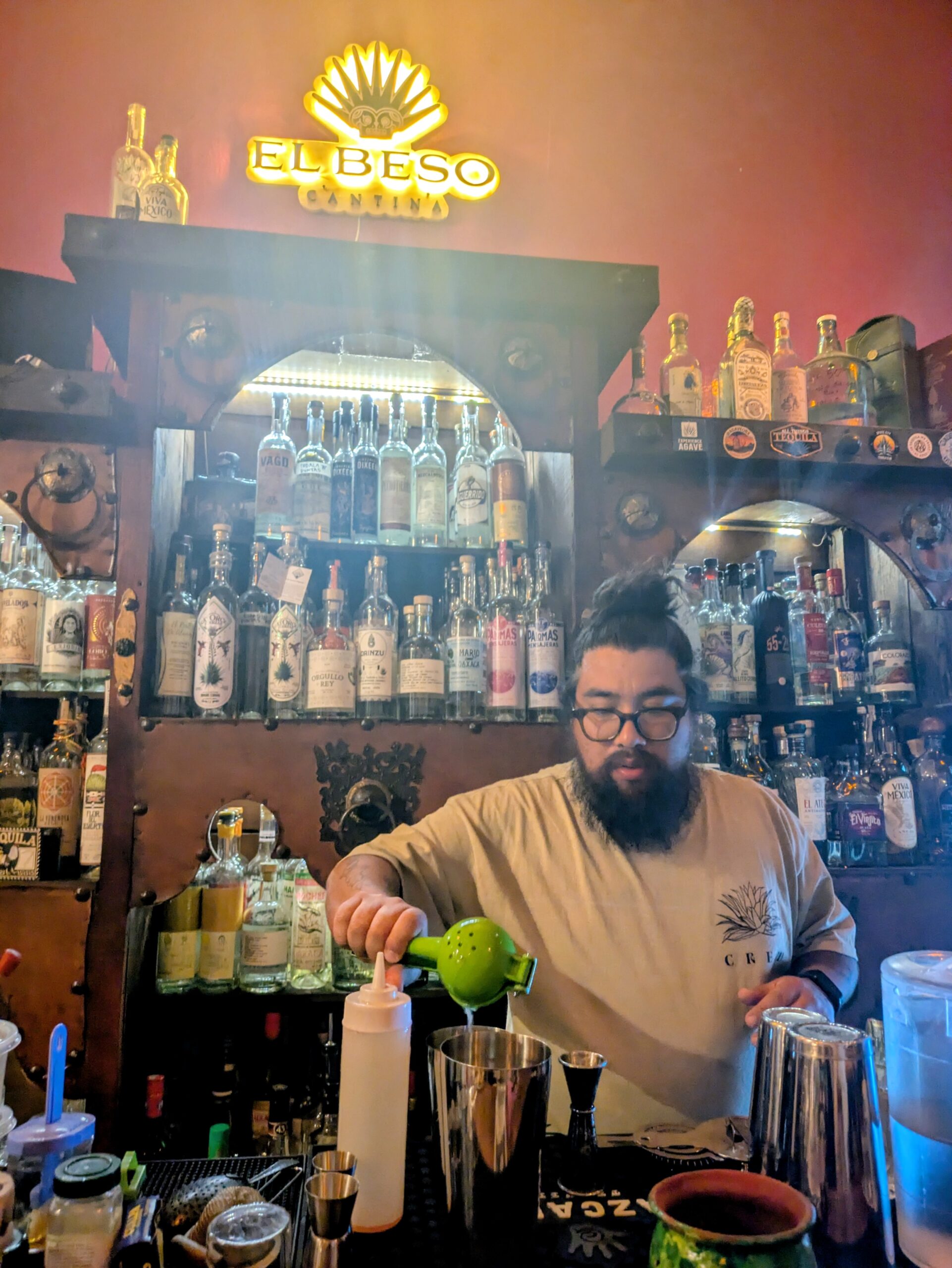
We finished the evening at El Beso Tequila for handcrafted cocktails and made it an early night, knowing what was coming in the morning.
Tequila Fortaleza: A Family Legacy 150 Years in the Making
We showed up at Tequila Fortaleza at 11am for the Vive Bisabuelo tour — a 150-minute English-language experience that begins with a hike up the hillside and ends in the tasting cave.
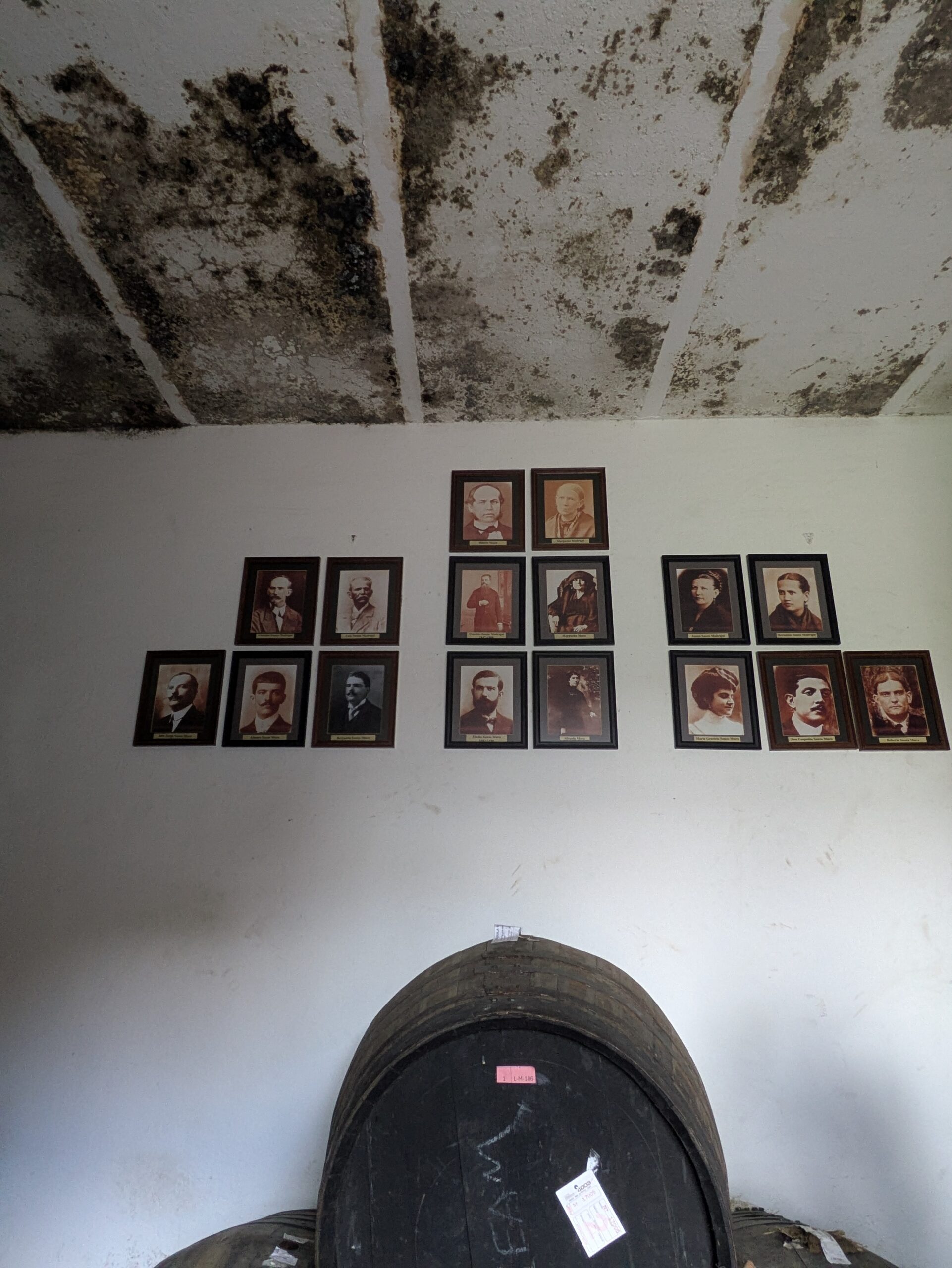
But first, the story of the place, because it is remarkable. Fortaleza is the living continuation of one of the most important families in tequila history. The Sauza name is inseparable from the origins of the industry itself — Guillermo Erickson Sauza is the great-great-grandson of Don Cenobio Sauza, often called the “Father of Tequila,” who founded the Sauza brand in 1873 and was the first to export tequila to the United States. The family’s name and legacy shaped the very definition of what tequila is — it was Guillermo’s grandfather, Don Javier, who in 1973 led the effort to establish tequila’s appellation of origin, ensuring the name could only belong to spirits made in the designated Mexican regions.
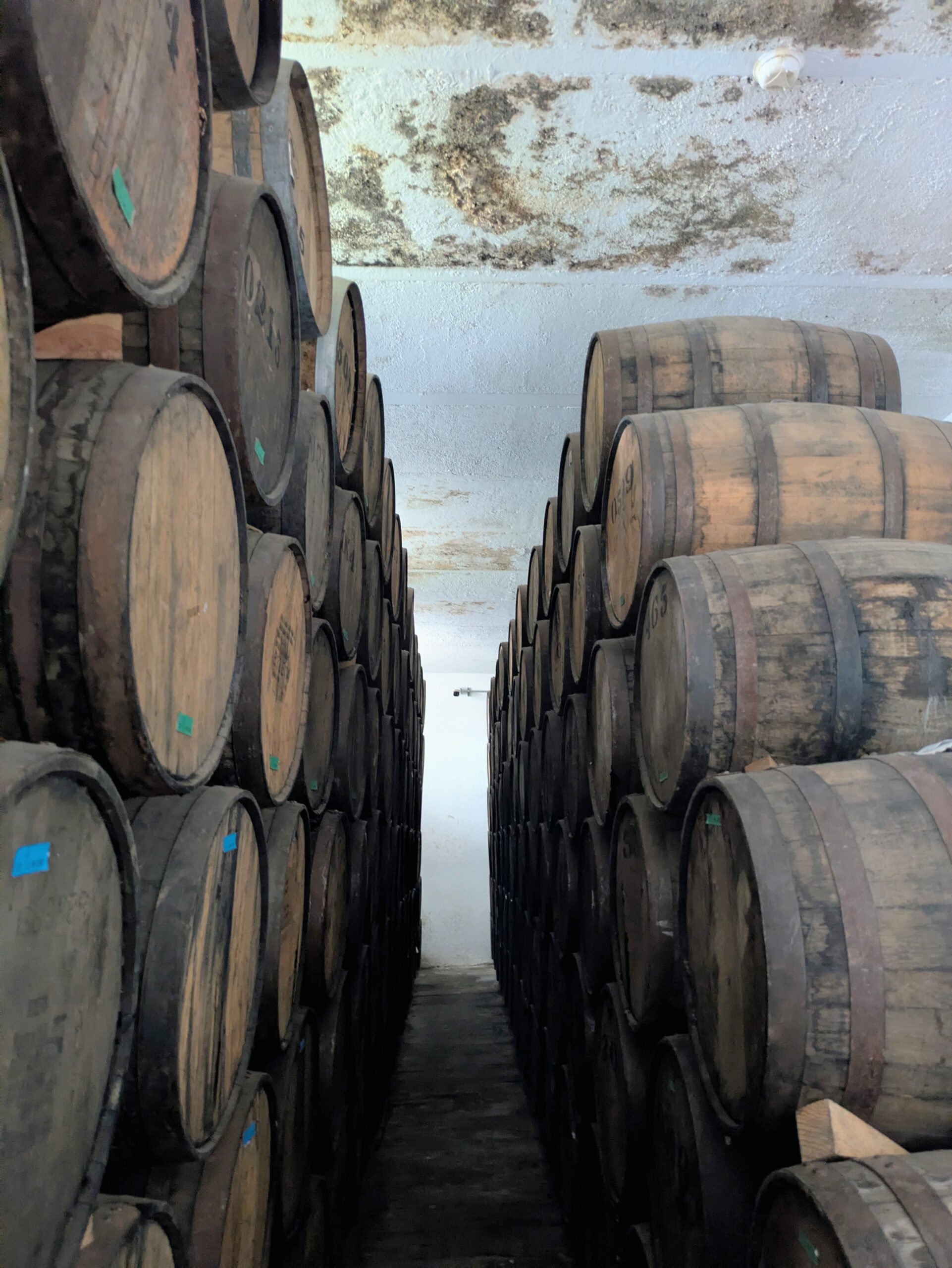
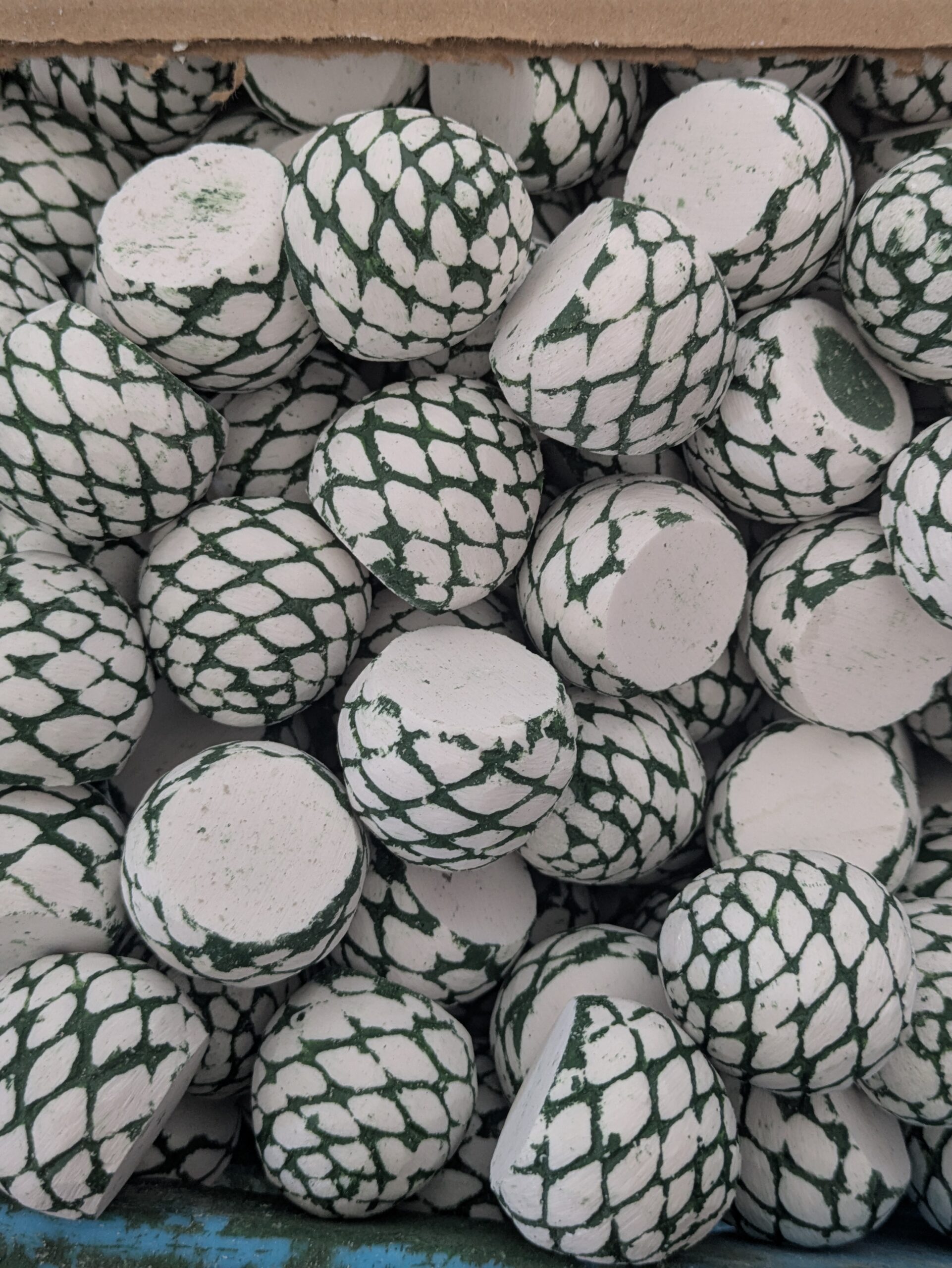
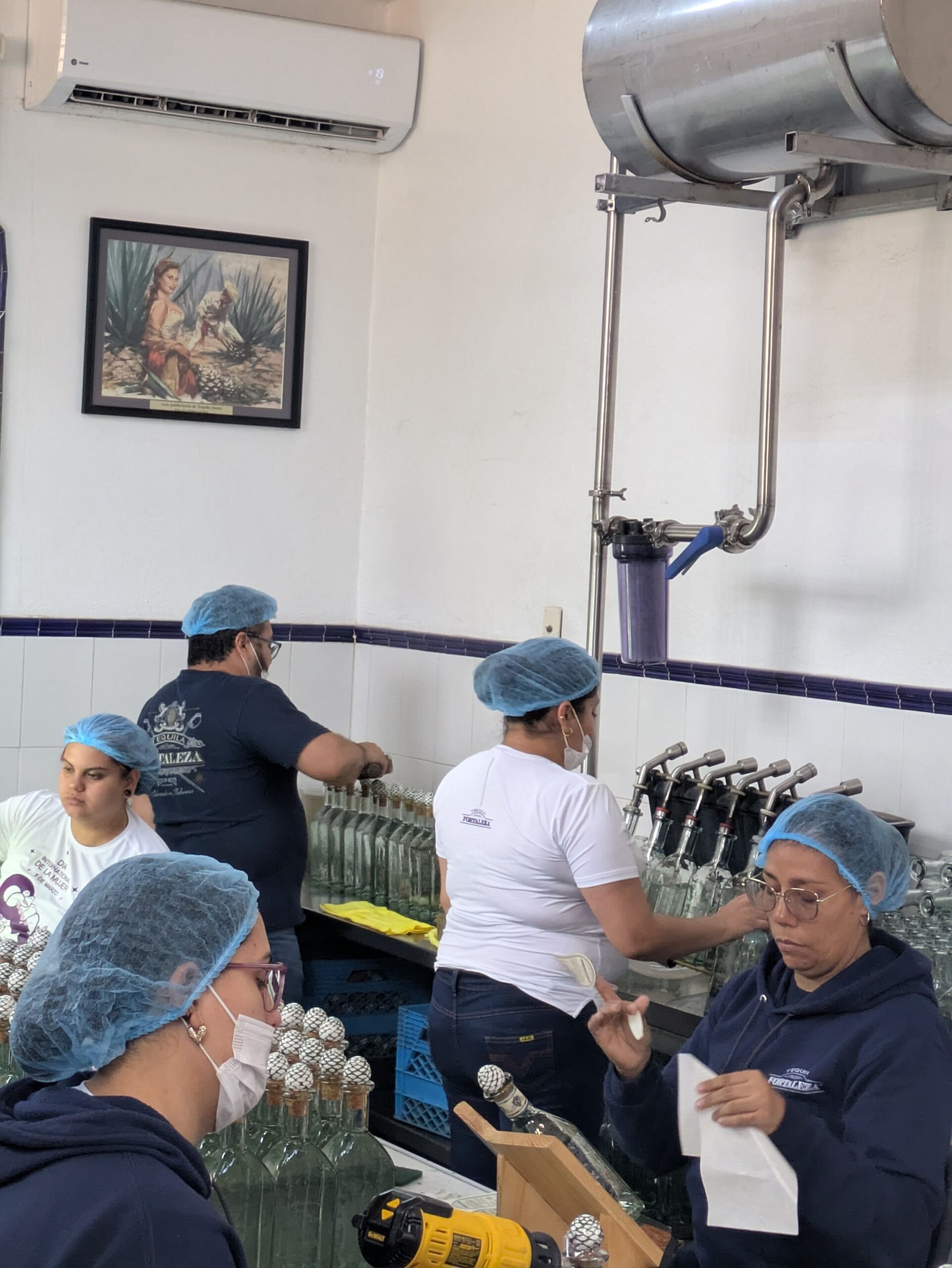
At Fortaleza, there are no shortcuts. The Tequilana Blue Weber agaves mature for at least 8 years before harvesting, then are slowly steam-cooked for 36 hours before being 100% stone-crushed using a tahona, a two-ton volcanic stone, in a stone pit inside the distillery. The bottles are hand-blown in Tonalá. The agave-shaped stoppers are molded and painted by hand at the distillery. Even the corks are hand-painted on site.
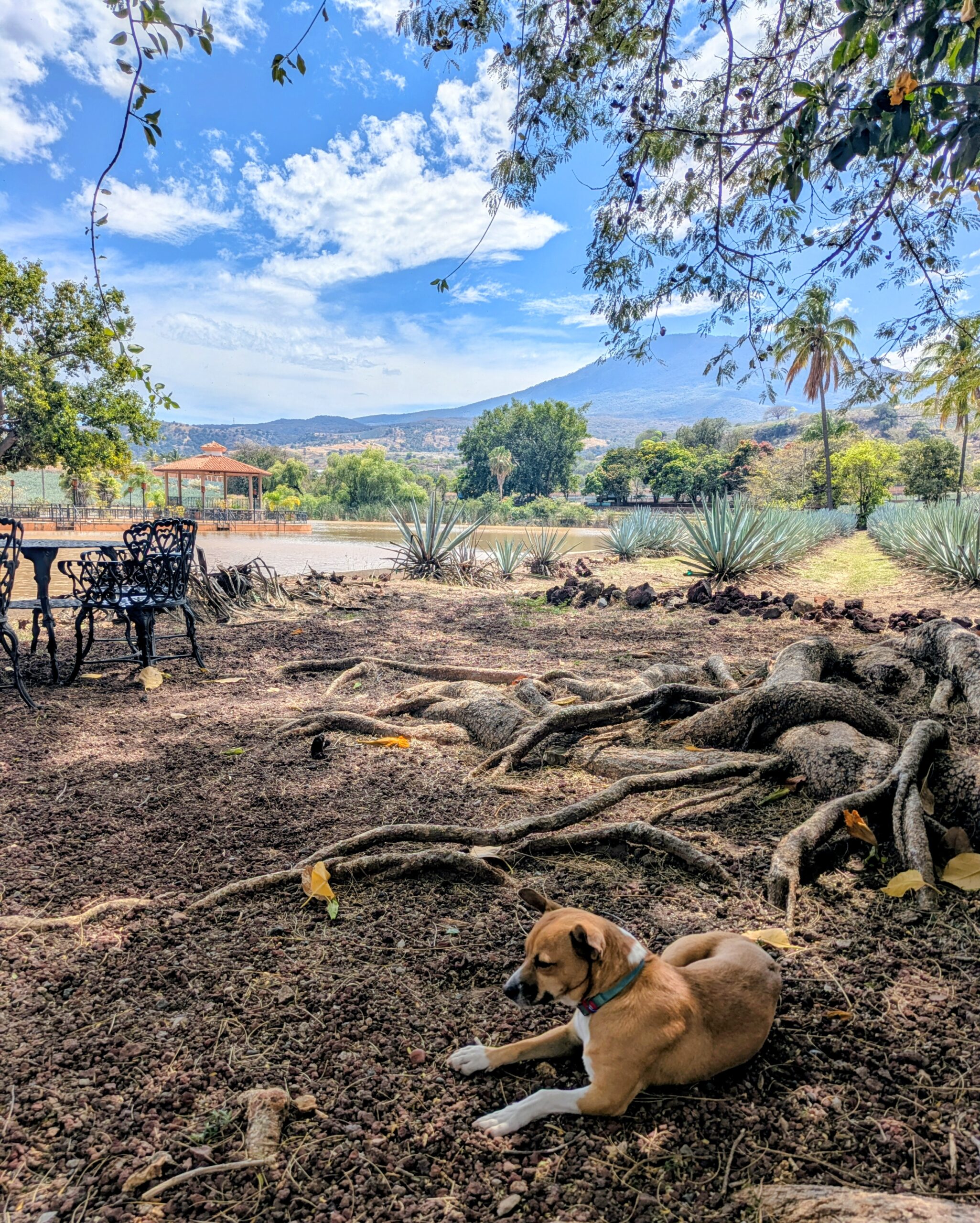
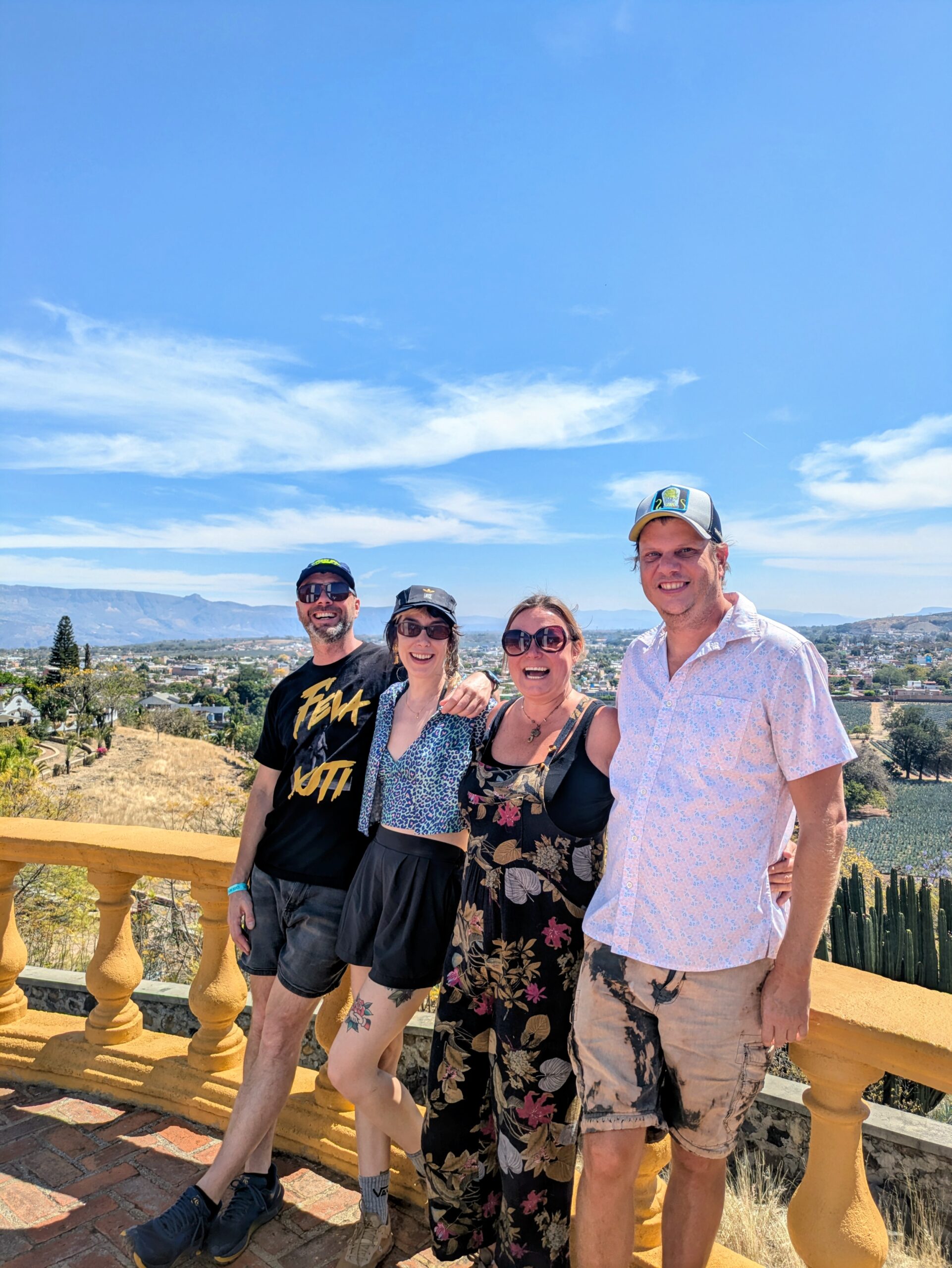
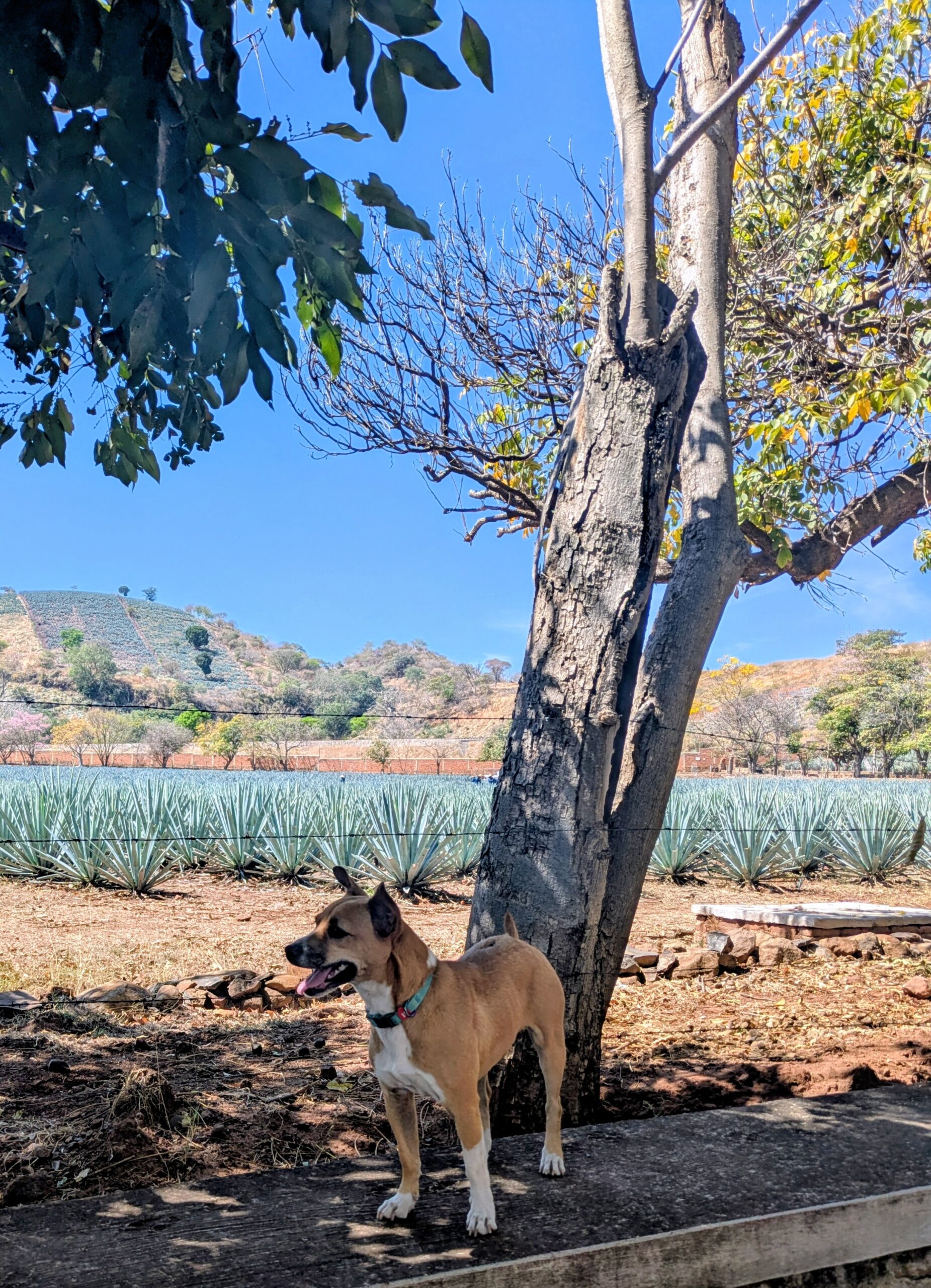
Walking up to the mirador at the top of the hill, with the valley and the agave fields spread out below us, we were accompanied by a dog named Bamba who had clearly claimed the entire property as his own. We learned that the owners regularly rescue street dogs — there are usually a dozen or so living on the grounds at any given time. This particular one had only been there a few months but carried himself with the confidence of someone who had found exactly where he was supposed to be. Perfect mascot. Perfect companion for the hike.
Into the Tasting Cave
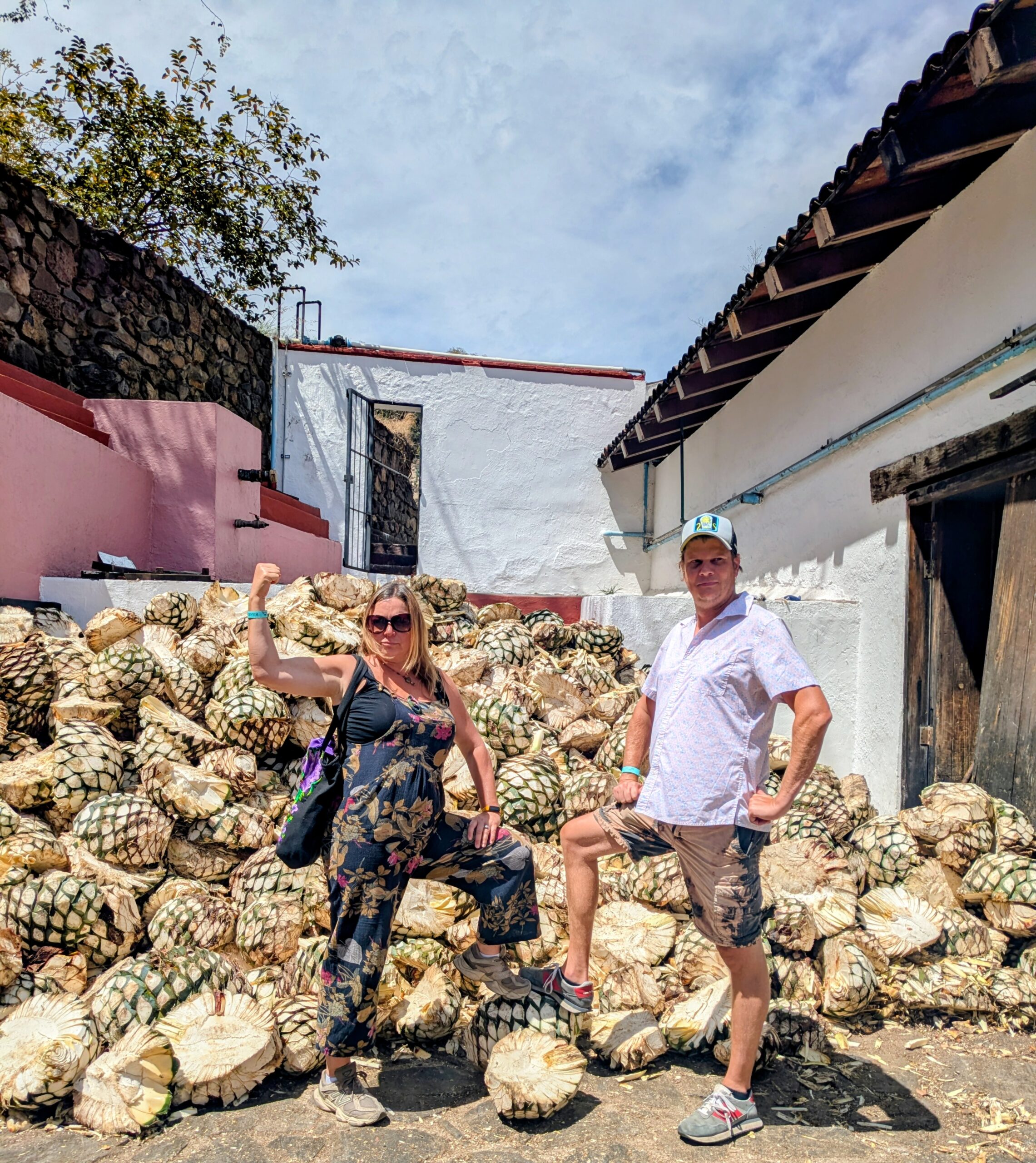
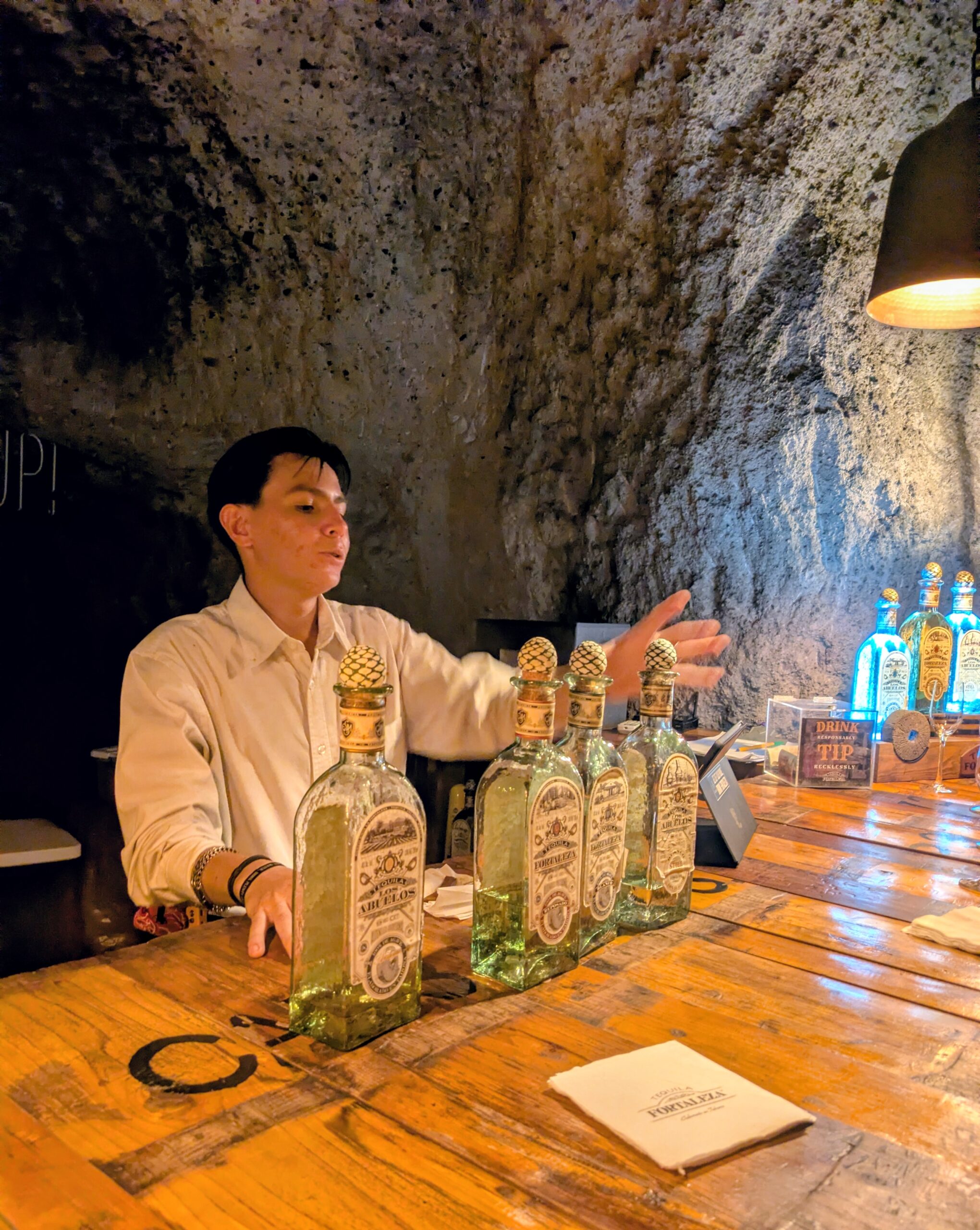
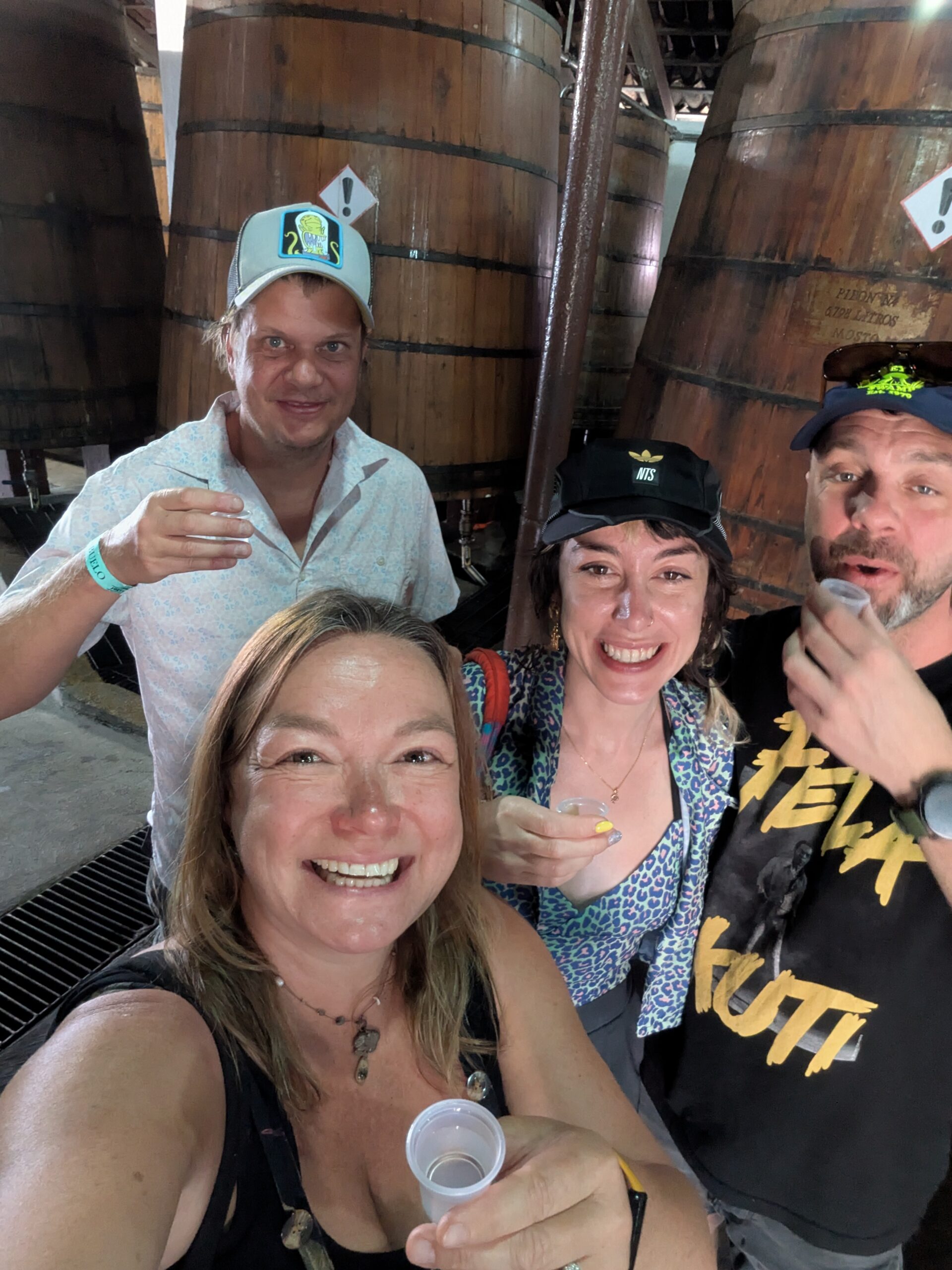
The tasting cave was where it all came together. We worked through the range of Fortaleza expressions while our guide walked us through the family history and the production process in detail that I found genuinely fascinating. I learned things I didn’t know — including the fact that what you’re harvesting from the agave plant is actually the enormous root ball, the piña, and not the dramatic spiky leaves at all. I had always pictured something leaf-based. The piñas themselves are huge — basketball-sized once cooked, sometimes much larger — and all that mass had been underground the whole time. It reframed everything about how I thought about the plant.
Before moving to Mexico I rarely drank tequila. That has changed considerably since we arrived, as it tends to do when you actually live in Jalisco and start understanding what the good stuff tastes like.
I’ll Be Back
Tequila is a town I misjudged, and I’m glad I finally gave it the chance to prove me wrong. The authenticity I was worried wouldn’t be there is absolutely still there — you just have to seek it out in the right places, as you do anywhere. The cantaritos in the square, the Batanga at La Capilla, the dog on the hill at Fortaleza — these are not things that get packaged for tourists. They are just what the place is.
There is still more to explore here. More distilleries, more bars, more of the valley. I already know we’ll be back.